April 19, 2024
This post will probably be out of order since the previous two are encountering some type of glitch in photo uploading. I am trying to fix it without totally rewriting the whole thing but so far no luck!
For centuries, thousands of pilgrims have traveled on Saint James’ Way every year, finally reaching the capital of Galicia and entering the iconic Cathedral. According to tradition, this is the burial place of the relics of James the Apostle.
We have been to some of the spots along St. James’ Way and opted not to take the trip to the Cathedral as it was only for an outside visit.
We arrived at 11 AM and this was our sail in.


Our guide for the trip to two small villages was Continta. She was a good and patient guide since we had several people on the trip who had trouble walking the distances.
We traveled on the Atlantic motorway to our first village of Pontevedra which means old bridge.
We passed many fish farms that raise oysters, scallops and mussels.

Vigo itself has a population of 30,000. Two islands protect the area from the strong Atlantic winds. And, while much of Spain is dry and the residents have severe water restrictions, this area gets enough water.
There are many oak trees and eucalyptus trees here. They don’t really like the eucalyptus but they have an industry of making paper from them.
We reached Pontevedra which is a town of about 80,000. It is built on rocks and most of the buildings date back to the 15th and 16th century. There are many churches and monuments here. It is lunchtime in Spain and we first encountered large groups of school children going to the museum. Friday is the day for school excursions here. There were also children playing in the squares.
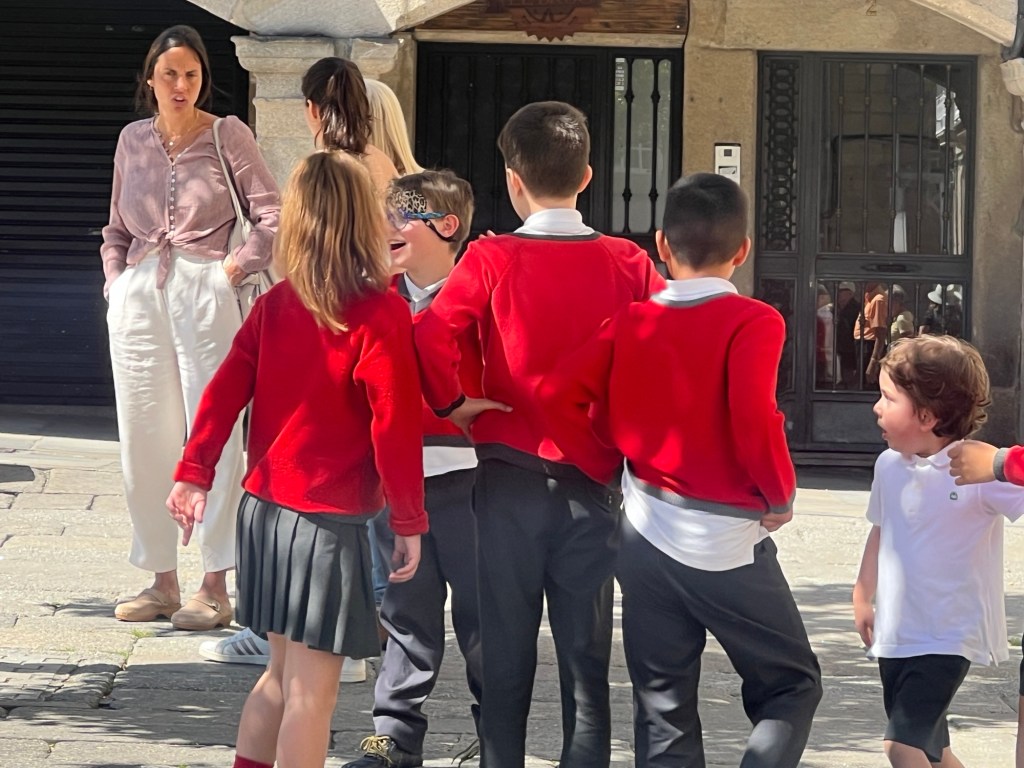
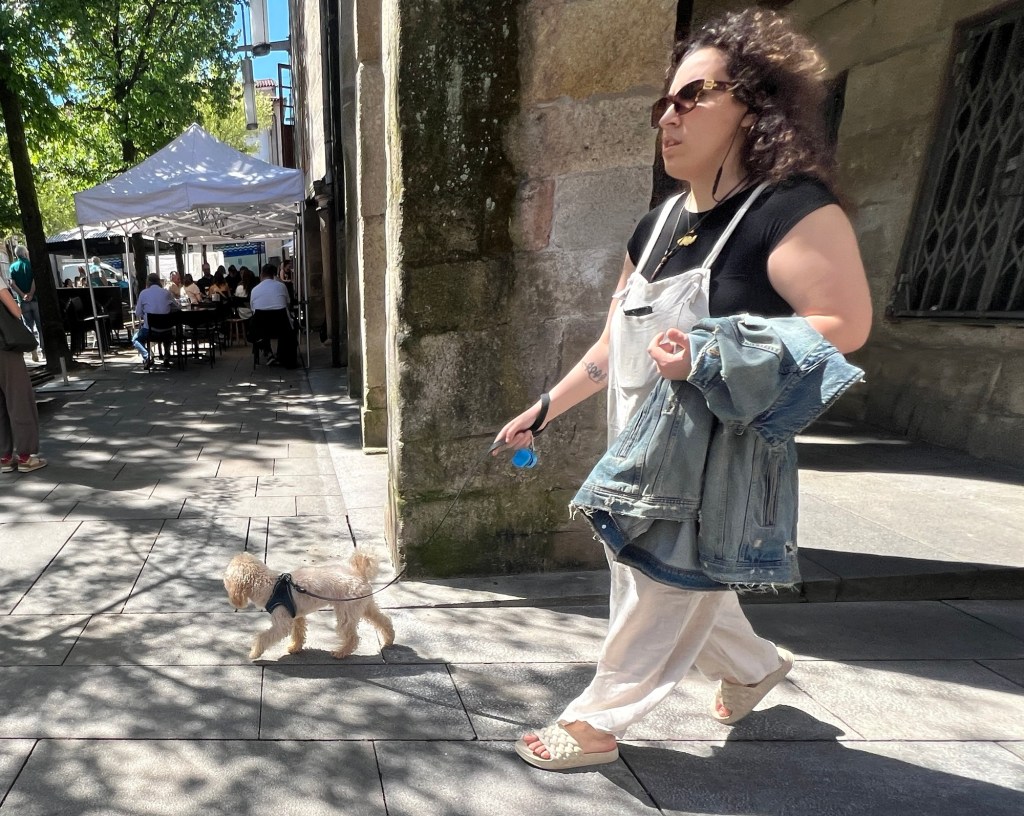
Here are some of the sights.
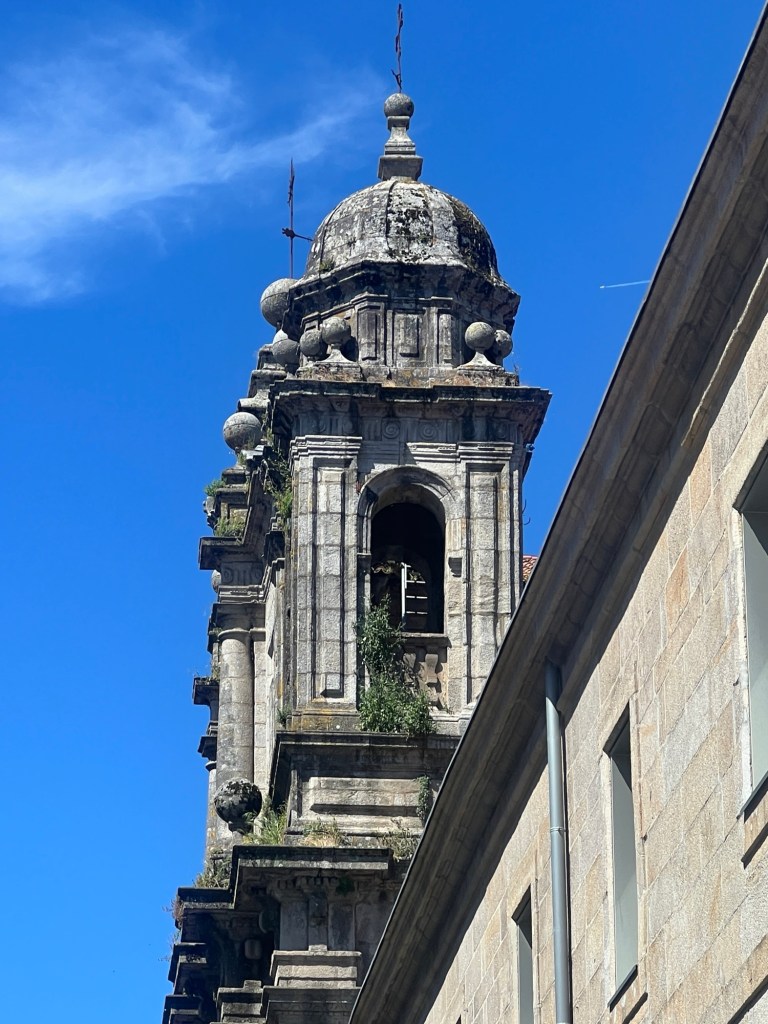
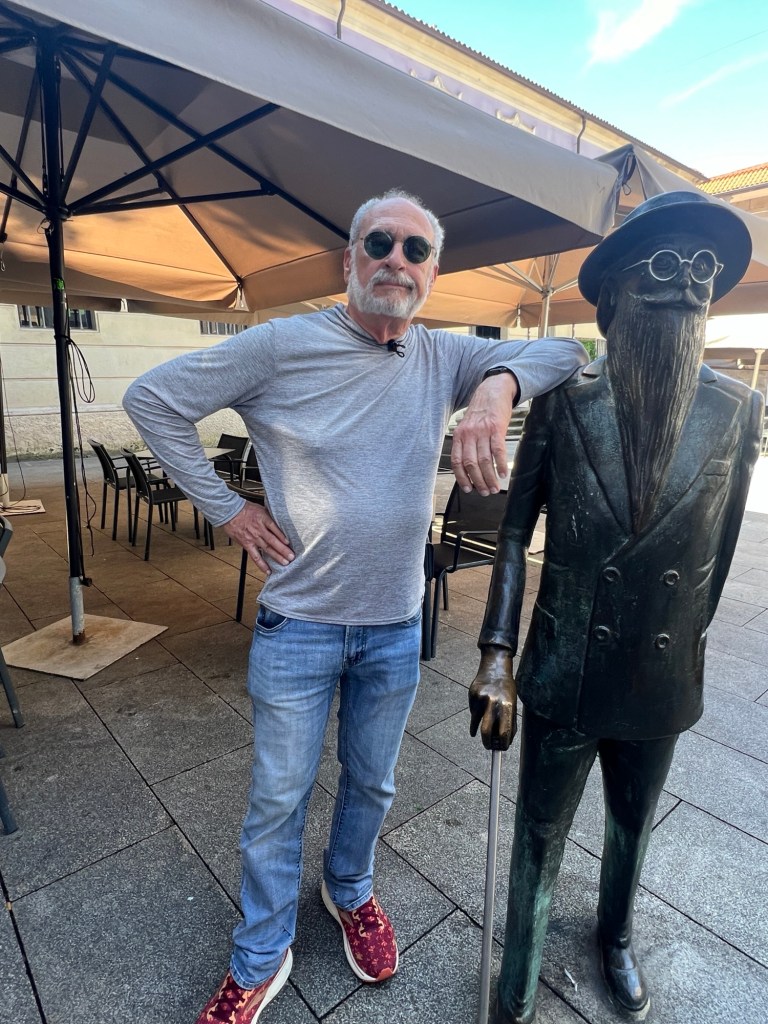
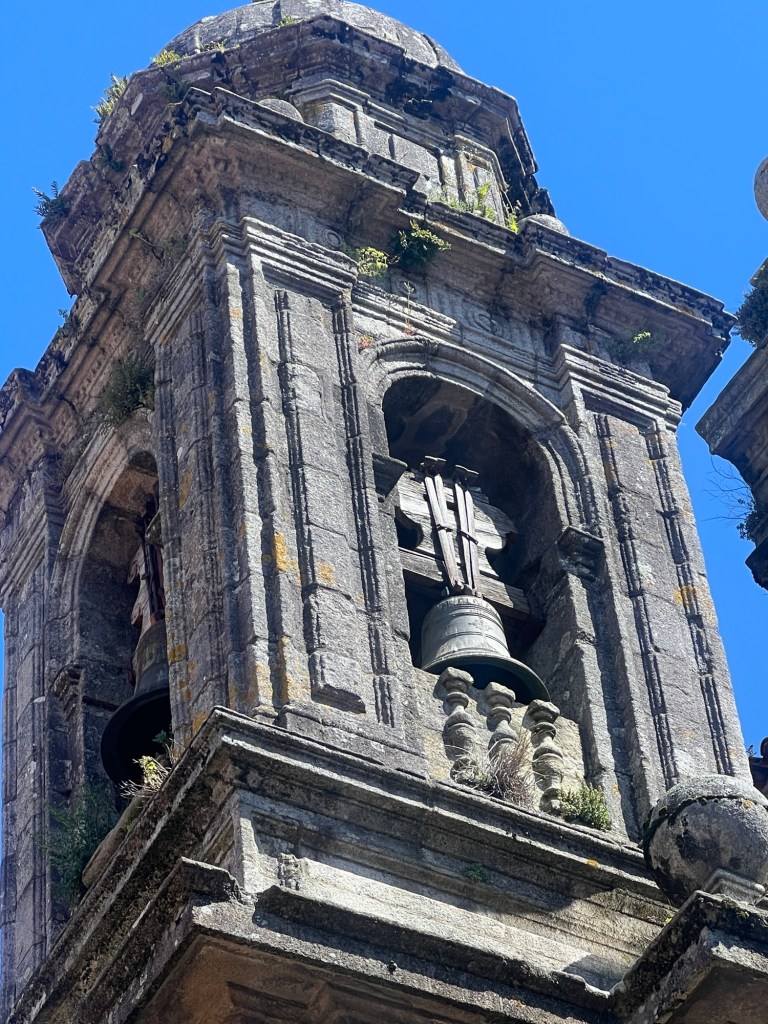
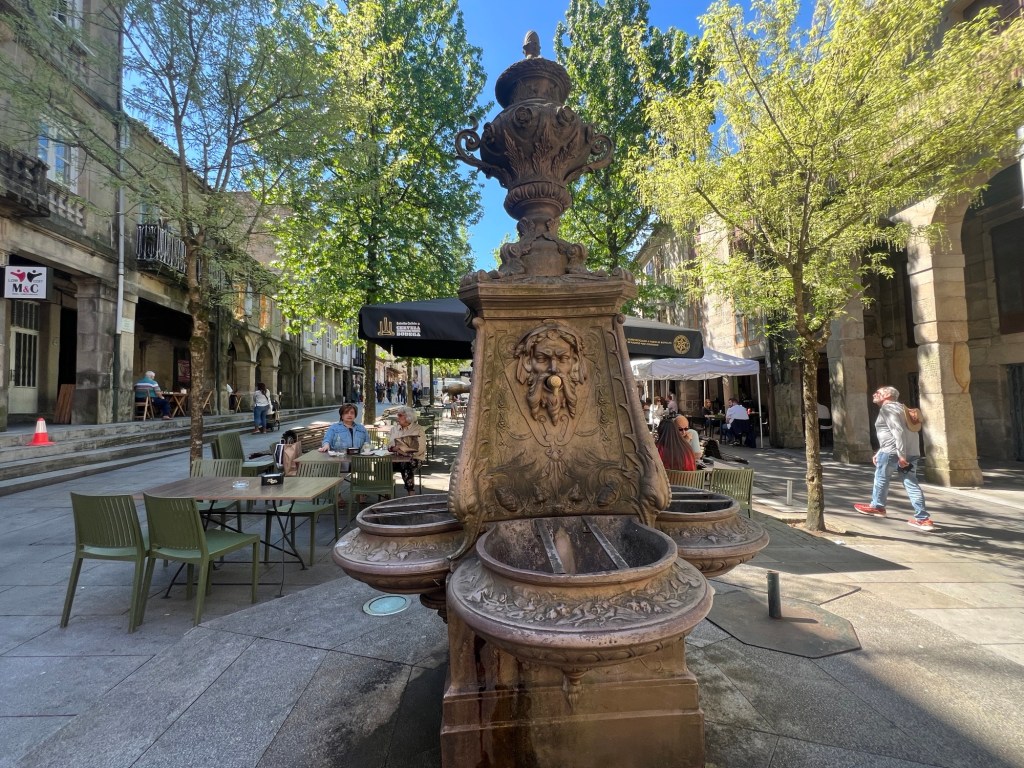
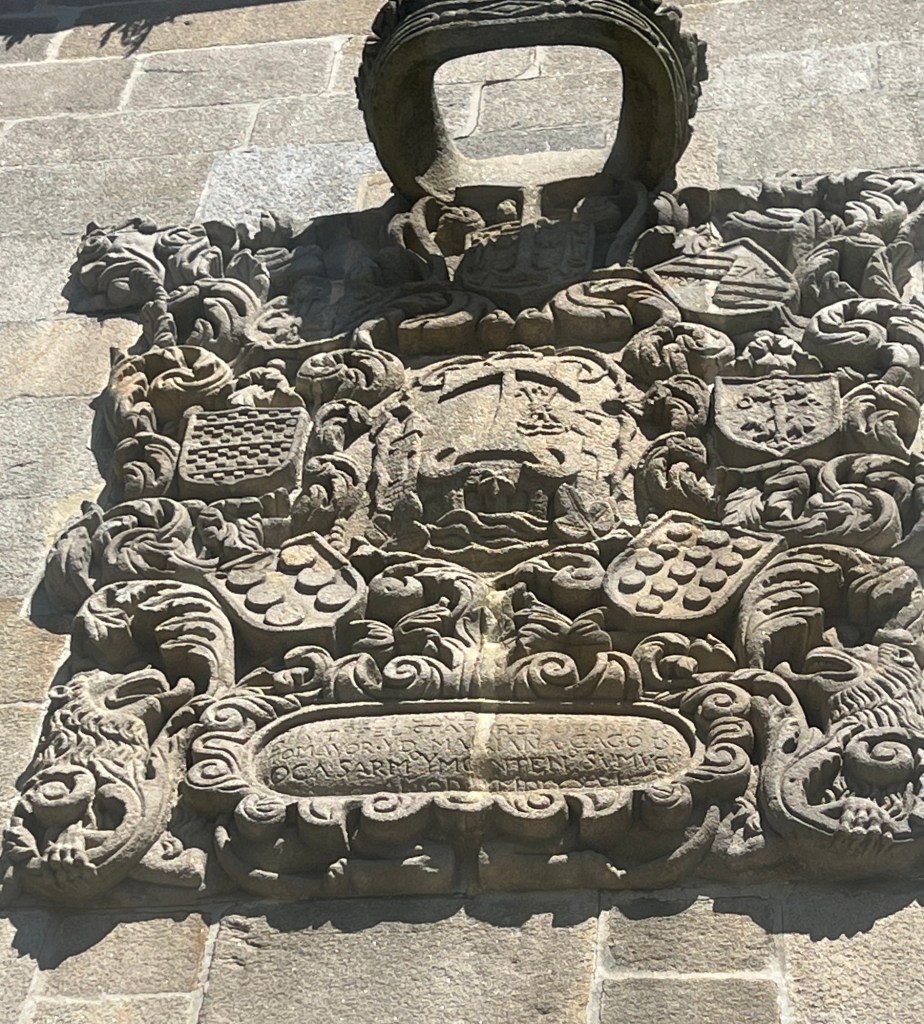


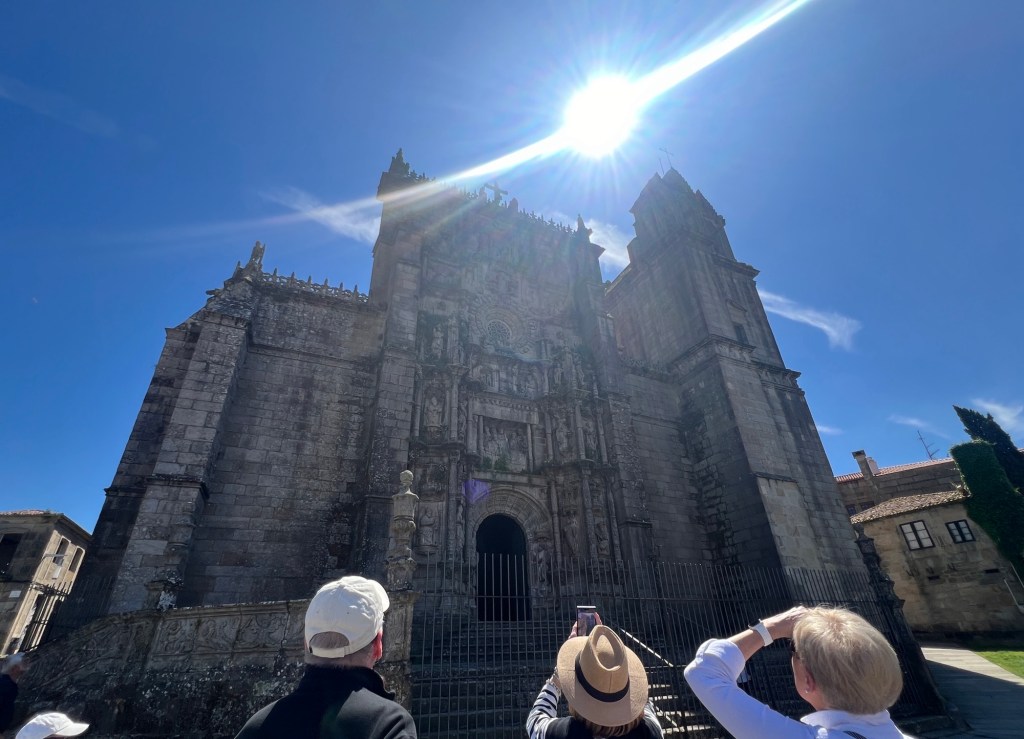

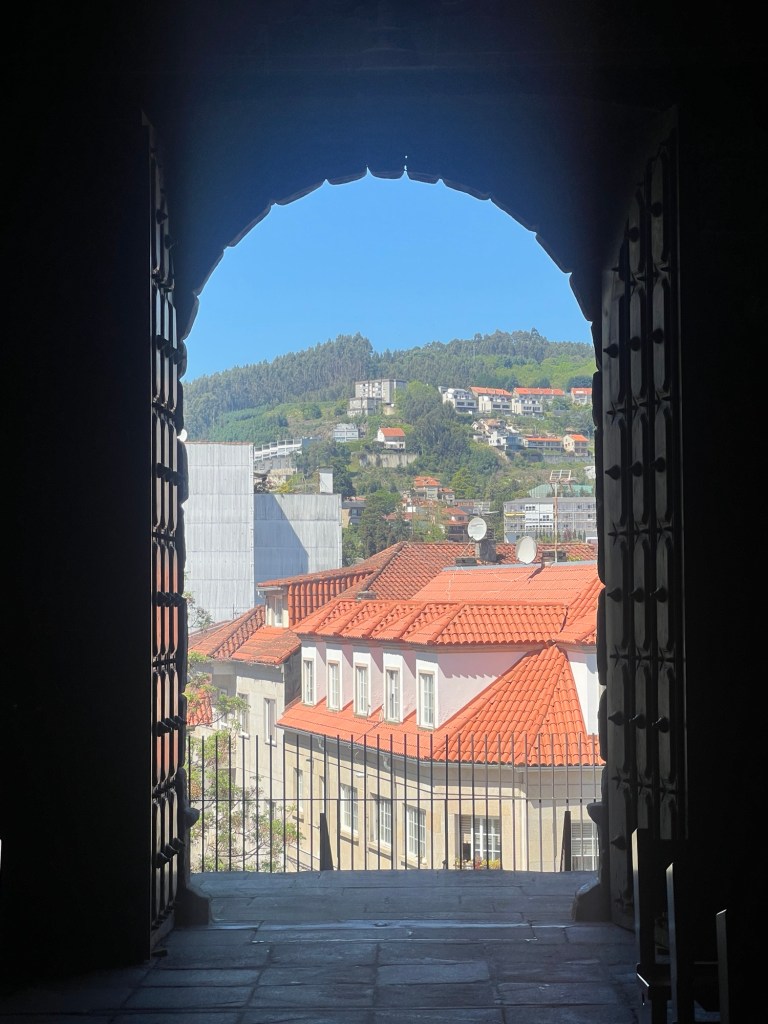
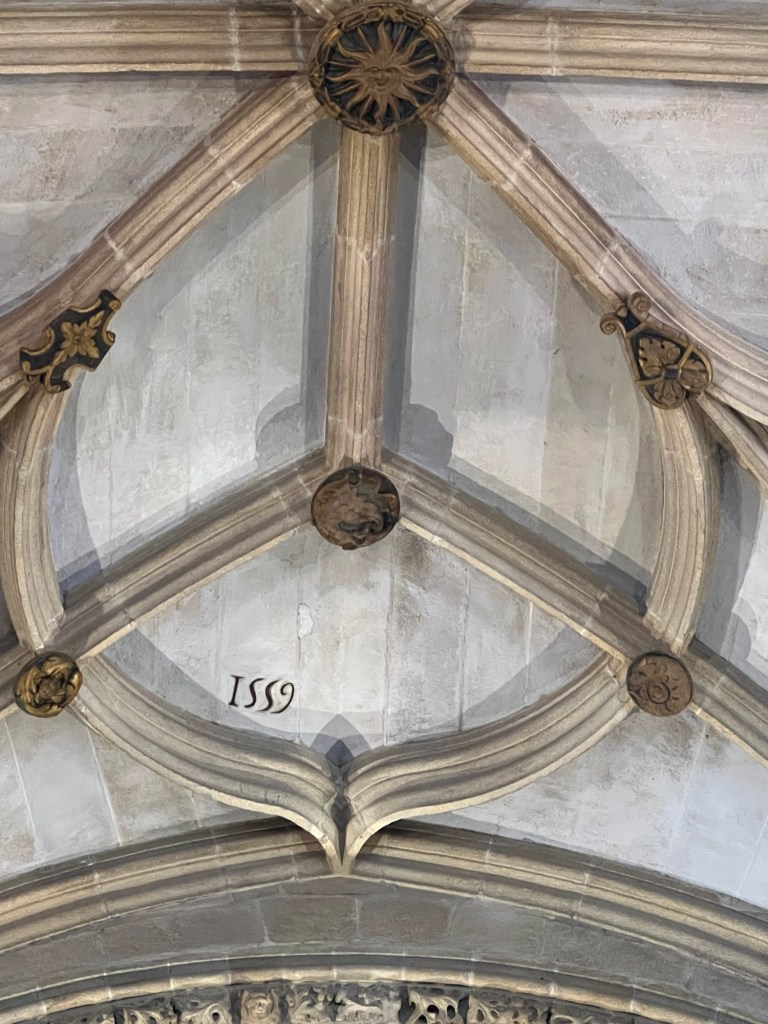
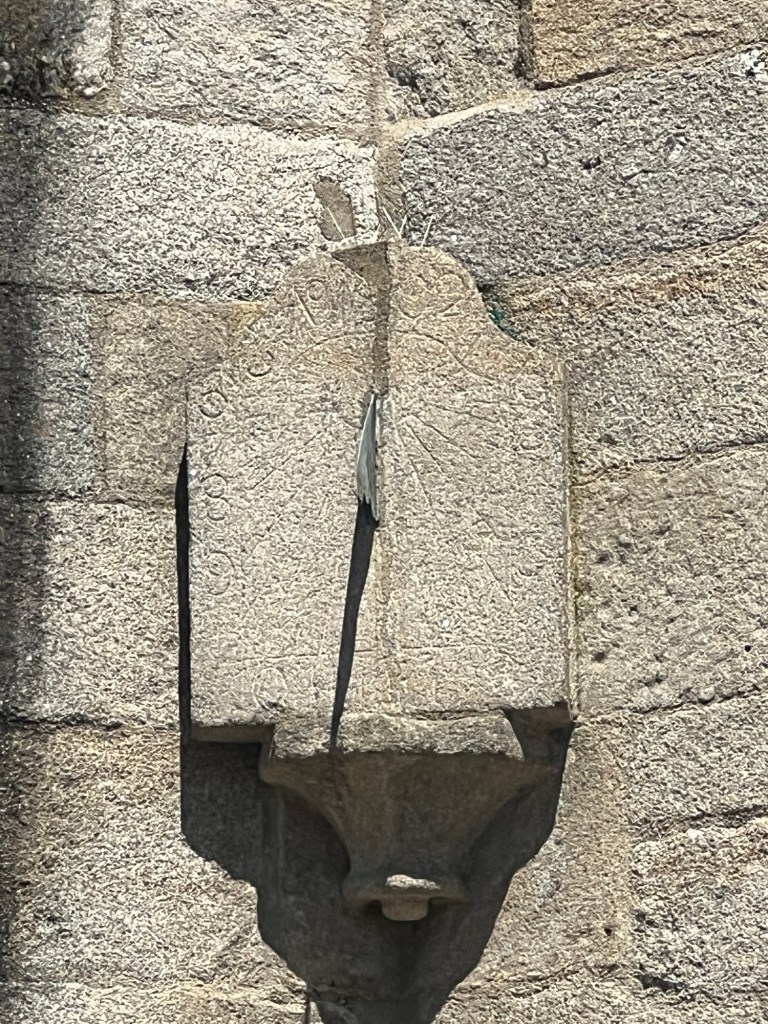
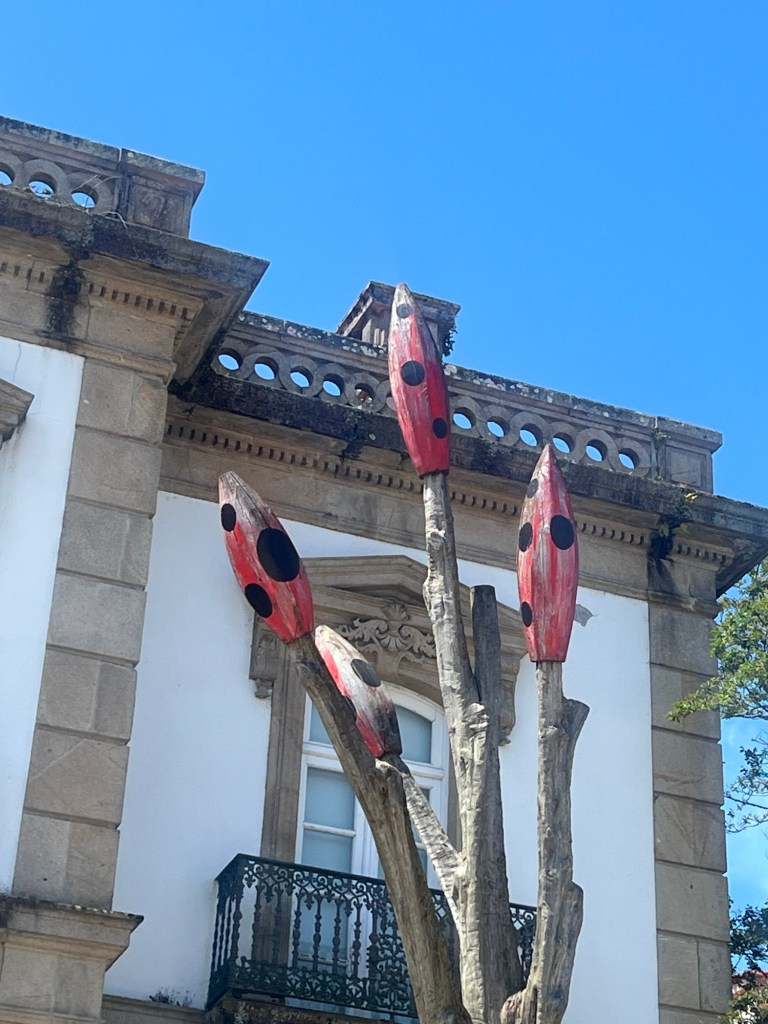

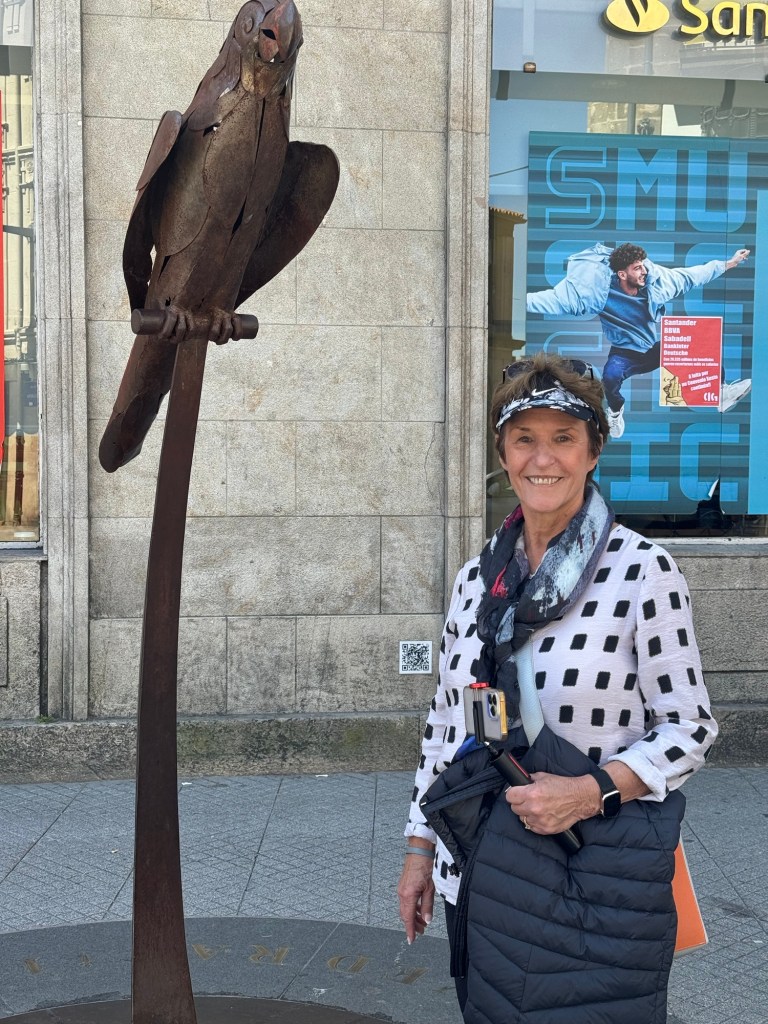

Way of St. James.
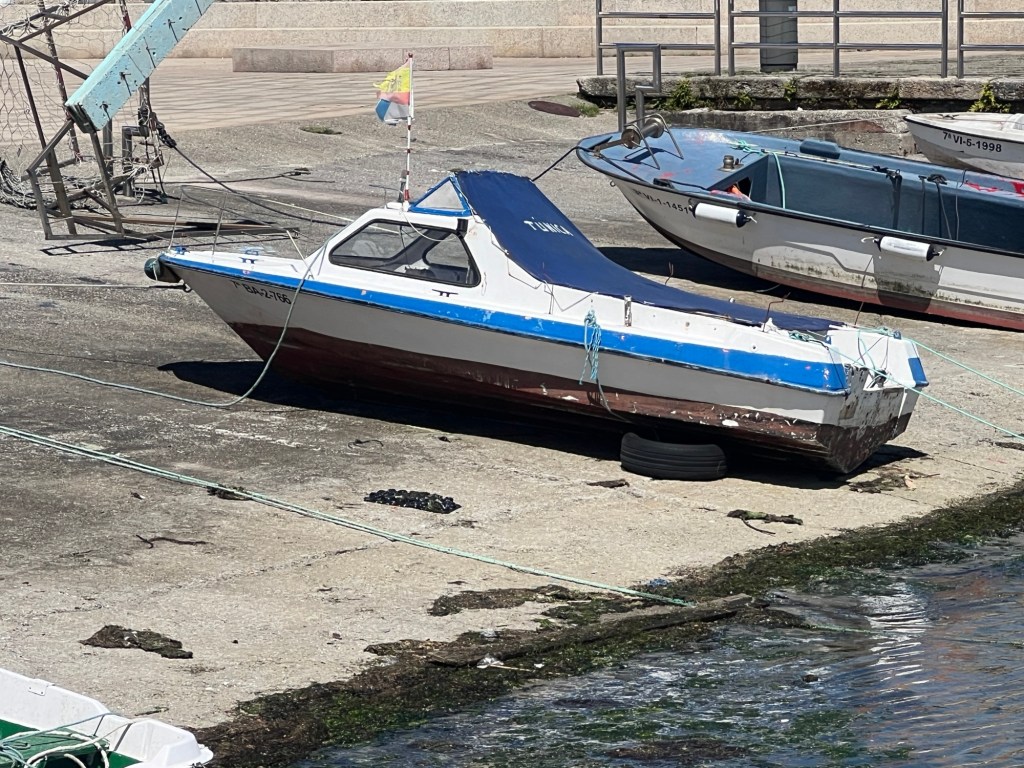
After our visit to Pontevedra, we drove a short way to the next village of Combarro. It is a small and very charming place. The population is only 1800. Some say it is the most charming small village in Galicia. The buildings and other structures date back before the 1700s. The name means “a sheltered fort”.
Continta told us about these small structures that we saw along the way. They are called horreos or granaries. They have open slats on all sides and have been used for keeping fruits and vegetables and other staples inside to keep them from being eaten by the animals. Some are still used that way but others are used for storage or children’s play. We haven’t seen these anywhere else.


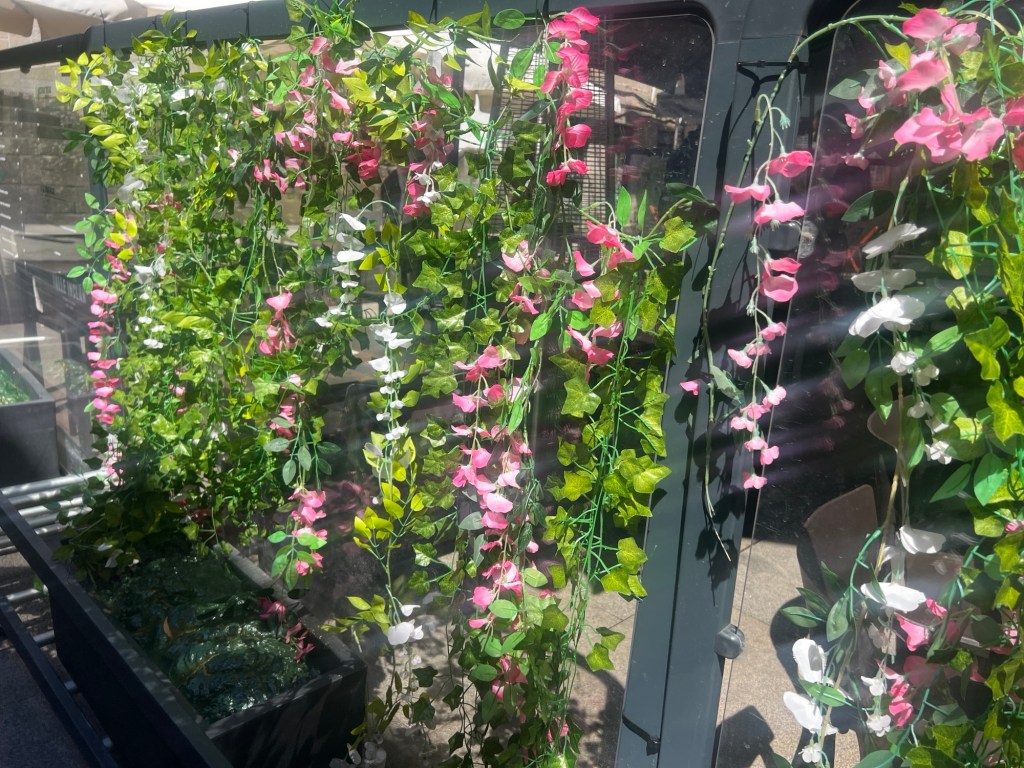
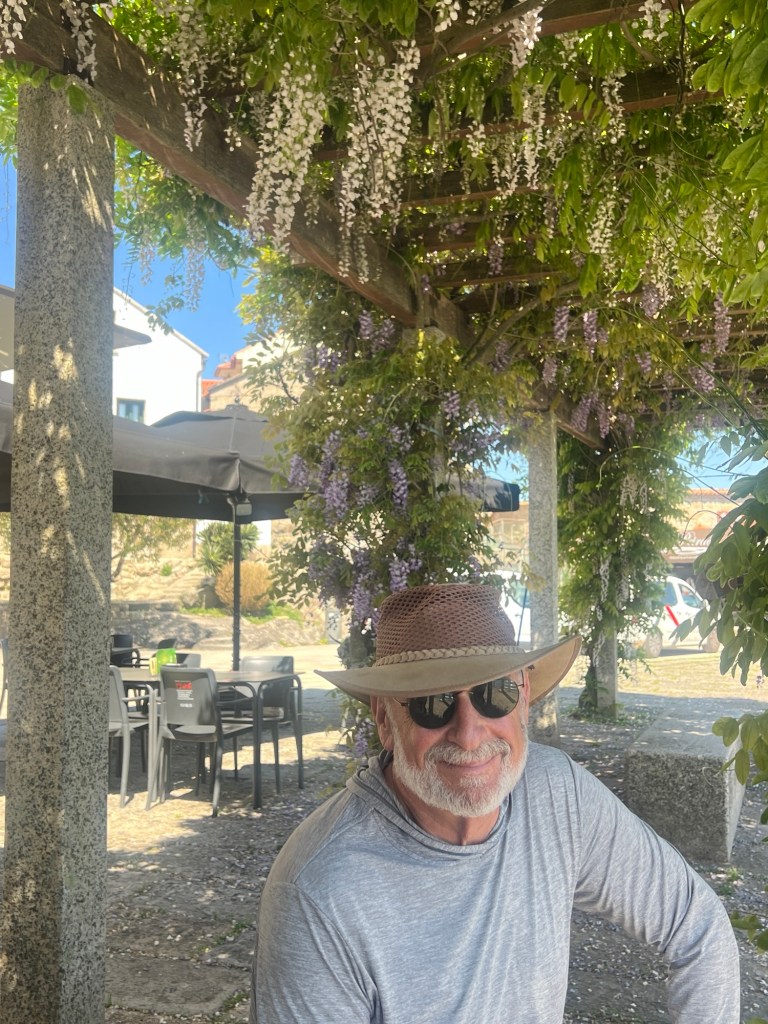
We walked through the winding streets after resting under the wisteria vines.
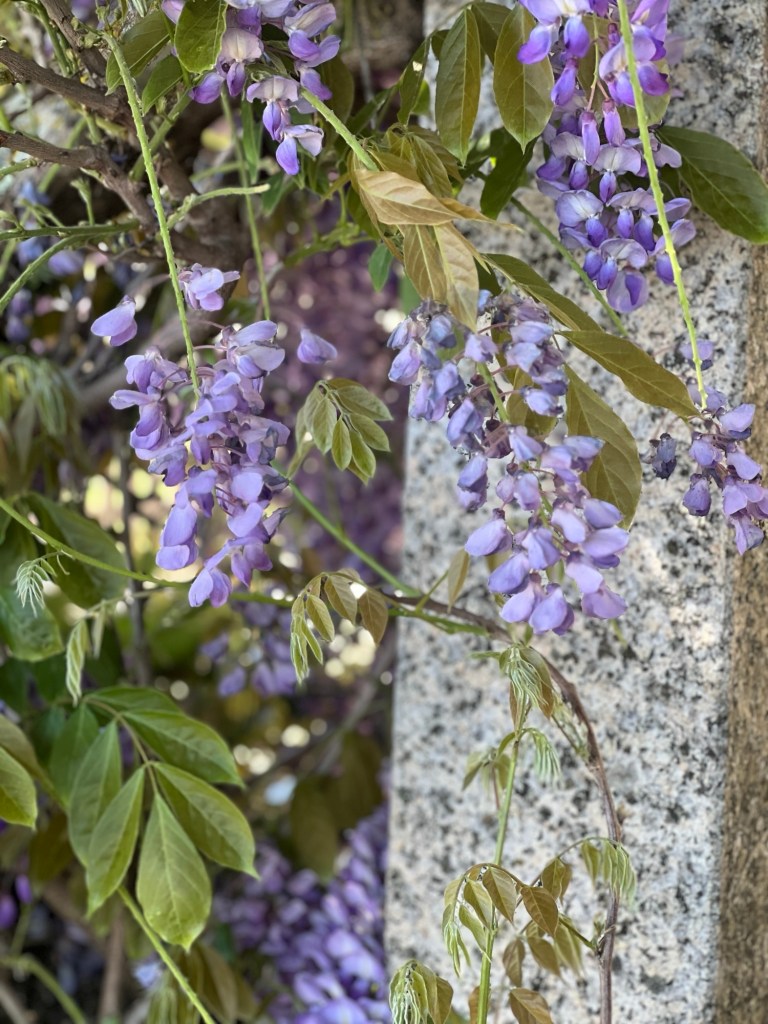
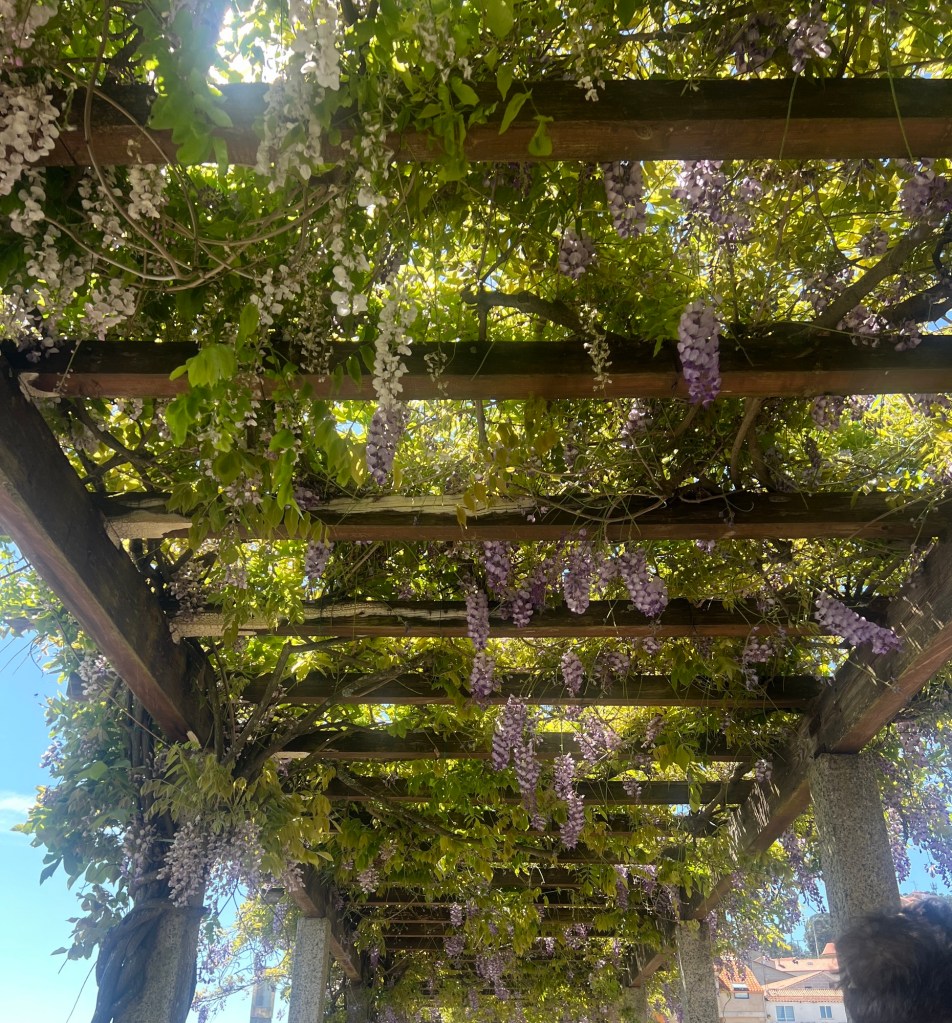


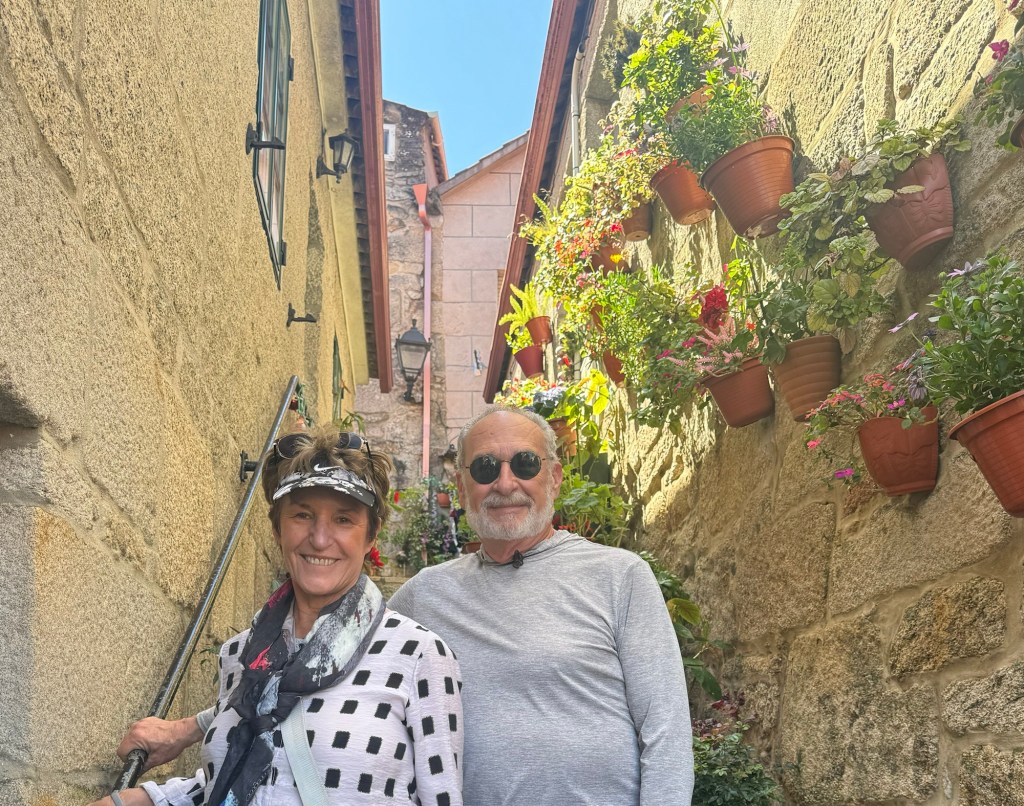
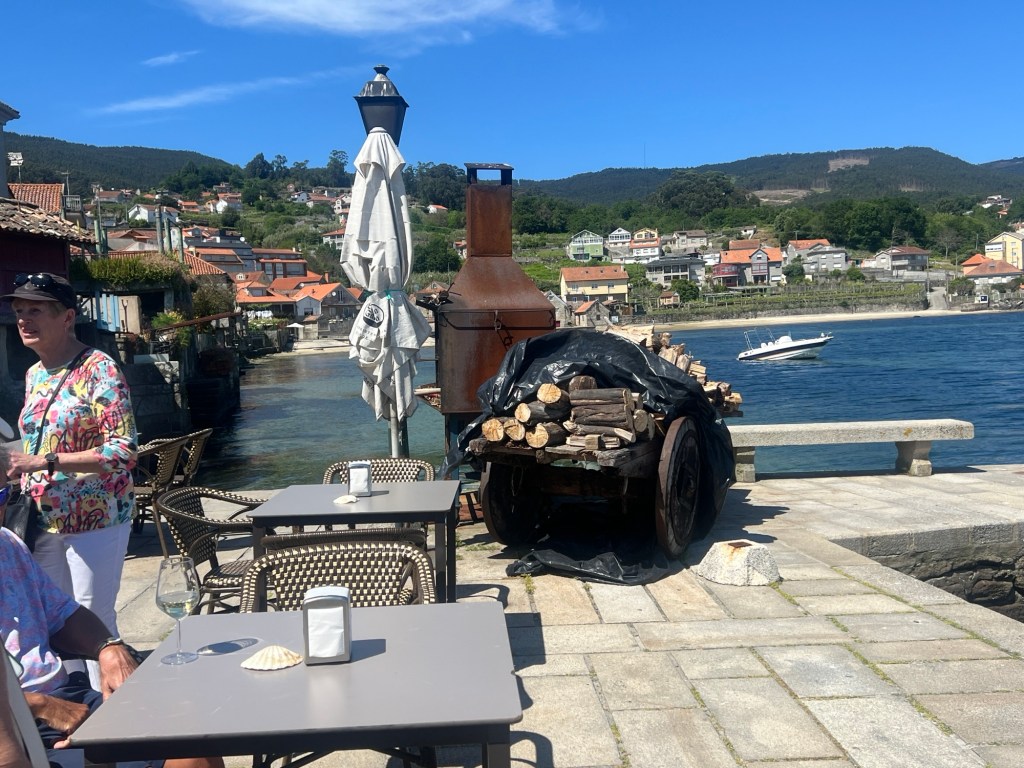
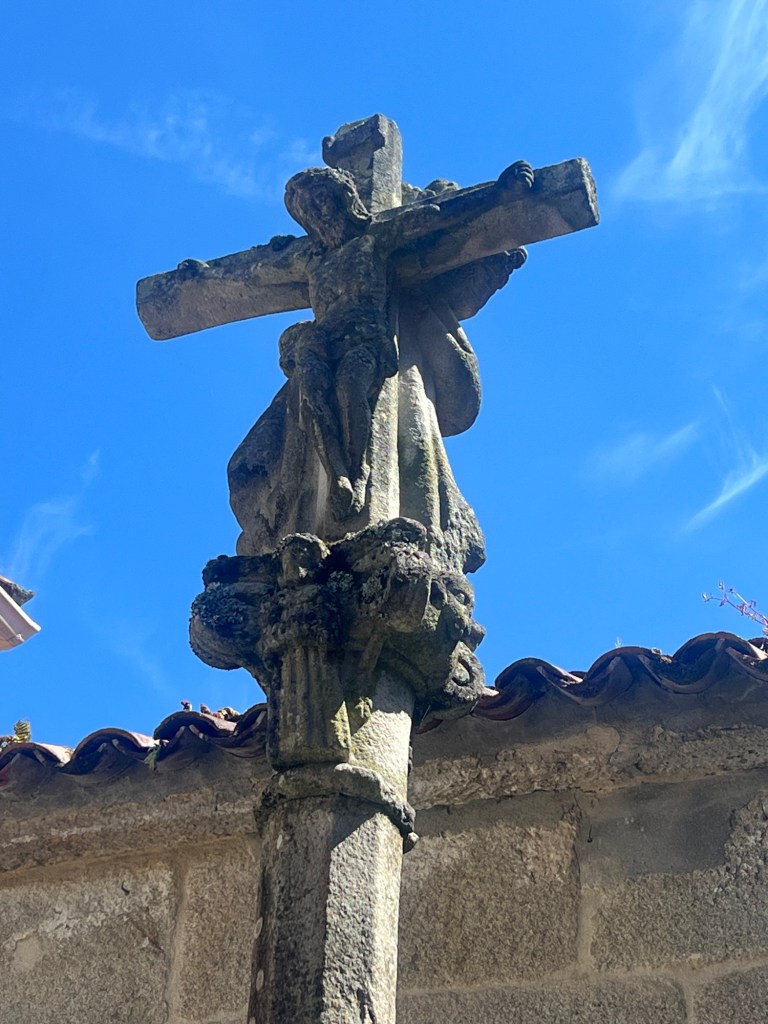
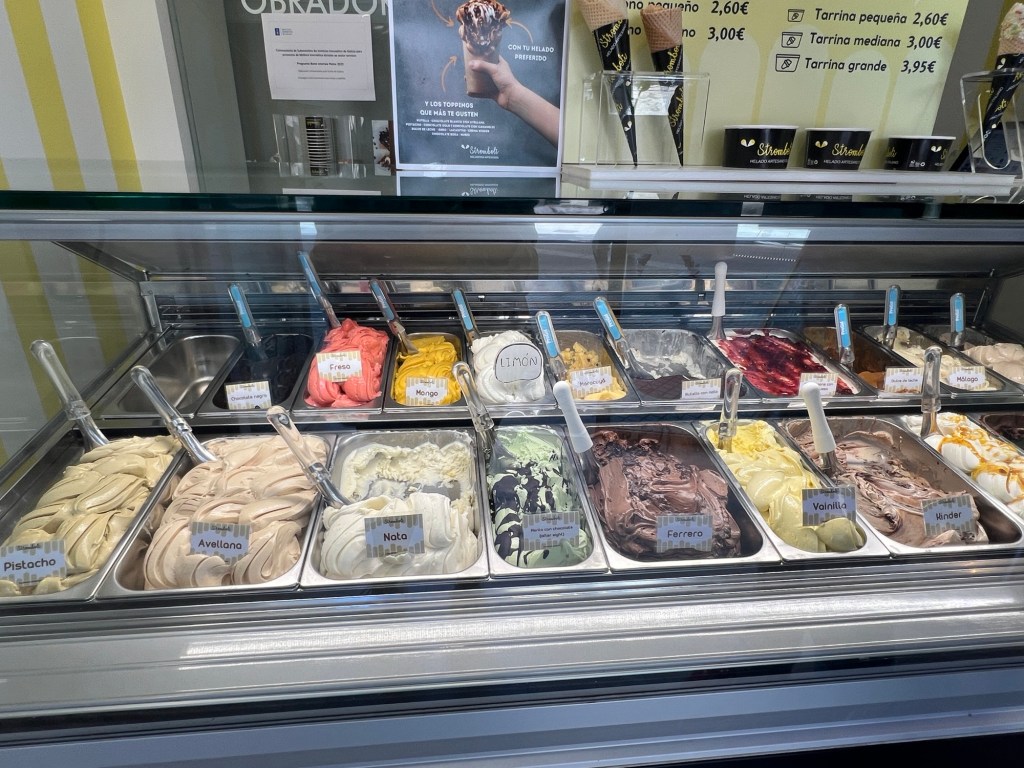
Again, it was still afternoon and the long lunch time so most of the small shops were closed. I did manage to buy some chocolate.

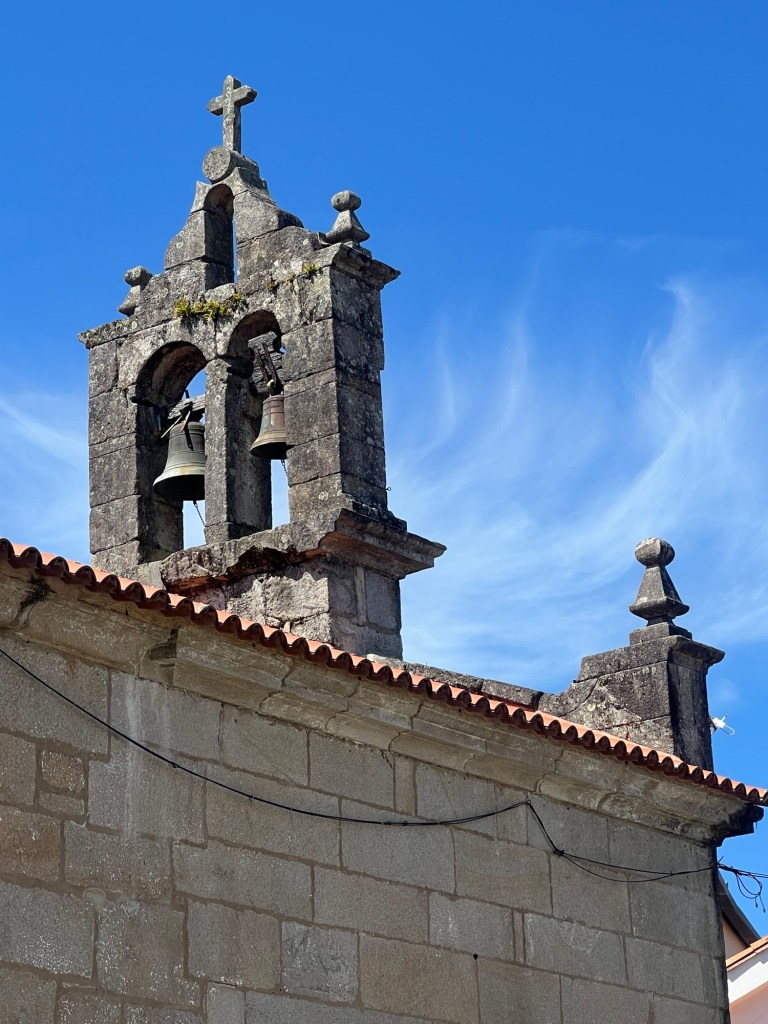
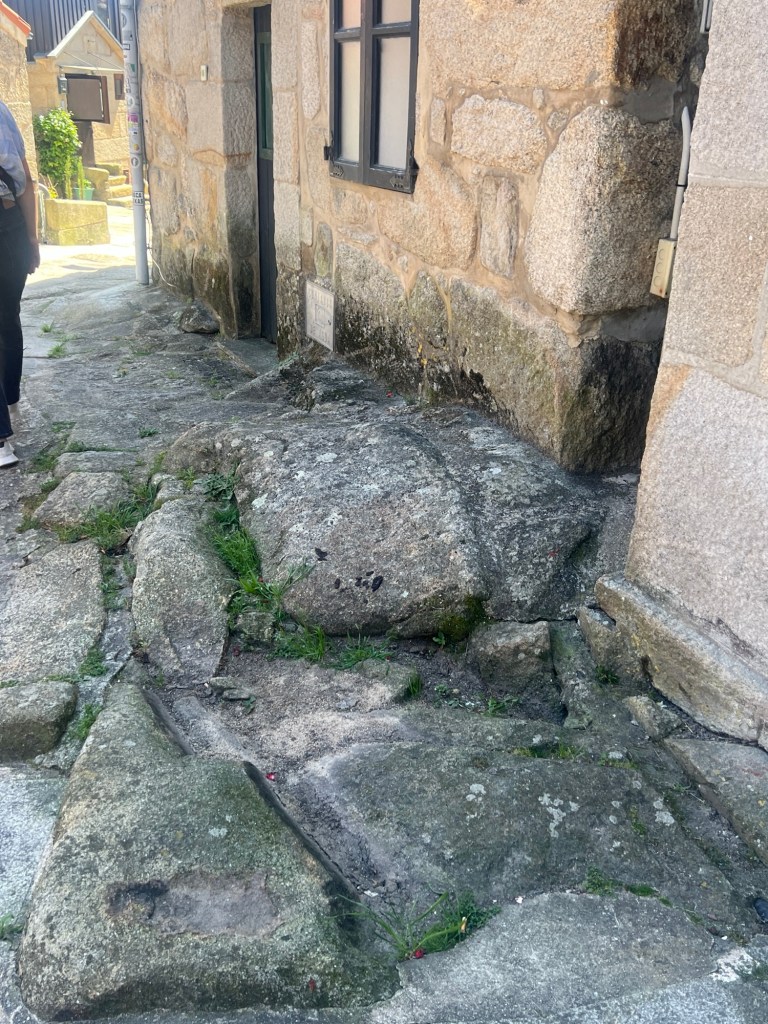


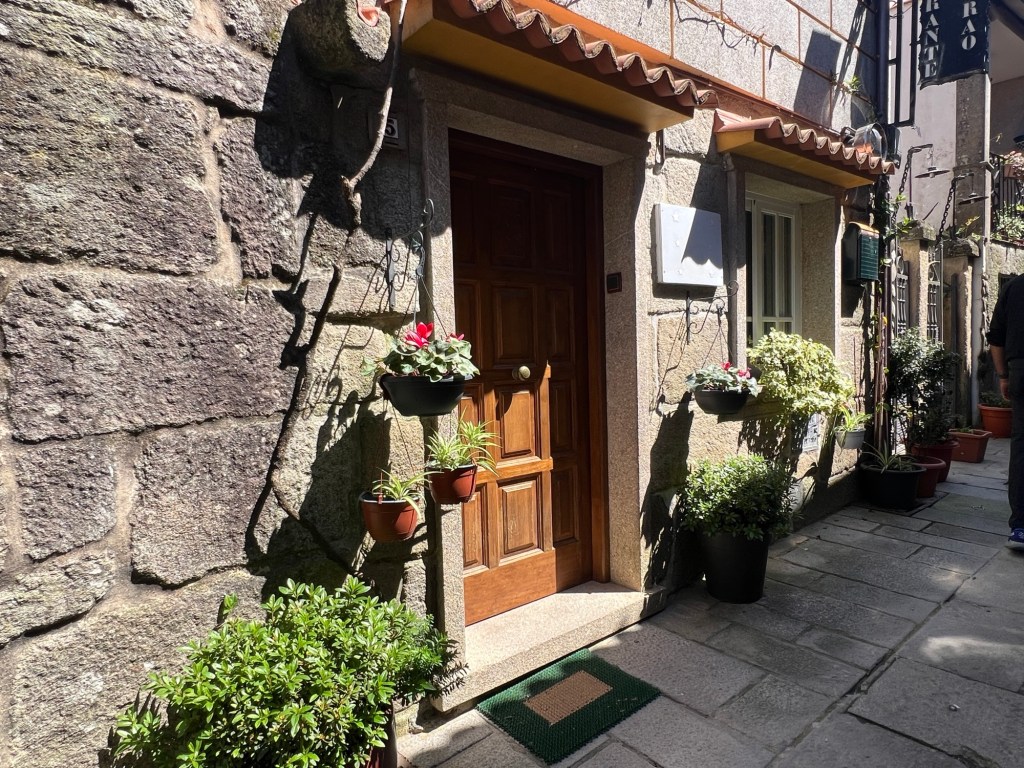


The trip was really nice and we enjoyed each village. We have a sea day tomorrow and we enter France on Sunday where we will go to Mont St. Michel.

 Pat and Norm's World Cruises and other adventures
We are scheduled to stop in Vigo in December on our way back to the USA. This tour sounds ver nice. Thanks for the inspiration.
LikeLike