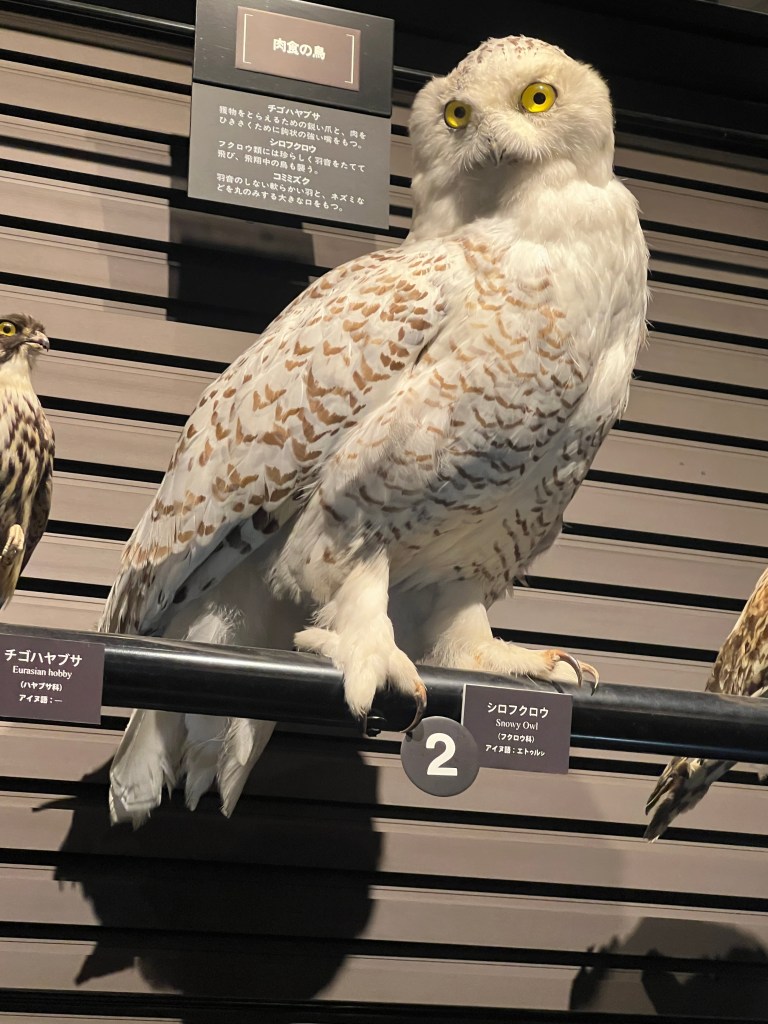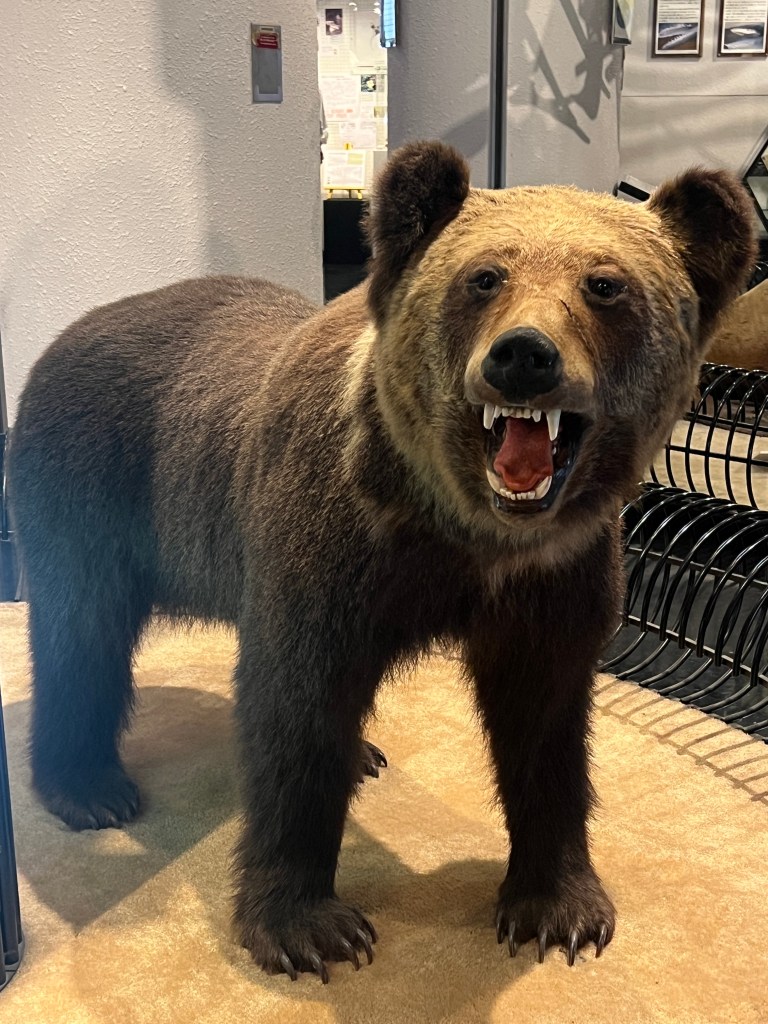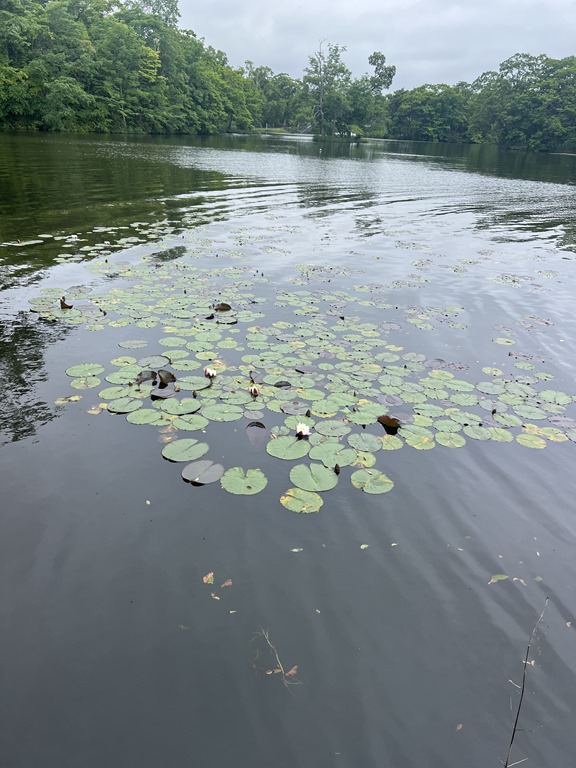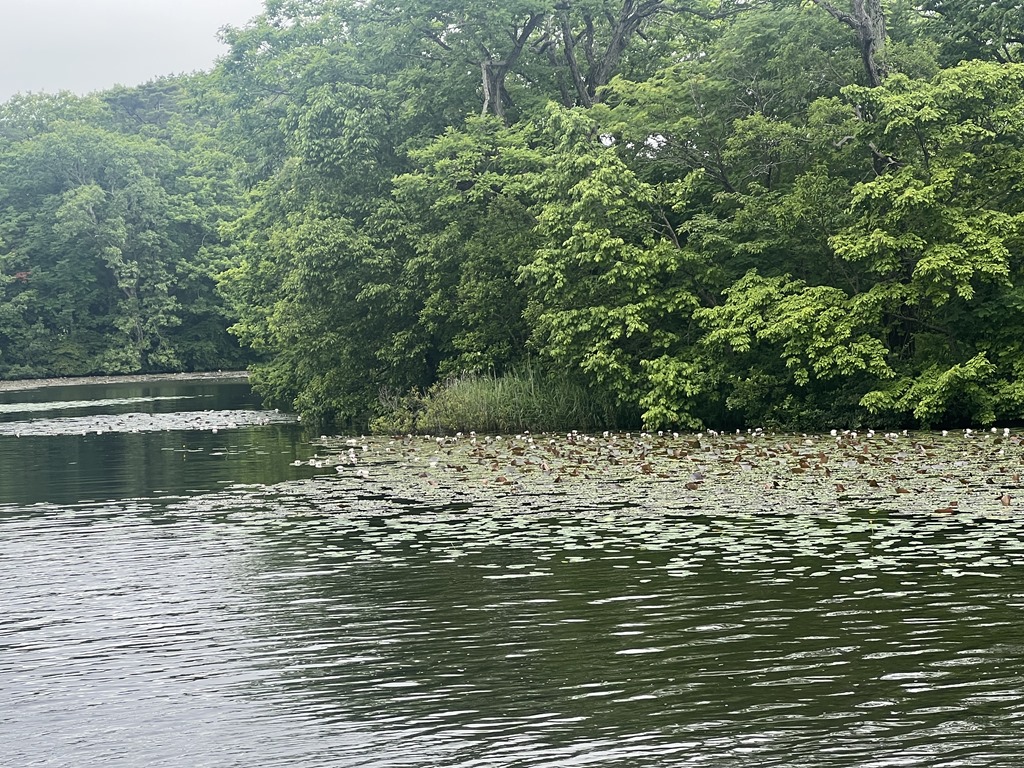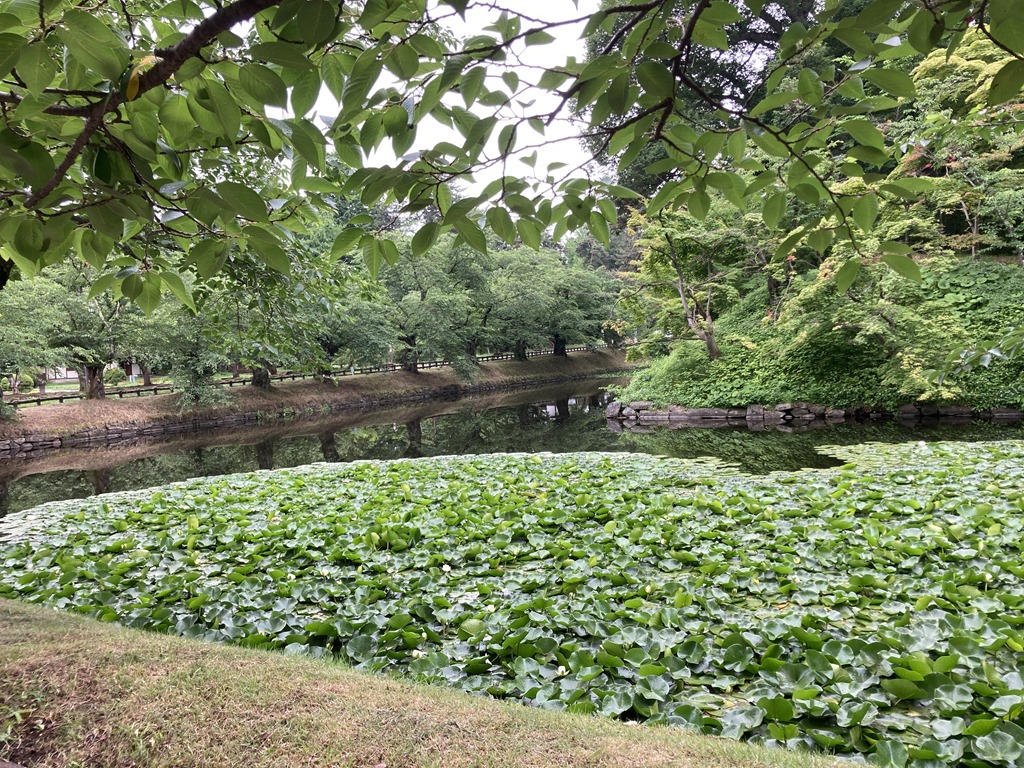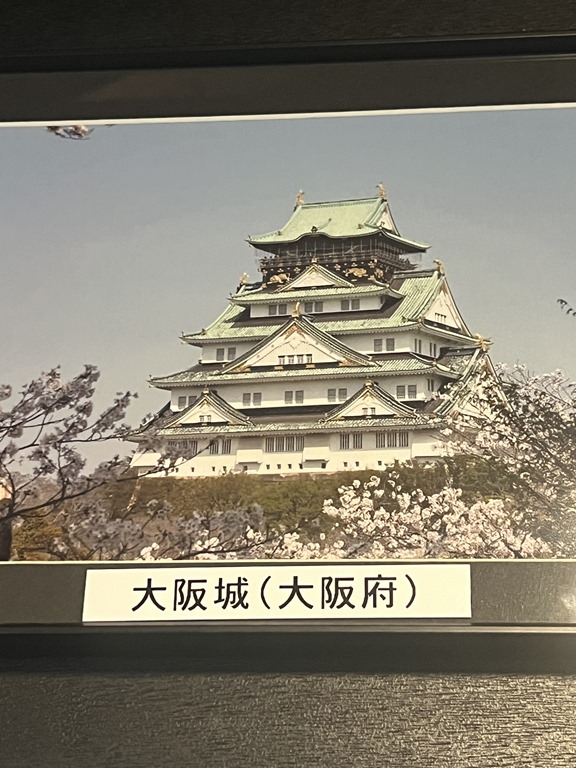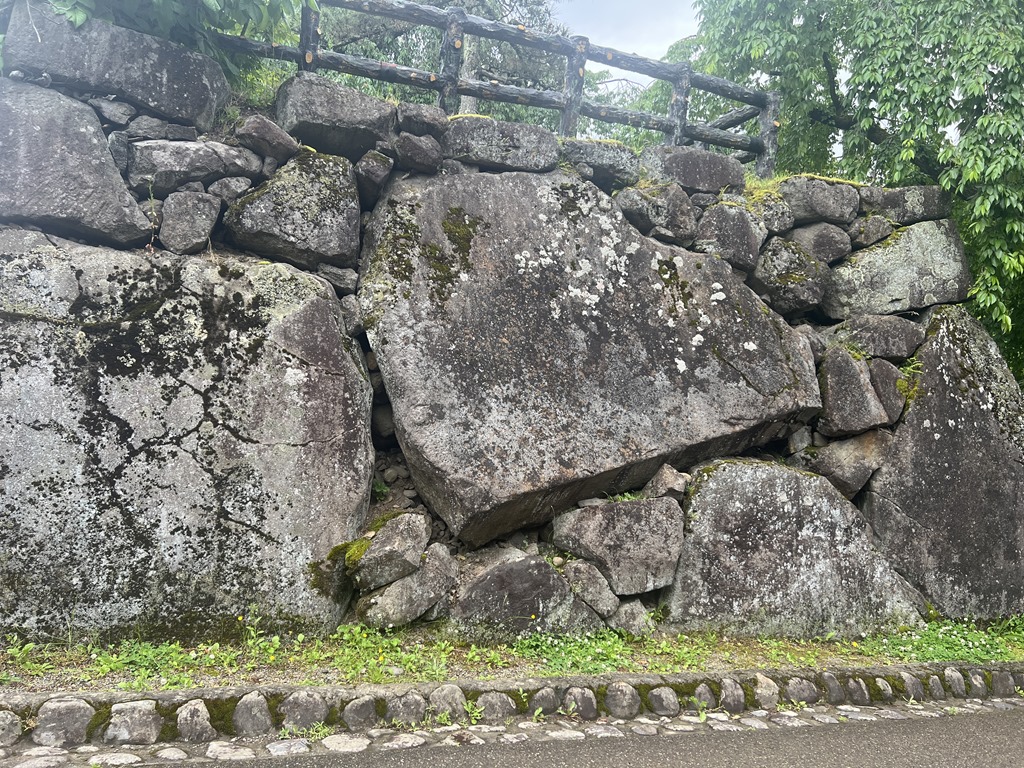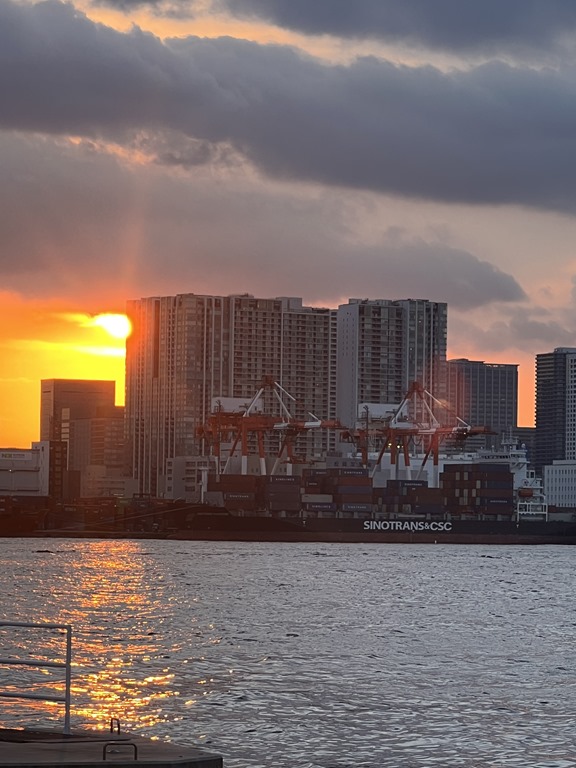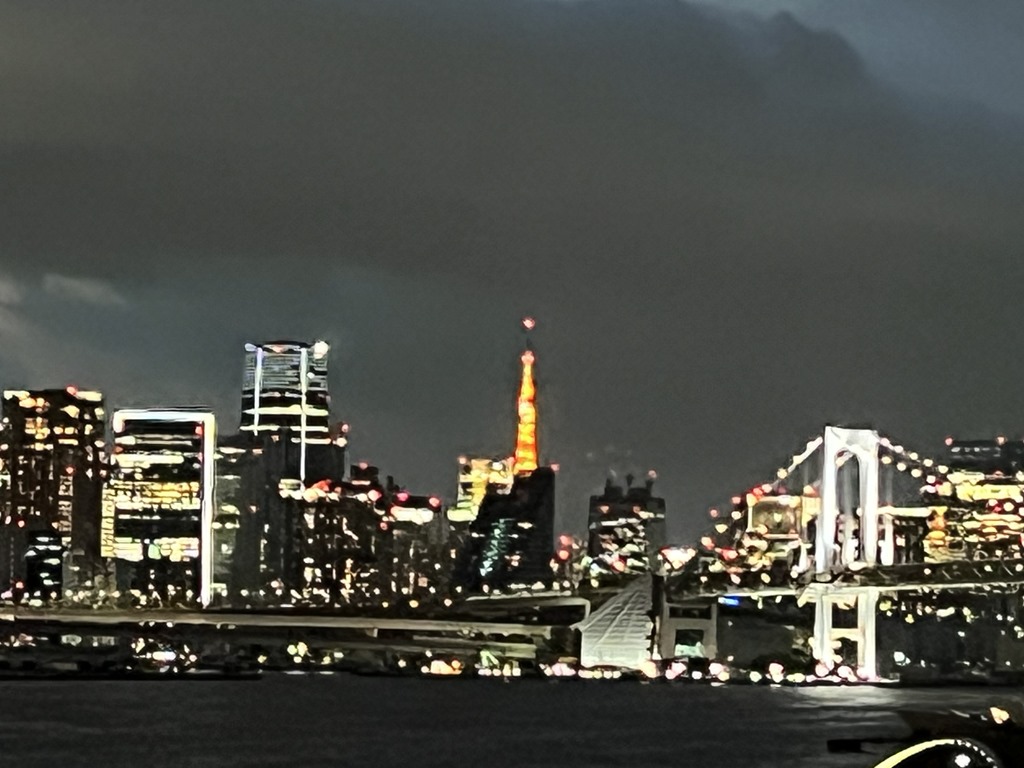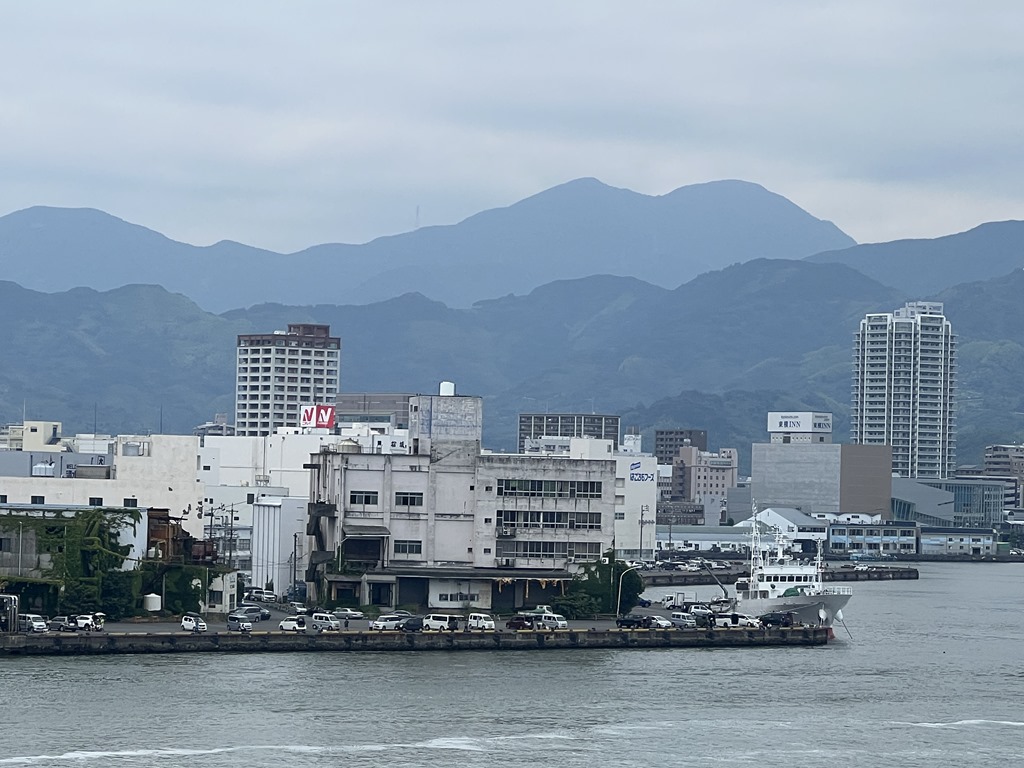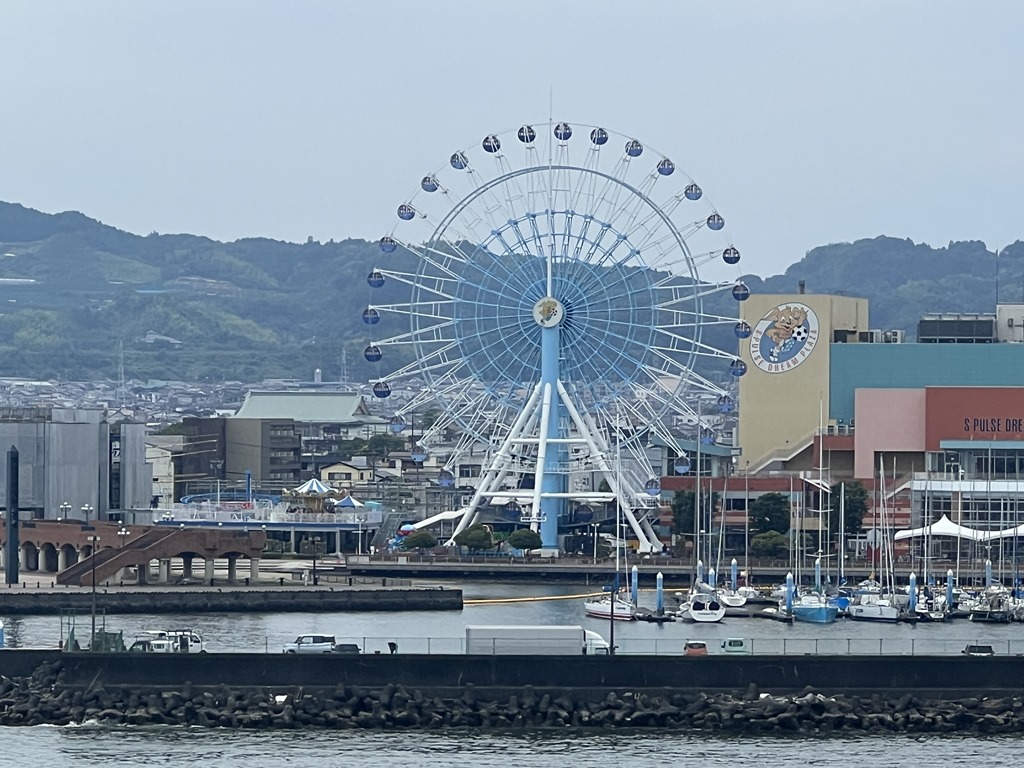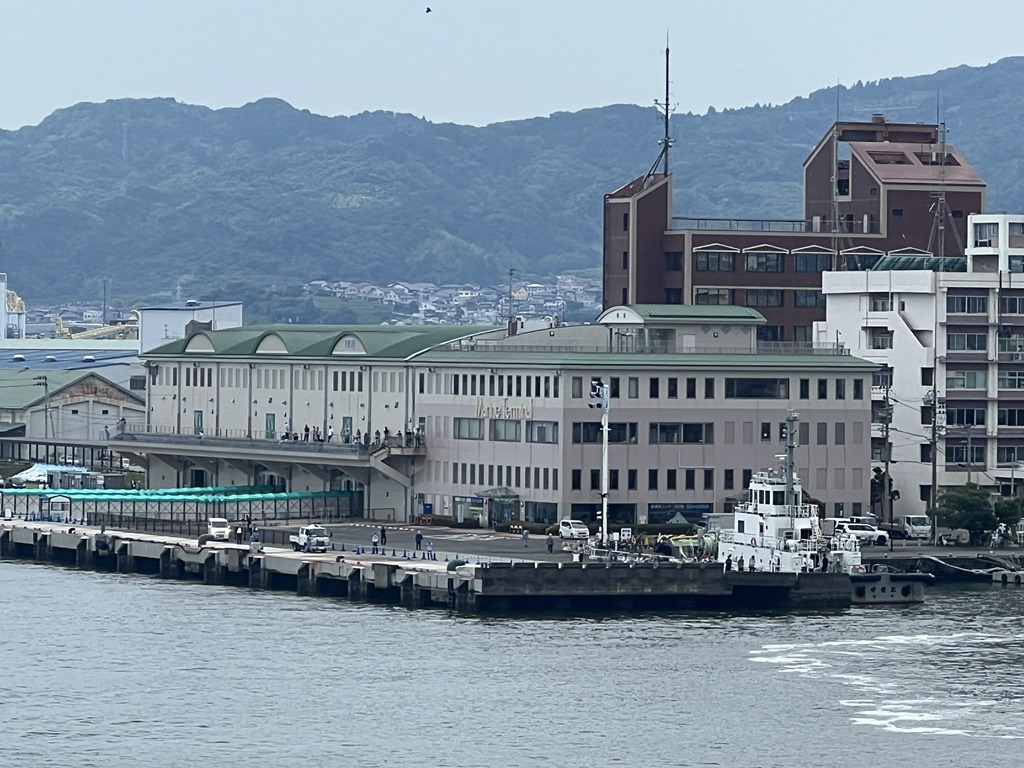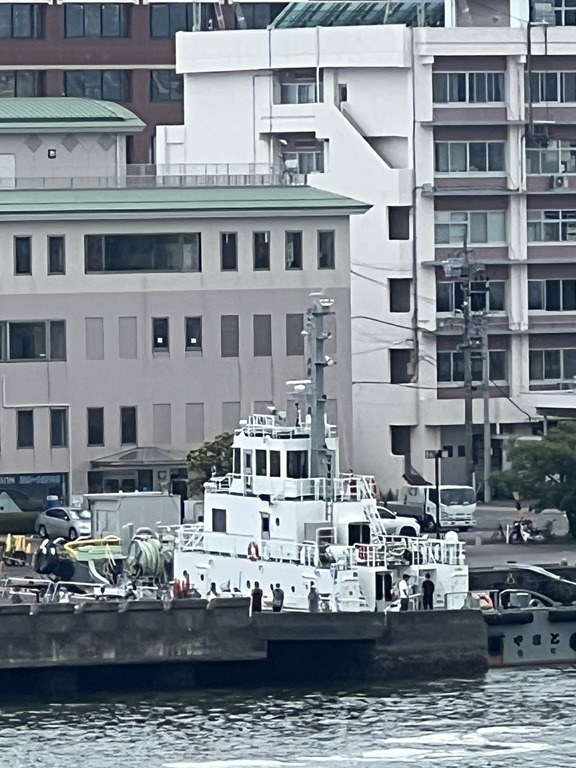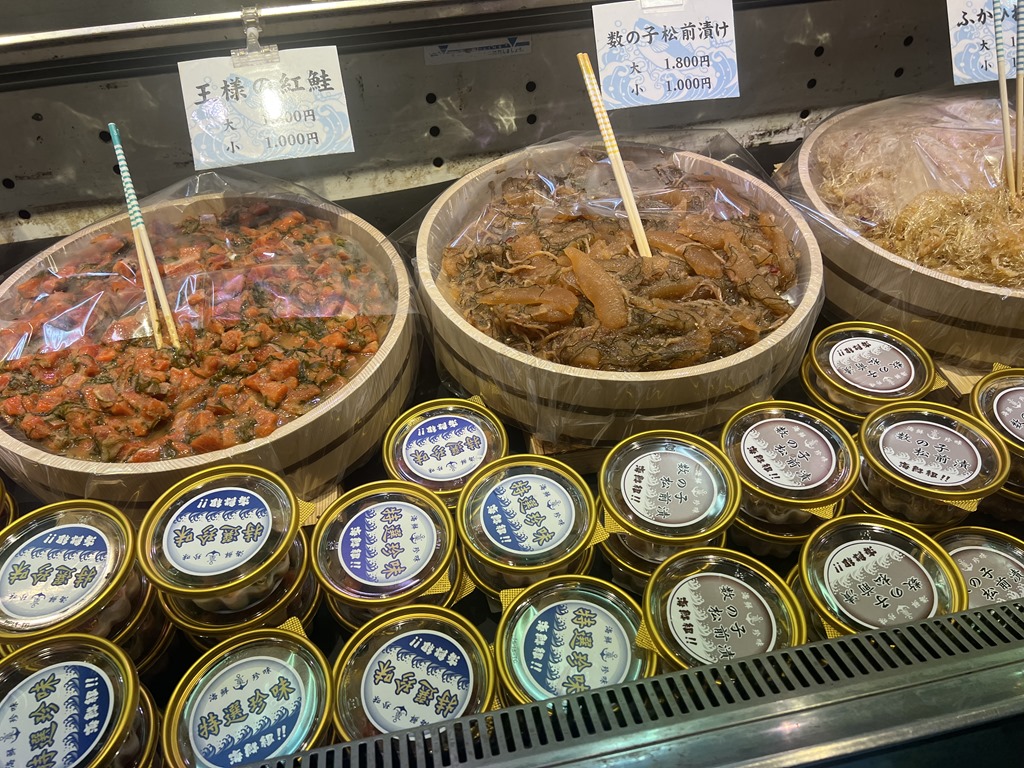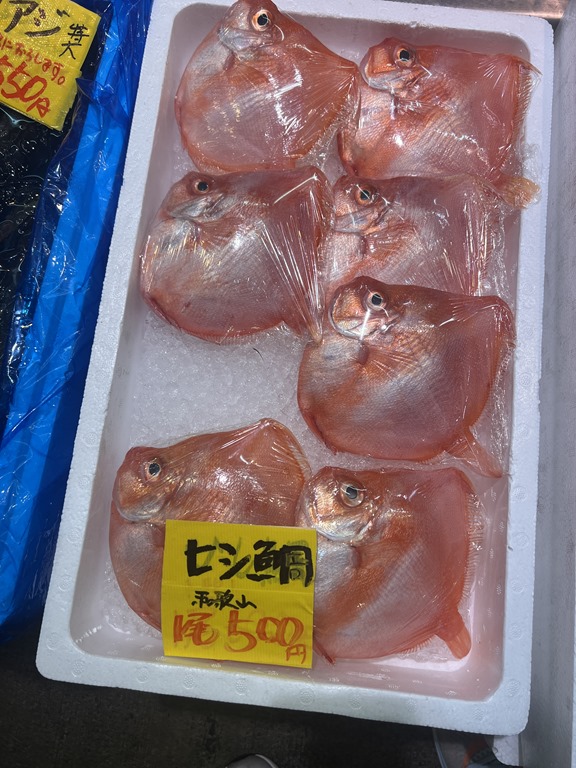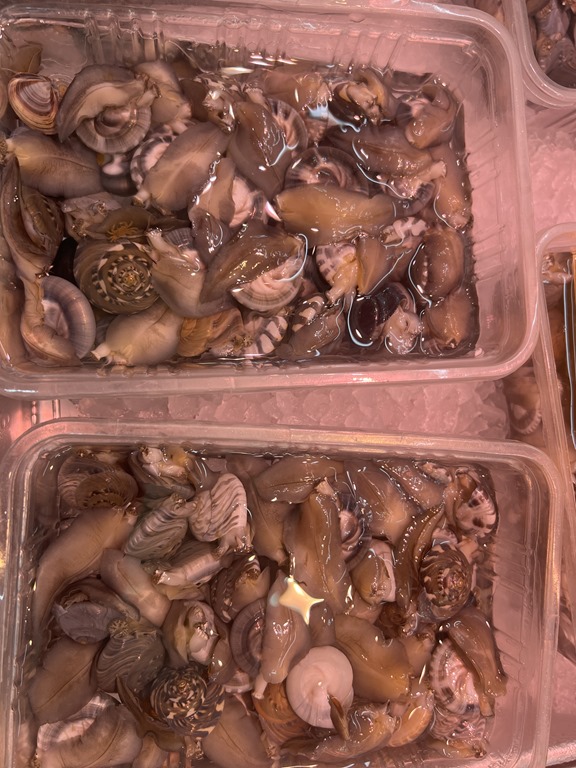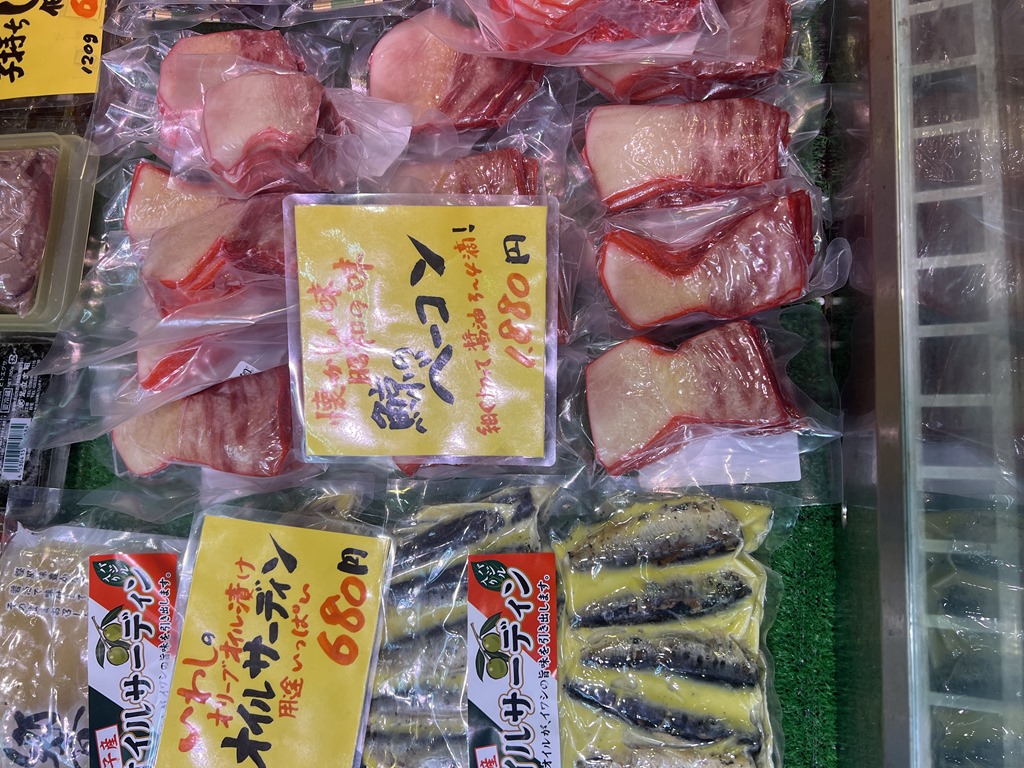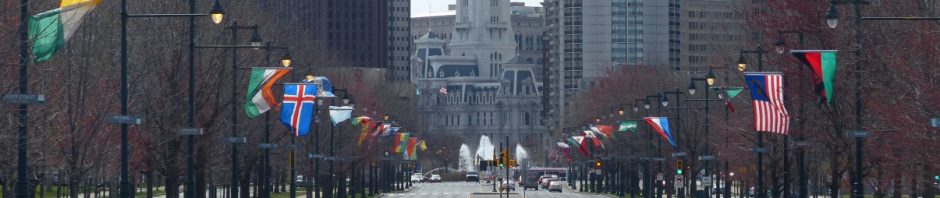
Kushiro, Japan

June 25, 2023

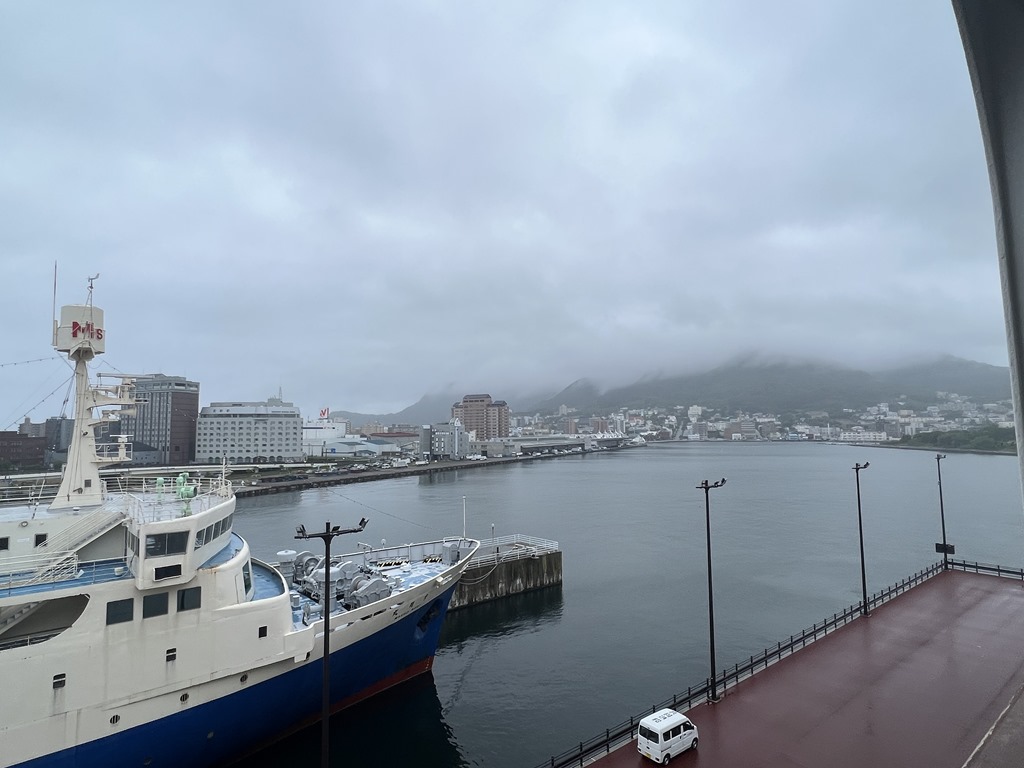
This is our last port in Japan before we begin the 5 day journey across the Pacific to Alaska. We do cross the international date line so we will actually be moving forward 7 hours, and having an extra day, June 28. I know that we will all be pretty tired when we get there.

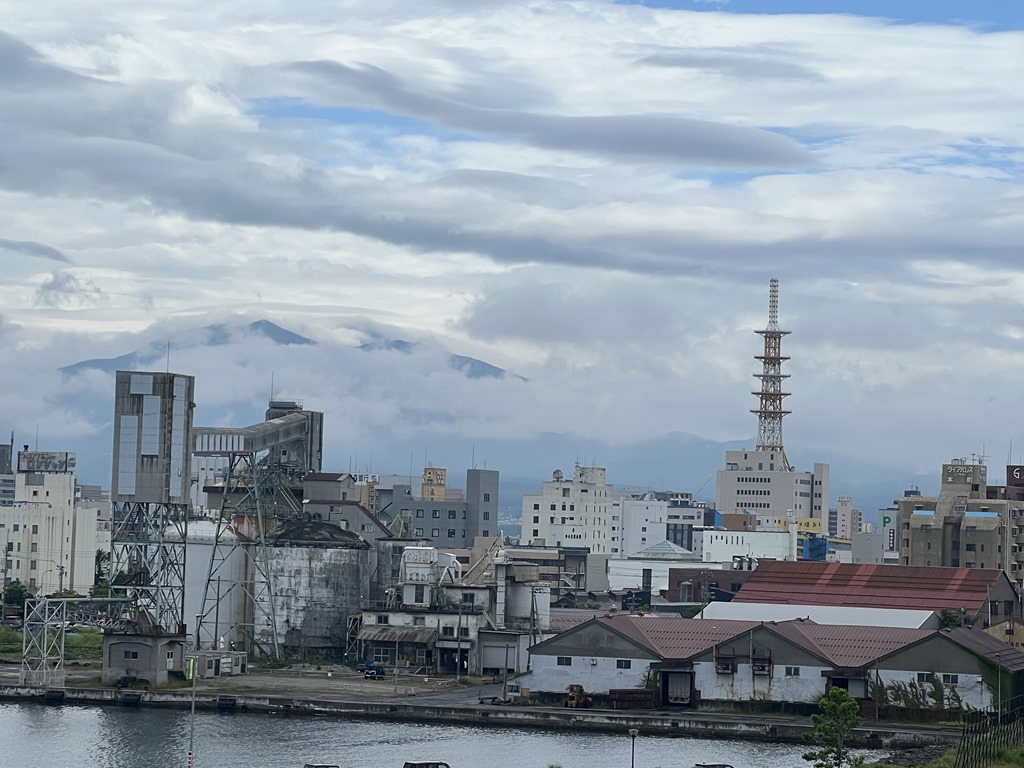
It was a beautiful day when we docked at 7 AM, cool and crisp.

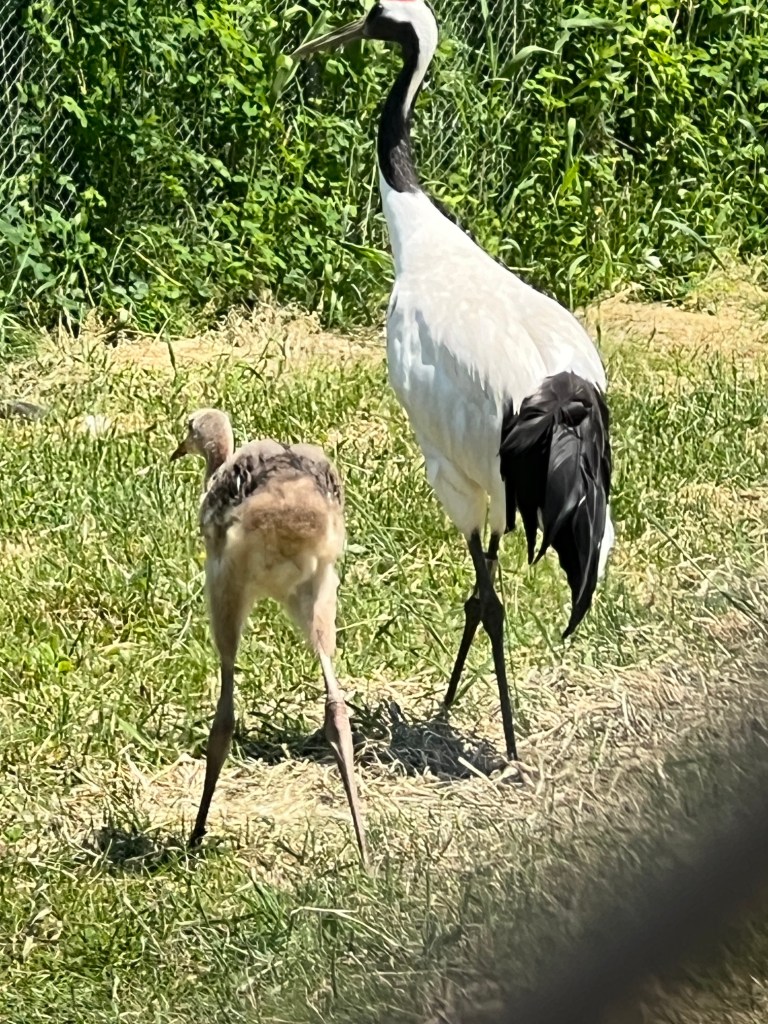
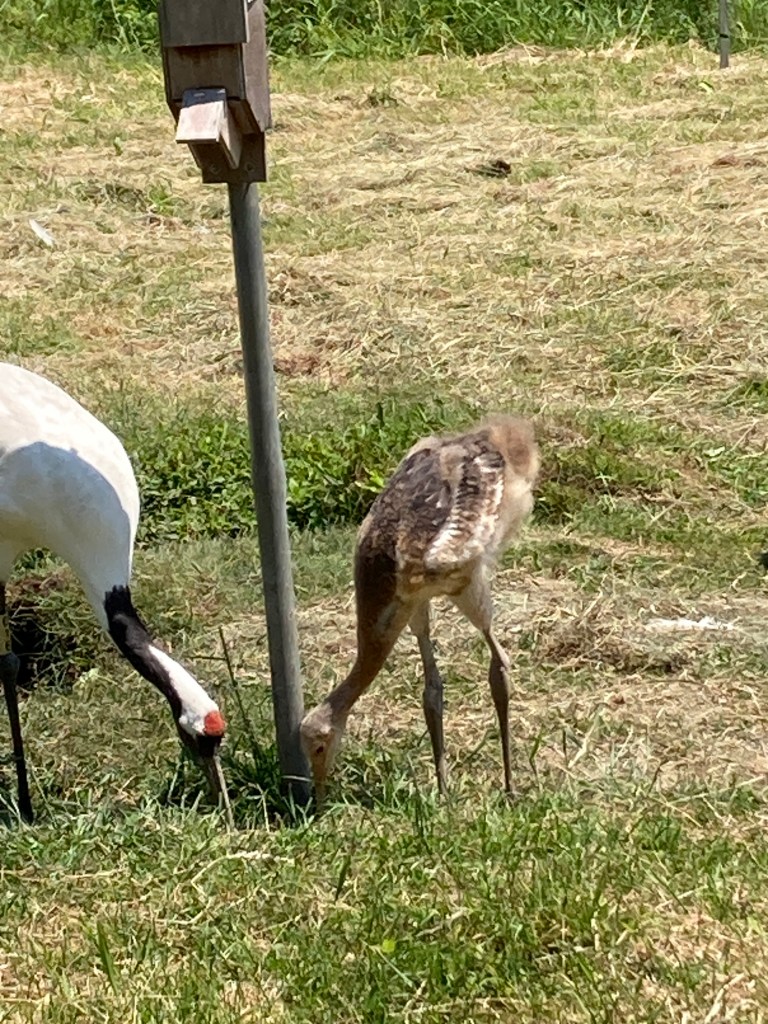
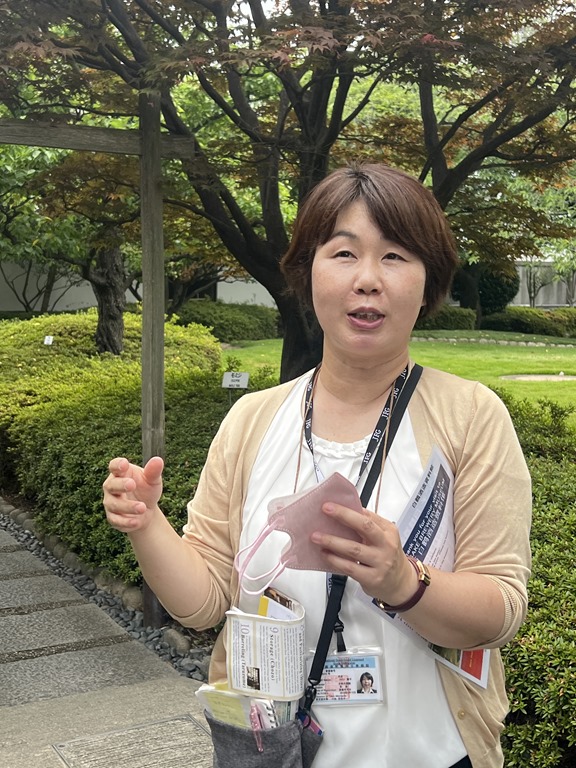
Our tour today was the Crane Reserve and the City Museum. Our guide was Mayumi. She gave us a lot of information about the red crown crane which is considered very special in Japan. They believe that these cranes live for 1000 years which signifies longevity. And they do mate for life, so this crane is embroidered in the wedding garments here in Japan. It is also the symbol of Japan Airlines.

Kushiro is on the same latitude as Portland Oregon and has similar weather. The population is 160,000. It is the first time our ship has been to this port. Mayumi said that they get 10 ships a year.

On the way to our first stop, the museum, we saw beautiful scenery, very immaculate landscapes and nice Japanese homes. While the cities are very populated as compared to this island of Hokkaido, everything in this country is pristine. We noticed that Japanese men wore suits and dressed quite formally for work when we were here in the past. This time, most of the men were in white shirts, suit pants but no jacket. Our guides have told us that it is to keep the air conditioning at a higher temperature to save energy. They are very fond of the company UniQlo and can buy the shirts for $10 US. They are less concerned with other brands now.

The city museum was built in 1983, designed by local architect Mozuna Kiko to resemble a crane with outspread wings. The design symbolizes the rare population of Japanese cranes.
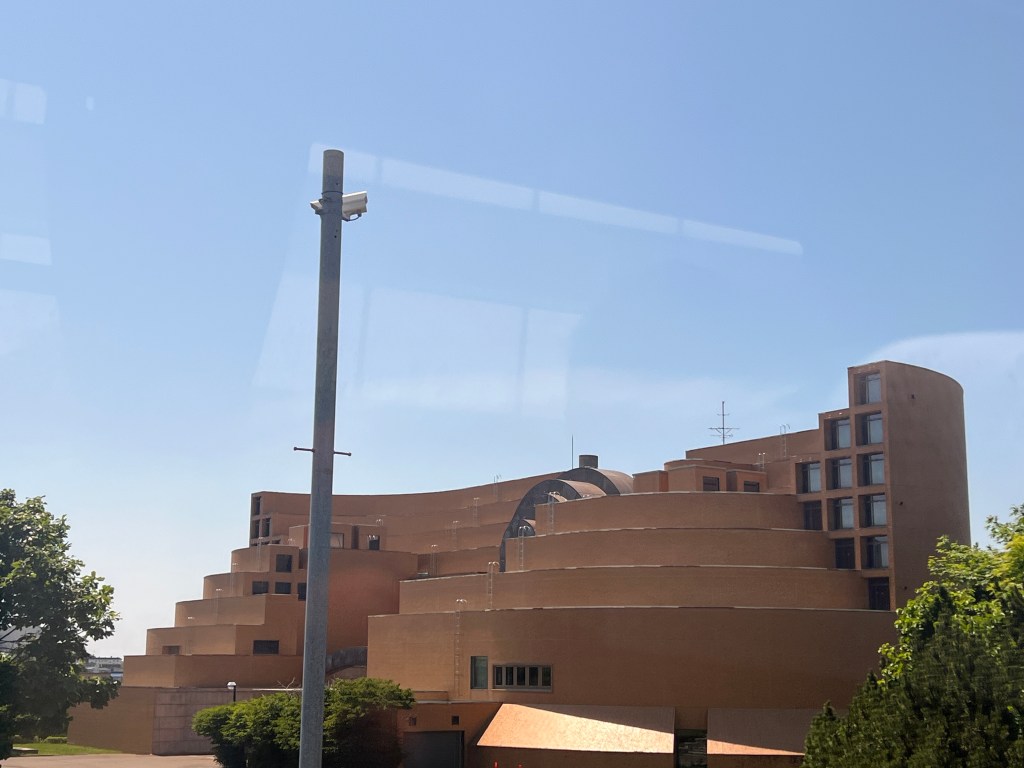
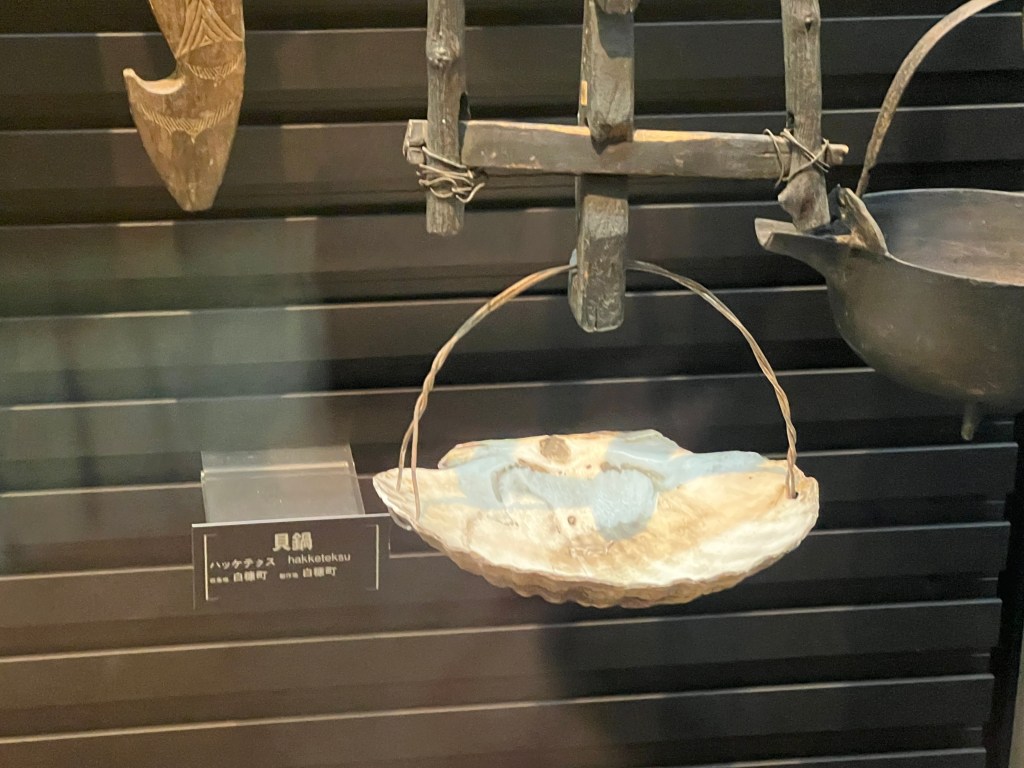
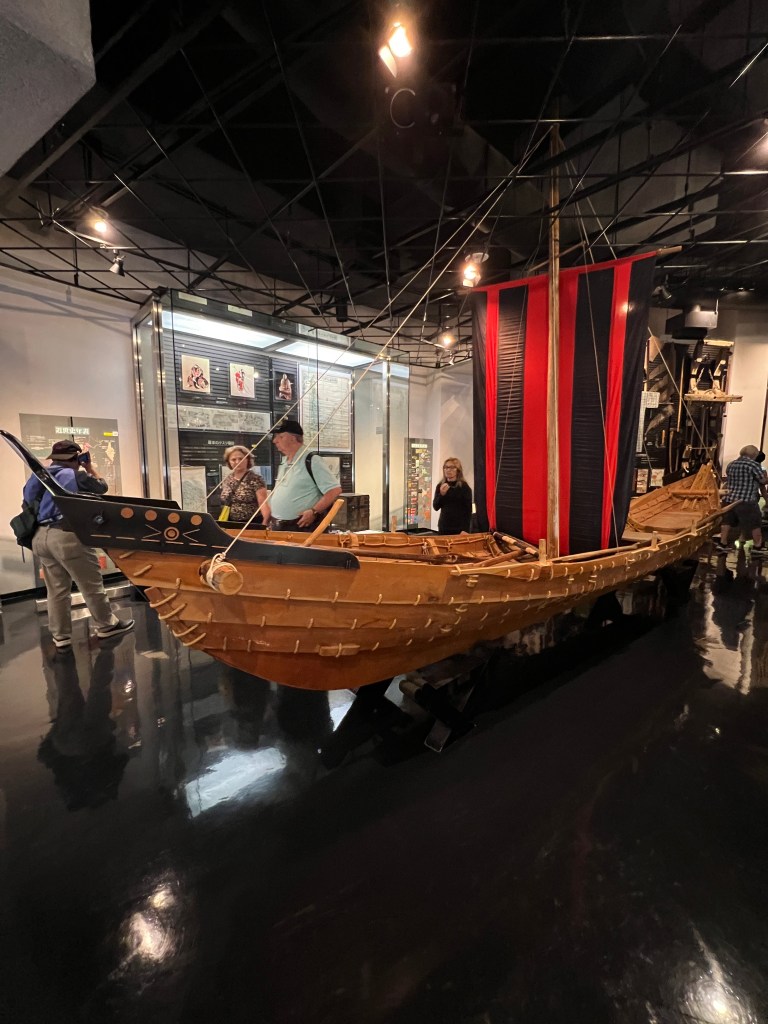
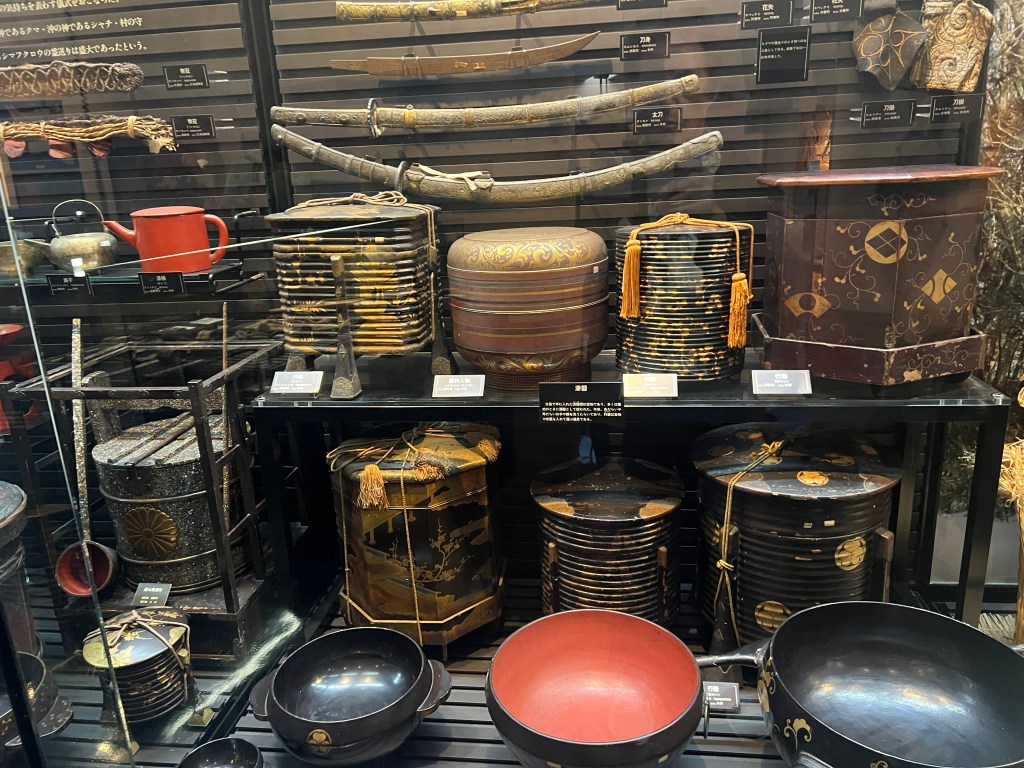
The museum tells the story of Kushiro from prehistoric times to the present day. The early culture, Ainu, is well represented. Mayumi told us that they believe in gods for everything, over 10,000 gods. Many are represented by things in nature. The three floors of the museum are divided into the development of Ainu culture and the Japanese crane on the 4th floor, Prehistoric Kushiro to Kushiro in modern times on the 2nd floor and on the 1st floor, the ice age, flora and fauna, and the marimo (algae) and the Pacific Ocean. We thought the museum was very well done. Here are some pictures.
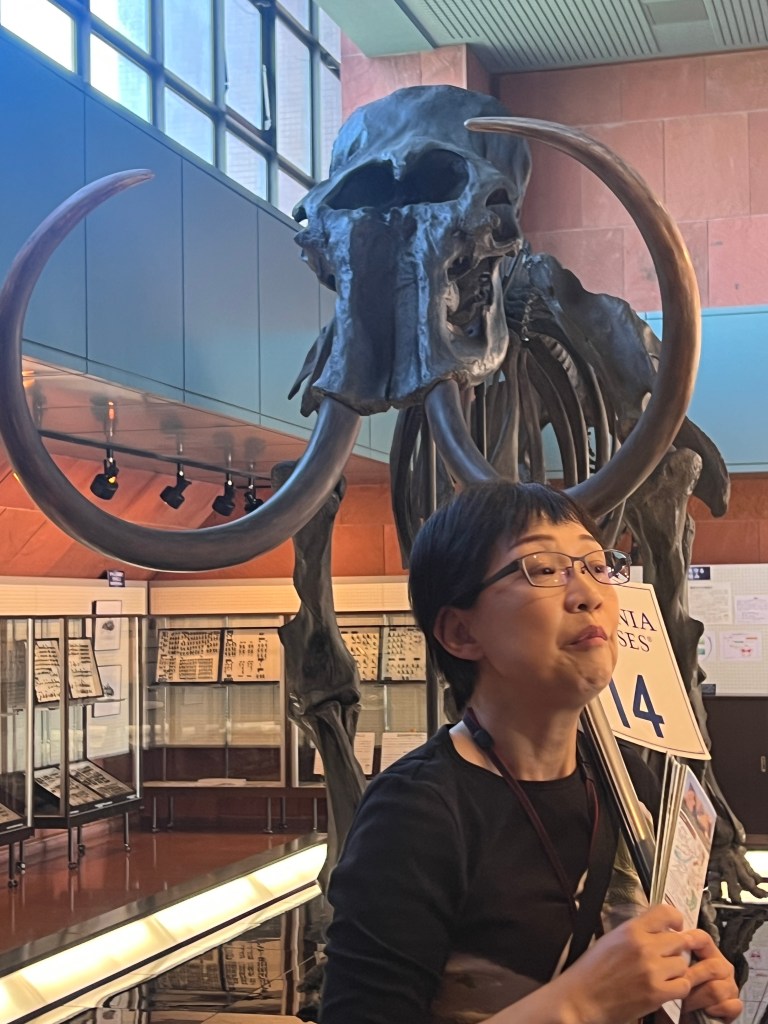
Mayumi and the mastadon skeleton

Between the museum video and the crane reserve, we learned that after the Meiji era (1868-1912) the birds disappeared from view due to their dwindling population. In 1924 more than 10 Japanese cranes were discovered in Kushiro Marsh and local people including school groups have endeavored to protect them ever since. Japanese cranes were designated as a special natural monument of Japan in 1952. There are now 2000 cranes in this area.
After the museum, we went to the Tancho Kushiro Crane Reserve. We had originally wanted to go to the wetlands and this reserve but that tour was sold out. The people who went there didn’t see any cranes and very few birds, so we were glad we did this one.

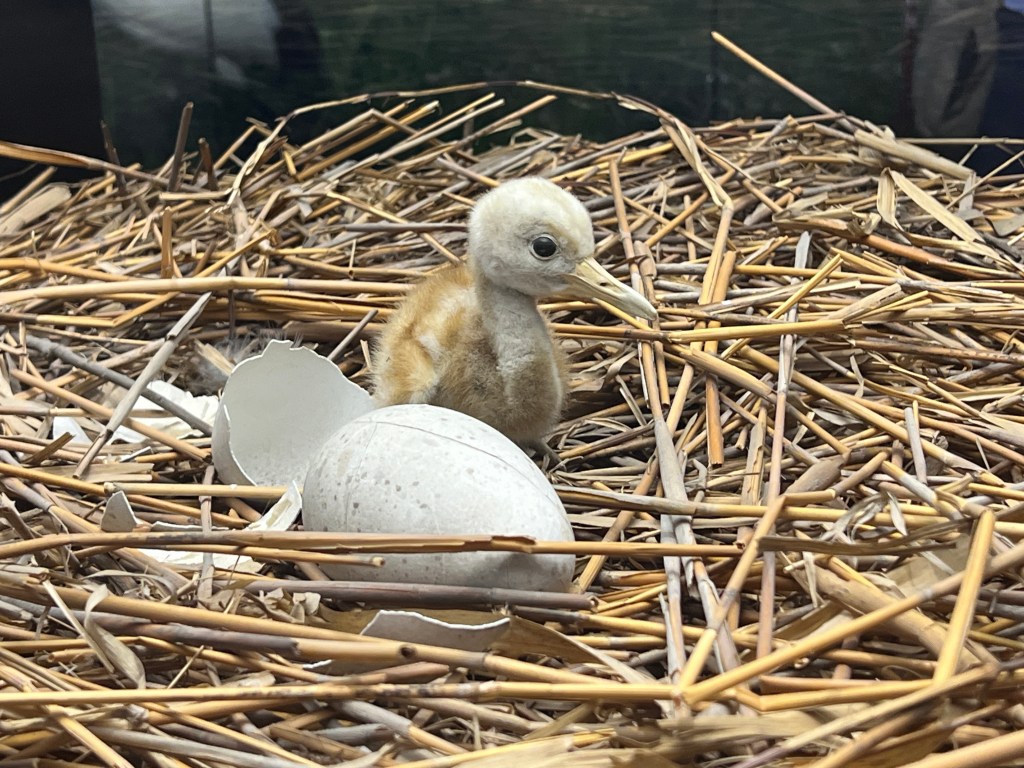
The reserve was opened in August of 1958 with the release of 5 Japanese cranes in the area with the aim of protecting and propagating this endangered species. In the early days, staff at the reserve did not know the ecology of the crane and thus underwent a trial and error learning process. They finally succeeded in natural hatching after 10 years of attempts at reproduction, followed by the success of artificial hatching in 1970. Since then they have bred a number of cranes. At present about 20 Japanese cranes roam the reserve. The reserve has huge enclosures that are their natural habitat where they rehabilitate injured cranes. The cranes live there and do not migrate. Japanese cranes lay 1 -2 eggs and it takes 1 month for them to hatch. Males and females share ithe incubation of the eggs. Once the chicks emerge, it takes 100 days for them to reach the size of their parents and to fly.

Mayumi told us that in Japan, the family name is said first, then the given name. So her name is Brazil Mayumi. Brazil is an unusual name for a Japanese person, so she told us that her husband is Mark Brazil, a well known author.

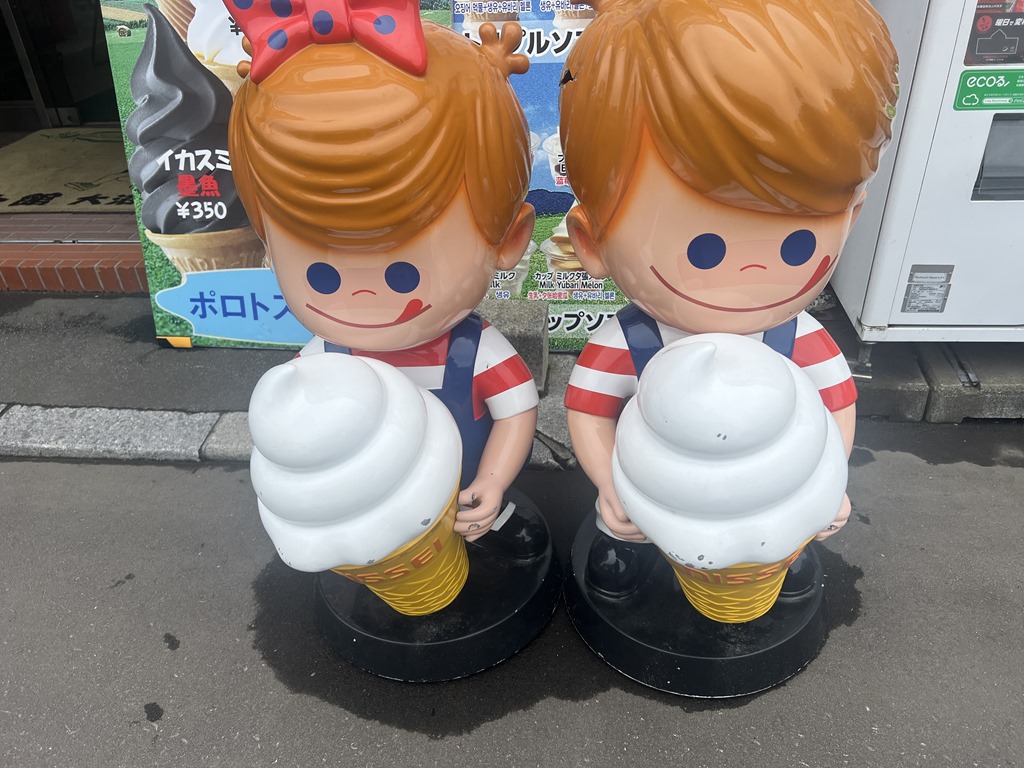
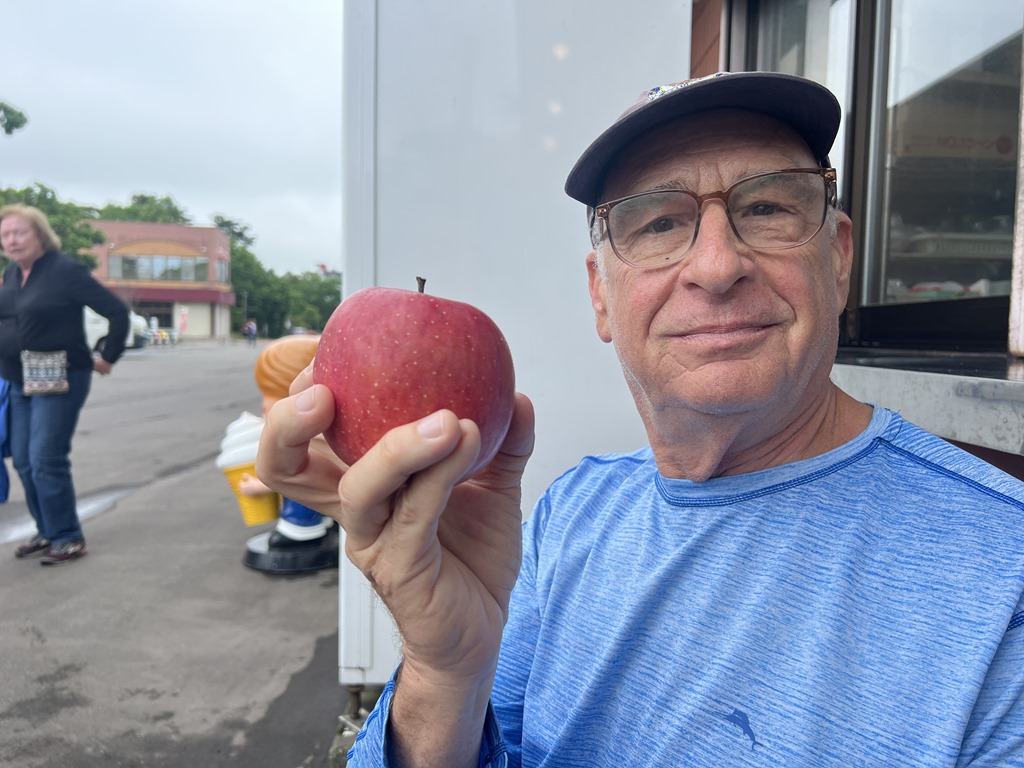
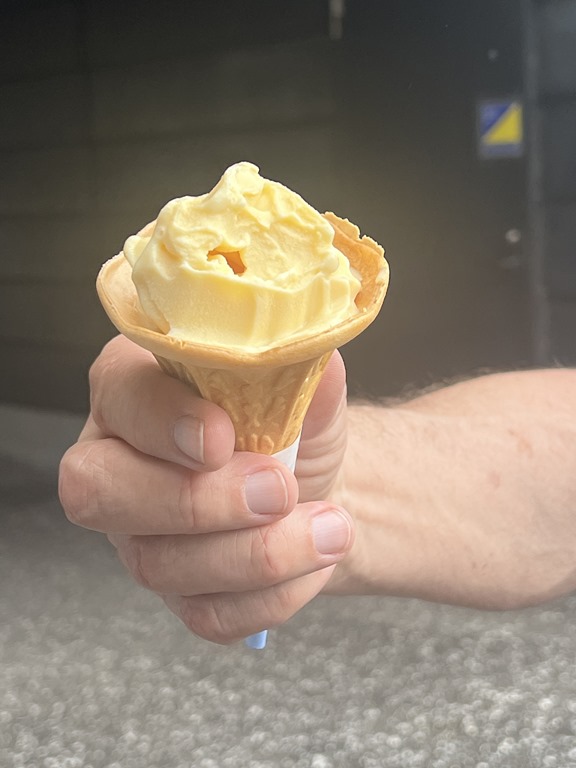
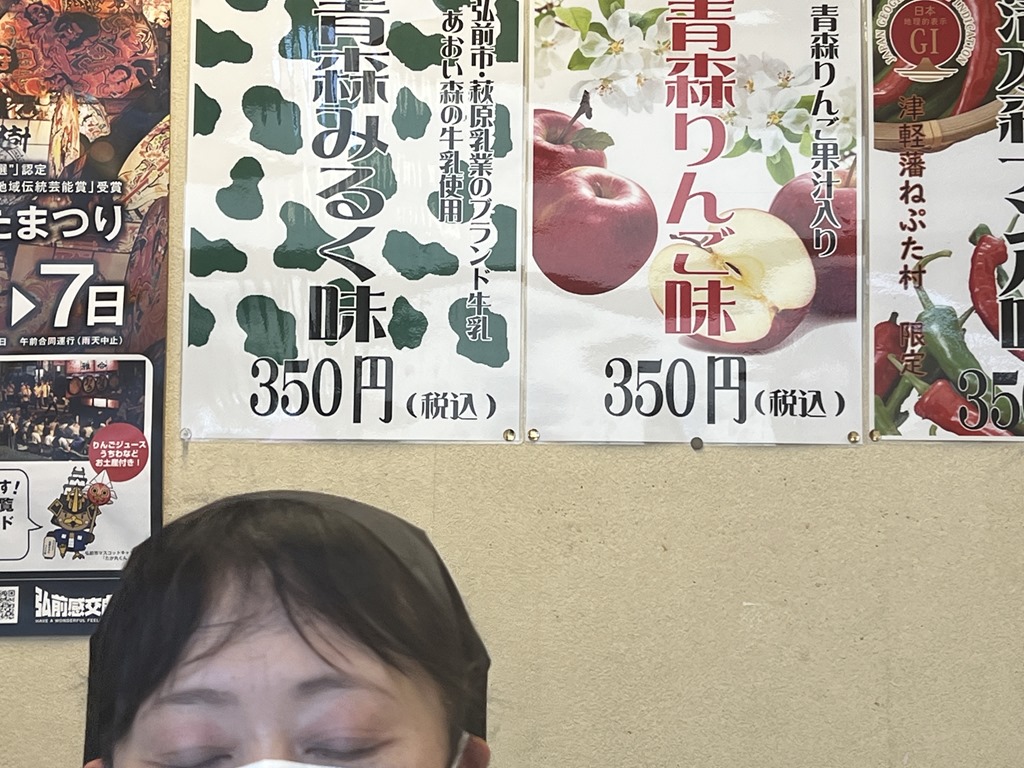
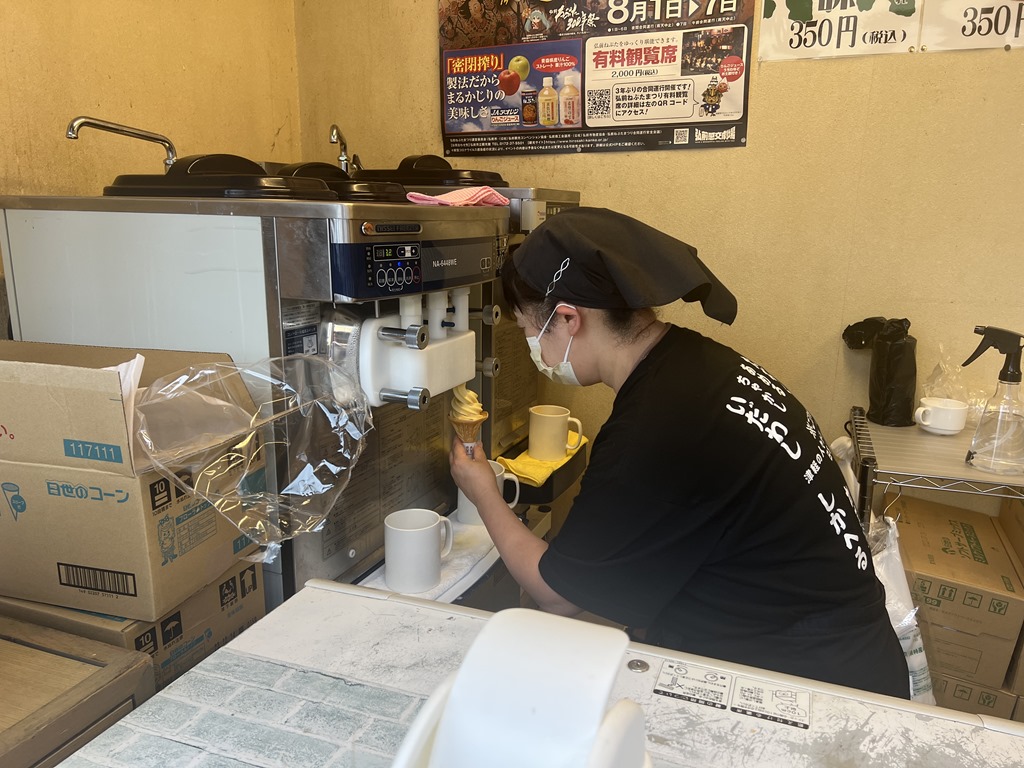
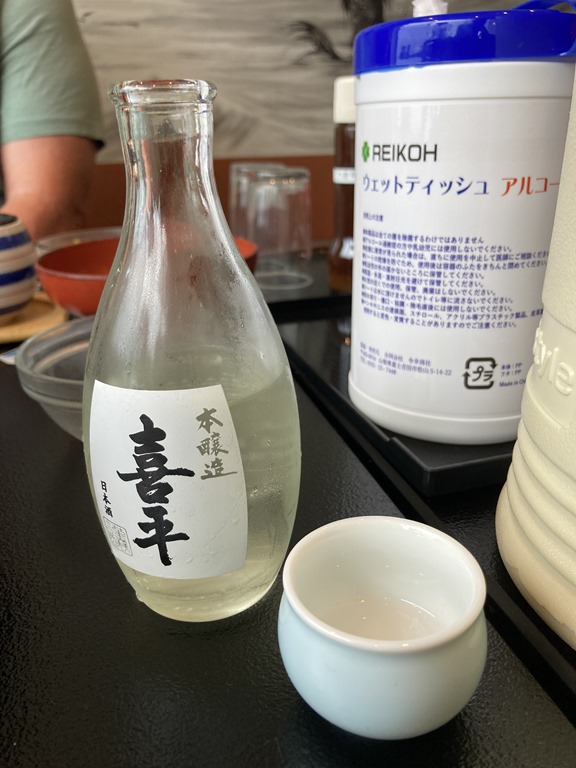
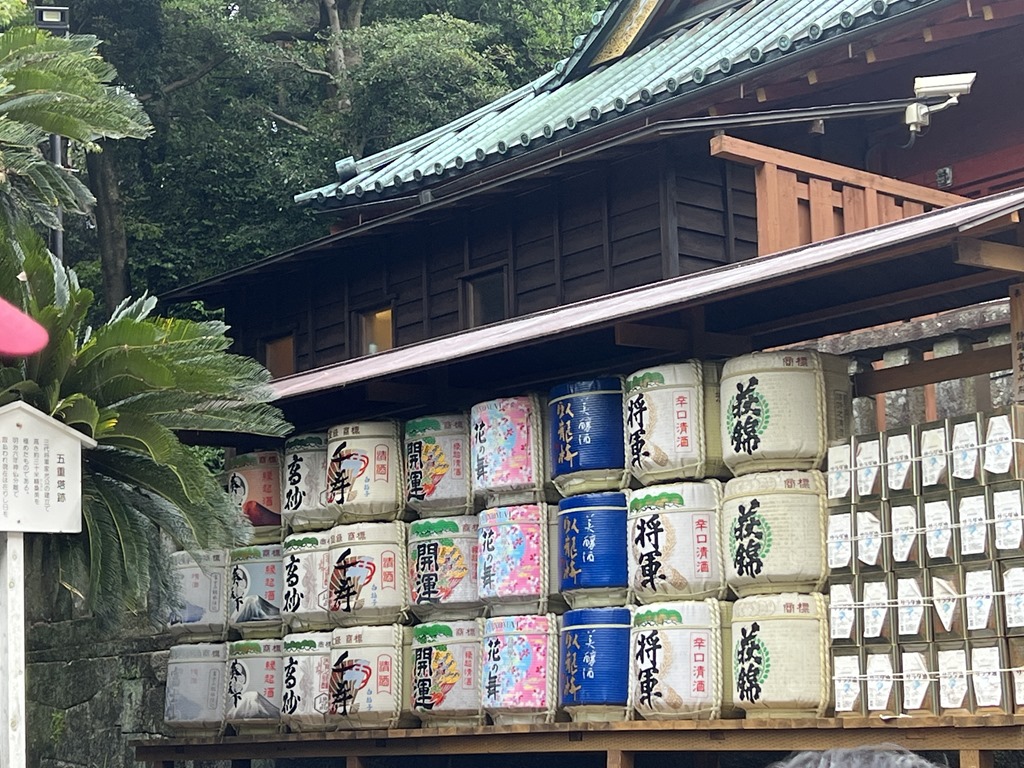
The water and rice here are both delicious and there are many saki breweries. Mayumi said the milk is also extraordinary, so I had a vanilla ice cream at the museum. She was right.

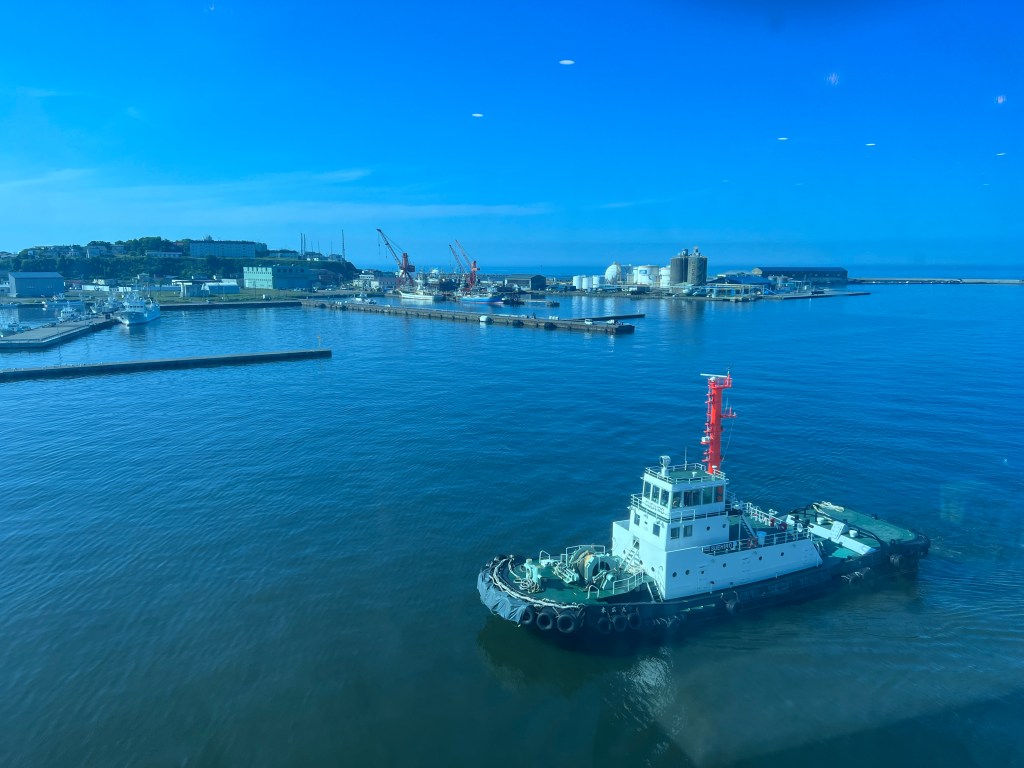
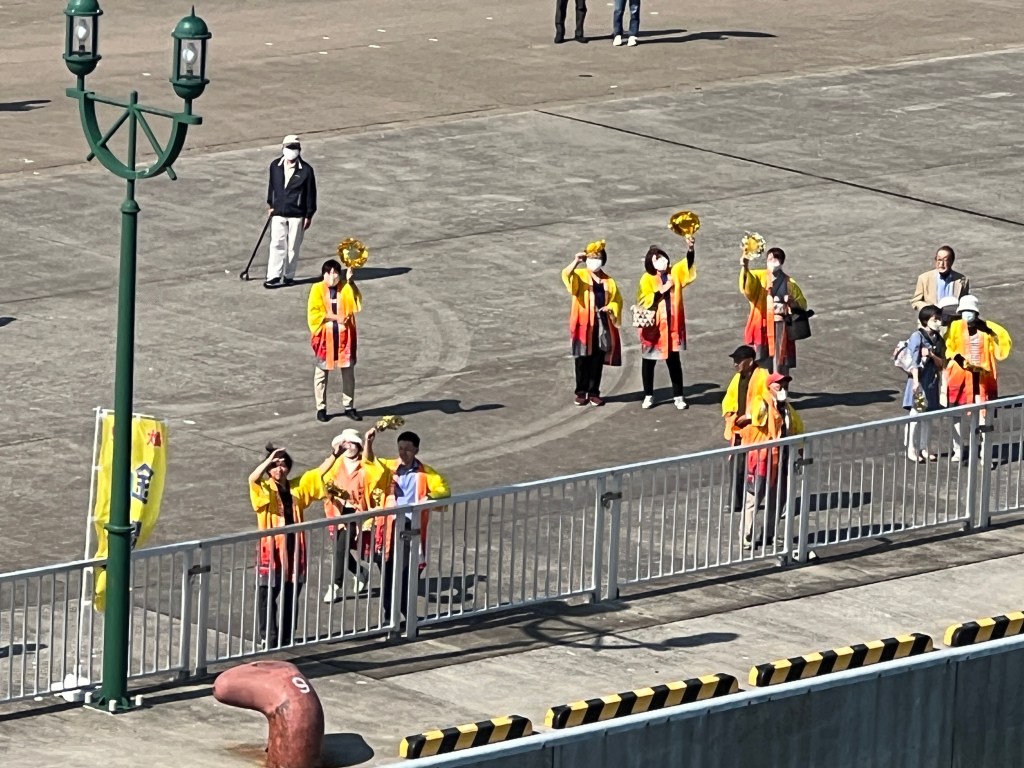
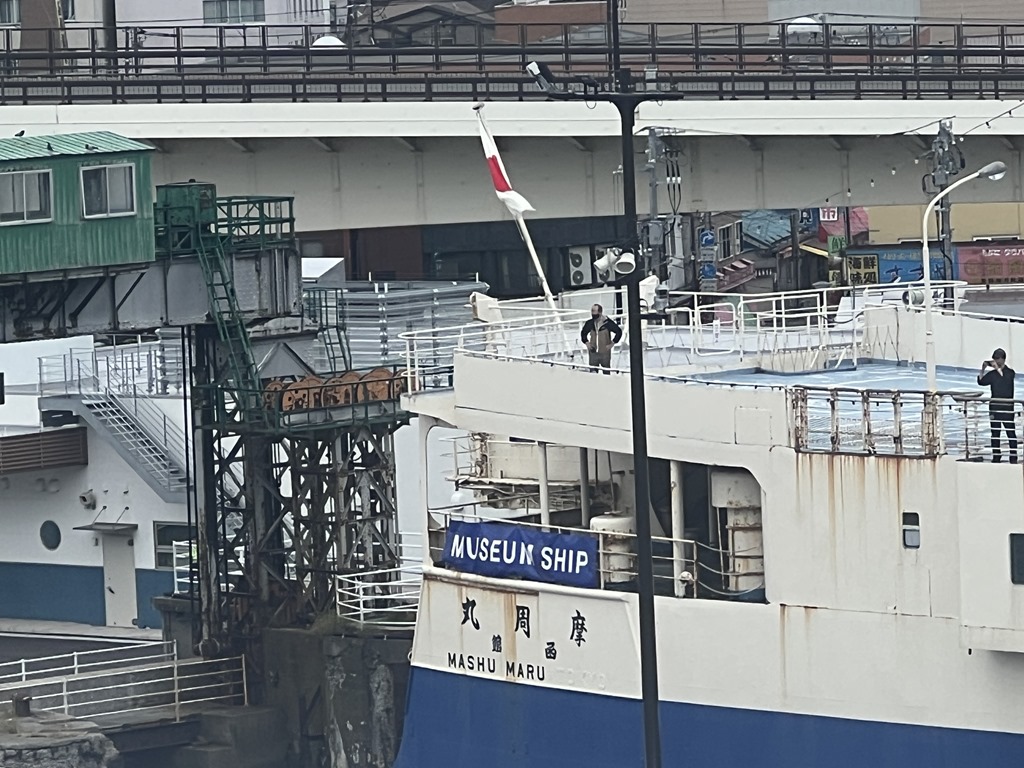
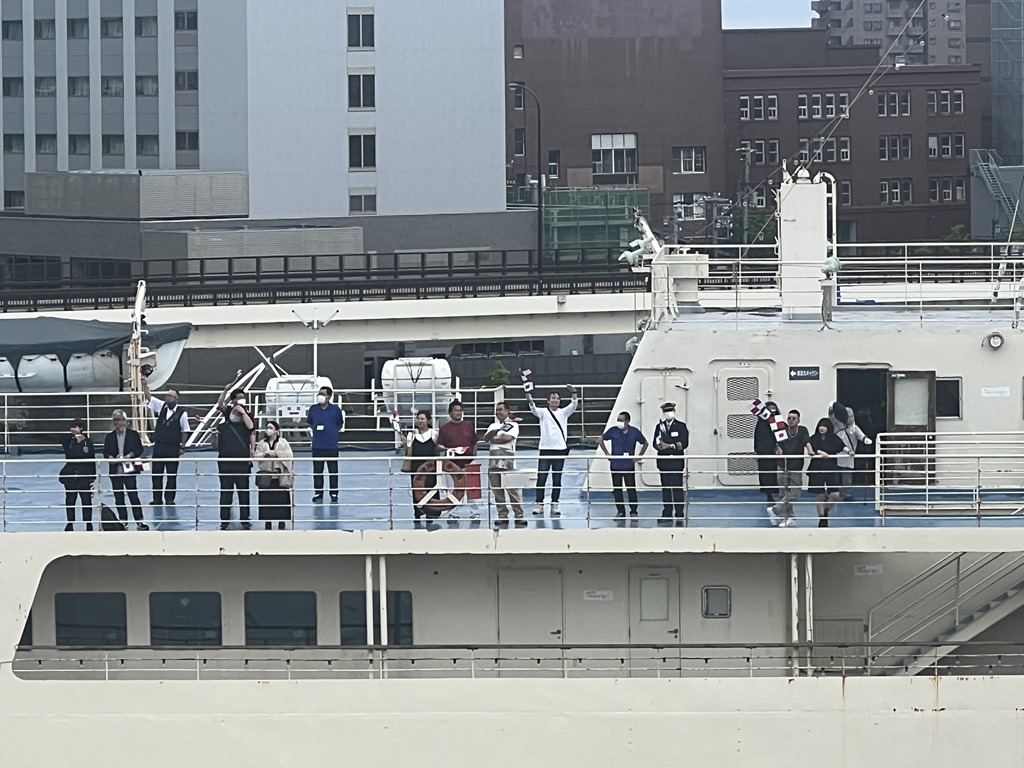
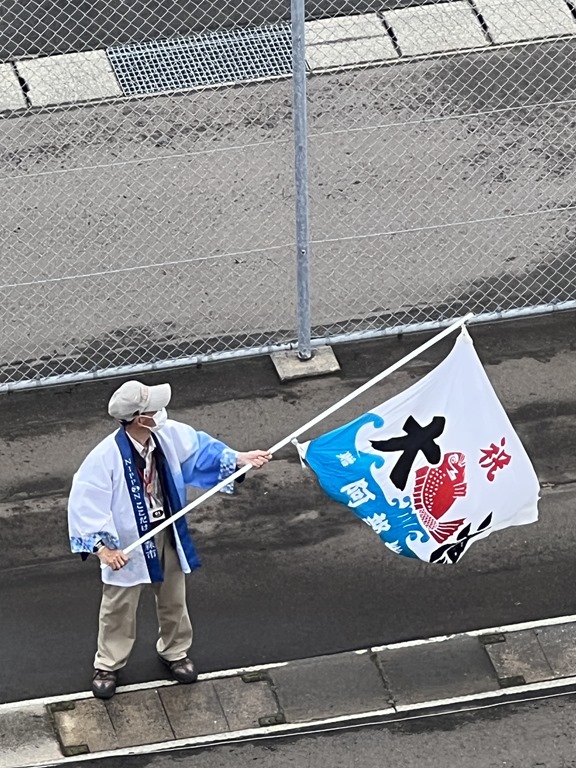
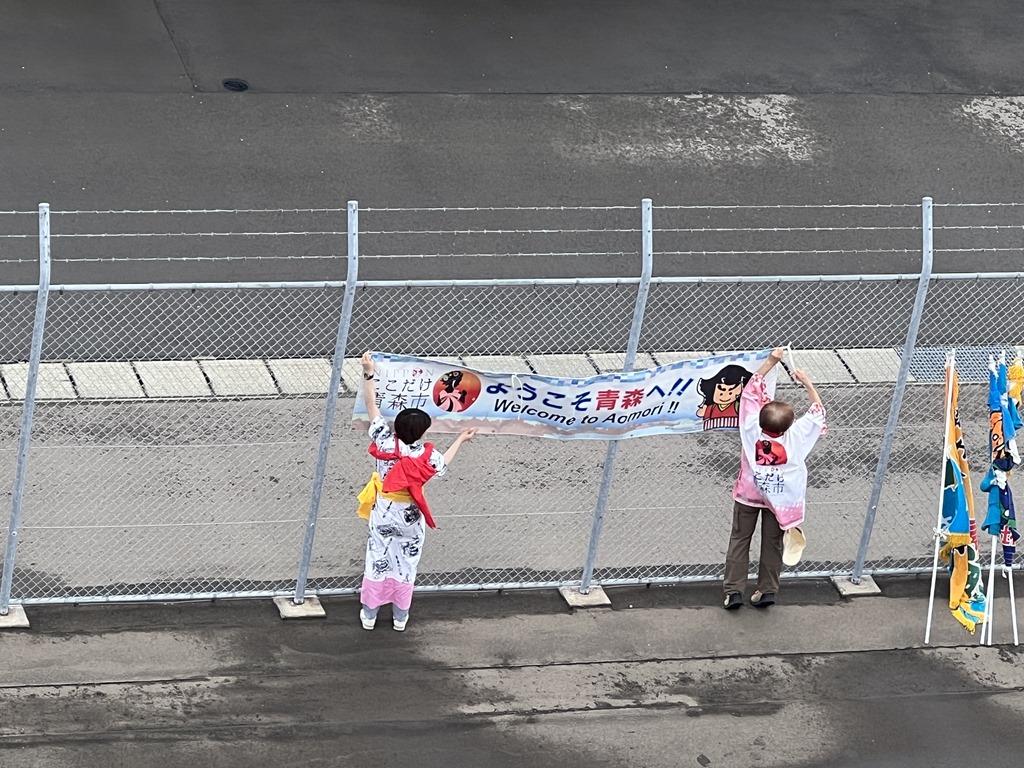
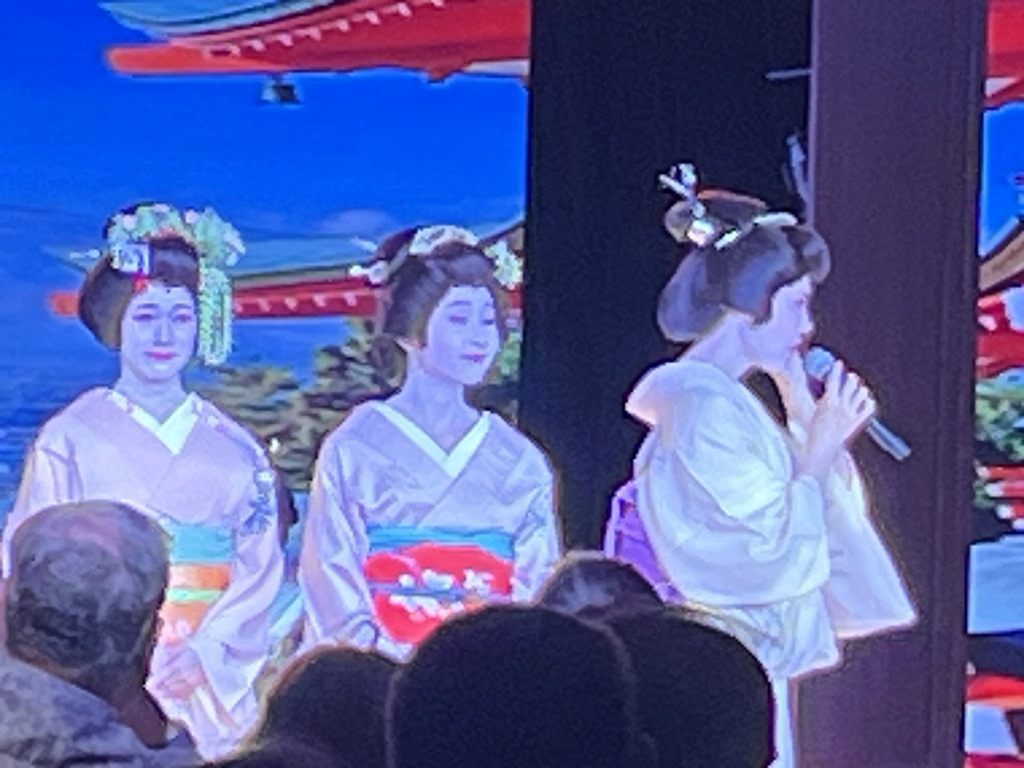
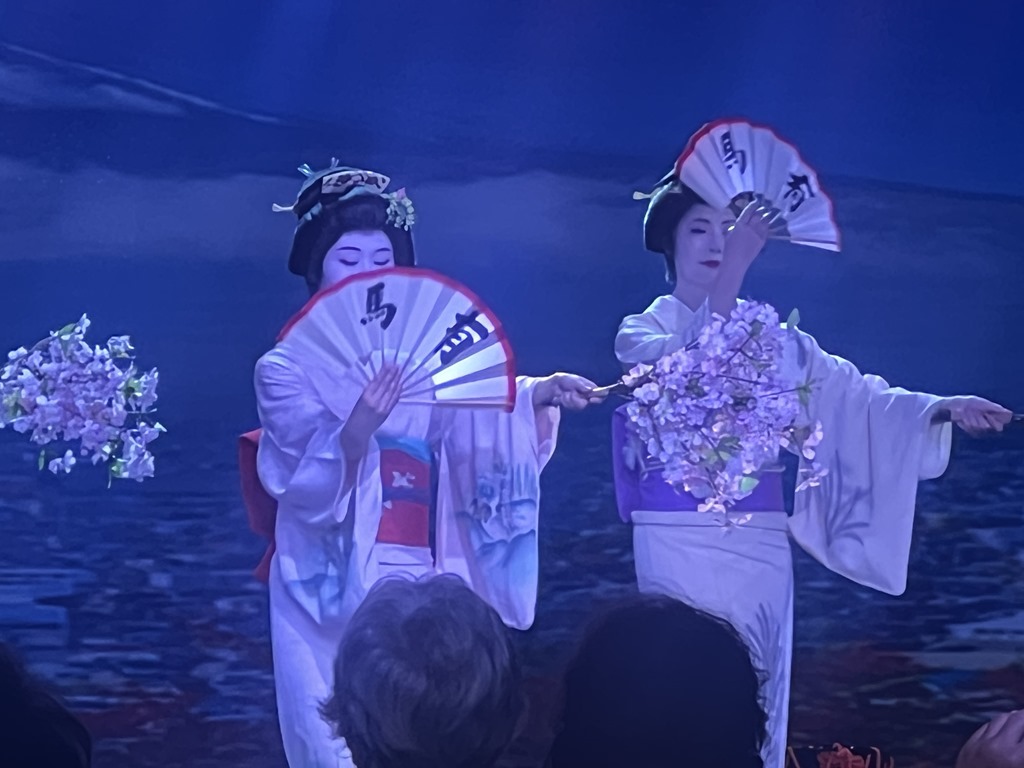
When we got back to the port, there were musicians and dancers waiting to give us a wonderful send off and there were many local people there waving to us. We departed at 3 PM.

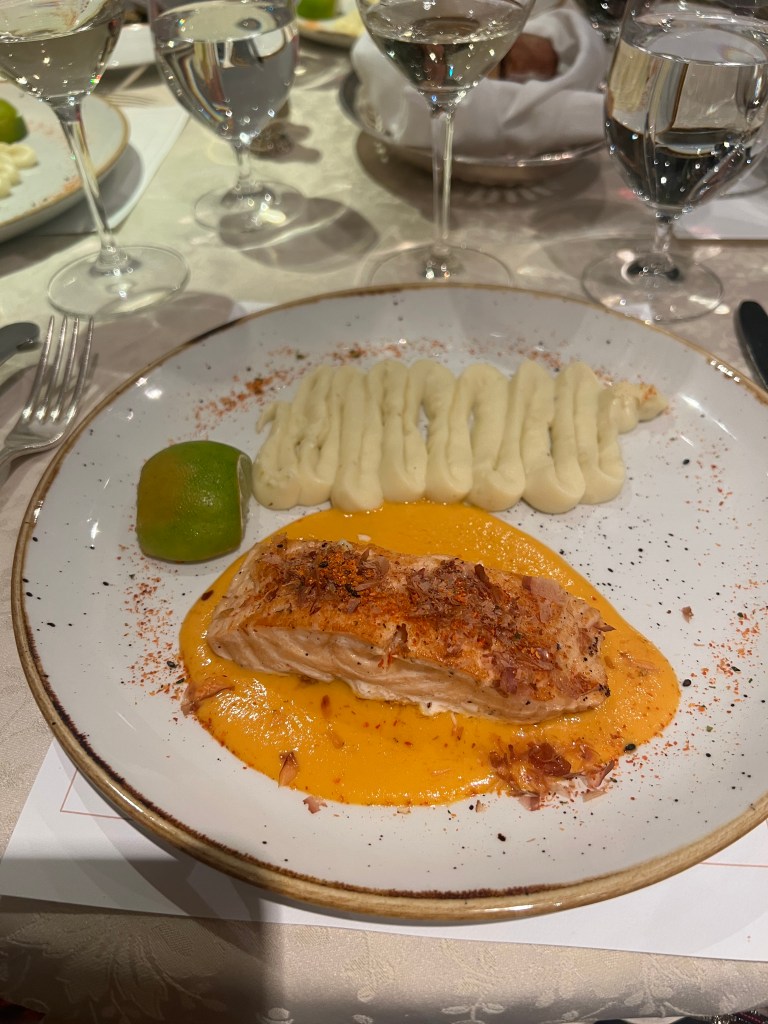
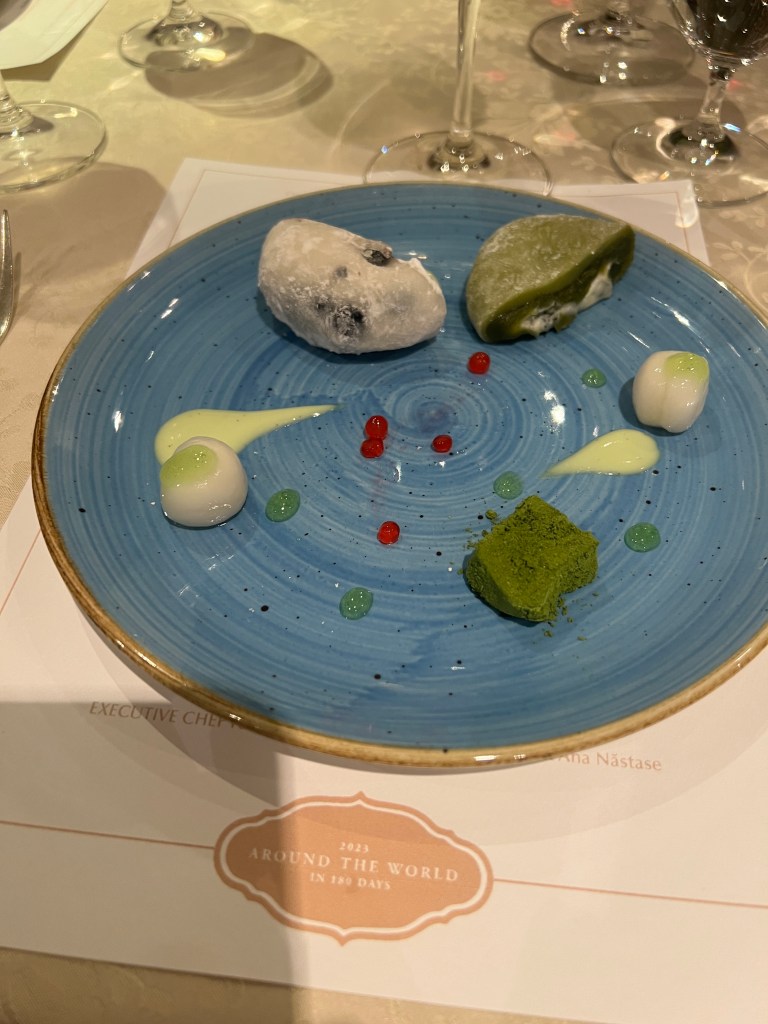
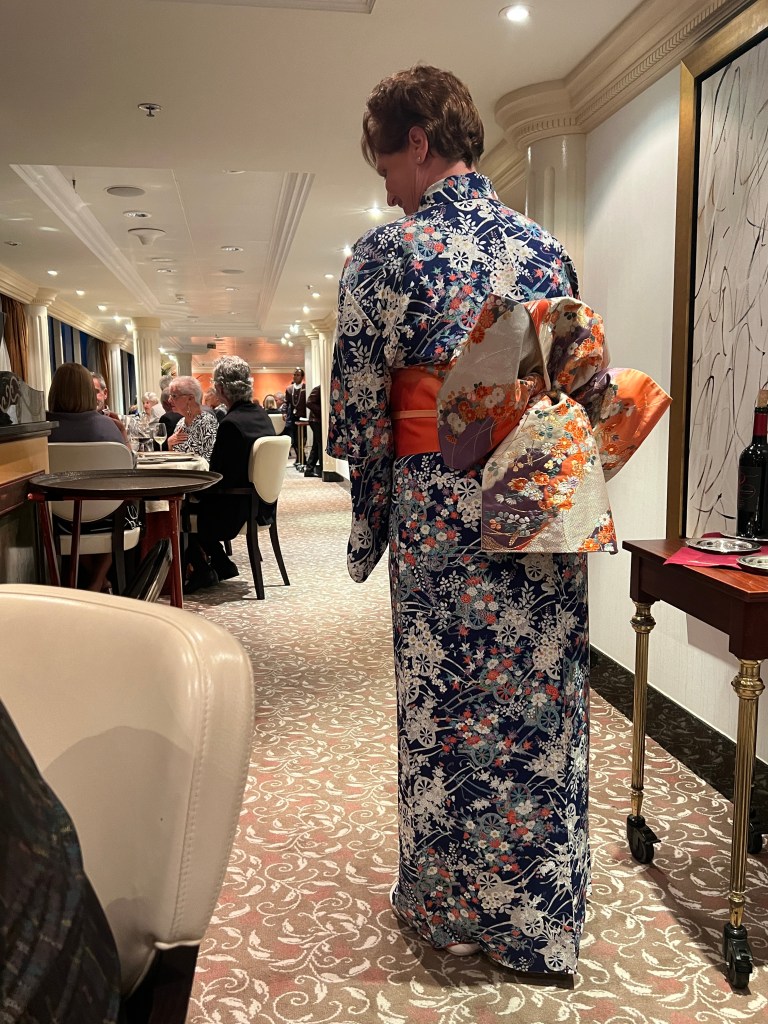
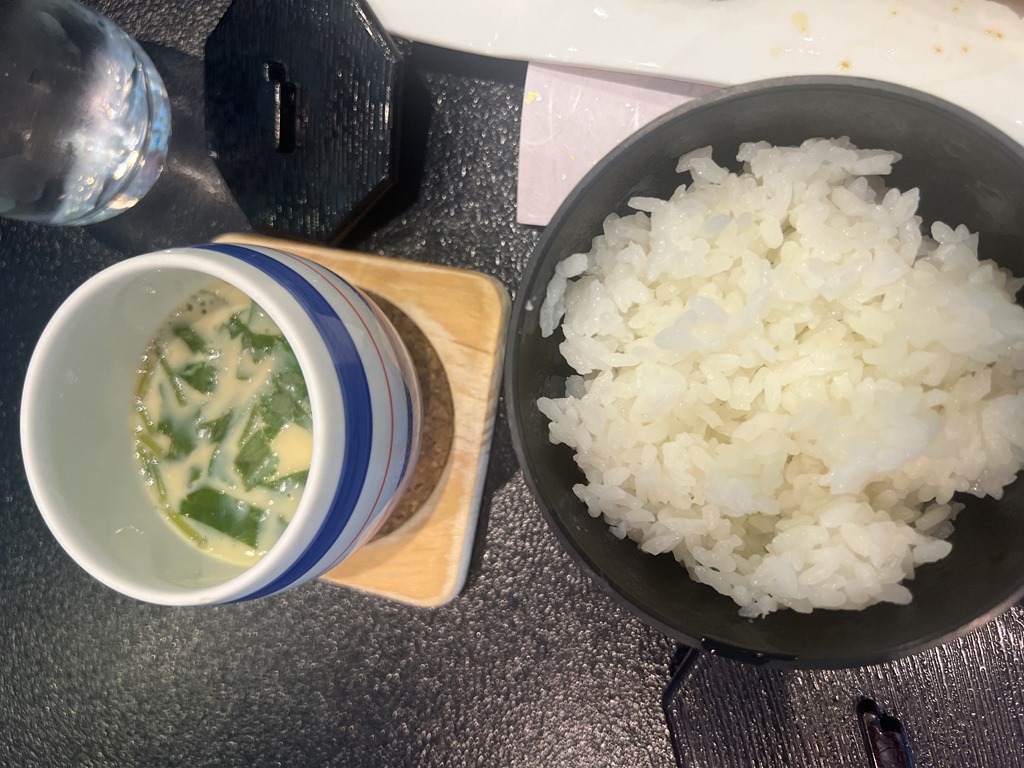
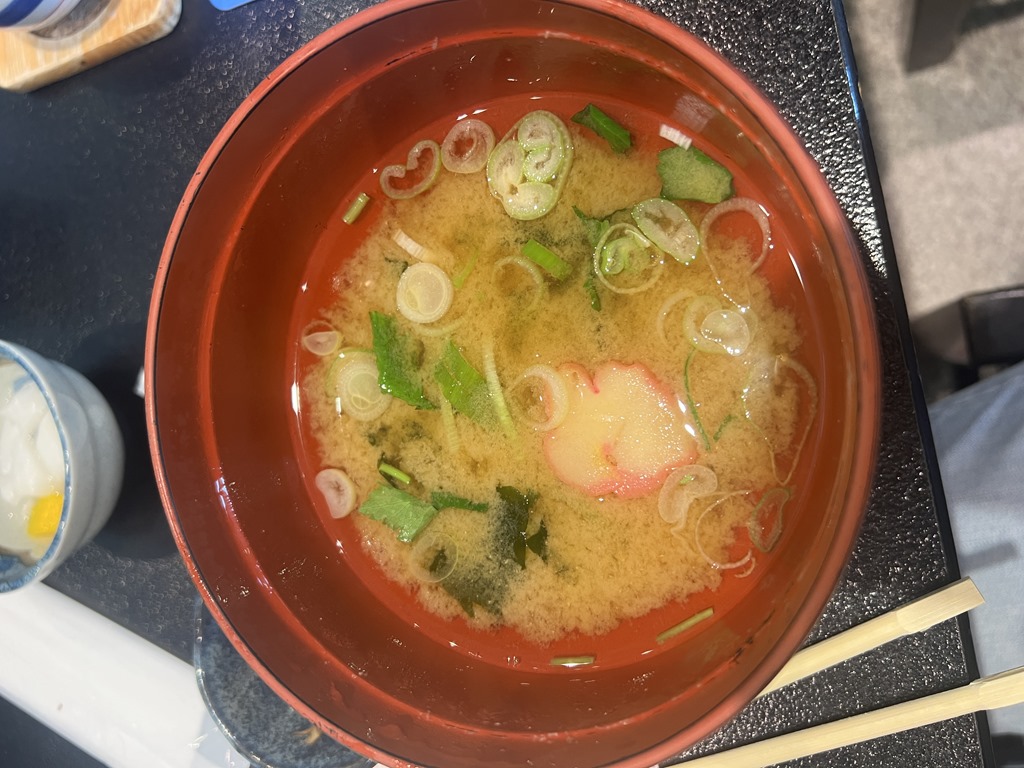
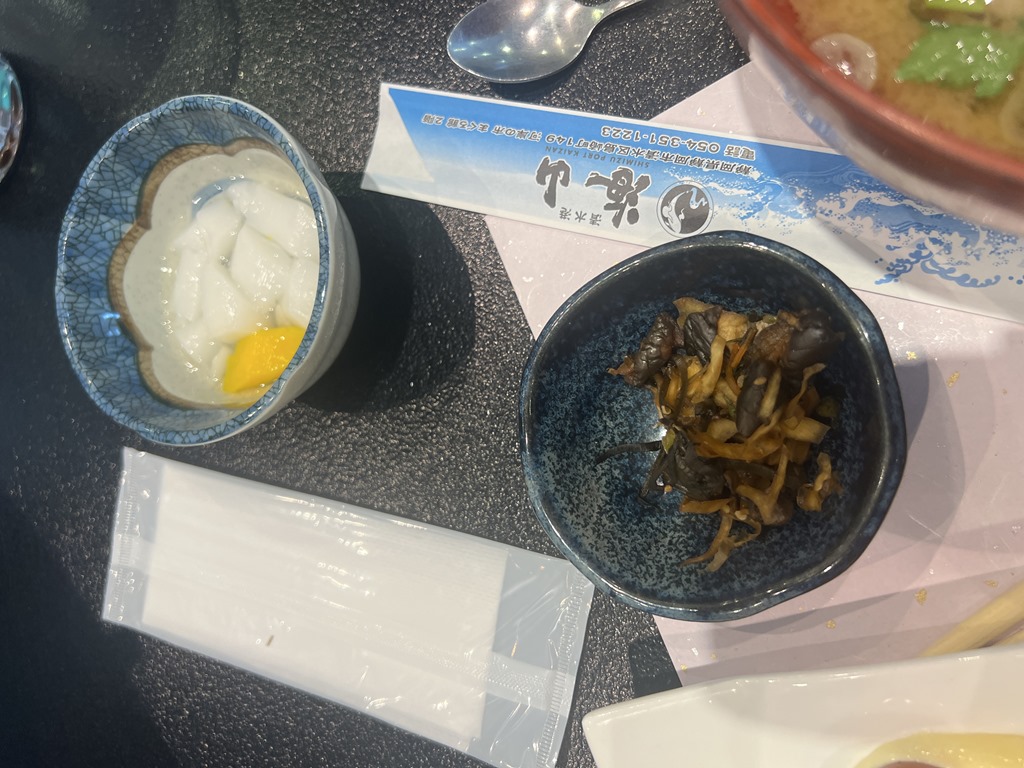
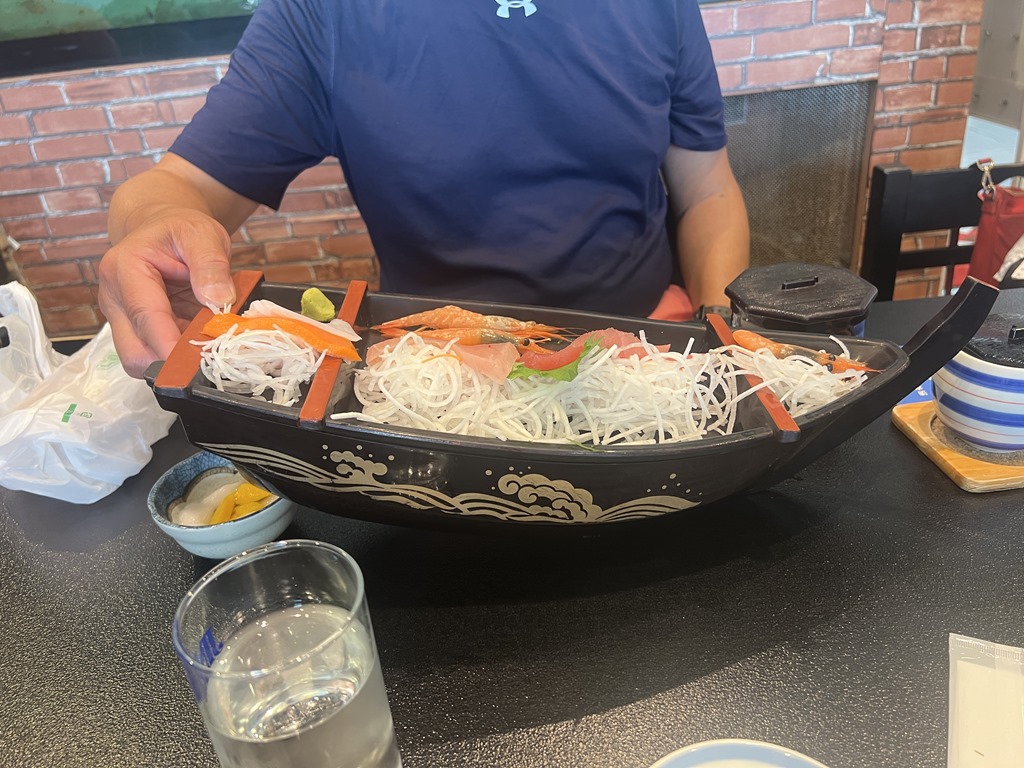
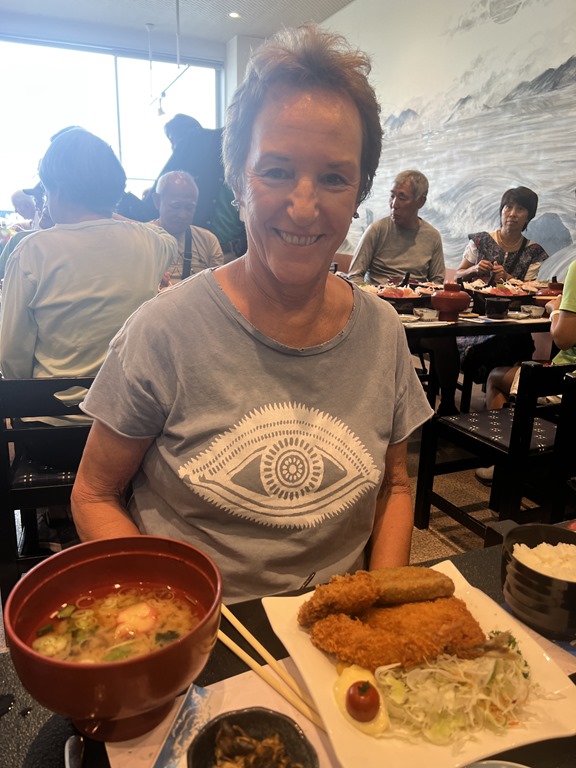
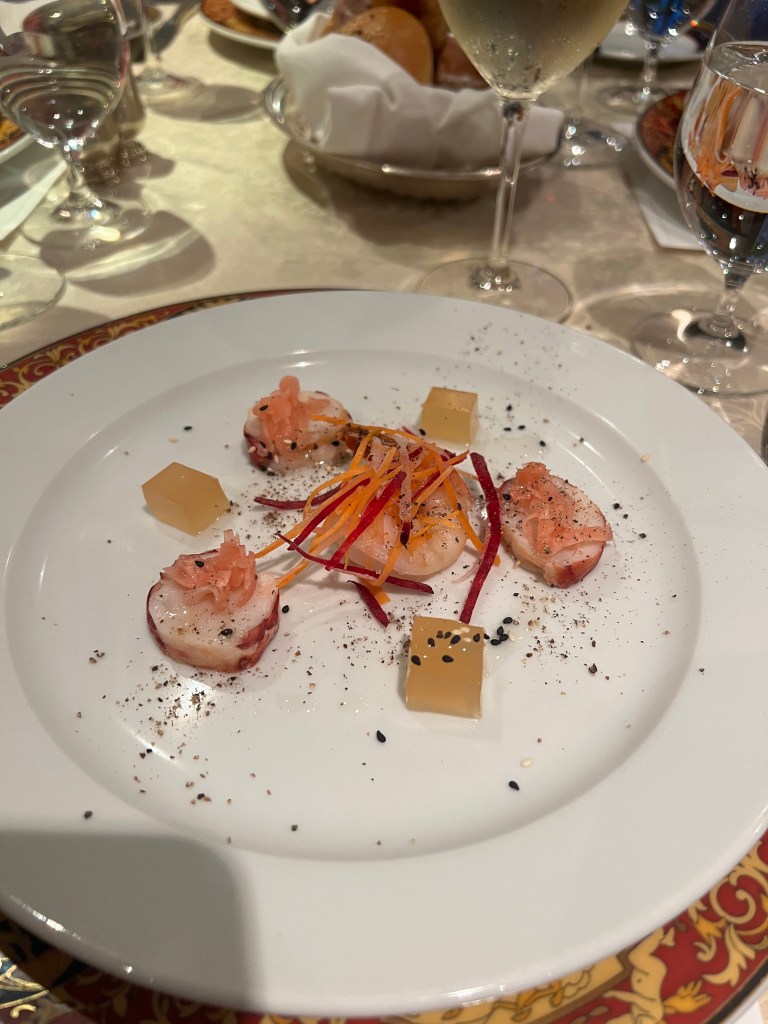
We had our second around the world dinner tonight. Because there are almost 400 around the world passengers, both Polo and Toscana are reserved for us for two nights. We are assigned to the night and the restaurant but can be seated with anyone. Woody and Fran were our tablemates tonight. Here is the menu and pictures of some of the food. I liked it all except the desserts were not my favorite.

Before dinner, around 6 PM, there was an emergency announcement that we were returning to port for a medical emergency. When we were close to the port a large helicopter hovered overhead and uplifted one of our passengers. Norm got a good picture.

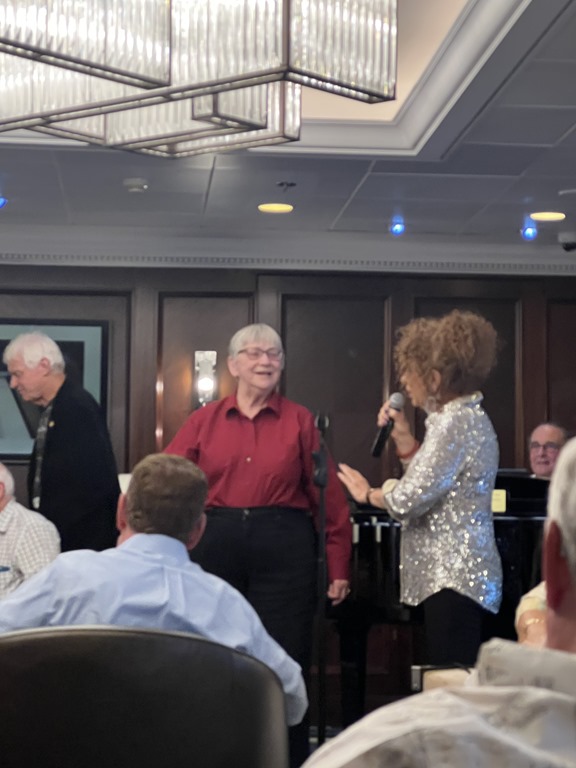
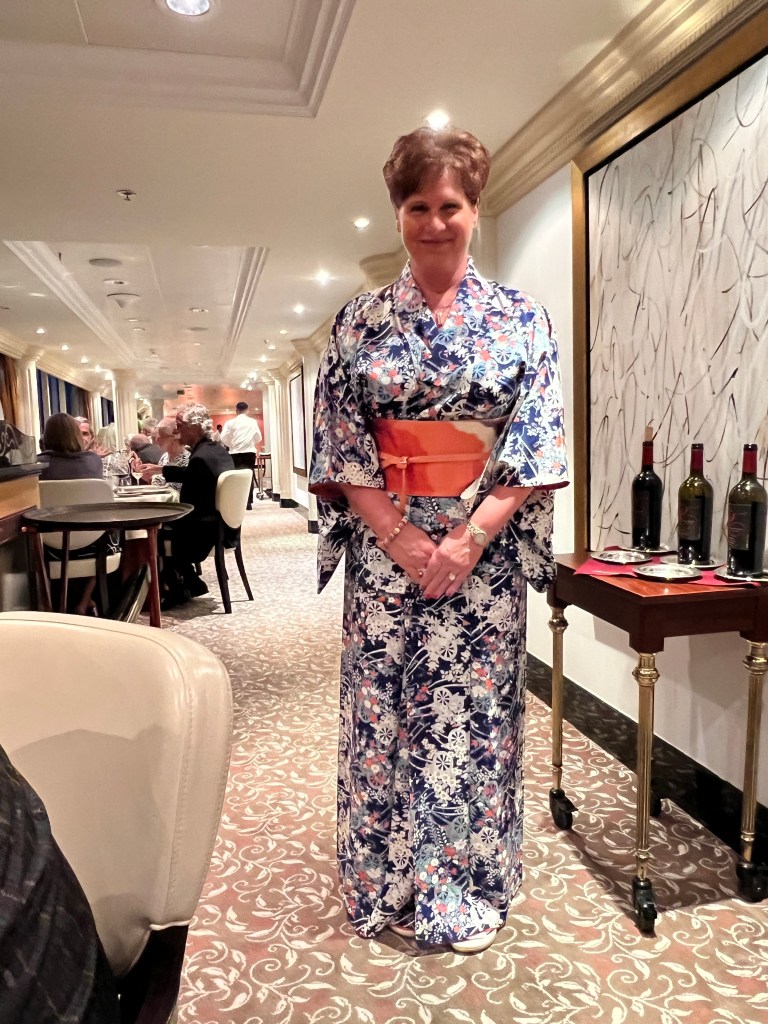
Our cruise director, Dottie, dressed up for the occasion!
There will be a lot of special events in the next 2 1/2 weeks as we close out the world cruise and we are looking forward to every one. It is hard to believe it is almost at an end. The cruise director from our first half of the voyage, Ray Carr, is back on board to coordinate some of these events.

Posted in Asia, Excursions, Food, World Cruise #4 | 3 Comments

Hakodate, Japan

June 24, 2023

These last three ports are new to us and are in the northernmost island of Japan, Hokkaido. Here are some shots of our arrival.  It was rainy but cleared up as soon as we left the ship.

IMG_0517~photoIMG_0519~photoIMG_0518~photoIMG_0604~photoIMG_0611~photo

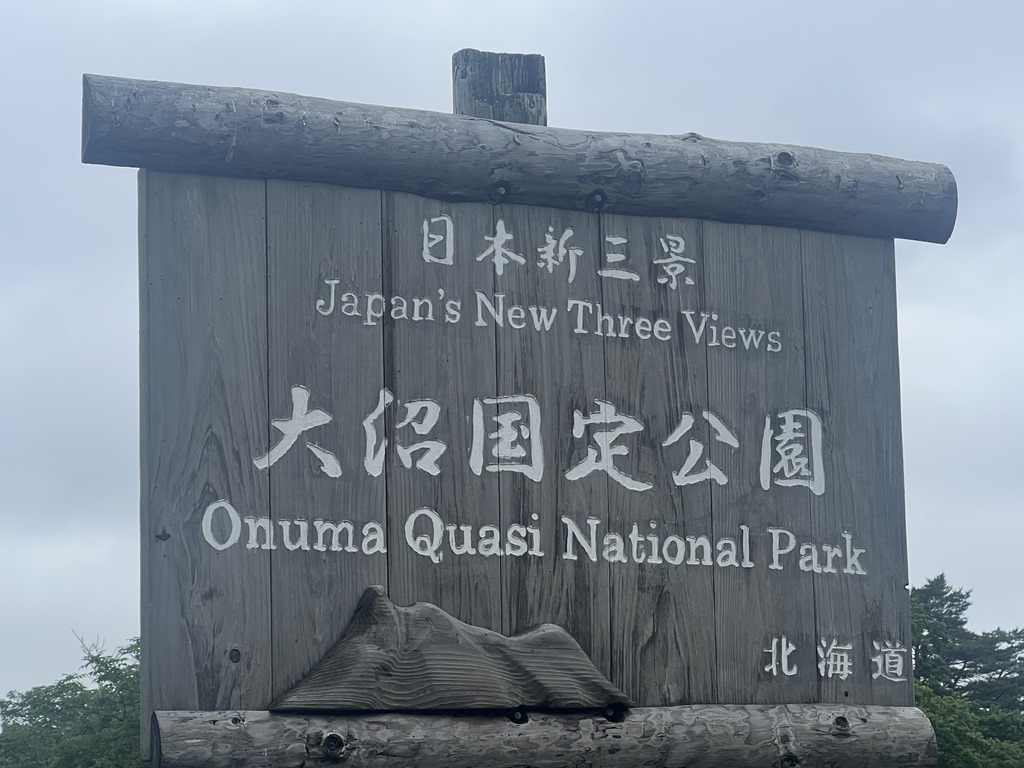
Our tour was to the Onuma Quasi National Park. Our guide was Yuku.  She gave us information about this area of Japan.  Sapporo was the site of the 1972 winter Olympics and it gets 16 feet of snow a year.  There is a lot of skiing in this area.  It is known for beautiful nature and the fishing industry.  

IMG_0523~photoIMG_0521~photo

Mount Hakodate rises 1100 feet on the southwest of the city.

IMG_0615~photo

Yuku told us about the many brown bears in the area which are much bigger than the black bears in other parts of Japan.  They are kind of like the grizzly. She gave us a little quiz about what to do if we encounter a bear (while assuring us that we would not!) You are supposed to make eye contact with the bear and slowly back away. Children wear bells on their backpacks because the bears really don’t want to encounter humans and the bells warn them away.  I guess. .

There is really no specific rainy season here, it can rain at any time but it doesn’t last too long.

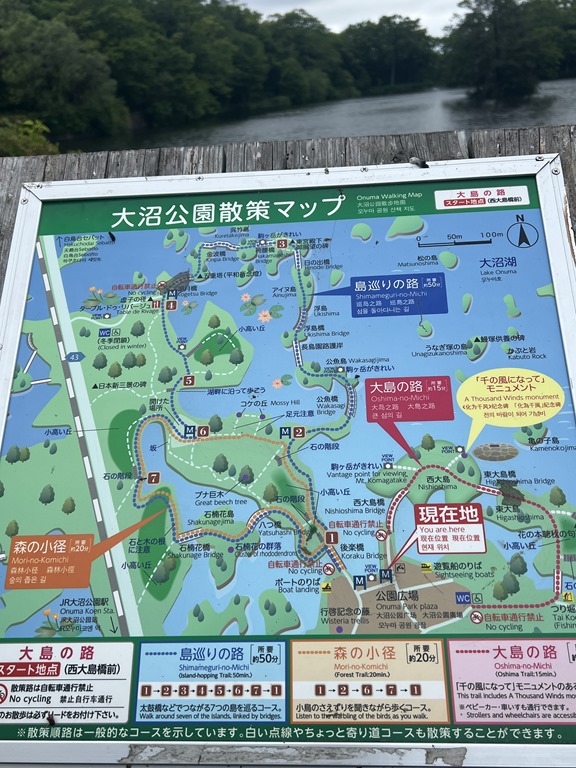
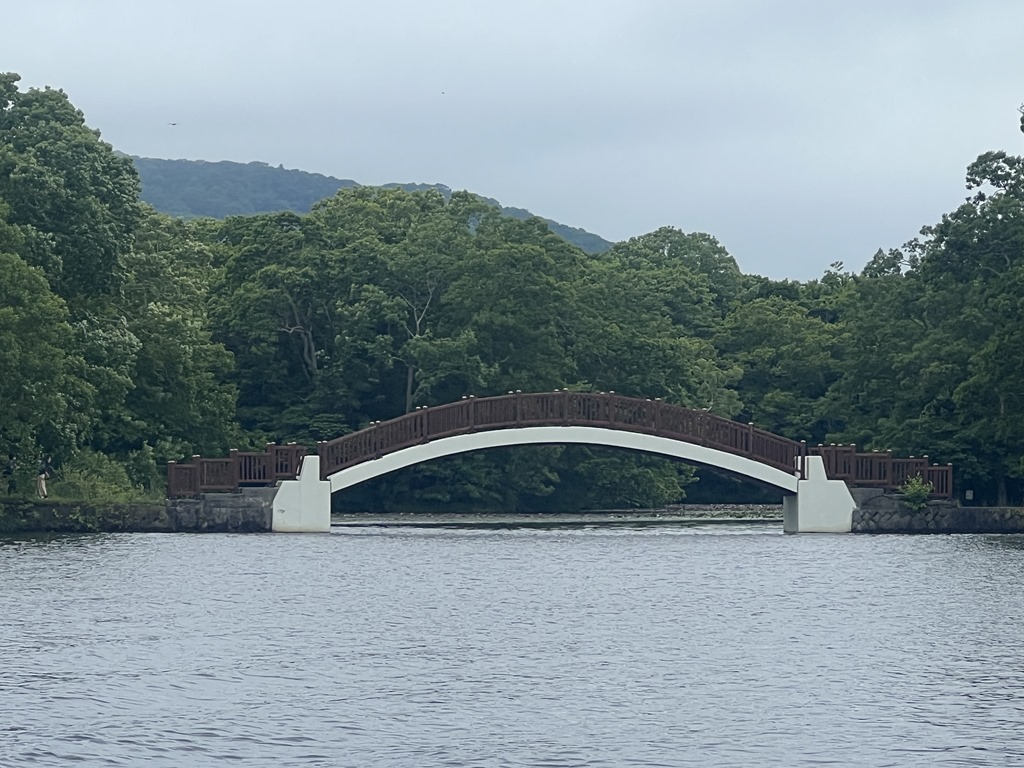
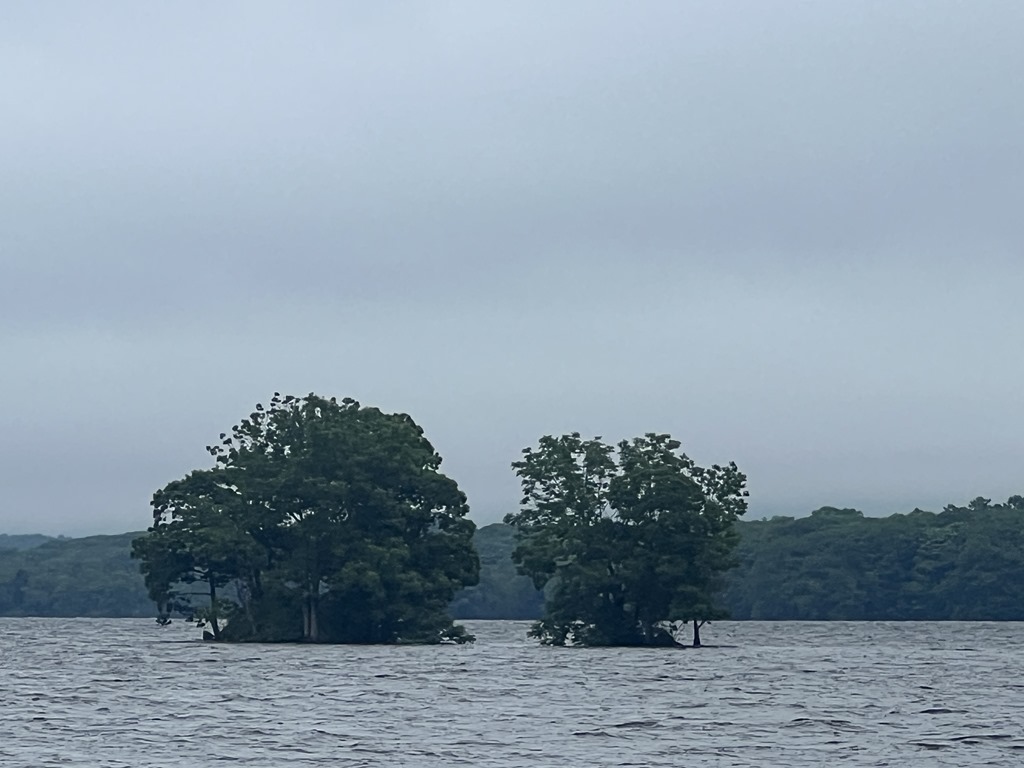
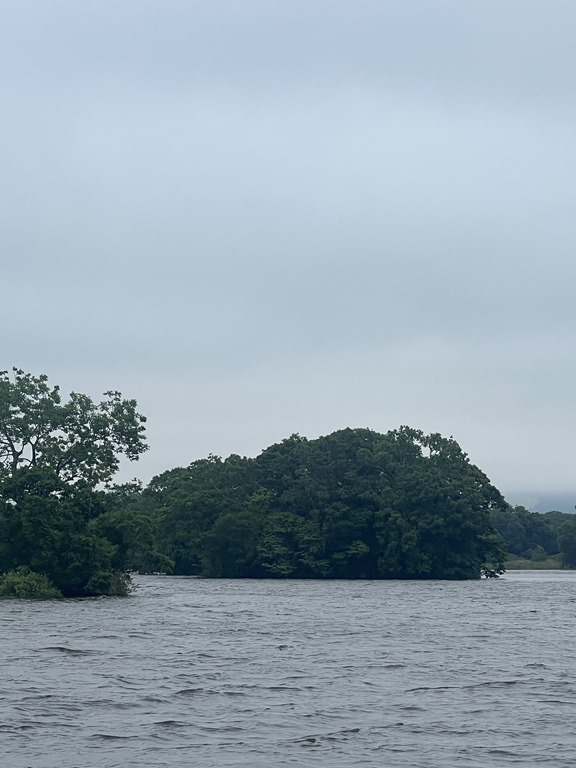
The park is really beautiful.  It consists of 126 islands that are formed by the lava from the eruption of Mount Hokkaido.  It forms a spectacle like a traditional Japanese garden, created entirely by nature. 

IMG_0526~photoIMG_0551~photoIMG_0550~photoIMG_0549~photoIMG_0547~photoIMG_0545~photoIMG_0544~photoIMG_0543~photoIMG_0542~photoIMG_0539~photoIMG_0537~photoIMG_0536~photoIMG_0534~photoIMG_0530~photoIMG_0529~photoIMG_0528~photoIMG_0527~photoIMG_0524~photo

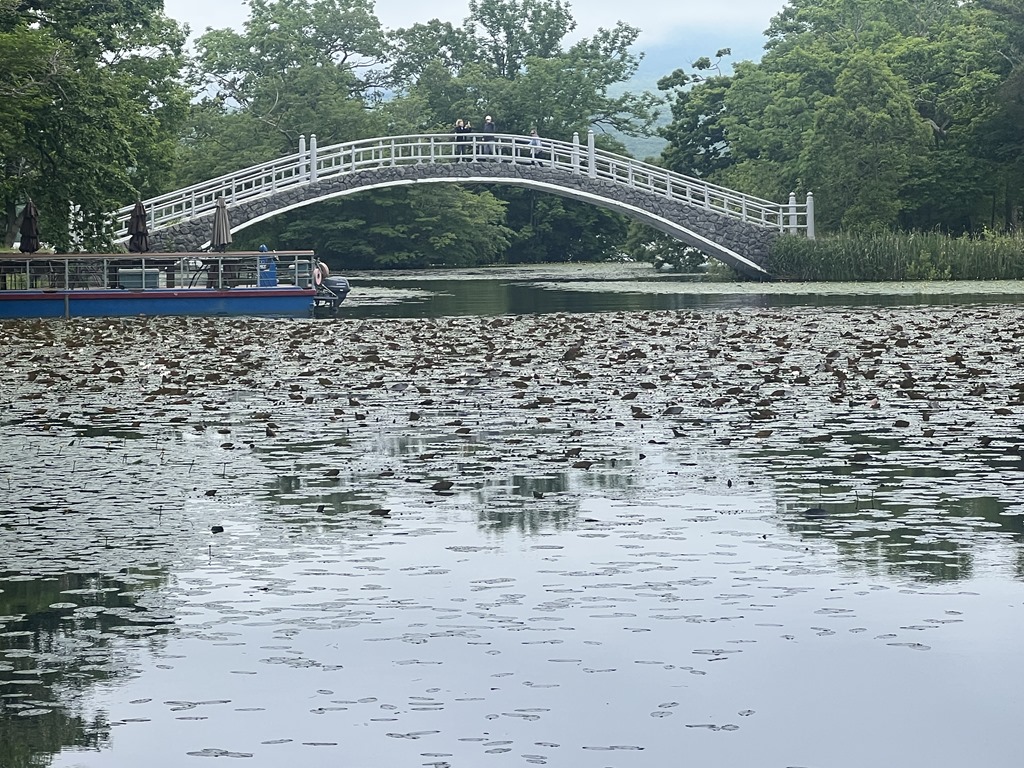
We hiked on two trails. The first one was the island hopping Shimaneguri-no-Michi trail which takes you on 7 different islands connected by lovely bridges.  We saw some birds but no other wildlife.  No bears for sure. The second was the Oshima-no-Michi Trail which includes A Thousand Winds monument.

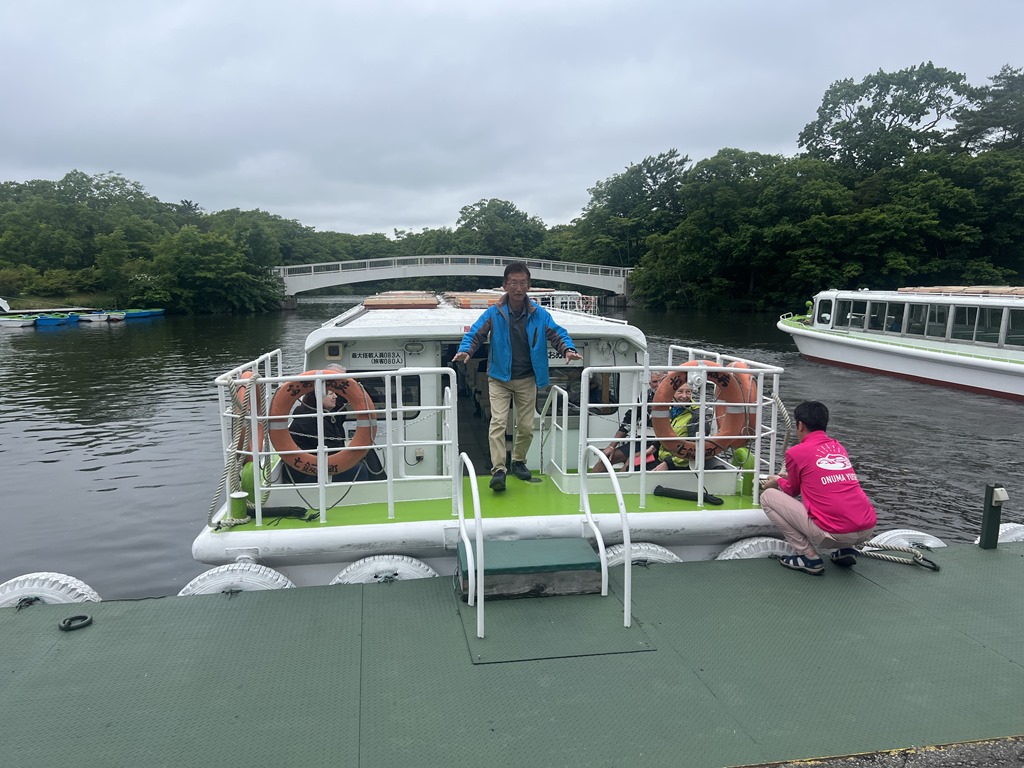
After our hike and some shopping with  coffee for Norm and some local specialties to eat, we took a boat ride on the lake.  What a serene place.

IMG_0558~photoIMG_0557~photoIMG_0556~photoIMG_0555~photoIMG_0554~photoIMG_0553~photoIMG_0552~photo

IMG_0581~photoIMG_0579~photoIMG_0578~photoIMG_0576~photoIMG_0575~photoIMG_0573~photoIMG_0572~photoIMG_0570~photoIMG_0568~photoIMG_0567~photoIMG_0565~photoIMG_0564~photoIMG_0562~photoIMG_0559~photoIMG_0531~photo

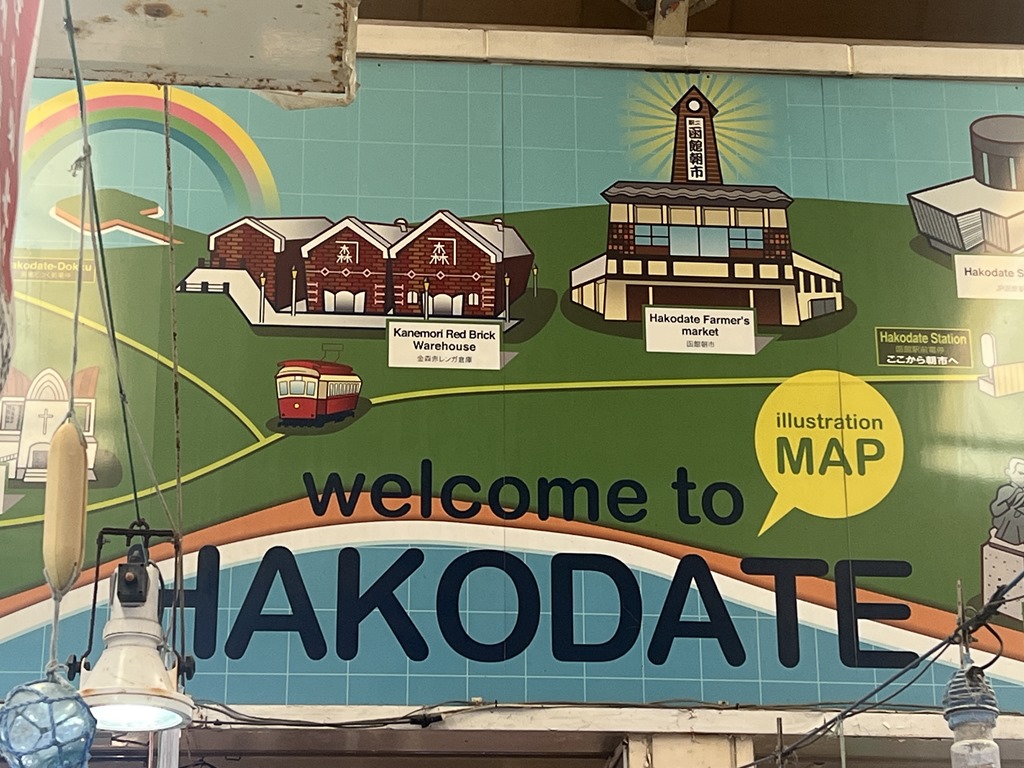
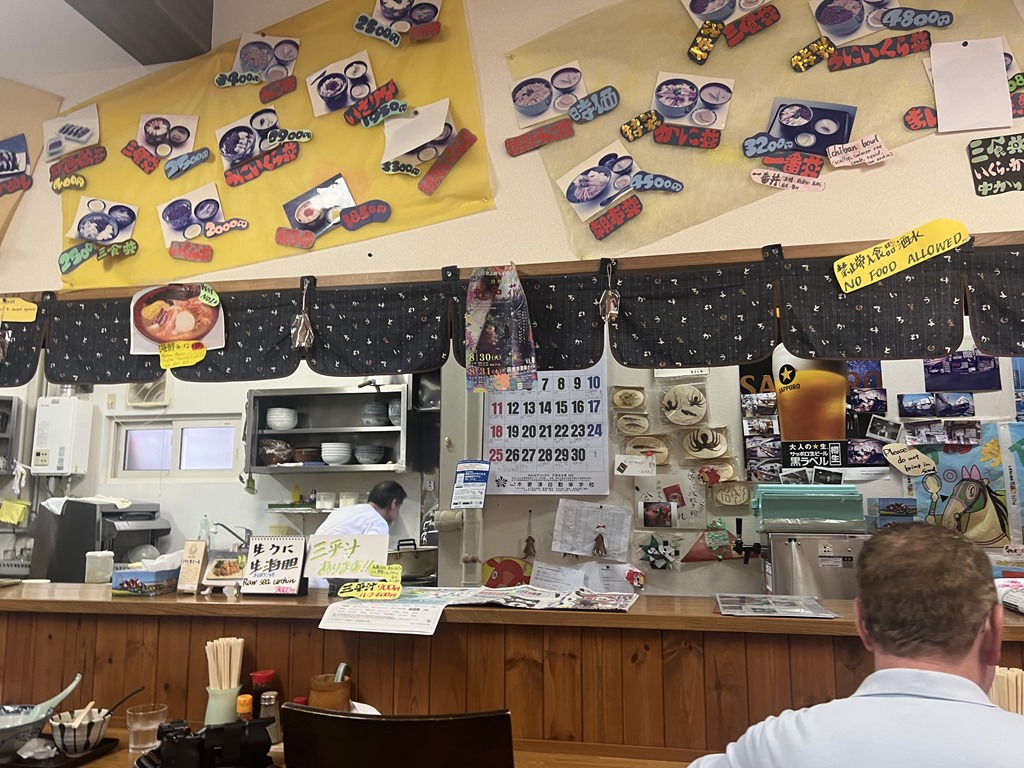
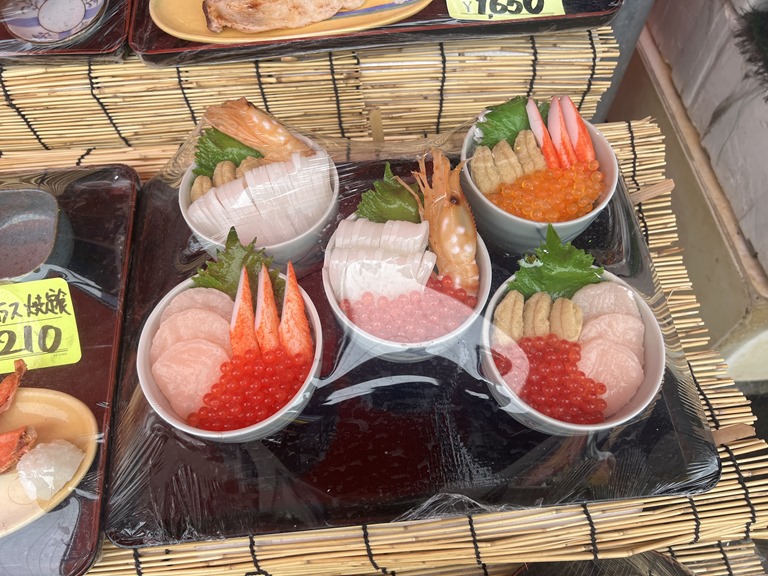
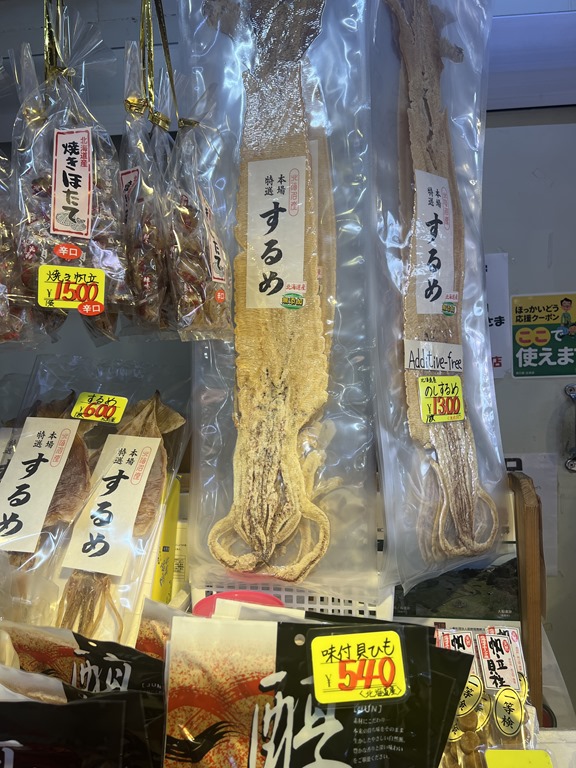
We went back to Hakodate and experienced the Morning Market which was another amazing fish market.  Hakodate  is surrounded by the ocean on three sides and the fish in every restaurant is always fresh. The specialty is squid which comes in a variety of forms from raw and wriggling to deep fried  and even as ice cream which we saw people eating at the snack bar.

We found a restaurant for yet another ramen lunch.

IMG_0590~photoIMG_0589~photoIMG_0586~photoIMG_0585~photoIMG_0584~photo

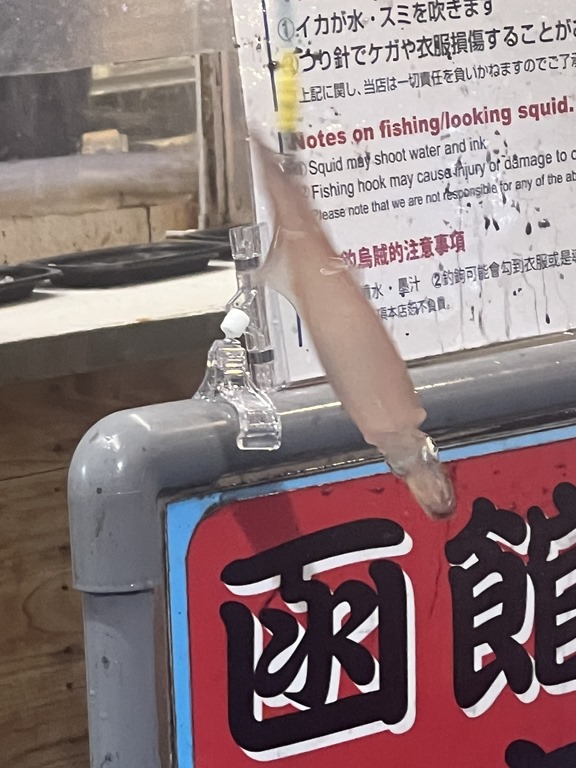
The market had a place where you could fish for squid then eat it raw.  We did NOT do that but we saw someone catch one.

IMG_0598~photo

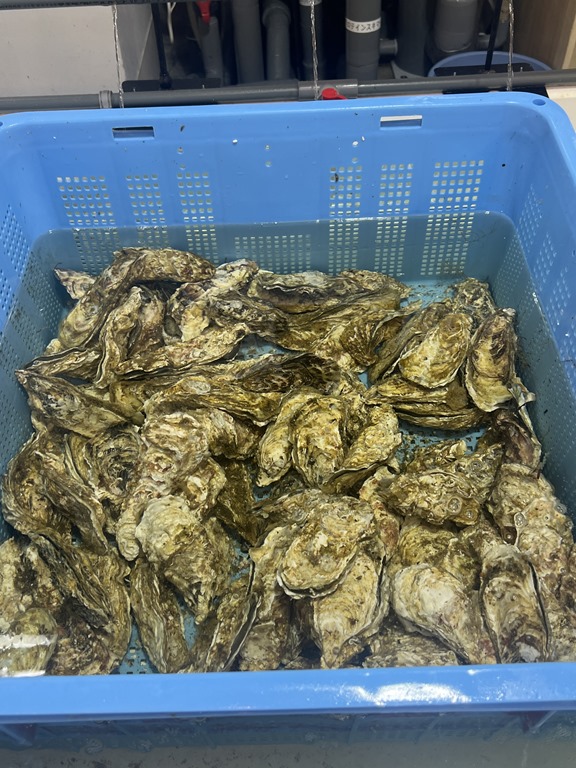
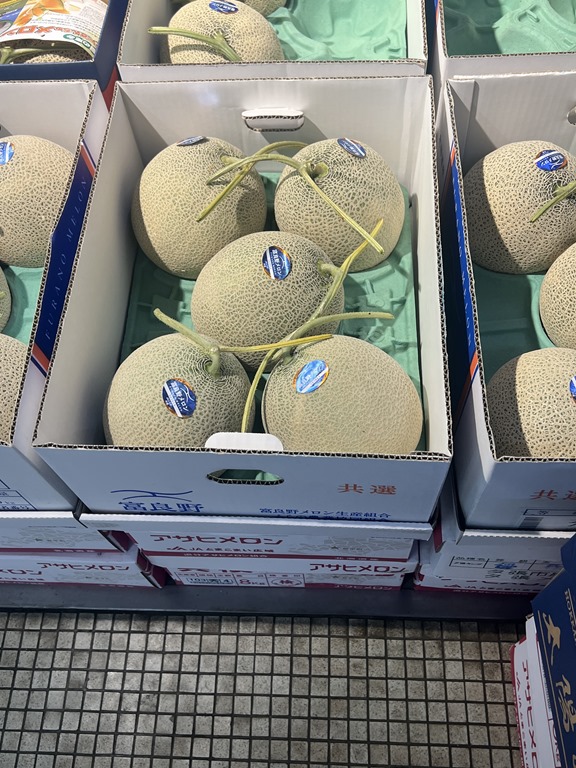
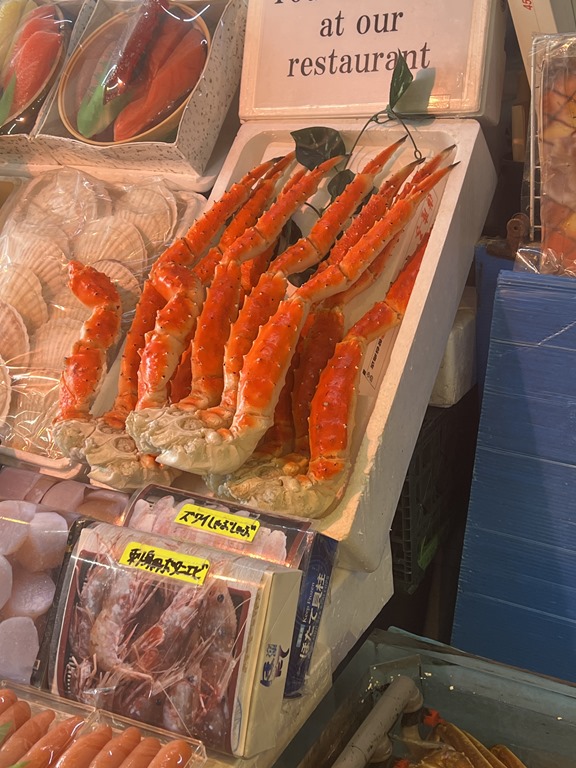
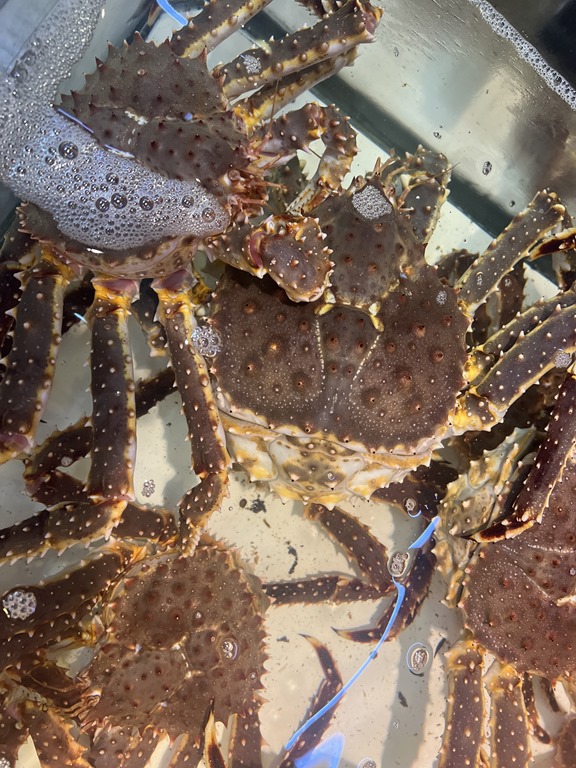
The crabs were enormous and so were the apples, melons and peaches.  We bought an apple at the park and a peach at this market.

IMG_0610~photoIMG_0609~photoIMG_0608~photoIMG_0607~photoIMG_0606~photoIMG_0605~photoIMG_0603~photoIMG_0602~photoIMG_0600~photoIMG_0598~photoIMG_0601~photoIMG_0597~photoIMG_0596~photoIMG_0595~photoIMG_0594~photoIMG_0593~photo

Yuku also sang to us on the way back to the ship. She was sad for us that the ship was leaving at 3 PM because she said Hakodate has one of the three most beautiful night views along with Naples and Hong Kong and we will leave too soon to see it.

The local people waved goodbye as we left.  Another beautiful Japanese port. It makes me want to come back to do a land trip throughout Japan.

IMG_0616~photoIMG_0614~photoIMG_0613~photo

Posted in Asia, Excursions, Food, June, World Cruise #4 | Leave a comment

Aomori, Japan

June 23, 2023

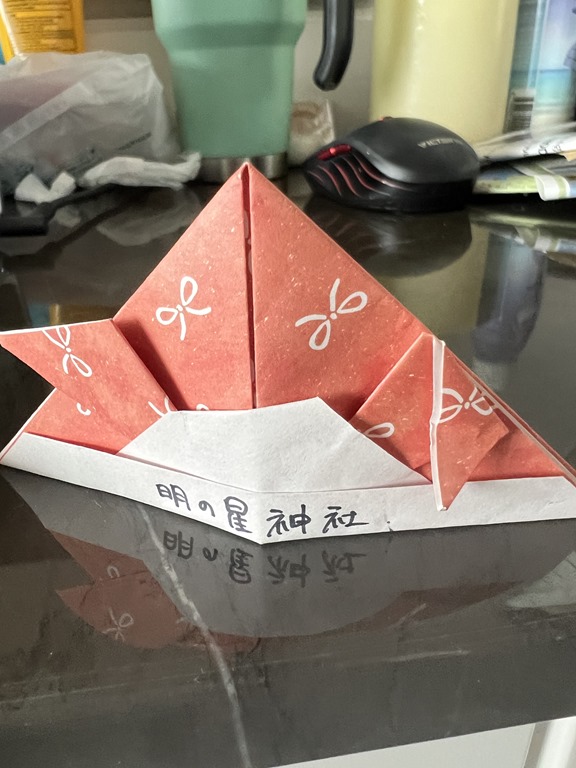
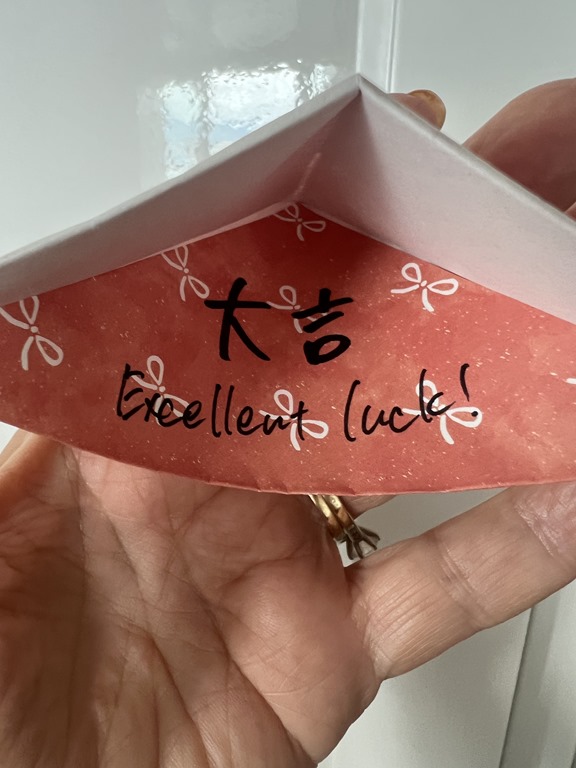
Here is our view when we sailed into port at around 9 AM.  We were met by local people who gave us these origami figures with sayings inside.  Mine said “excellent luck”.  And indeed, we are lucky to be in this beautiful port. 

IMG_0618~photoIMG_0622~photo

It is a bit rainy for sail in but cleared up soon after. The temperature is 68 as we arrive.  Beautifully cool. We were greeted by dancers and flag wavers who were accompanied by drums and other music. We watched them from our balcony before we left the ship.

IMG_0408~photoIMG_0405~photoIMG_0409~photoIMG_0404~photoIMG_0402~photoIMG_0401~photo 

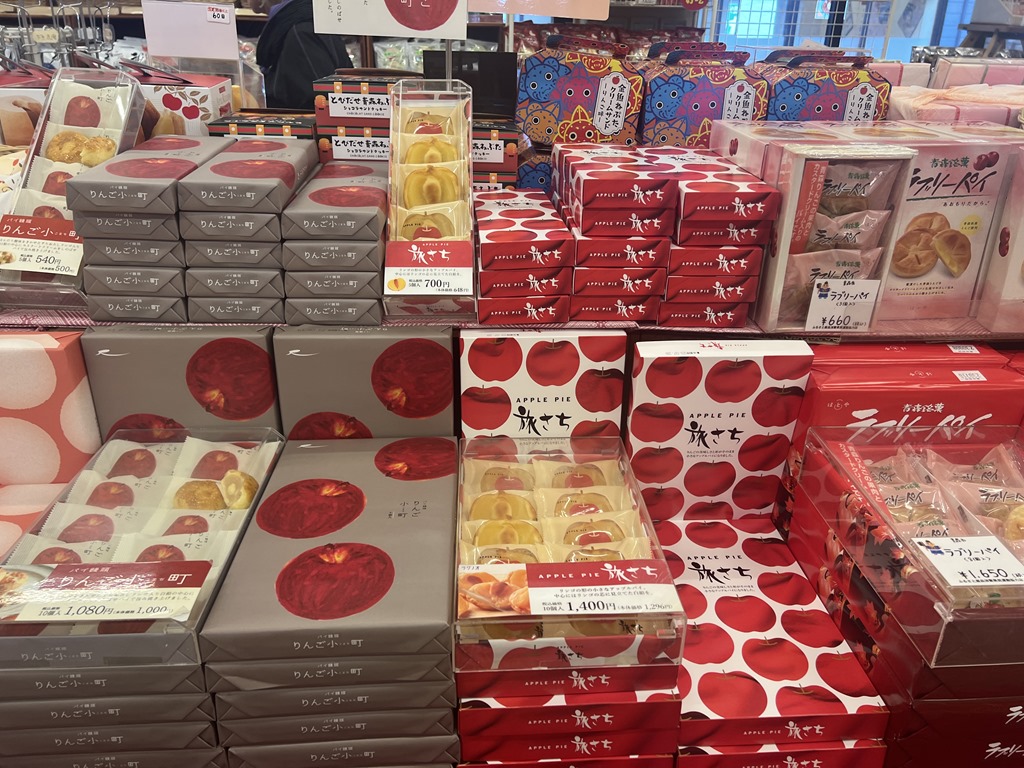
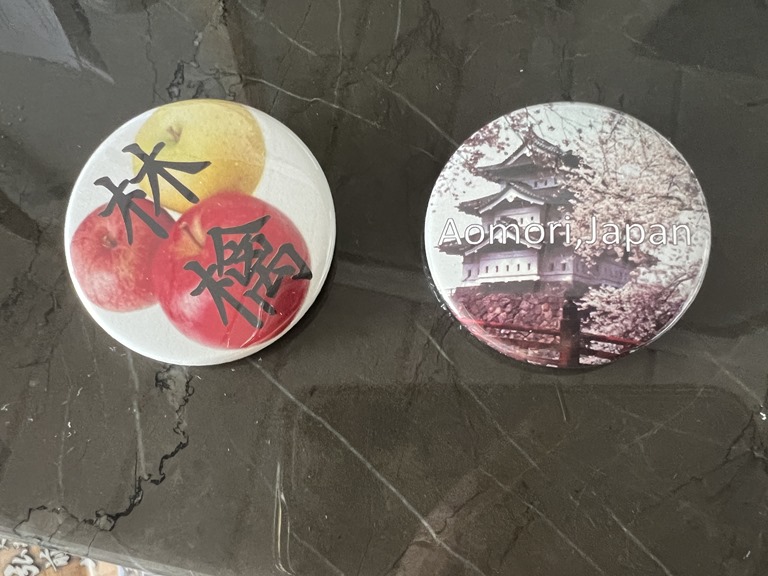
Today we had a tour to Neputa Village and Hirosaki Castle.  Our guide was Tomohiko and he asked us to call him “Tom”.  Here he is showing us his uniform. He told us he was born in 1955 and is retired from hi s job but is now trained as a tour guide. He told us that 90% of the people who live in this city are native to here.  Trading, banking and agriculture are the main occupations. We are on the northernmost island in Japan now and it is cold in the winter, they get 1 – 2 meters of snow each year.  The water and the rice are excellent so there are many sake breweries.  During the cherry blossom season they get 3 – 4 million visitors for the one week festival. They are also the biggest producer of Fuji apples in Japan.  More than half of the 760,000 ton crop is raised here.There are 50 apple pie restaurants and you see apple everything!

IMG_0412~photoIMG_0414~photoIMG_0416~photo

Aomori means blue forest although it could possibly be translated as “green forest”. The area is lush with greenery and many forests.

Our first stop was the Tsugaru Neputa Village where we saw a local show.  The ticket itself is a work of art!

IMG_0617~photo

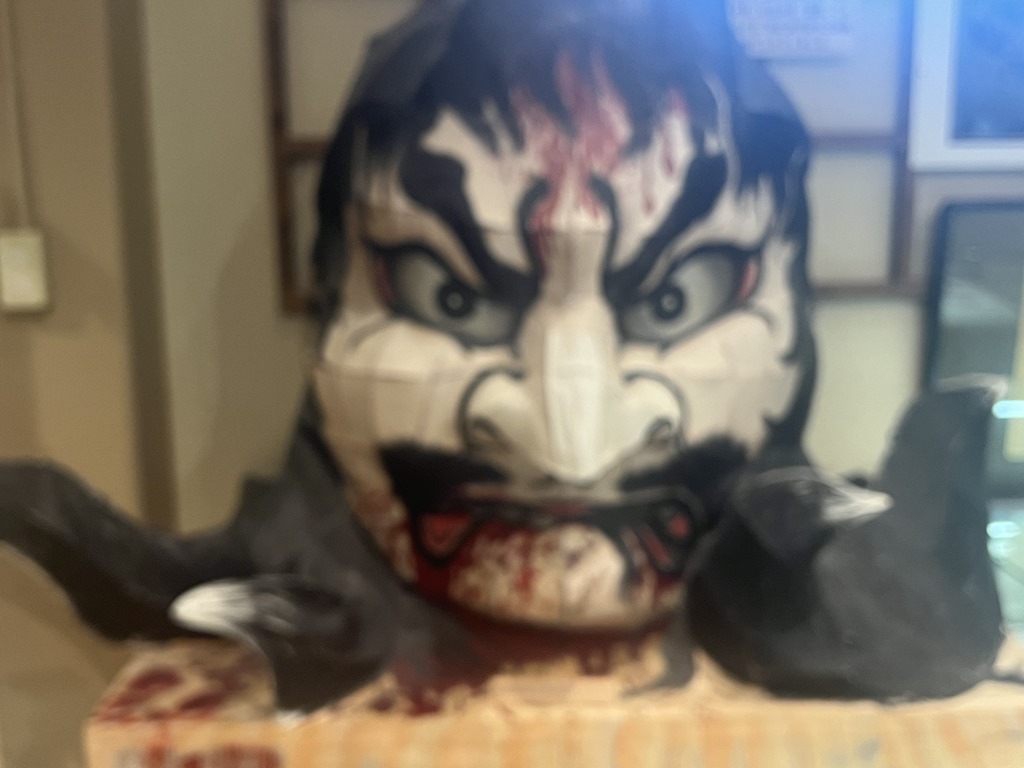
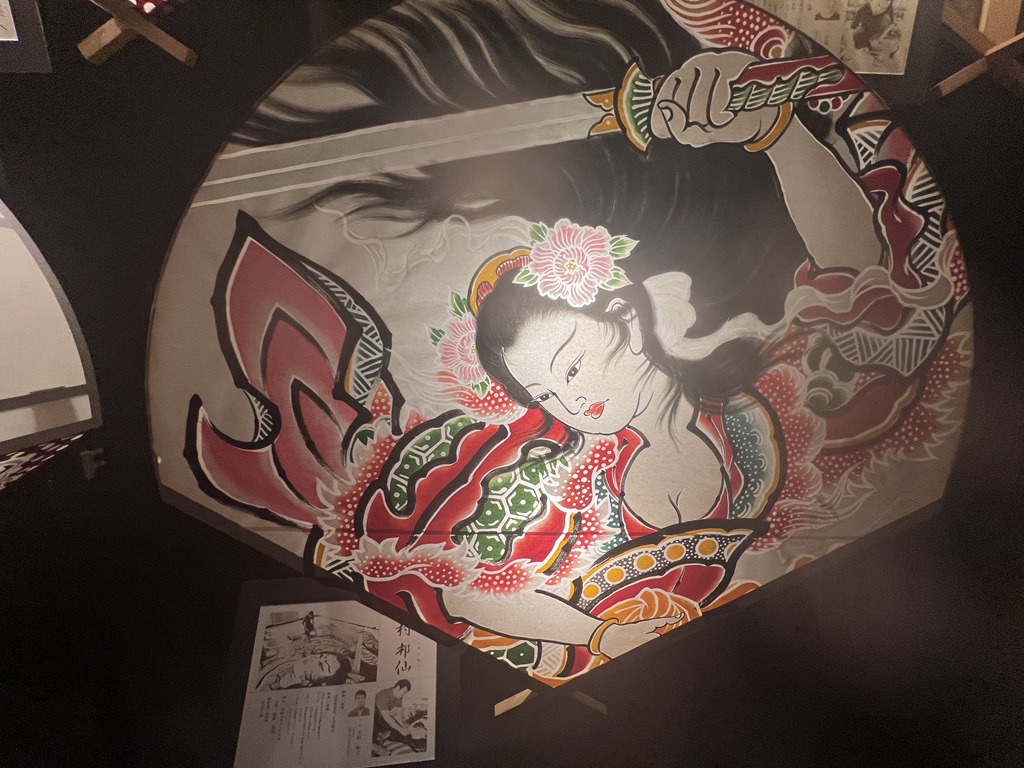
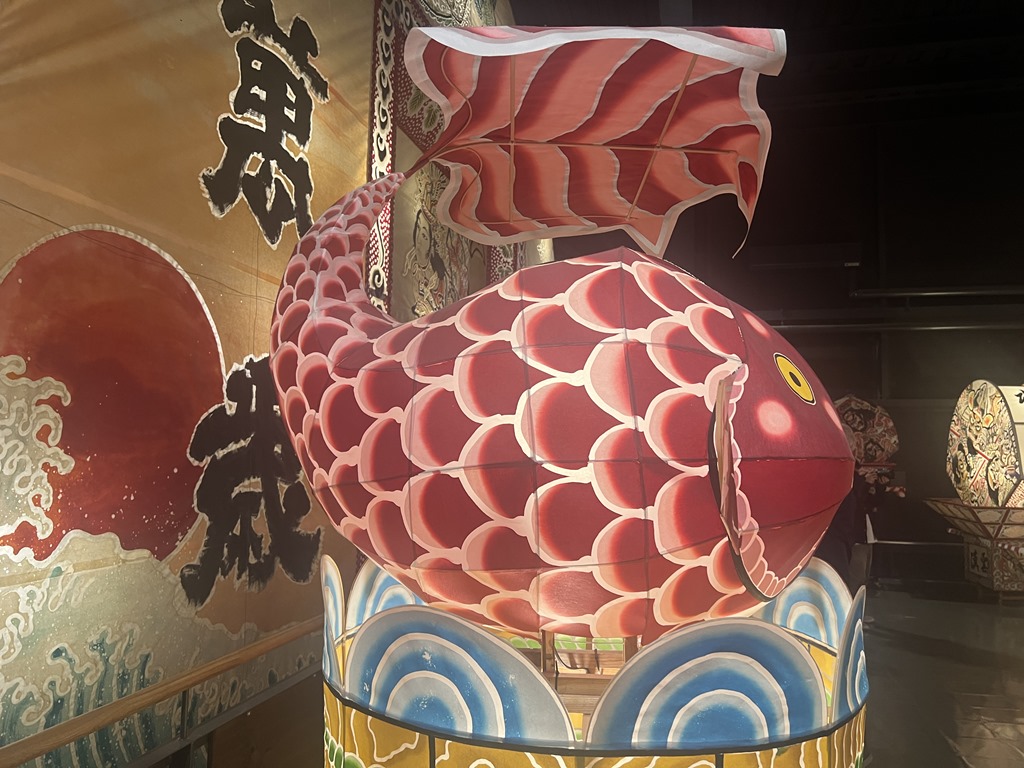
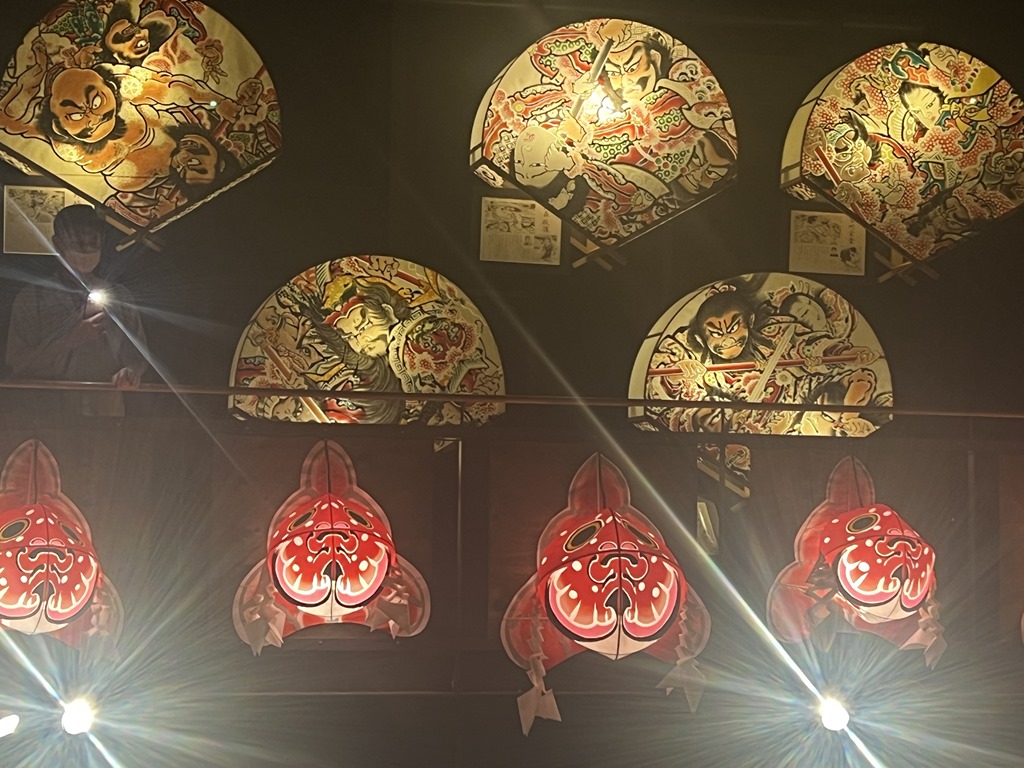
The local artists performed on the large drums and on the string instrument that we have seen in other ports, the shamisen. Neputa means “sleepy” and there is a huge festival, the Aomori Neputa Matsuri which takes place in early August.  It is a fire festival and attracts more than 3 million visitors. We saw many of the 80 different fan shaped floats and images of warriors that parade through the town during the festival. The parade is accompanied by flute and taiko (Japanese drum) players. Neputa is said to have originated from the event Nemuri Nagashi, a traditional event to banish the invisible sleep demon who makes people drowsy during the summer when farm work is at its busiest.  The use of lantern and light is a hallmark of this festival. Three large drums called Odaikos are the highlight of this festival and the sound is so profound that viewers feel the vibration to their core.  We certainly jumped when the first one was struck.  Then some of the audience members, including one of our passengers, were invited to participate.

IMG_0425~photoIMG_0422~photoIMG_0424~photo

These are the Chinese year symbols.  Norm is the Ox and I am the tiger.

IMG_0432~photoIMG_0428~photo

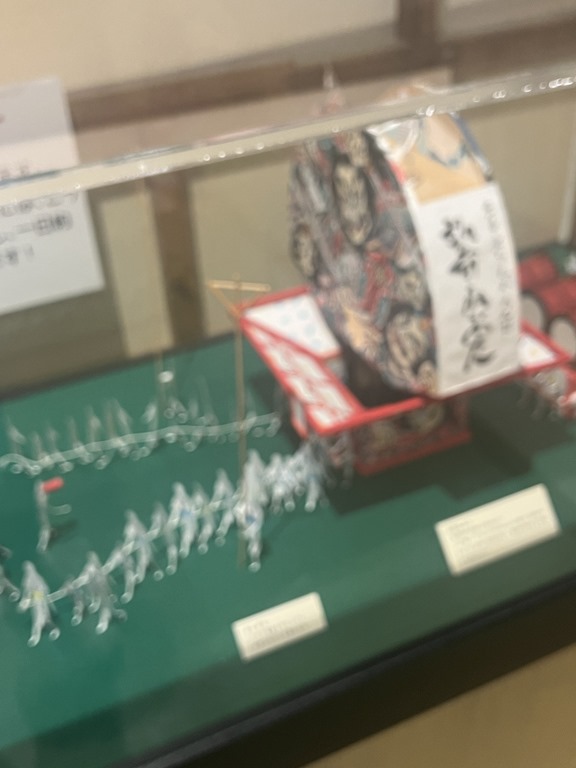
These are all made of a strong paper.  The small picture is a model of one of the floats.

IMG_0450~photoIMG_0449~photoIMG_0445~photoIMG_0444~photoIMG_0442~photoIMG_0441~photoIMG_0439~photoIMG_0438~photoWearing a mask!

IMG_0437~photoIMG_0434~photo

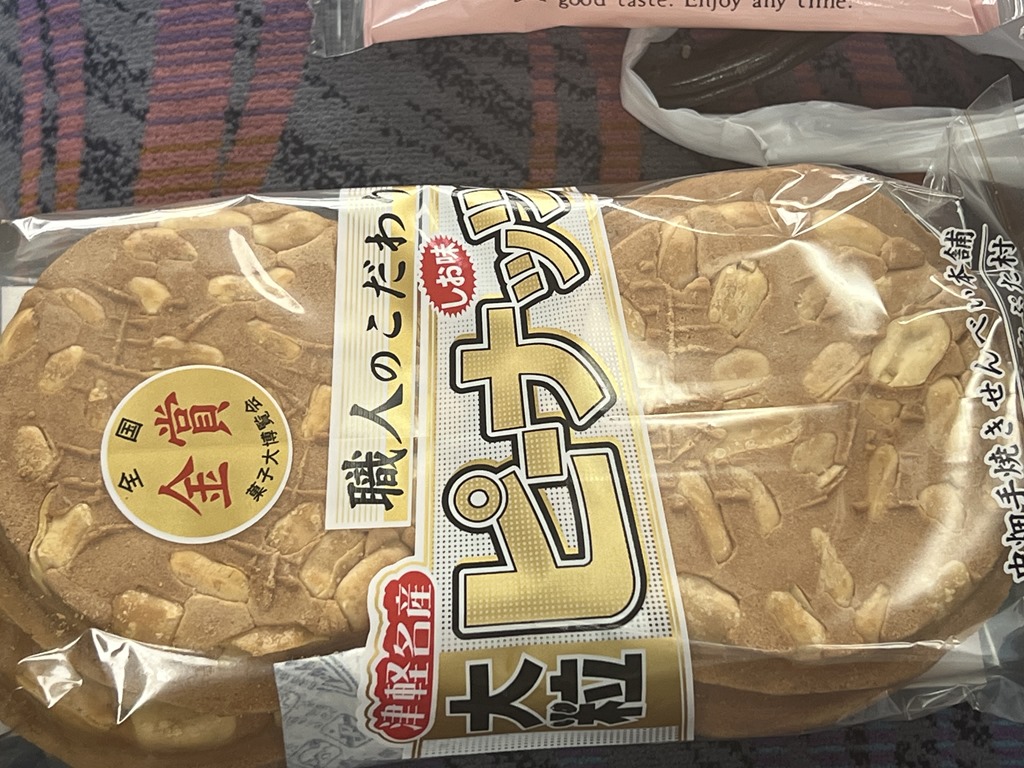
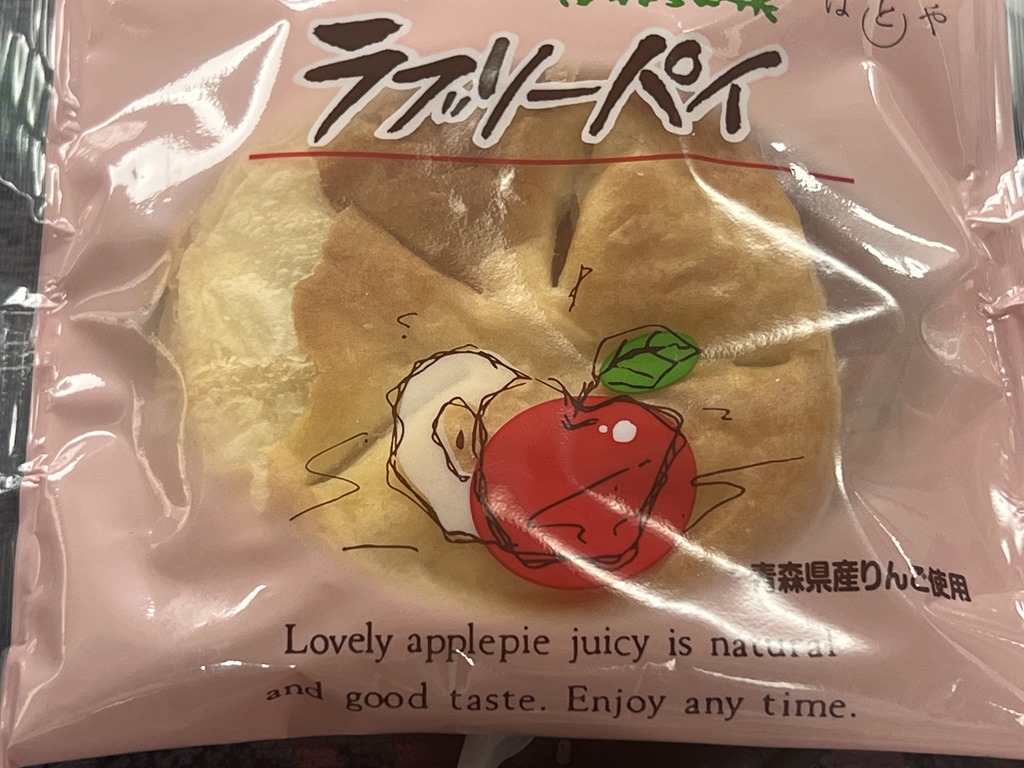
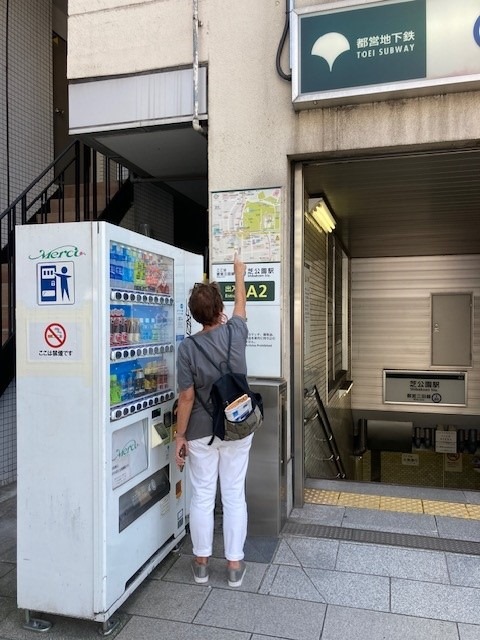
I have mentioned the many vending machines here.  You can get cold coffee and hot coffee from the same vending machine.  Norm got to be fond of the coffees and had many of them while we have been in Japan. I loved the ice cream and had apple soft serve here.  It was delicious. We bought some cookies made in an iron mold and one of the apple cakes. 

IMG_0465~photoIMG_0464~photoIMG_0463~photoIMG_0462~photoIMG_0461~photoIMG_0458~photoIMG_0457~photo

The grounds around the village were beautiful and we had time to savor the sights.

IMG_0455~photoIMG_0454~photoIMG_0453~photoIMG_0452~photo

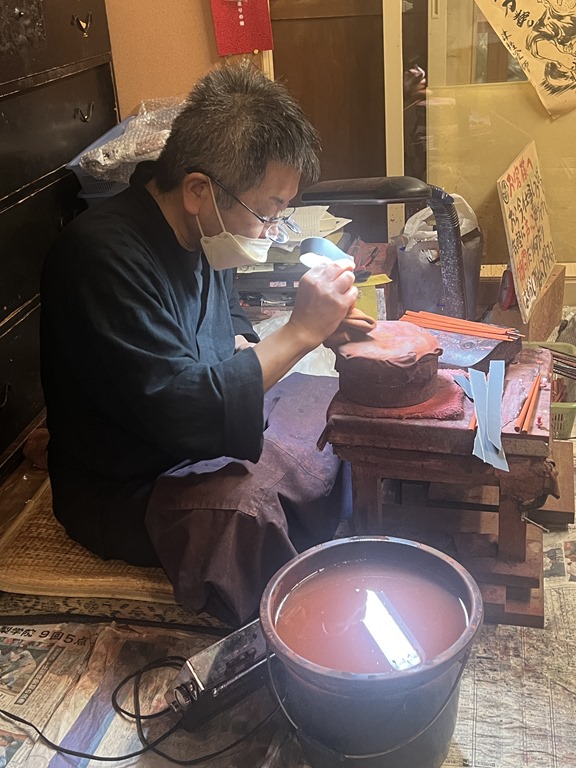
This craftsman was making beautiful chopsticks.

IMG_0451~photo

We got back on the bus for a trip….across the road!  We were wondering why we didn’t just walk, but Tom said  he wanted to take care of those who had trouble with walking. A very Japanese response.

The Hirosaki Park is a large beautiful park and the setting of the Hirosaki castle. The park is 121.5 acres in size and contains 2600 cherry trees. The Cherry Blossom festival here is said to be the best in Japan.

IMG_0469~photoIMG_0474~photoIMG_0473~photoIMG_0477~photoIMG_0476~photoIMG_0475~photoIMG_0471~photoIMG_0470~photo

The castle was originally built in 1611.  It was opened to the public in 1895 and designated as a Historical Site in 1952.

IMG_0507~photoIMG_0513~photoIMG_0480~photo

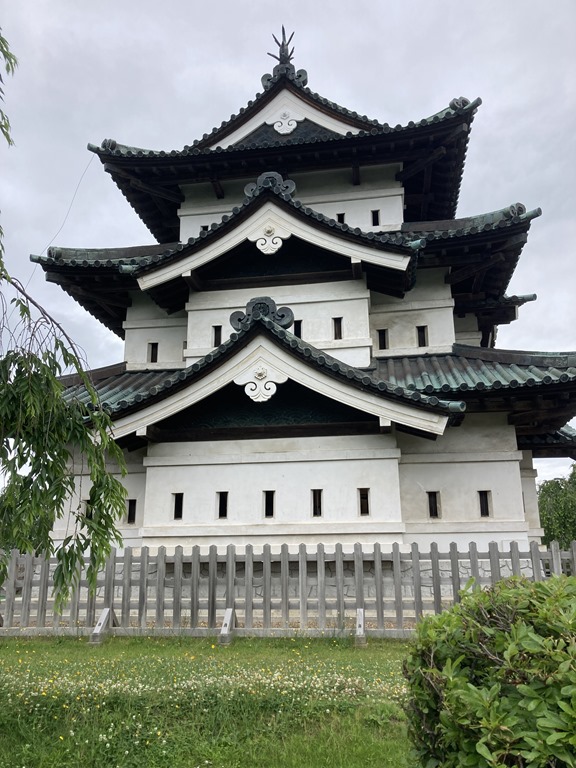
There is a lot of construction going on and the castle is actually on a temporary site. It is a 5 story castle (the Japanese castles are pagodas of uneven numbers).  The original castle was struck by lightning and burned to the ground in 1627. The present castle was completed in 1822.  We enjoyed the grounds and could go into the castle and up to the second level.

IMG_0492~photoIMG_0490~photoIMG_0489~photoIMG_0491~photo

There are actually tree doctors that take care of all of the trees but especially the cherry trees.  This old tree was knocked over in a storm and is now staked up.

IMG_0505~photo

Tom also pointed out this area where the trees form a heart.  He took our pictures there.

IMG_0497~photoIMG_0499~photo

While in the garden, Tom pointed out a tree that is in a twisted shape – he had a prize for whoever could guess what it represents.  Norm guessed it!  A crane.

IMG_0481~photo

The next wall of rocks was next and I guessed a turtle.

  IMG_0482~photo

Here were our prizes.  Tom seemed surprised that I guessed the turtle.

IMG_0624~photo

On the way back to the pier, Tom asked if he could sing “bus karaoke” and he entertained us with Japanese songs and in English – White Christmas!

These local young men were waving us goodbye when we returned.

IMG_0516~photo

Posted in Asia, Excursions, Food, June, World Cruise #4 | Leave a comment

Tokyo, Japan–Day 2

With this post, I am finally catching up on my blog after so many busy port days. It feels so good to have a day at sea to catch up (and I won the blackjack tournament)!  It is a wonderful 68 degrees and my walk on the deck was actually refreshing.

Our tour yesterday was the Koishikawa Korakuen Gardens and the Tokyo Tower.  We were hoping that the gardens would be first so that we would be OK to leave the tour when we got to the tower, and make it in time for my 11:45 nail appointment.  When we got to the bus and the guide we were told that we were going to the gardens first.

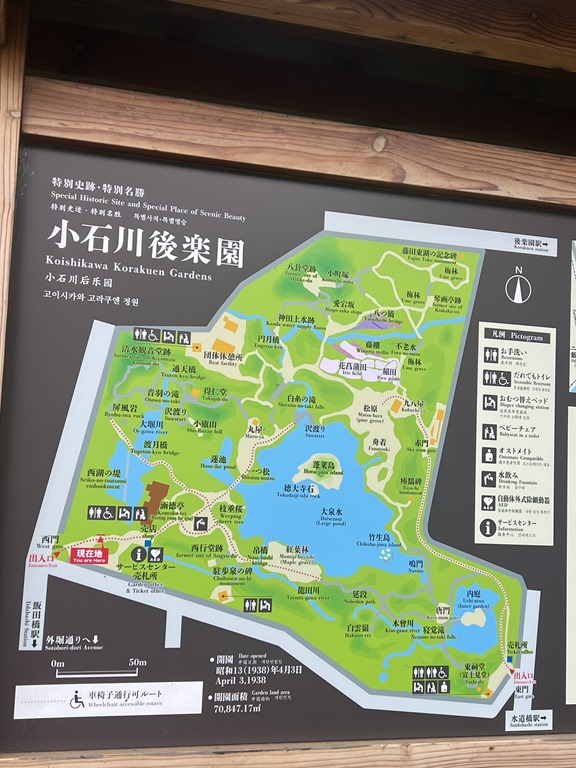
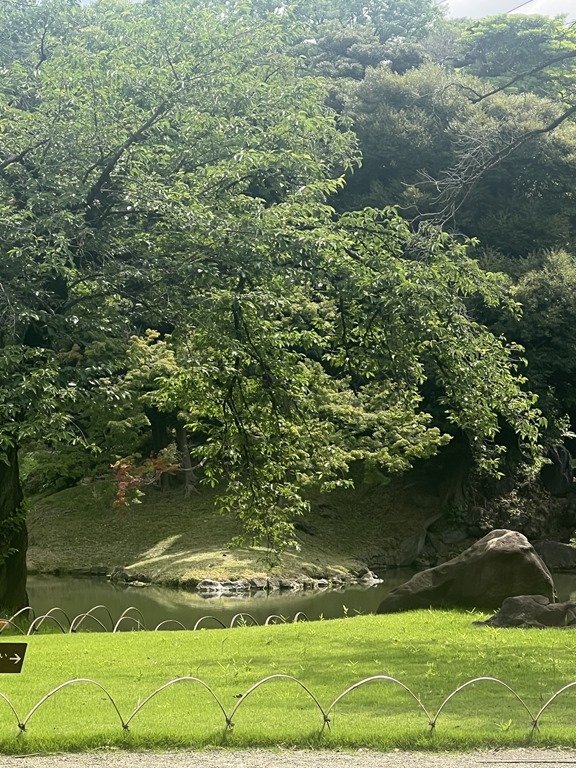
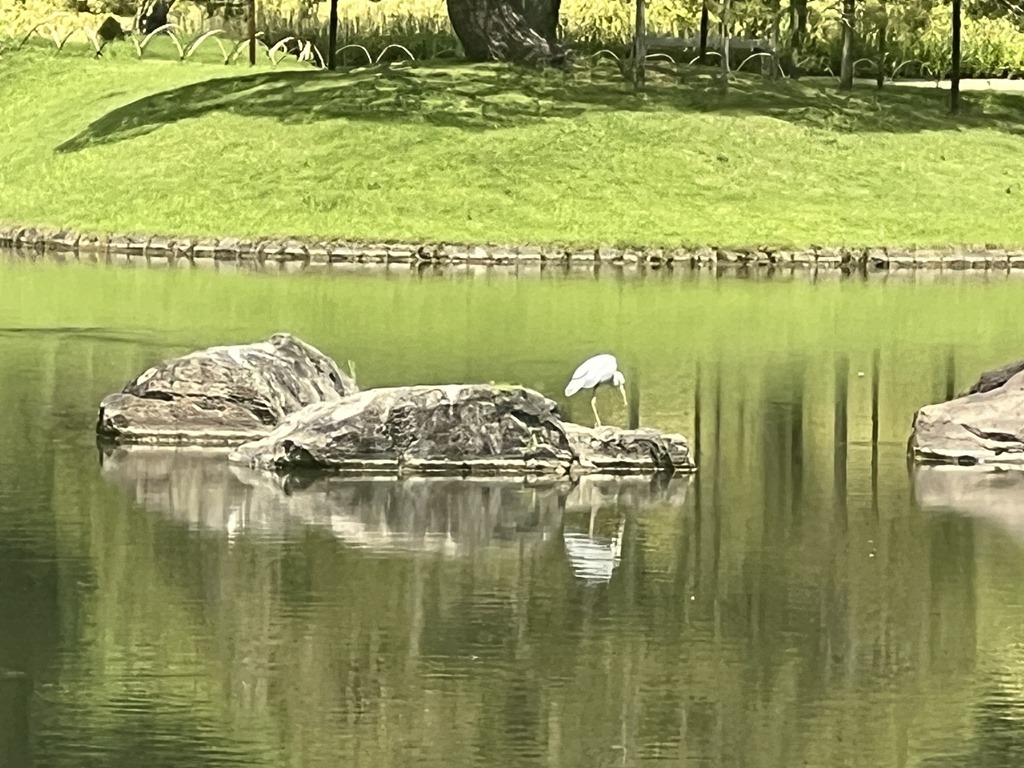
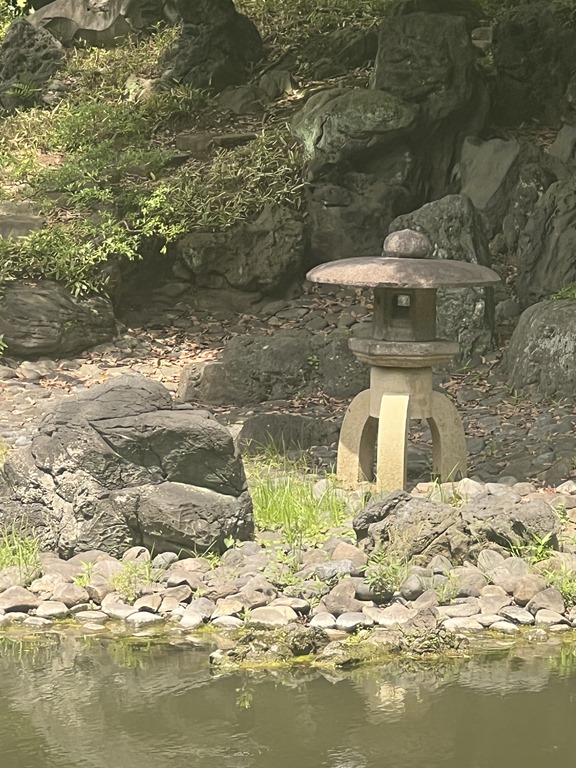
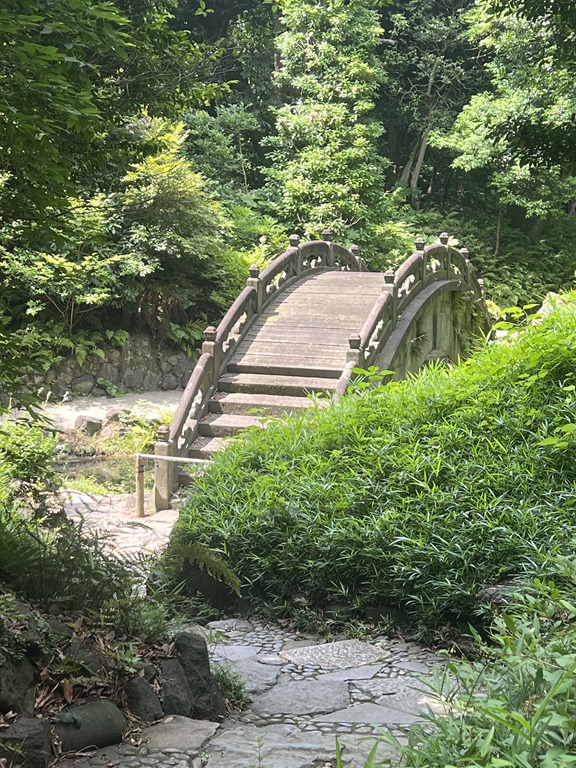
We traveled through the city with its many green spaces.  They are generally not as big as parks in the US and some other countries, but they are very beautiful and serene.  The one we visited was originally built by the founder of the Mito branch of the  Tongagawa clan in the early stage of the Edo period, 1629. Its style is kaiyu (circuit) style with ponds and manmade hills centering on the pond. The word Korakuen is derived from a Chinese text meaning “Worry before all worries in the world and enjoy after all enjoyments in the world.”

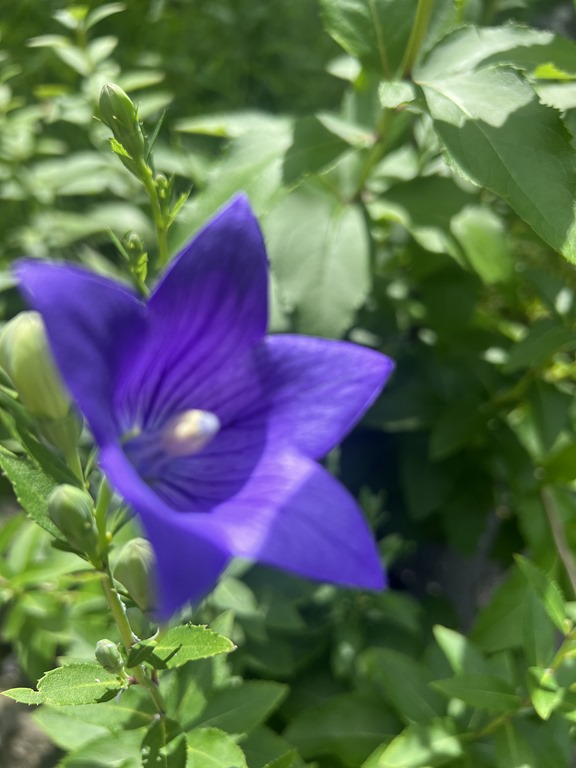
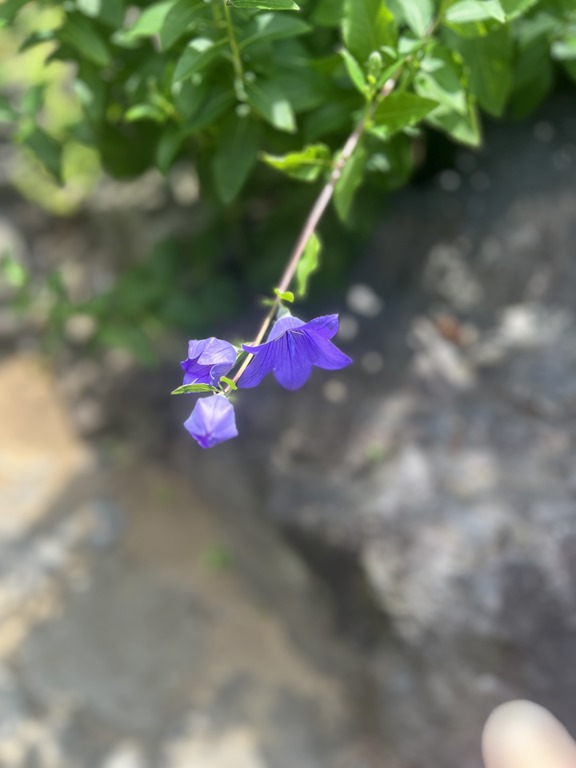
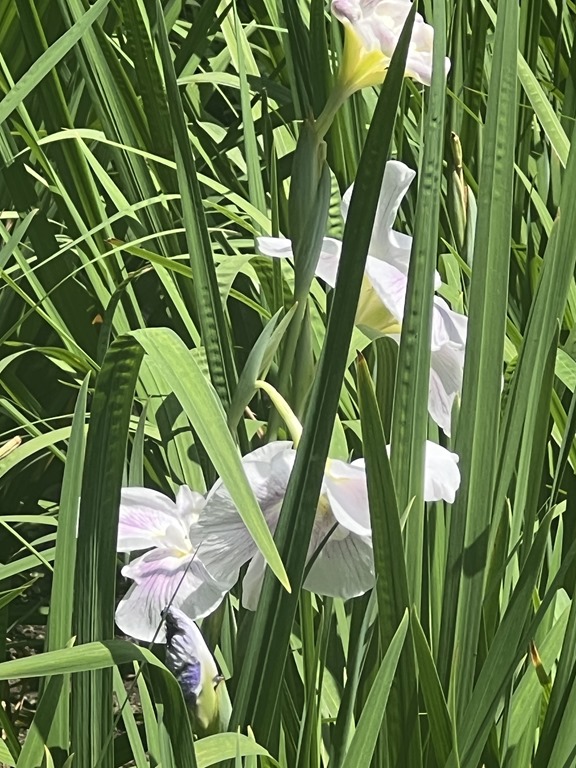
There is a plum orchard, seasonal flower beds (right now iris is in season and we did see a few balloon flowers which will bloom soon.) There is also a rice paddy field which is to symbolize how important rice is to Japanese people. There are many water lilies. IMG_0301~photo - Copy - CopyIMG_0302~photo - Copy - CopyIMG_0303~photo - Copy - CopyIMG_0305~photo - Copy - CopyIMG_0306~photo - Copy - CopyIMG_0308~photo - Copy - CopyIMG_0309~photo - Copy - CopyIMG_0310~photo - Copy - CopyIMG_0311~photo - Copy - CopyIMG_0312~photo - Copy - CopyIMG_0313~photo - Copy - CopyIMG_0314~photo - Copy - CopyIMG_0315~photo - Copy - CopyIMG_0316~photo - Copy - CopyIMG_0317~photo - Copy - CopyIMG_0318~photo - Copy - CopyIMG_0320~photo - Copy - CopyIMG_0321~photo - Copy - CopyIMG_0322~photo - Copy - CopyIMG_0323~photo - Copy - CopyIMG_0324~photo - Copy - CopyIMG_0325~photo - Copy - CopyIMG_0327~photo - Copy - CopyIMG_0328~photo - Copy - CopyIMG_0329~photo - Copy - CopyIMG_0331~photo - Copy - CopyIMG_0334~photo - Copy - CopyIMG_0335~photo - Copy - CopyIMG_0337~photo - Copy - CopyIMG_0338~photo - Copy - CopyIMG_0339~photo-full - CopyIMG_0340~photo - CopyIMG_0343~photo - CopyIMG_0346~photo - CopyIMG_0348~photo - CopyIMG_0350~photo - CopyIMG_0351~photo - CopyIMG_0354~photo - CopyIMG_0355~photo - CopyIMG_0356~photo - Copy

We got back to the tower, walked to the nail salon where I had a meticulous gel manicure (they do not do dip powder here in Japan). The manicurist spoke English and did a great job.  It looked like the salon was attached to her apartment and her cat was in the next room so she takes one client at a time.  I was lucky to find her.

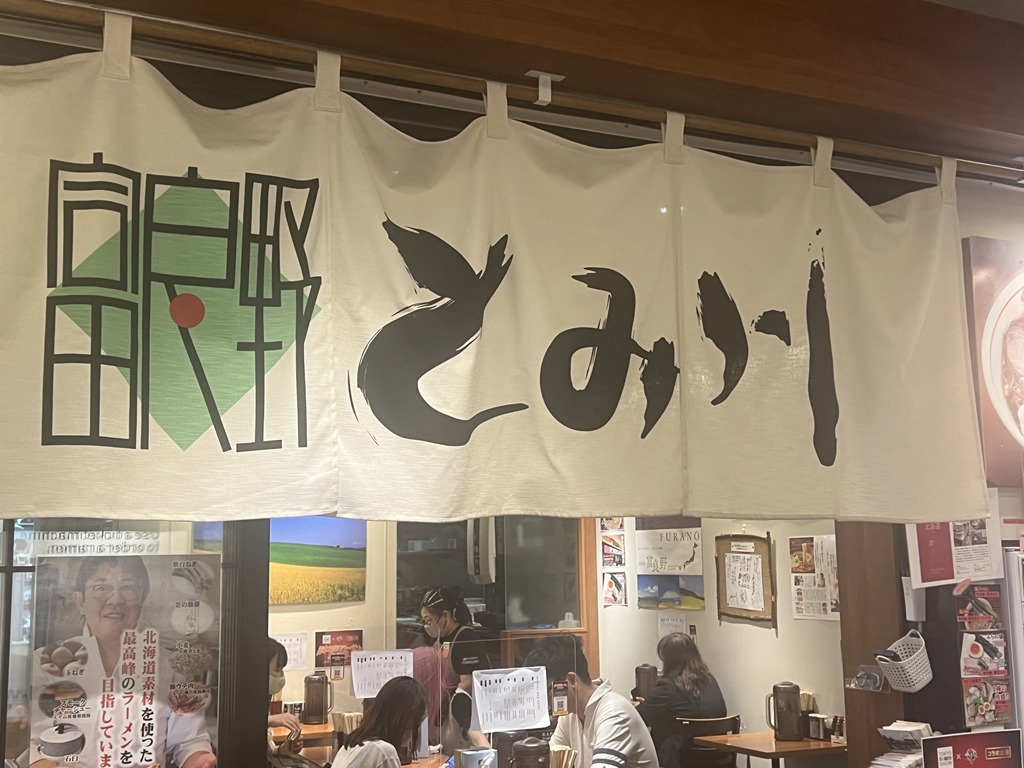
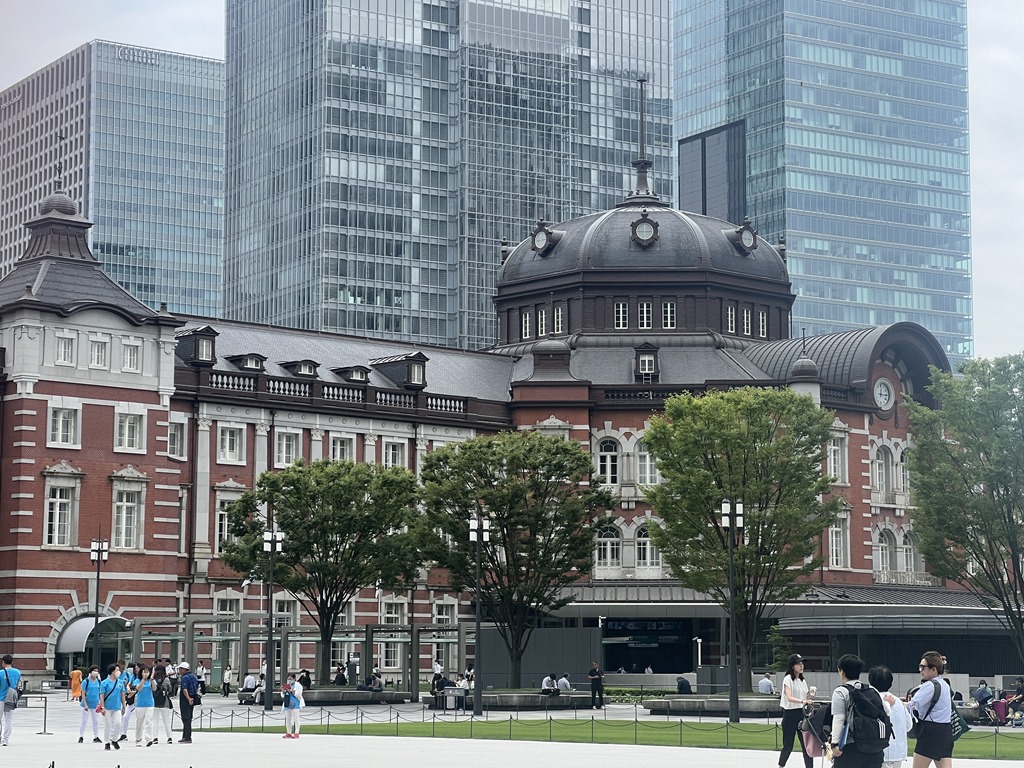
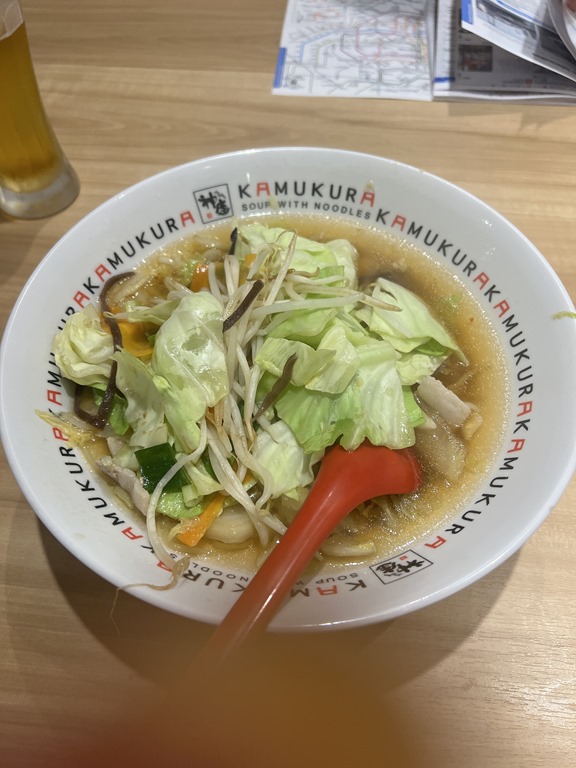
After the manicure, we took the train back to the Tokyo Station where we found Ramen Street and yes, had another ramen lunch. 

IMG_0365~photoIMG_0367~photoIMG_0368~photoIMG_0369~photo

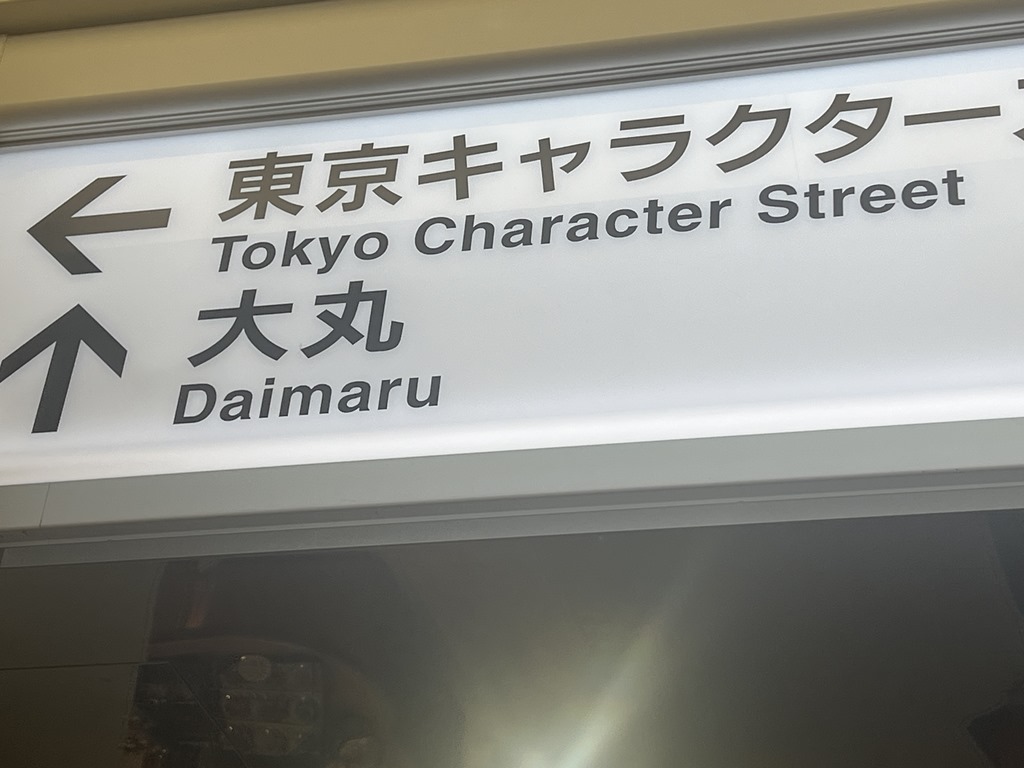
This area also has a character street where almost any kind of children’s toy can be found.

IMG_0370~photoIMG_0371~photoIMG_0372~photoIMG_0373~photoIMG_0374~photo

After another exhausting day crisscrossing Tokyo, we again took the train and the monorail back to the ship.

IMG_0298~photoIMG_0294~photoIMG_0295~photo

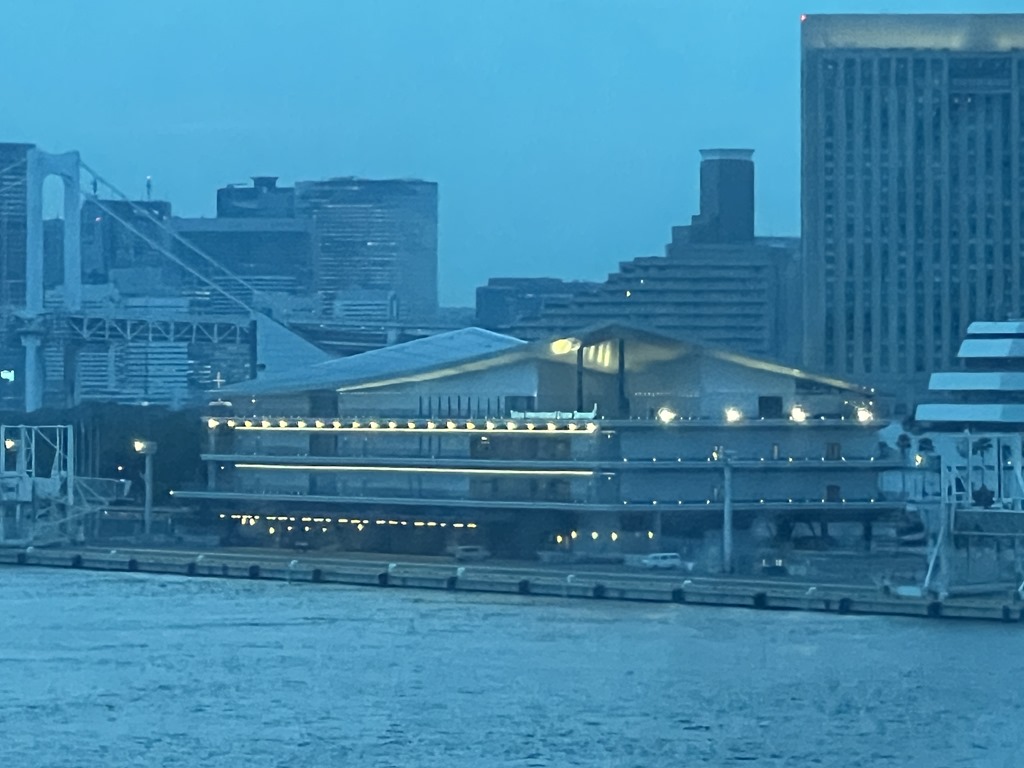
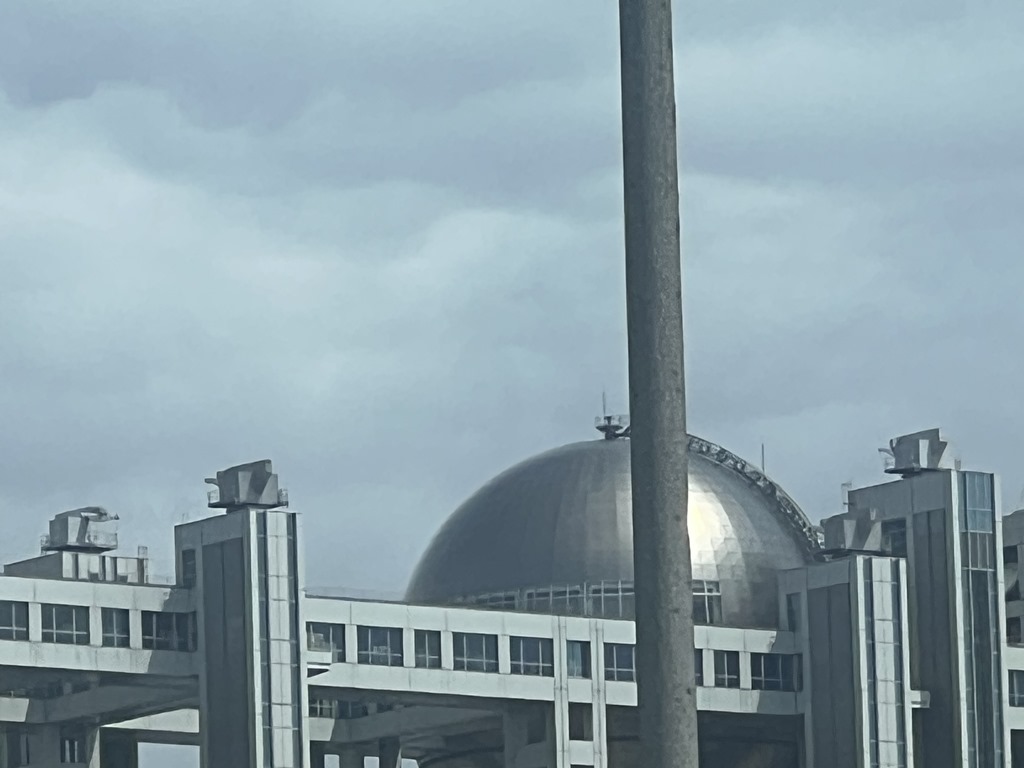
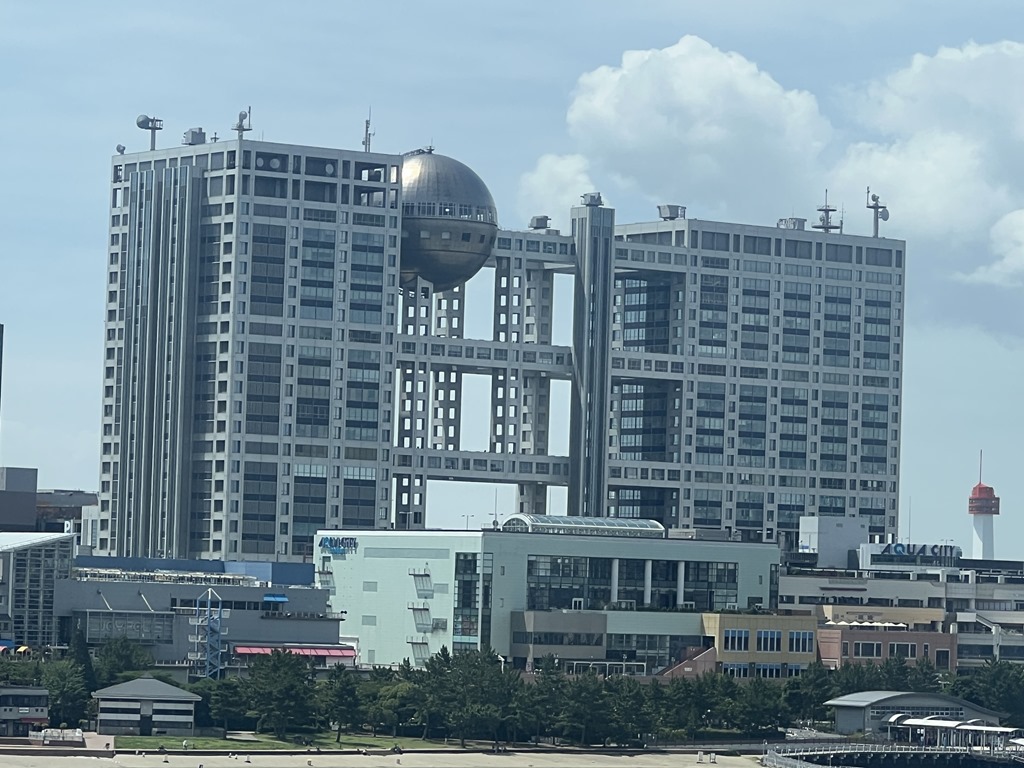
We had dinner in Polo and had a great table at the aft of the ship.  Here’s the marine museum that is shaped like a ship and the cruise terminal as we left Tokyo.

 IMG_0379~photoIMG_0377~photo

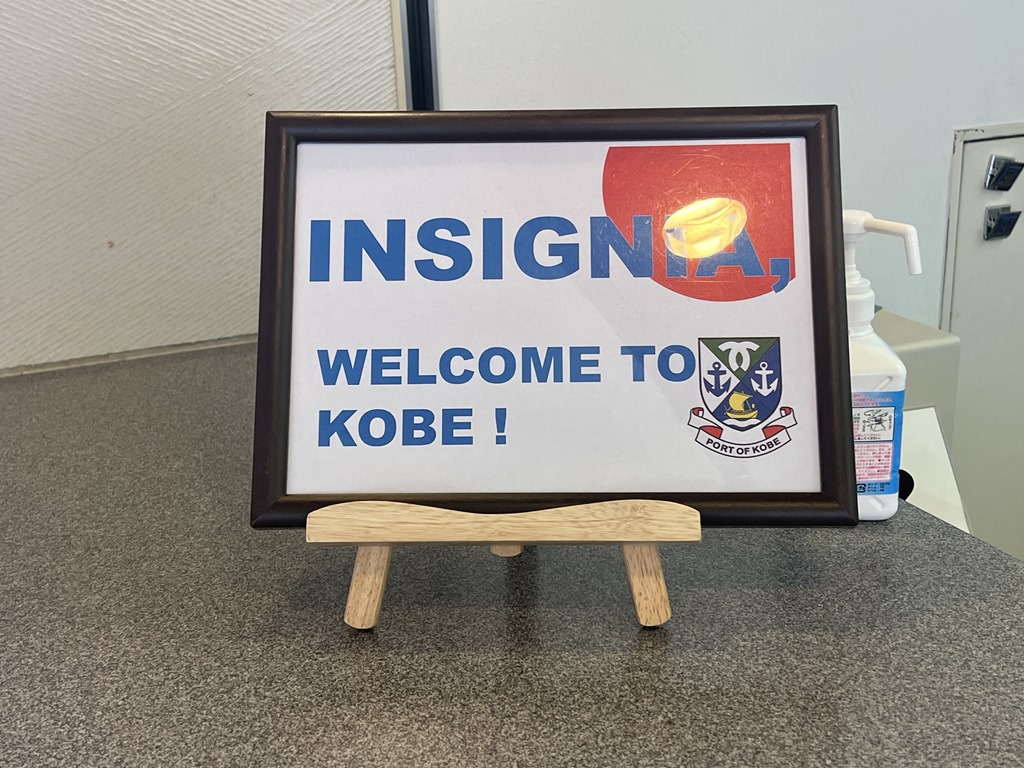
And this was on the reception desk when we got back after our exploration of the city!

IMG_0375~photo

Posted in Asia, Excursions, Food, June, World Cruise #4 | 1 Comment

Tokyo, Japan–Day 1

June 20, 2023

Before we arrived in Tokyo, we realized that the Tokyo Tower was listed as one of the places we would visit on both days – the first day was “Panoramic Tokyo” which included the tower, and the second day was “Tokyo Garden and Tower”. I don’t really know how we missed that info, but I guess planning excursions for 6 months might be some excuse!  It turned out to be helpful because I still needed to find a place to get my nails done and now we had a specific location   (near the tower) to look.  The city is huge and while I had lots of names of places, we had no idea where they were.  So I found one, she had an English website with a scheduling app and I was able to make an appointment for our second day in port – walking distance from the tower.

Here is our arrival in Tokyo.

IMG_0231~photoIMG_0232~photoIMG_0234~photoIMG_0235~photoIMG_0236~photoIMG_0237~photoIMG_0238~photo

Today our guide was Muchi. 

IMG_0243~photo

She told us that Tokyo has 14 million population out of 126 million in all of Japan. Edo was the original name of Tokyo. Tokyo means “Eastern Capital”.  The early days were ruled by the Shogun and were feudal times.  Emperors replaced the Shoguns and Japan still has an Emperor who is a symbol of the state but has no political function and is ceremonial.  The leader is a prime minister.

We passed the Diet which is the parliamentary building, and the Imperial Palace grounds.  The Emperor resides at the palace and while the surroundings are open to the public, the actual palace is only open two days a year – January 2 and the Emperor’s birthday, February 25. There is a grove outside the palace with 500 pine trees.   We visited the palace grounds on our last visit to Tokyo.

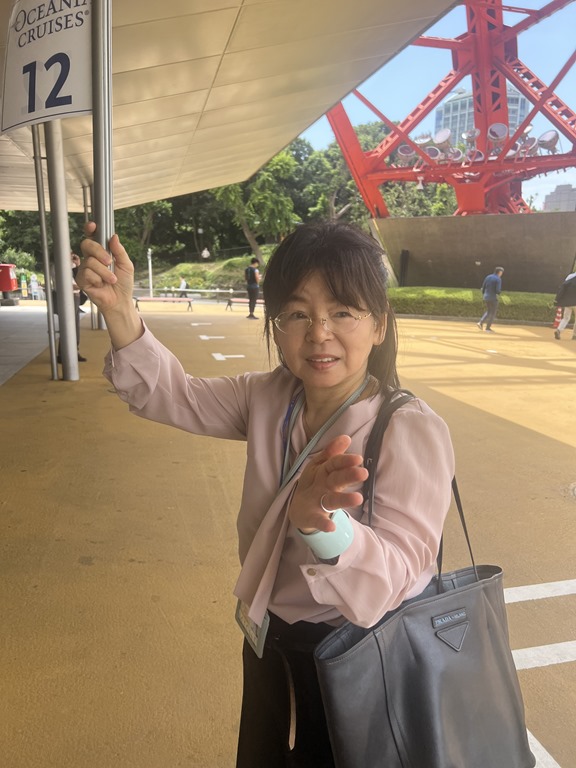
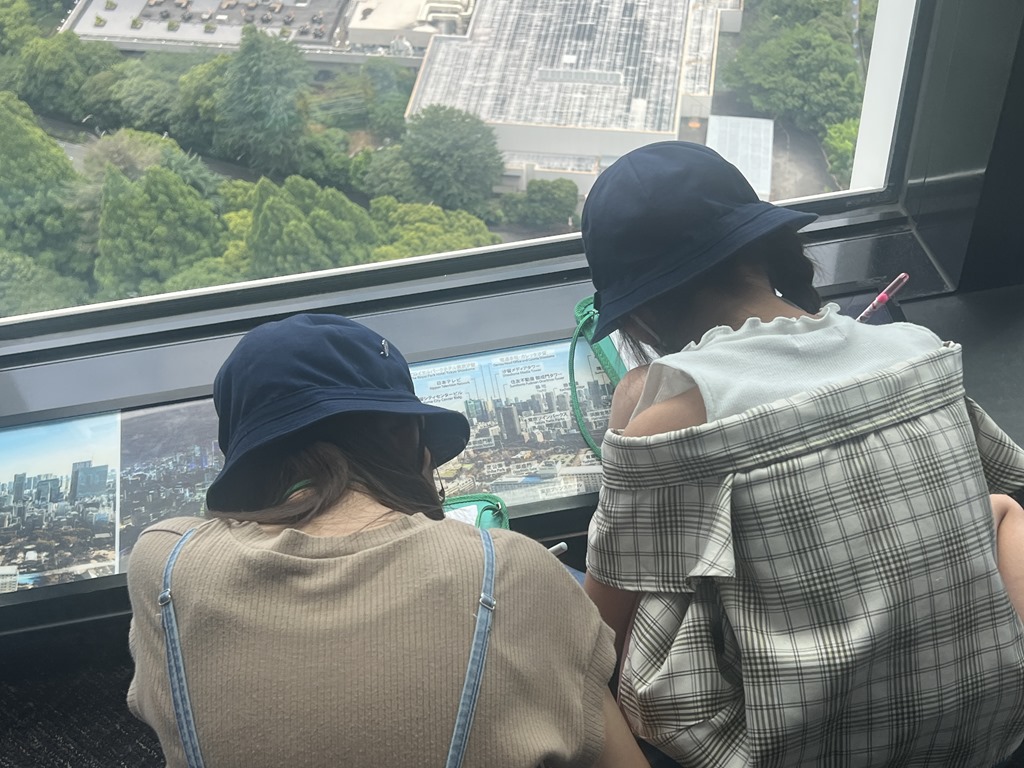
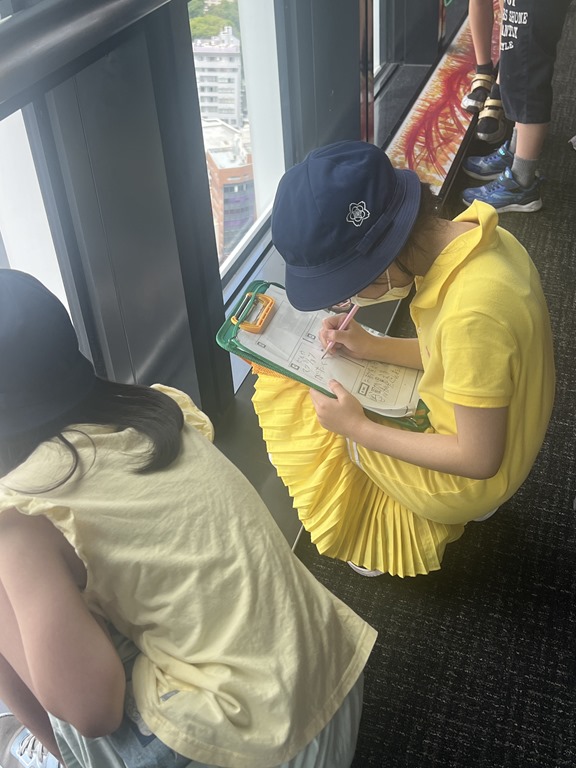
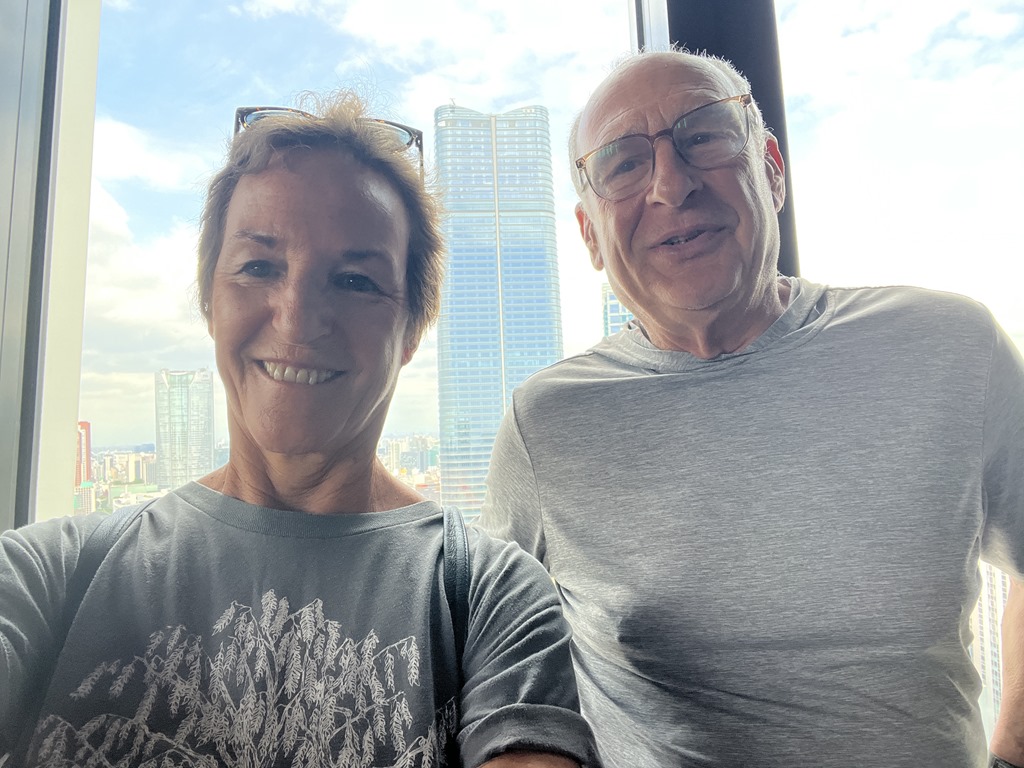
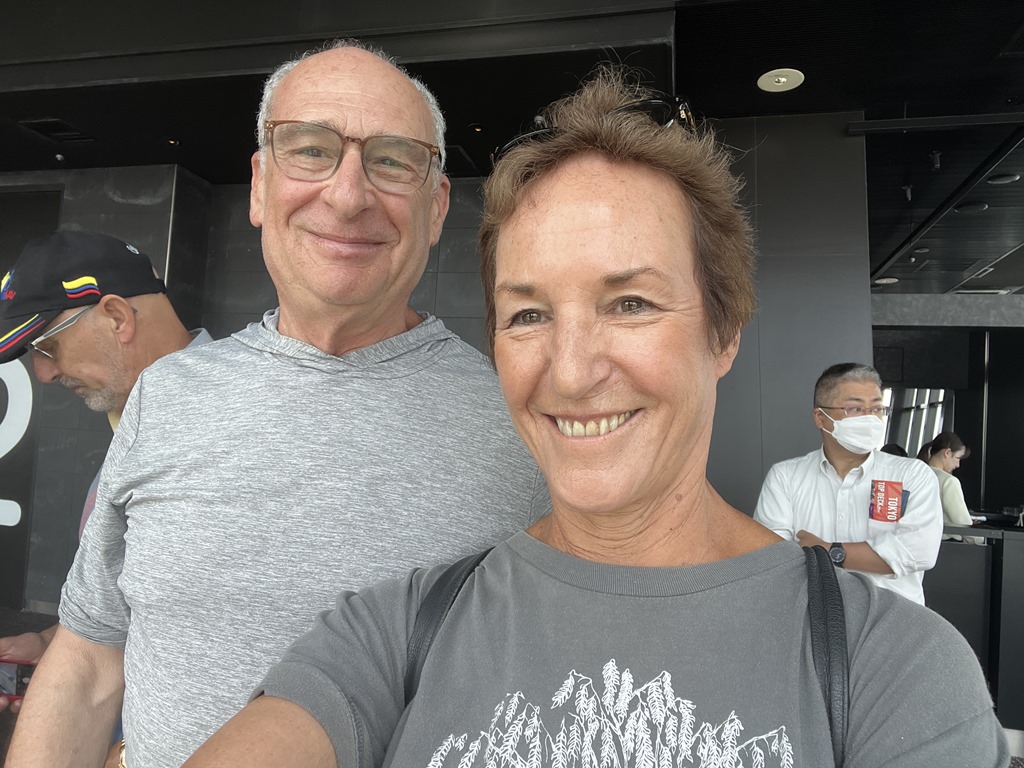
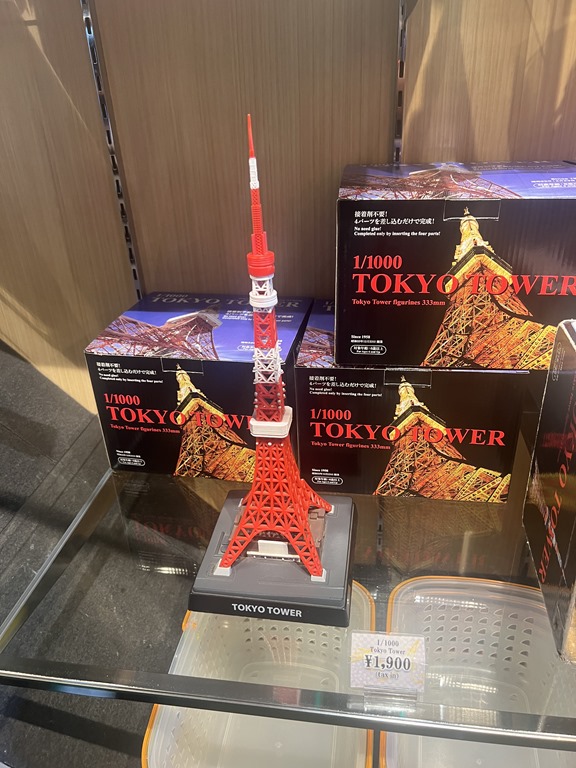
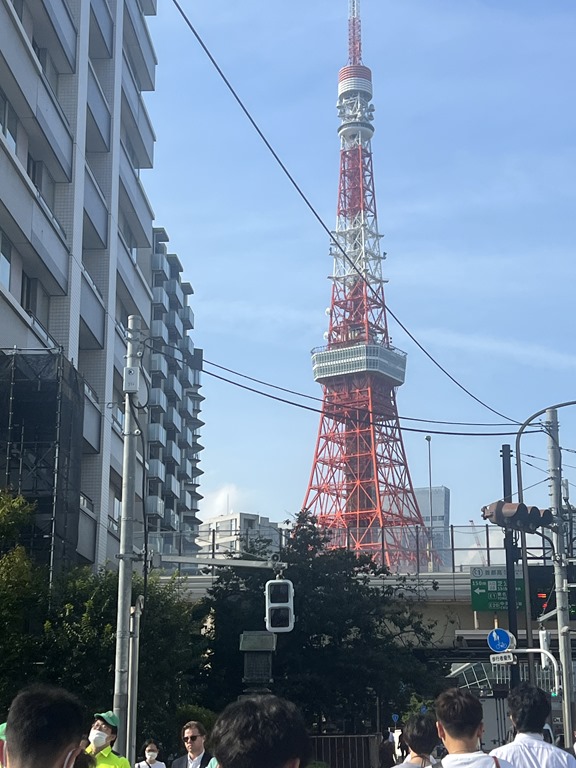
The Tokyo Tower is a broadcasting tower that was designed to look like the Eiffel Tower.  It was built in 1968 and is 333 meters high. We went to the observatory at 150 meters.  Again, it was pretty hazy and hard to see very far.  But what was so interesting was the groups of school children carrying packs with note taking areas who were at the various viewpoints taking notes.

IMG_0246~photoIMG_0248~photoIMG_0249~photoIMG_0250~photoIMG_0252~photoIMG_0257~photoIMG_0258~photoIMG_0260~photoIMG_0281~photo

I would say that you see about half the people here wearing masks. They are not mandatory and some people wear them all year around because of the sun, pollution and also germs.

IMG_0256~photo

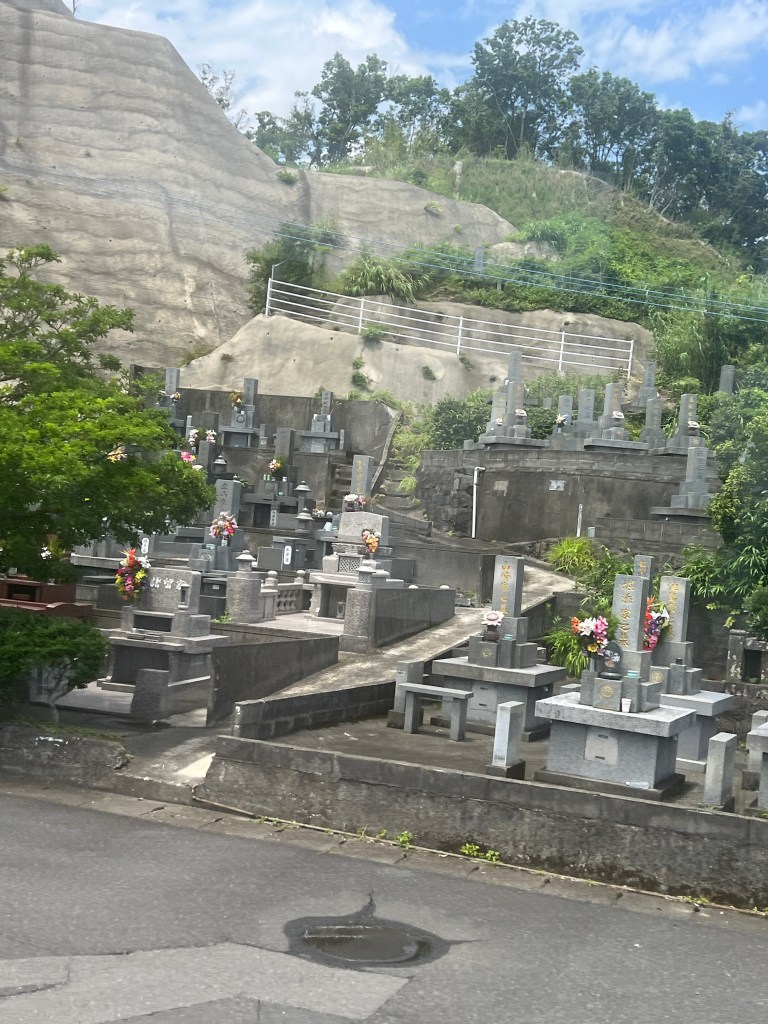
You see many cemeteries close to city buildings.

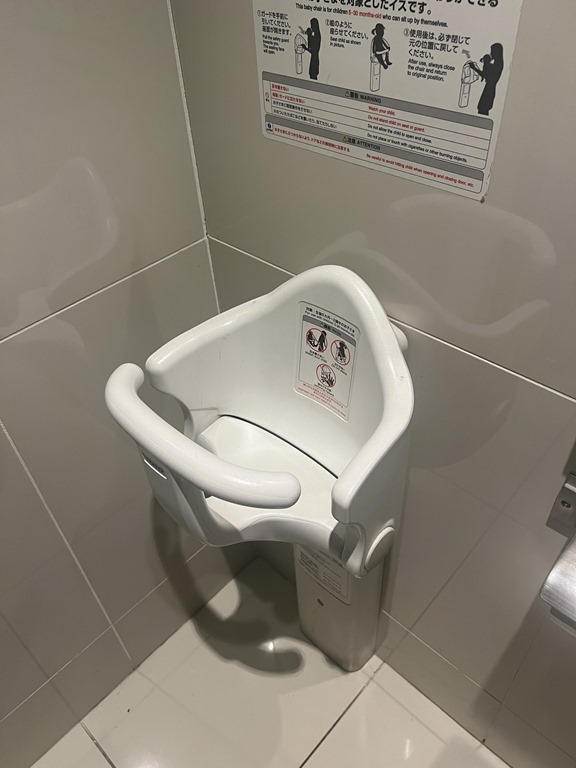
Again, the rest rooms are very clean, modern and interesting.  They have seats for children right in the women’s stalls too so they are safe while their moms are using the toilet.

IMG_0362~photoIMG_0363~photoIMG_0364~photo

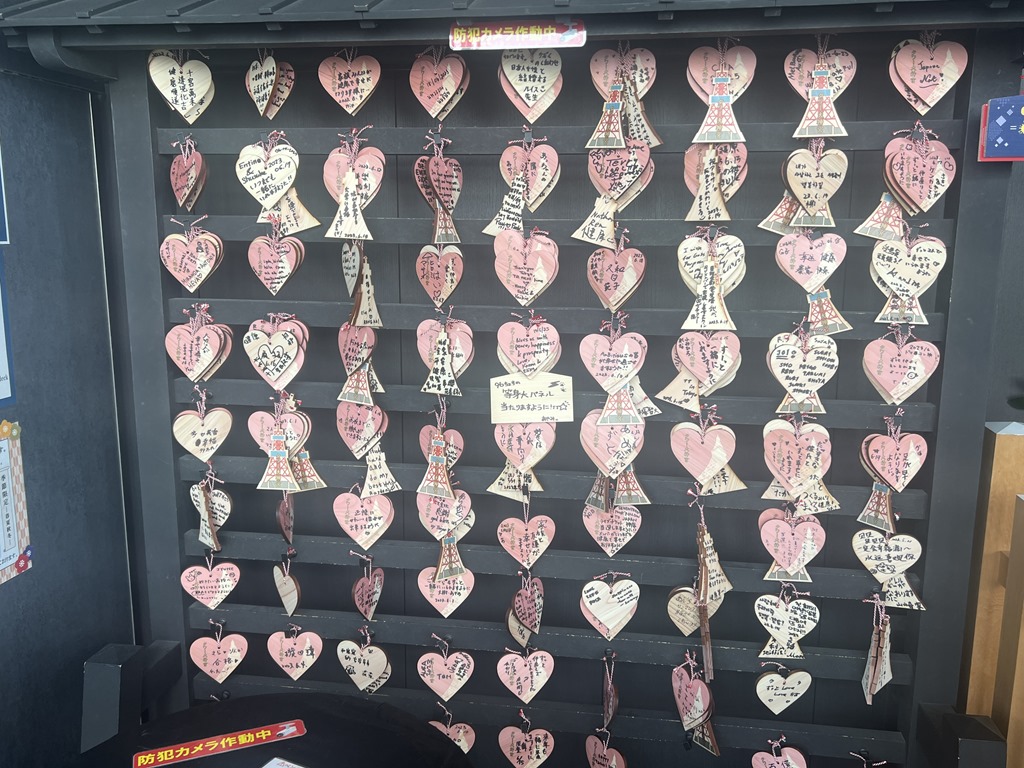
These are wooden hearts and towers that people write their wishes on and hang on this board.  You see these in many places.

IMG_0254~photo

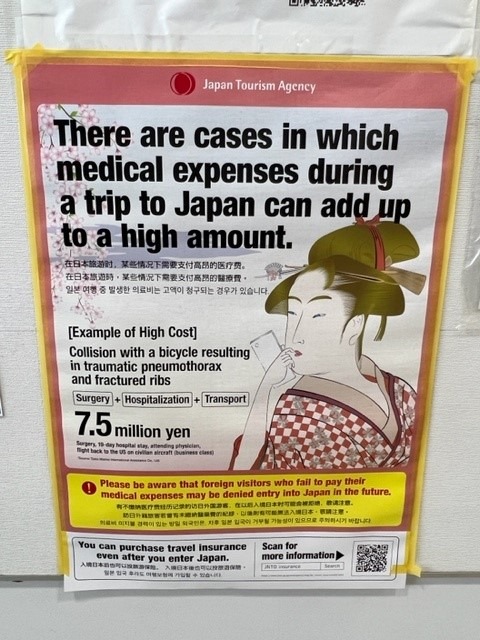
In every city we see this poster that warns you, as a foreign tourist, about the high cost of Japan’s medical system of you have an accident or need care.  They are in the train stations and cruise terminals.

japan medical

After the tour, we told the guide we wanted to leave the bus and get back to the ship on our own.  We are here overnight, so we wanted to explore, so we let our guide know and set out.  We wanted to see where the nail salon was so that tomorrow we wouldn’t have to search around too long. I have to mention how incredibly polite and helpful every single person we met was.  In fact, they were willing to miss their trains to help us.  A young woman led us to the salon which we were close to, but might have gone around and around the block if she hadn’t shown us exactly where it was.

We bought a 2 day subway pass (about $8 US) and went to the Tokyo Station where we had thought we would meet Erin and Mui for a ramen dinner.  But it was way too early and we didn’t know if we would be there too late, so we had a late lunch instead. food you ordered.

pat subwayjapan subway

Pat figuring out what station we wanted. 

The station from the outside.

IMG_0269~photoIMG_0270~photo

The underground station is HUGE and not always easy to navigate, but we found a nice place and had our ramen.  You push the button for what you want (pictures and in Japanese – some have English too), pay and get a ticket, then they take you to your seat and bring the

IMG_0271~photoIMG_0272~photoIMG_0273~photo

The food was so delicious and filling that I had ice cream for dinner.  Yes, just ice cream.

We did some more exploring – Japanese Iris is also in season now.

IMG_0274~photoIMG_0275~photoIMG_0276~photo

Before heading back to the ship, we stopped for a snack and a drink in the Shinjuku section of the city which is known as the entertainment area.  There are lots of bars and restaurants and there are designated smoking areas on some streets. There are “smoking patrol” officers  walking around to be sure no one smokes anywhere else. We took the subway and soon realized that there are three transit systems and our ticket was only for the subway- which turned out just fine.  The routes are in different colors and the stops are numbered making it easy to follow once you know where you are going!

IMG_0282~photo - CopyIMG_0283~photo - CopyIMG_0285~photo - CopyIMG_0287~photo - CopyIMG_0288~photo - CopyIMG_0290~photo - CopyIMG_0291~photo - CopyIMG_0292~photoIMG_0293~photo

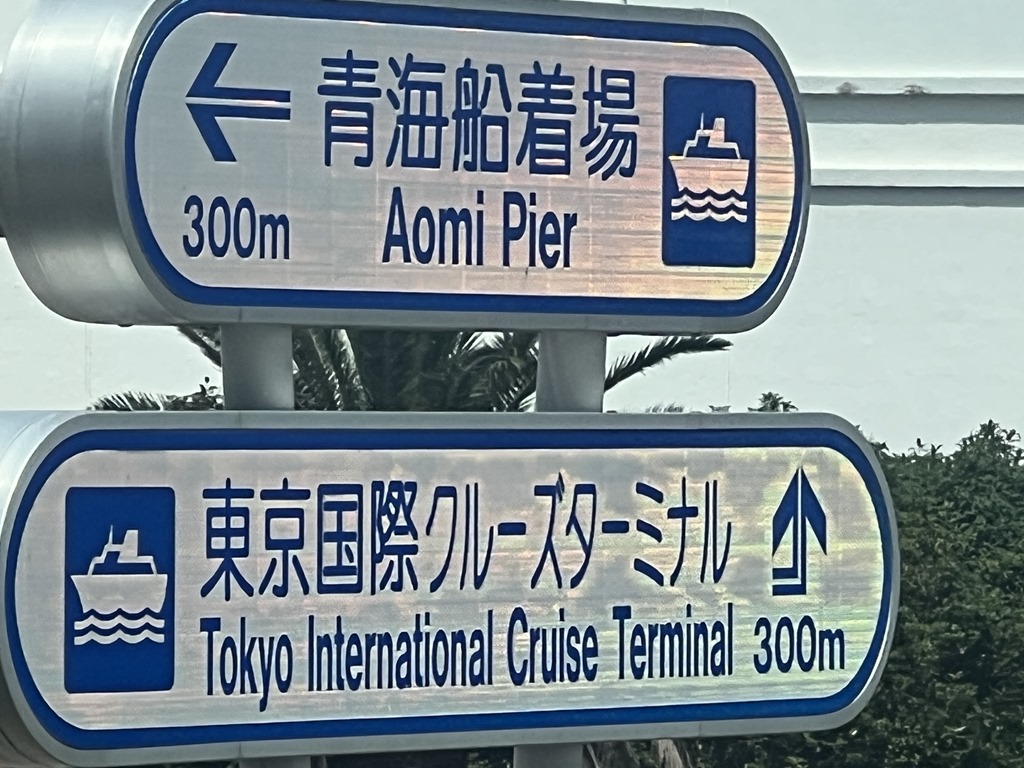
We took the subway back to the monorail station that takes you to the new international cruise port where our ship is docked.  It was not built in 2019 when we were last here and it is beautiful. 

Here is the nighttime view.

 IMG_0296~photoIMG_0297~photoIMG_0299~photo

At night we had a movie and popcorn! And we will be ready for our second day in wonderful Tokyo. 

Posted in Asia, Excursions, Food, June, World Cruise #4 | 1 Comment

Shimizu, Japan

June 19, 2023

Shimizu is considered one of Japan’s three most beautiful ports.  On a clear day, you can see Mount Fuji but our day was not clear enough to spot it. It is a UNESCO World Heritage site and is 10,000 meters high.  The last eruption was 300 years ago.  It is the snow covered picture with cherry blossoms in the background that is on most tourist brochures.
Here are some pictures of our sail in.  It seems every city has a ferris wheel! We arrived at noon.

IMG_0078~photoIMG_0079~photoIMG_0080~photoIMG_0081~photo

Our guide today was Sitsko and she said the meaning of her name is “prudence”. She talked a lot about the aging of the society and concern for the future. Our tour today is to the Kunozan Toshugo Shrine and the Kashinoichi Fish Market.

IMG_0082~photo

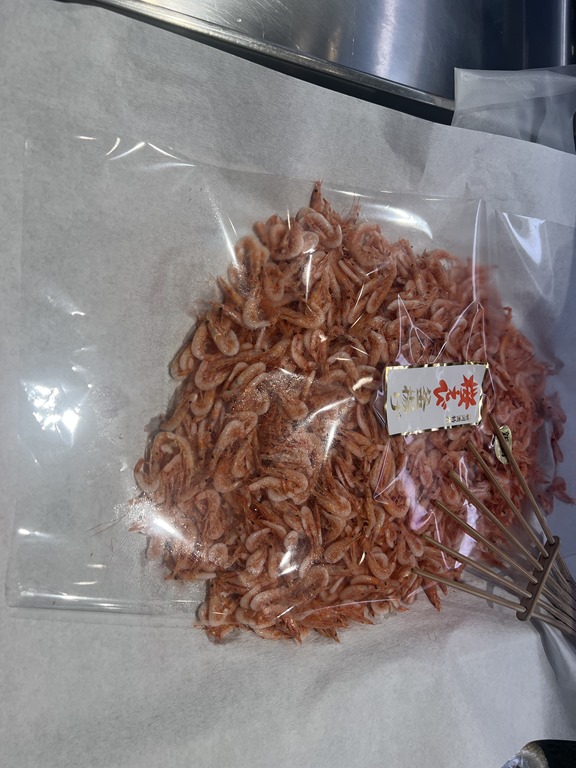
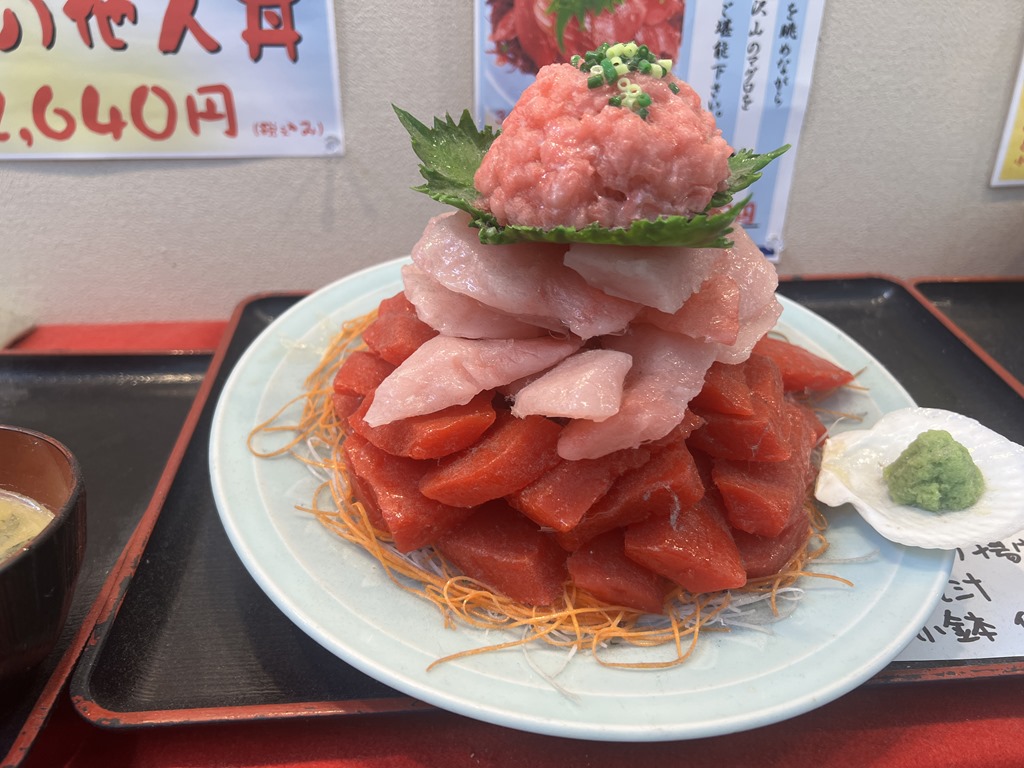
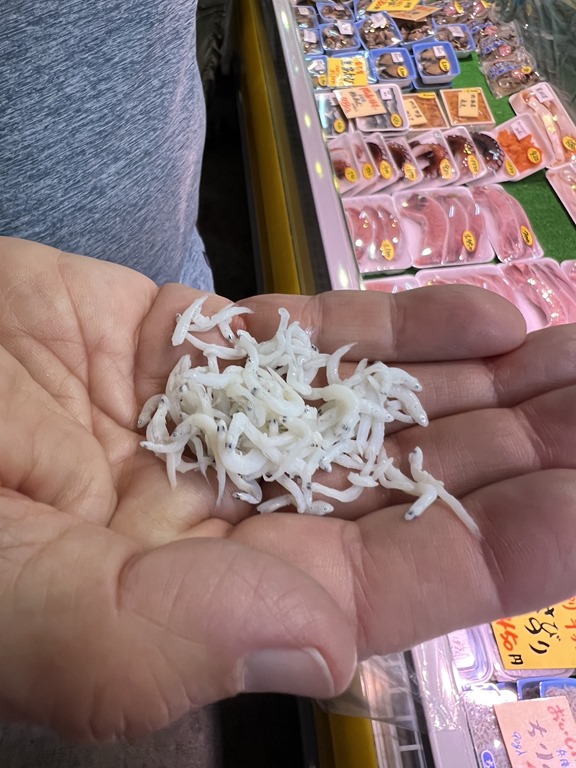
The fish market was the first stop on the tour. The area supplies half of all the tuna in Japan, the number one haul in the country.  Other local delights are the sakura shrimp (a small, crunchy variety found only in the area) and young sardines called shirasu.

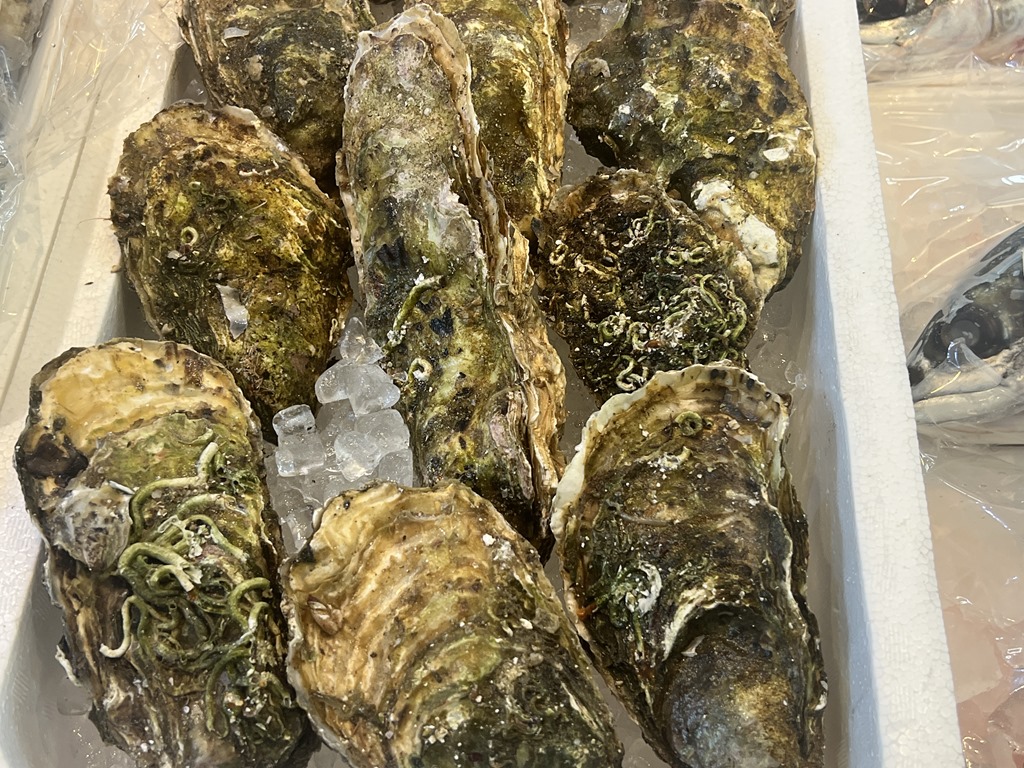
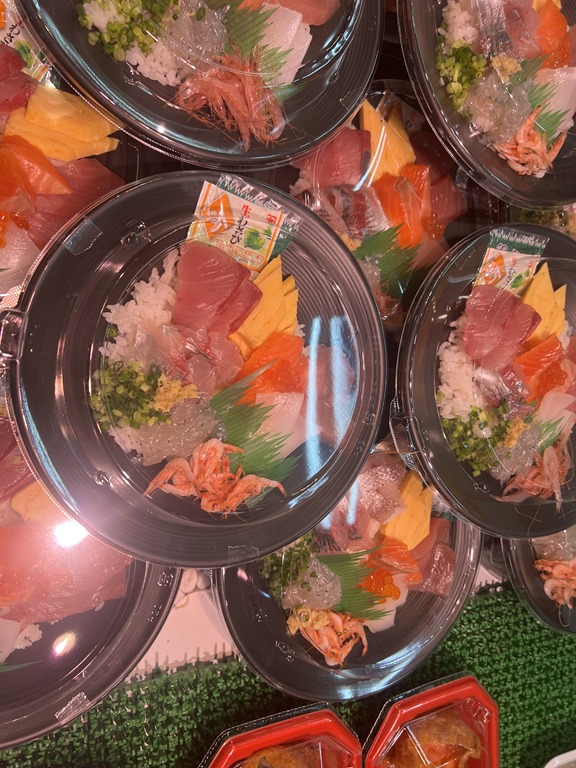
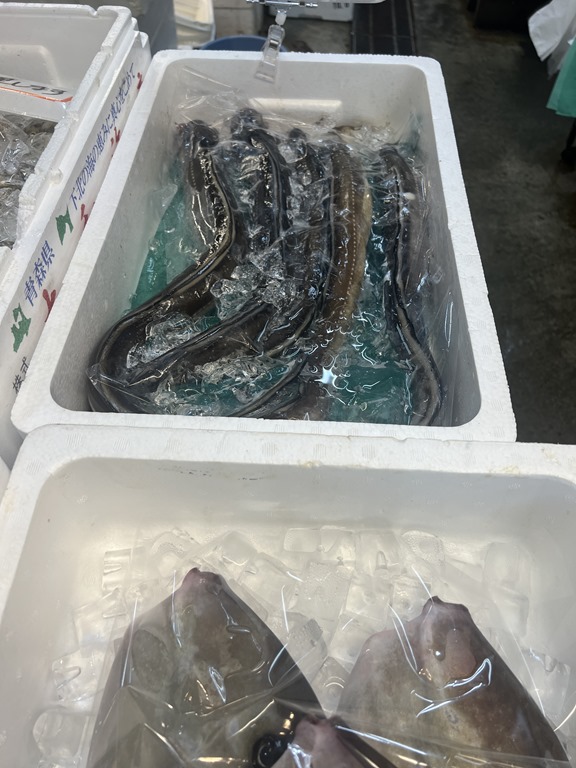
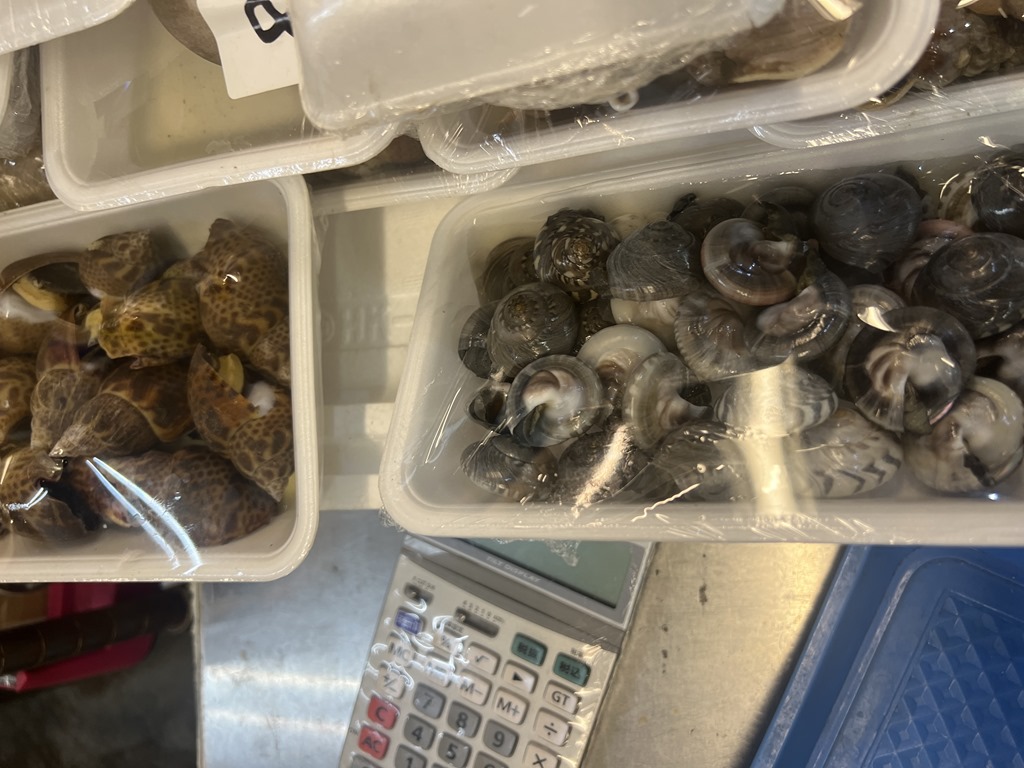
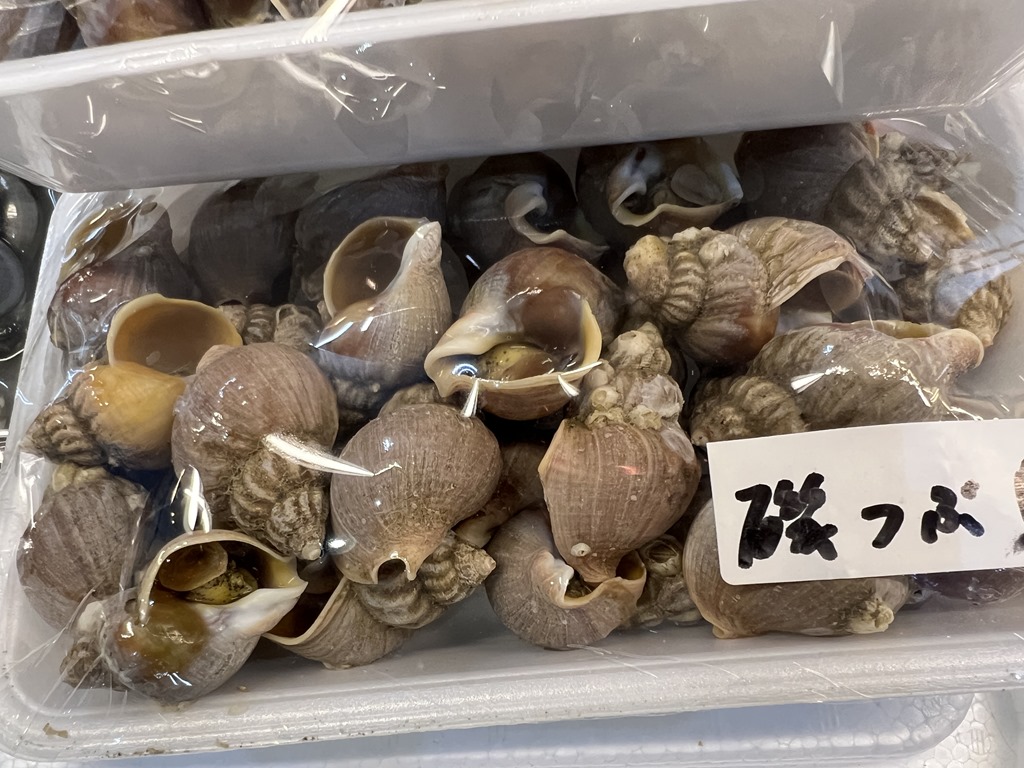
The market, like everything in Japan, was spotless.  All of the cut fish or fish for sale was wrapped.  There was no smell at all.  Here are some of the beautiful displays of fish, oysters, shellfish, etc.

IMG_0087~photoIMG_0088~photoIMG_0089~photoIMG_0090~photoIMG_0091~photoIMG_0093~photoIMG_0094~photoIMG_0095~photoIMG_0098~photoIMG_0099~photoIMG_0100~photoIMG_0101~photoIMG_0102~photoIMG_0106~photoIMG_0108~photoIMG_0111~photoIMG_0112~photoIMG_0127~photoIMG_0128~photoIMG_0136~photo

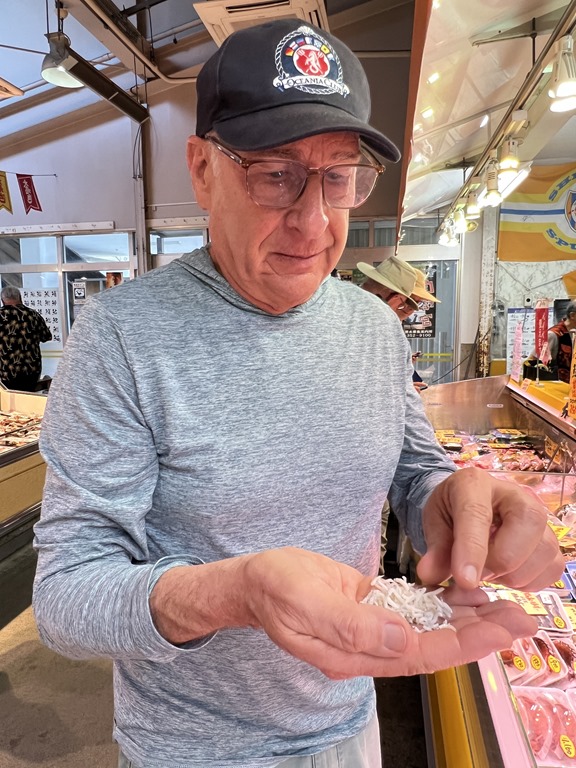
This is the shirasu. Norm tasted it and offered it to others.  I passed on that one.  He said it was salty and crunchy.

IMG_0113~photoIMG_0115~photo

After our walk through the market, we went to the restaurant upstairs and enjoyed a wonderful meal. You could choose to have sake if you wanted it.

IMG_0118~photoIMG_0119~photoIMG_0120~photoIMG_0121~photoIMG_0122~photoIMG_0124~photoIMG_0210~photoIMG_0138~photo

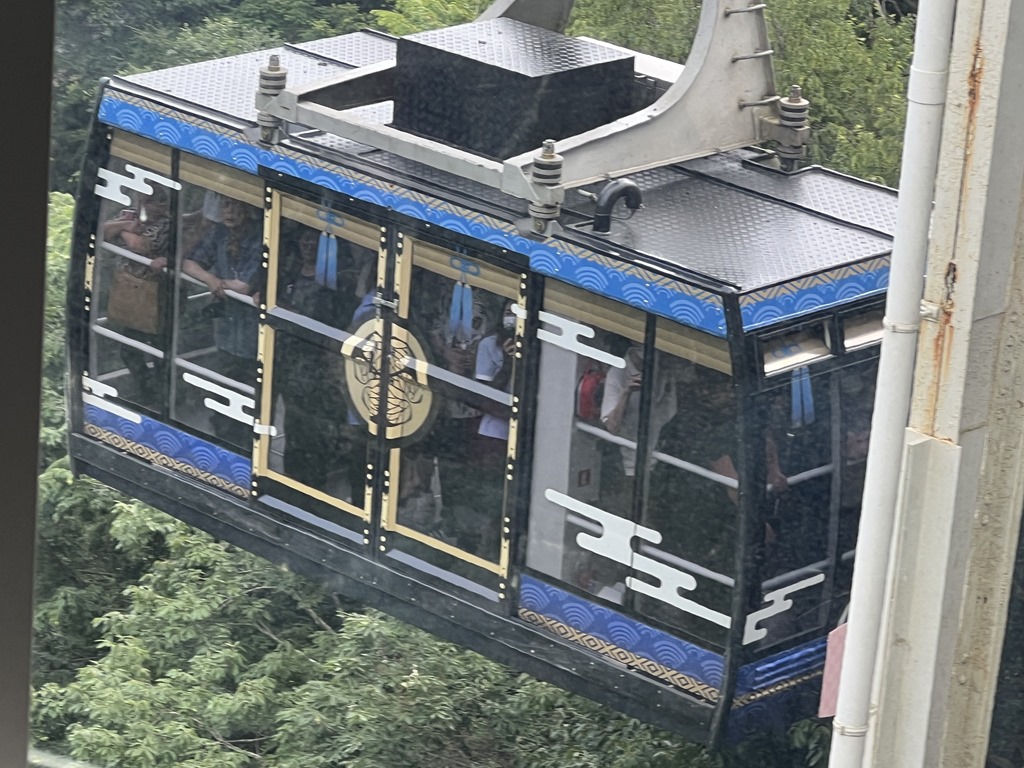
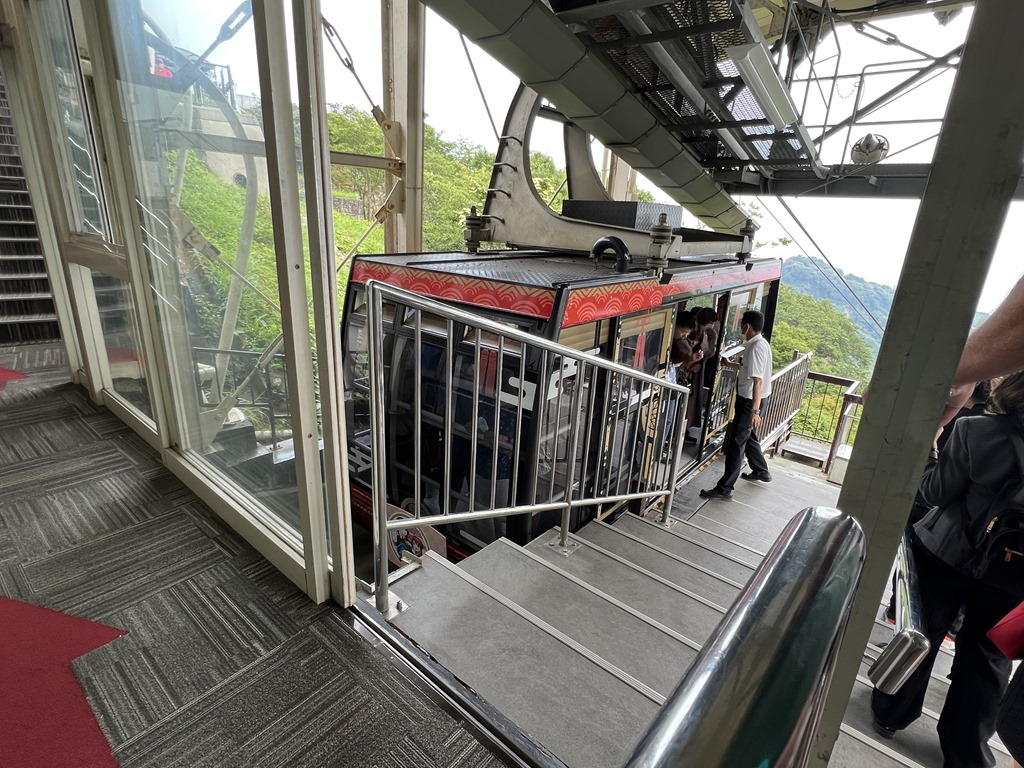
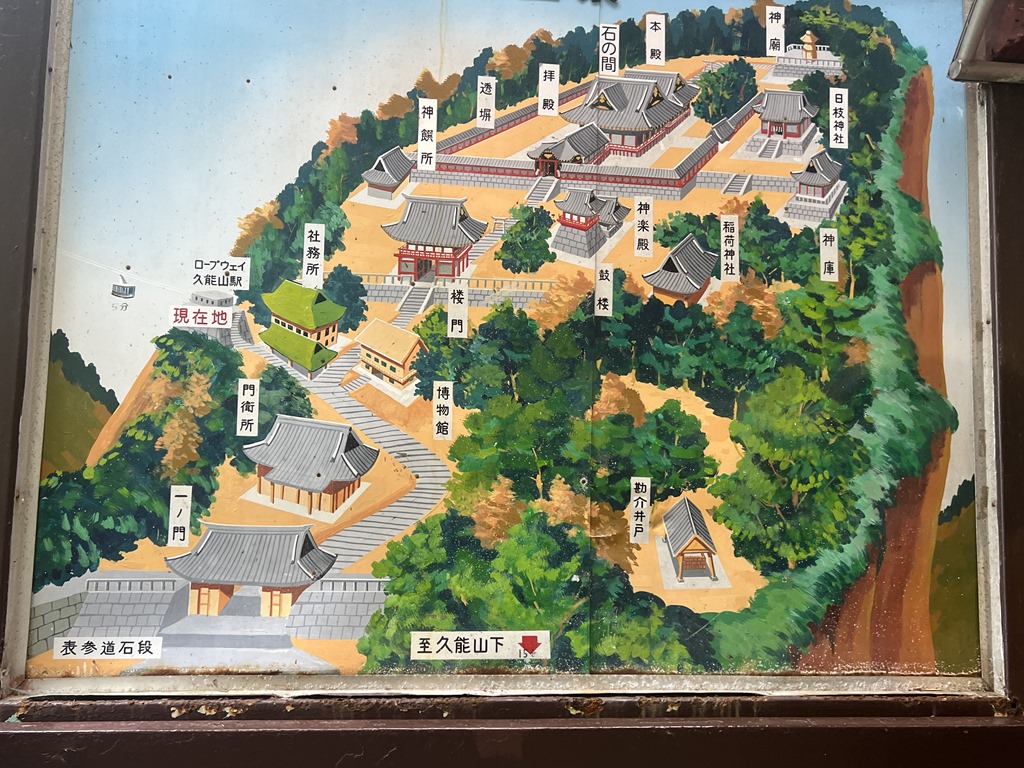
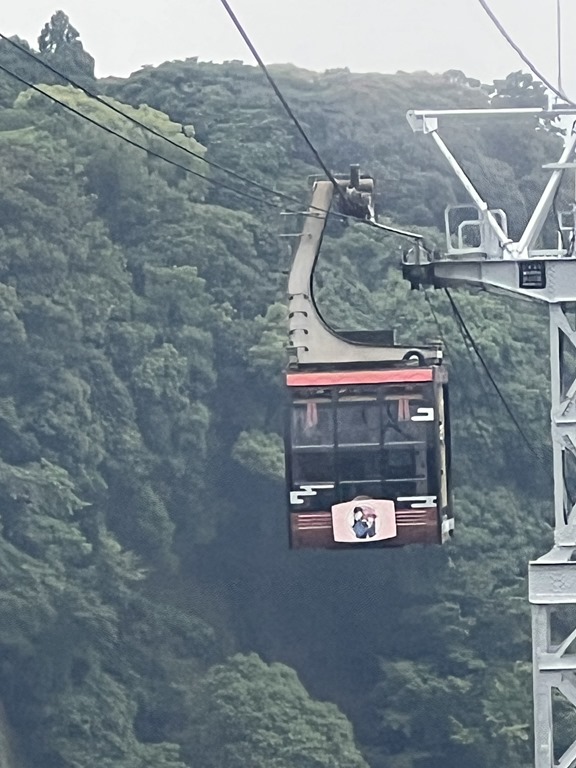
Our next stop was at the Kunozan Toshugo Shrine.  We took a cable car down the mountain to the shrine.

IMG_0143~photoIMG_0144~photoIMG_0147~photoIMG_0149~photoIMG_0150~photo

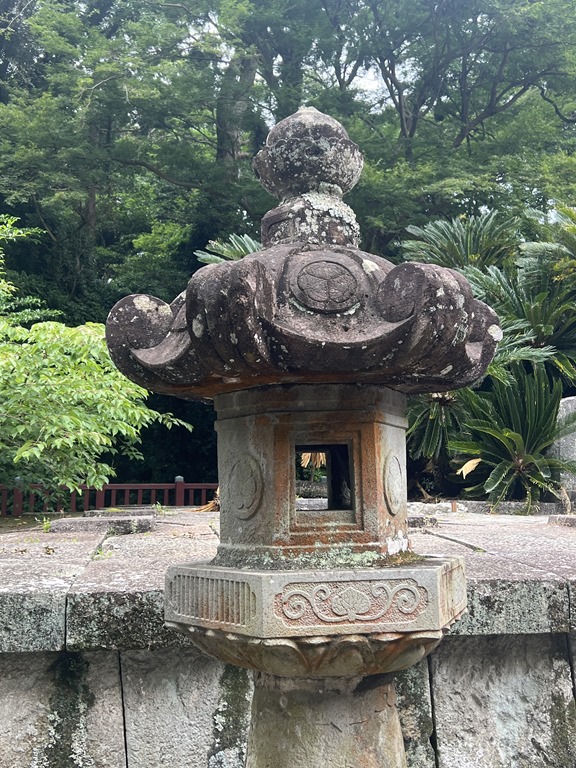
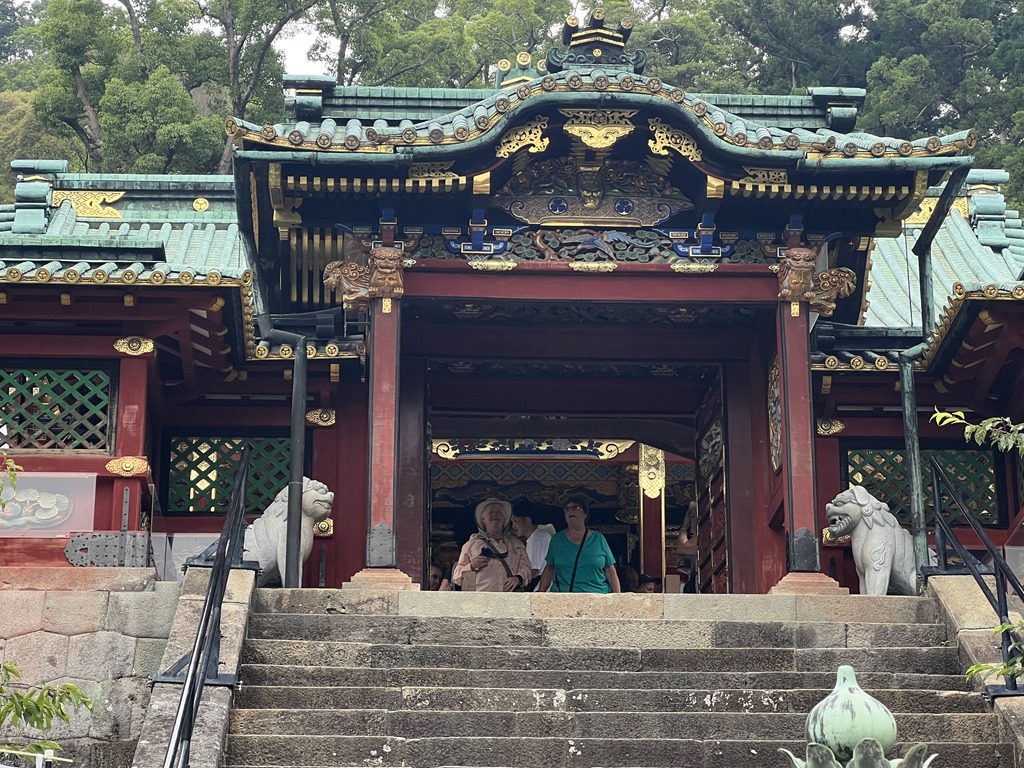
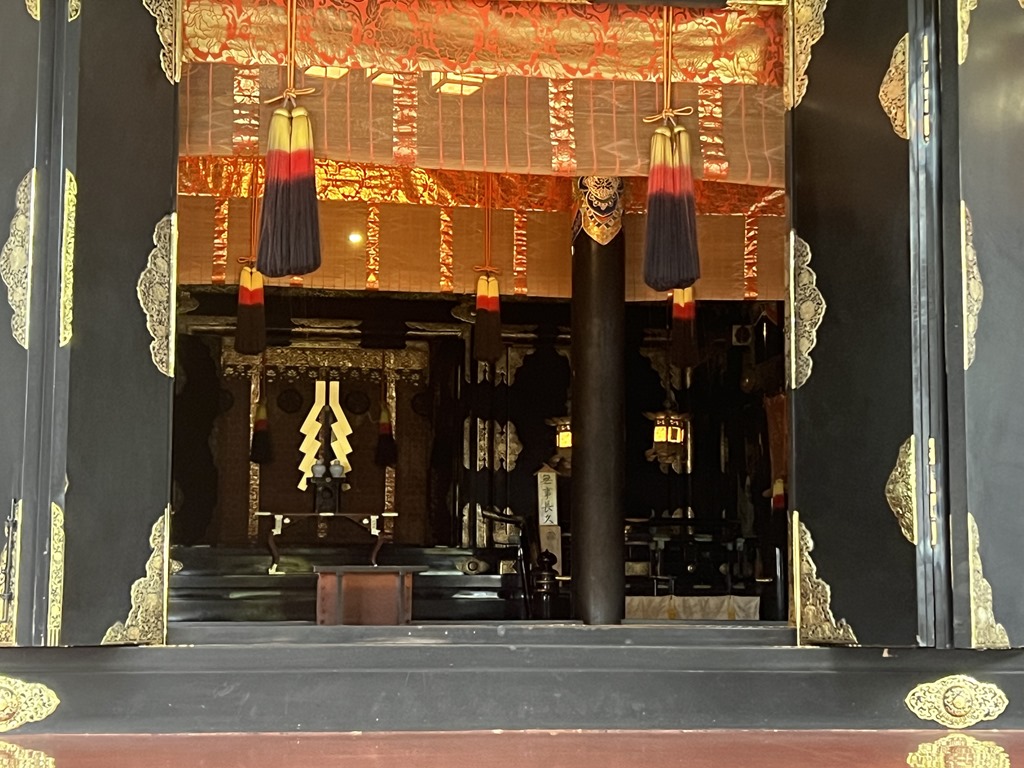
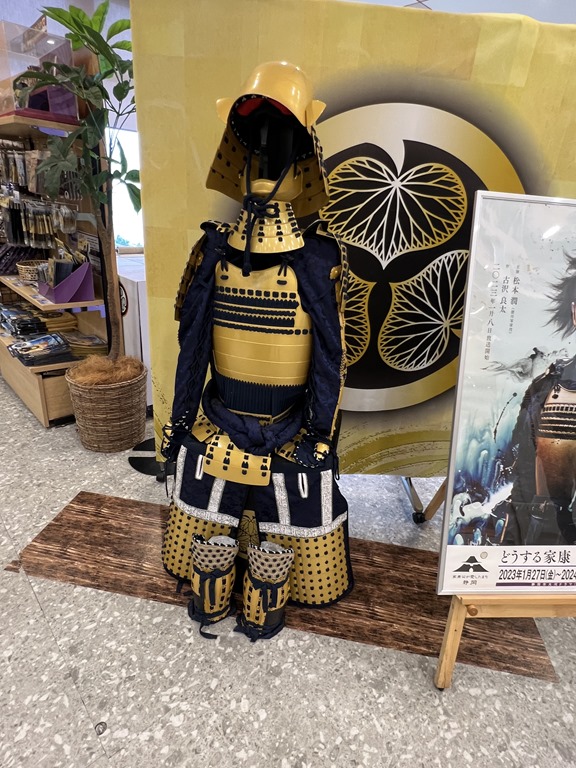
The shrine itself was built in 1617 for Ieyasu Tokugawa to be enshrined by the order of his son Hidetada.  The shrine includes the main building which was designated as a national treasure, as well as 13 other buildings designated as important national cultural properties. Some of the buildings are beautifully painted with lacquers and decorated with gold foils.  They have remained since they were built and the wooden materials including pillars are original. They have been repainted every 50 years to preserve them.

Interesting that Sitsko said that the temples are mostly historical sites, Japanese people are generally not religious.

IMG_0152~photo

There is a carved picture at the front of the main building.  It depicts the ancient Chinese story of Shiba Onko, an ancient Chinese politician that is called “A story of broken pot.” When Shiba Onko was a child, he was playing with some of his friends and one fell into a large pot full of water.  Although he knew that his father treasured the pot, Shiba Onko broke the pot with a stone to save his friend.  Later the father praised his son, saying “you can buy another pot with money but you can’t buy your friend’s life.  The story can be interpreted as a message to tell us that there’s nothing more important than human life.

The father, Ieyasu, was buried according to his will farther up behind the main building of the shrine.

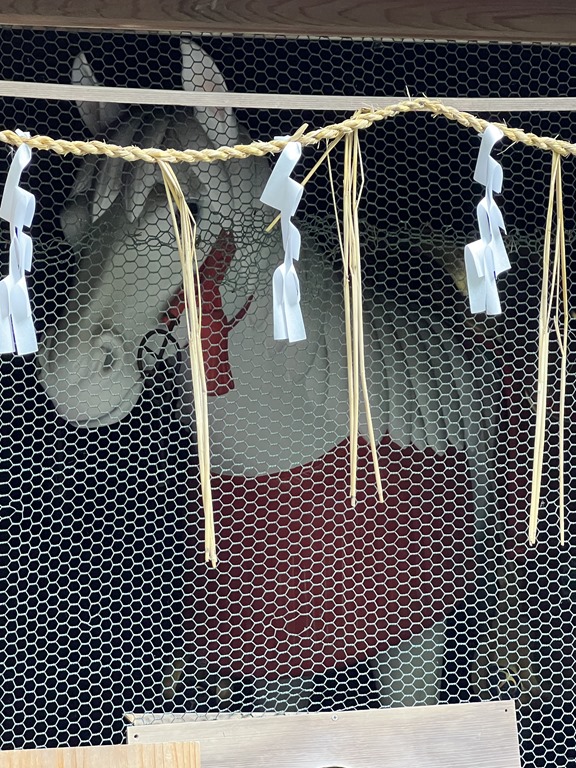
The white papers hanging from the rope (made of rice fiber) are made to look like lightning to signify the importance of rain to their main food, rice.  You see them at almost all temples.

IMG_0154~photo - CopyIMG_0155~photo - CopyIMG_0156~photo - CopyIMG_0157~photo - CopyIMG_0160~photo - CopyIMG_0161~photo - CopyIMG_0162~photo - CopyIMG_0163~photo - CopyIMG_0164~photo - CopyIMG_0165~photo - CopyIMG_0166~photo - CopyIMG_0167~photoIMG_0168~photoIMG_0169~photoIMG_0170~photoIMG_0171~photoIMG_0173~photo-fullIMG_0174~photoIMG_0176~photoIMG_0177~photoIMG_0178~photoIMG_0179~photoIMG_0180~photoIMG_0181~photoIMG_0183~photoIMG_0185~photoIMG_0186~photoIMG_0189~photoIMG_0187~photoIMG_0188~photoIMG_0191~photo-fullIMG_0196~photoIMG_0197~photoIMG_0200~photoIMG_0201~photoIMG_0202~photoIMG_0207~photoIMG_0208~photo

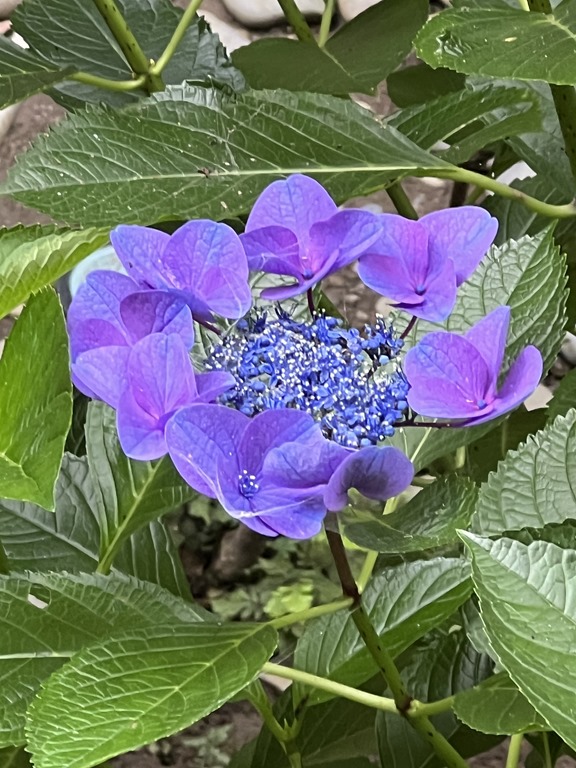
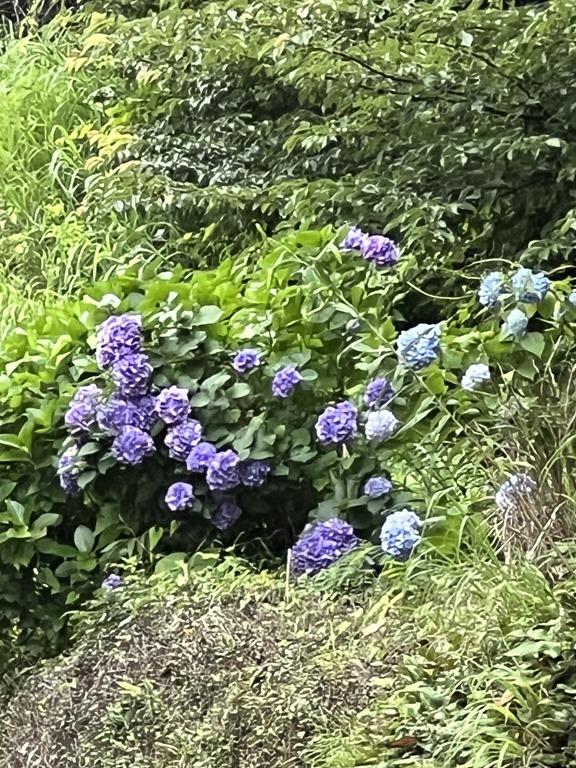
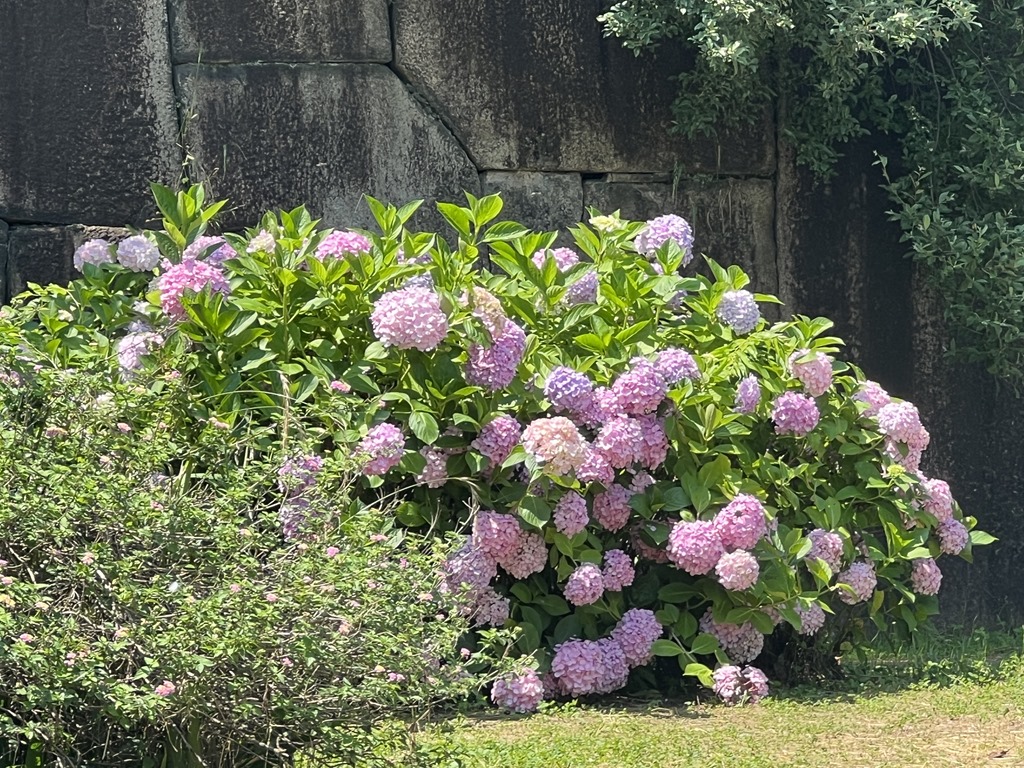
All of the sites we visited are very lush and green, and it is hydrangea season so we saw a lot of beautiful flowers.

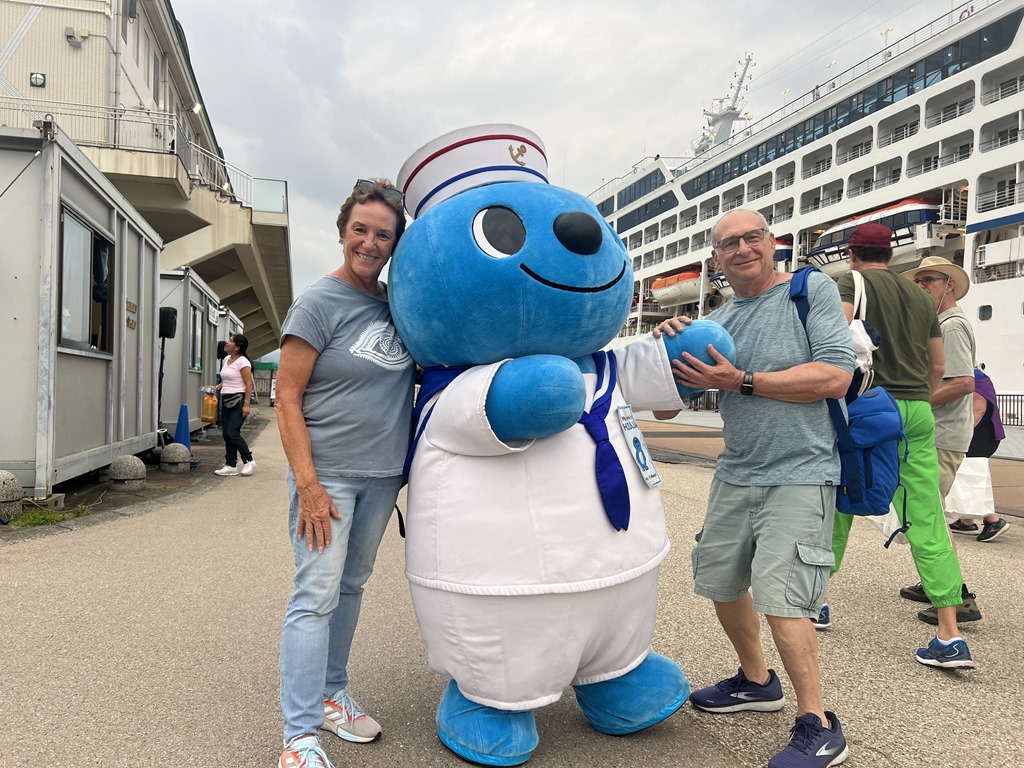
When we returned to the pier, there was a character walking around and a narrator asking us to say hello. And we saw a dog that looked a lot like our “granddog” Echo.  The owner let Norm hold her.  There are many small dogs here, some in strollers.  We even saw some with visors on.  There are also many pet stores.  Large dogs are not allowed in the cities.

IMG_0217~photoIMG_0220~photoIMG_0222~photo

The next port is Tokyo.

Posted in Asia, Excursions, Food, June, World Cruise #4 | 1 Comment

Kobe, Japan–Day 2

June 18, 2023

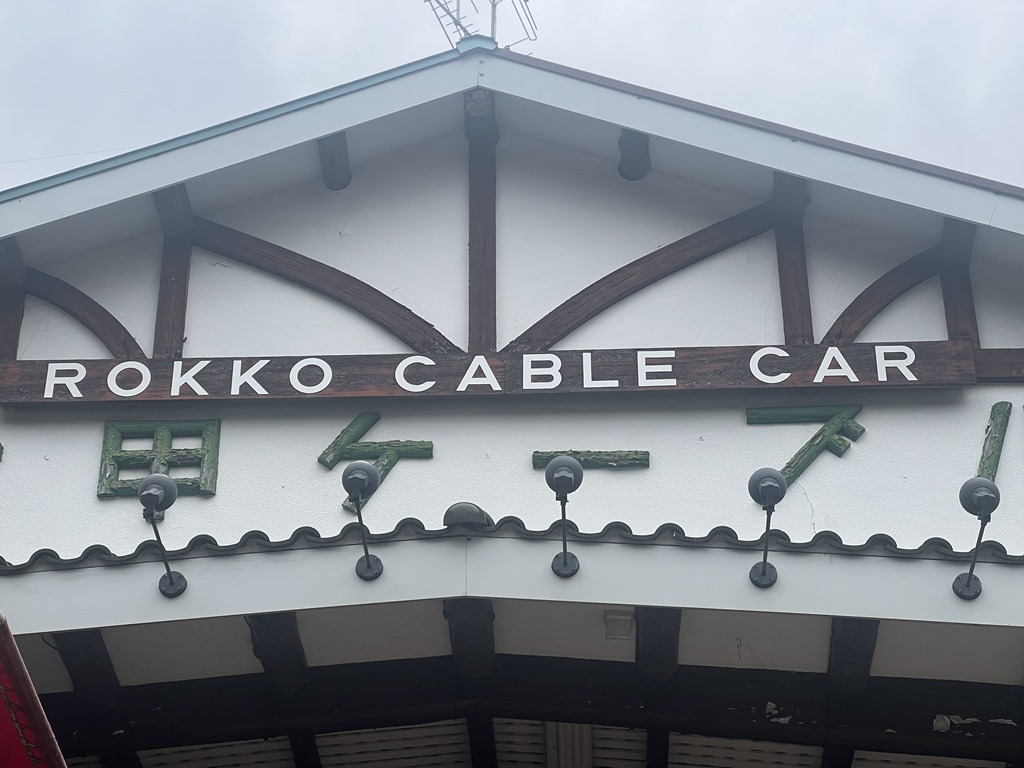
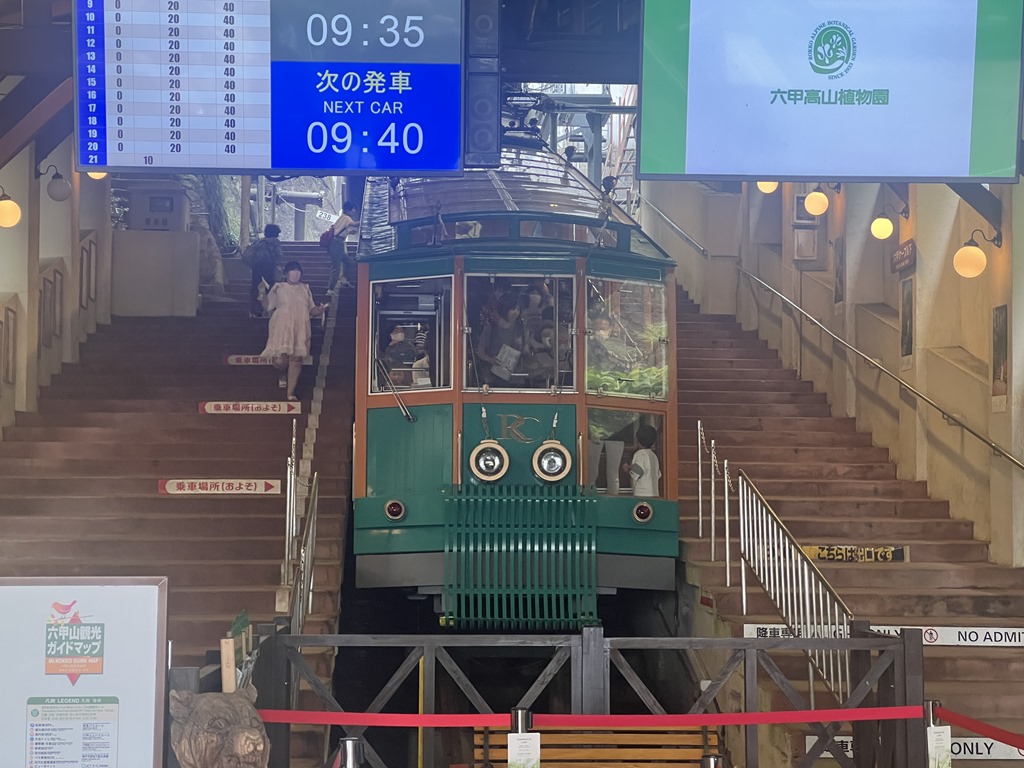
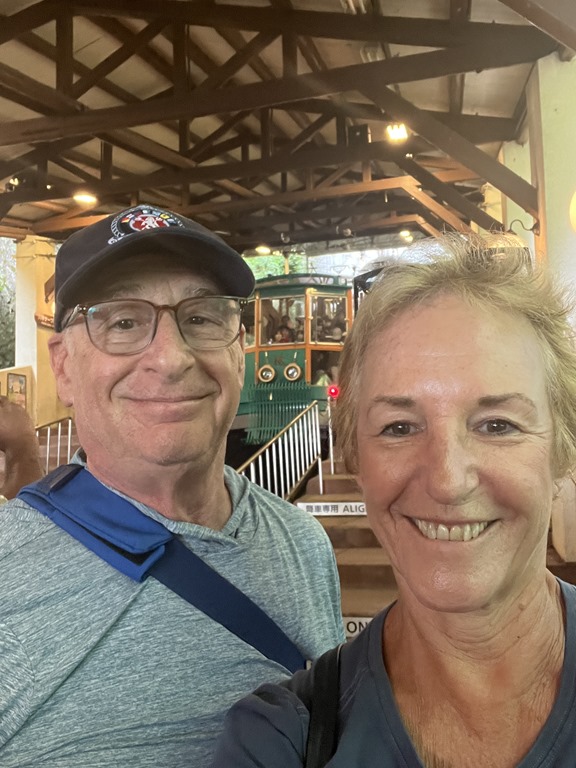
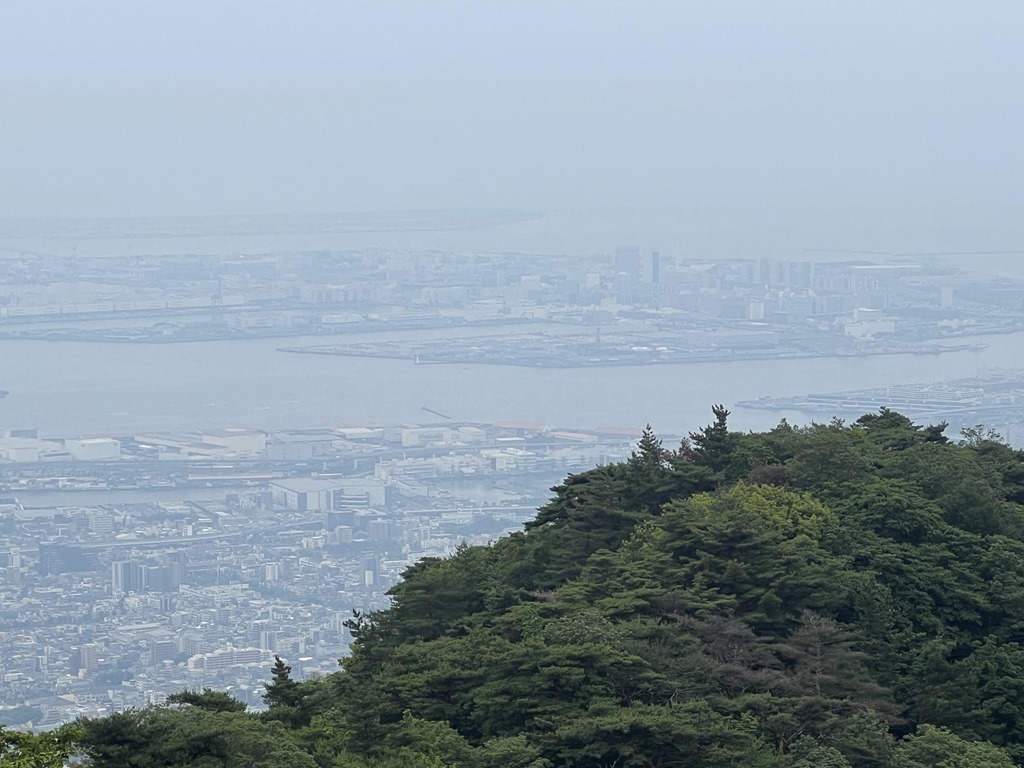
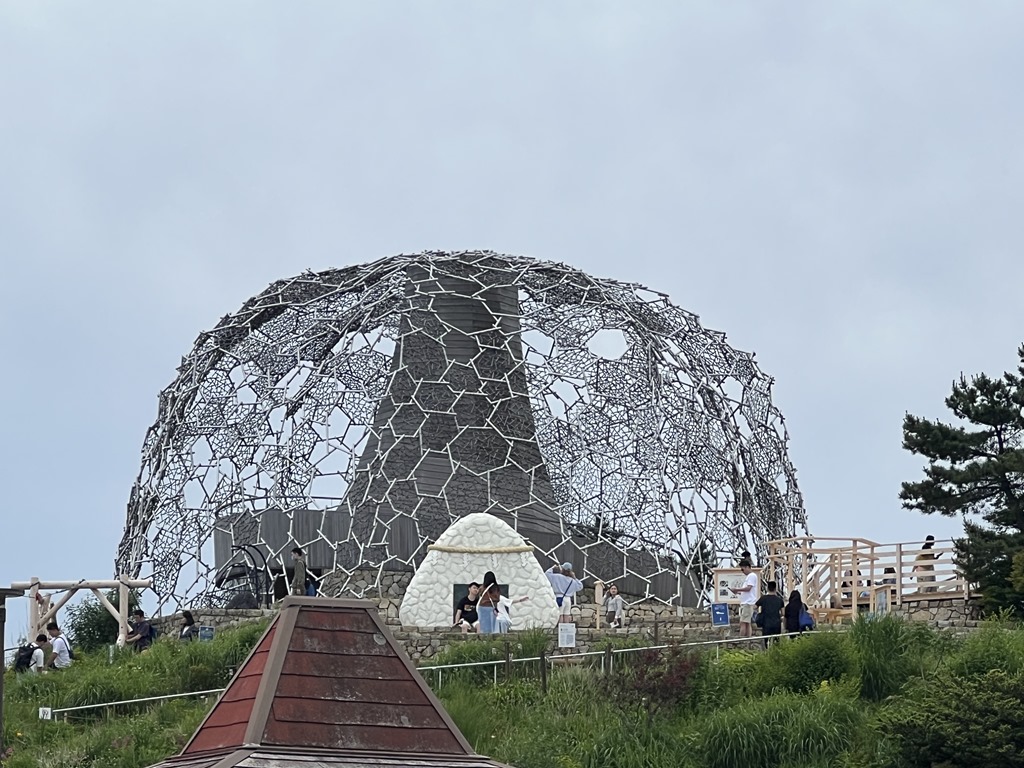
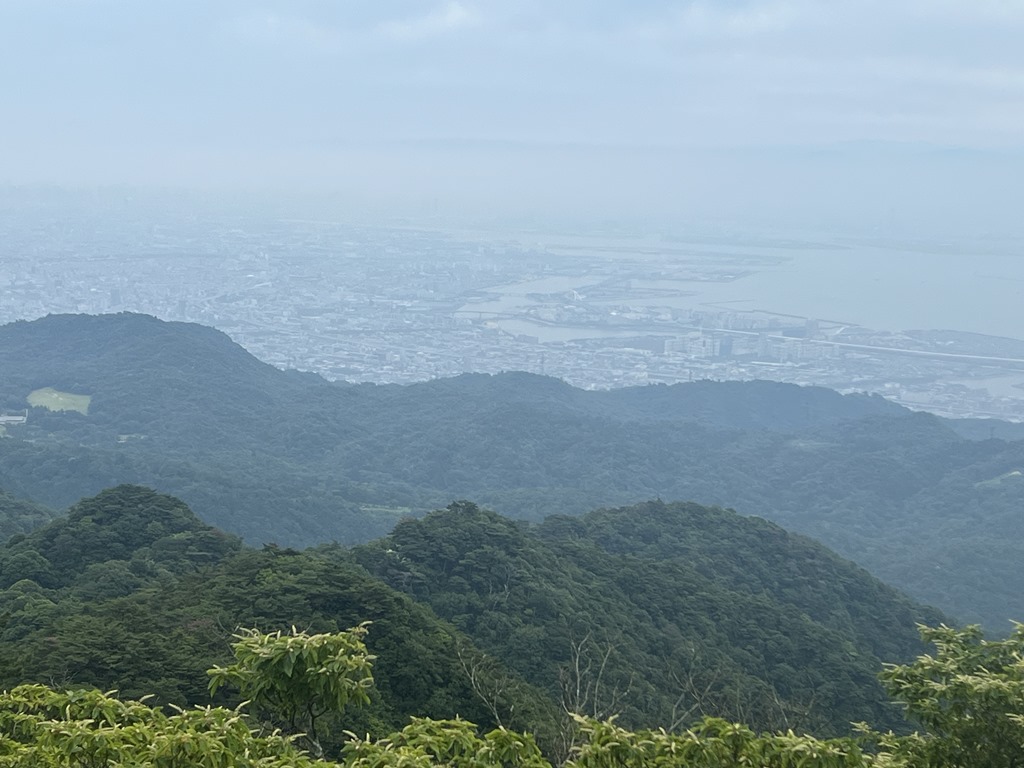
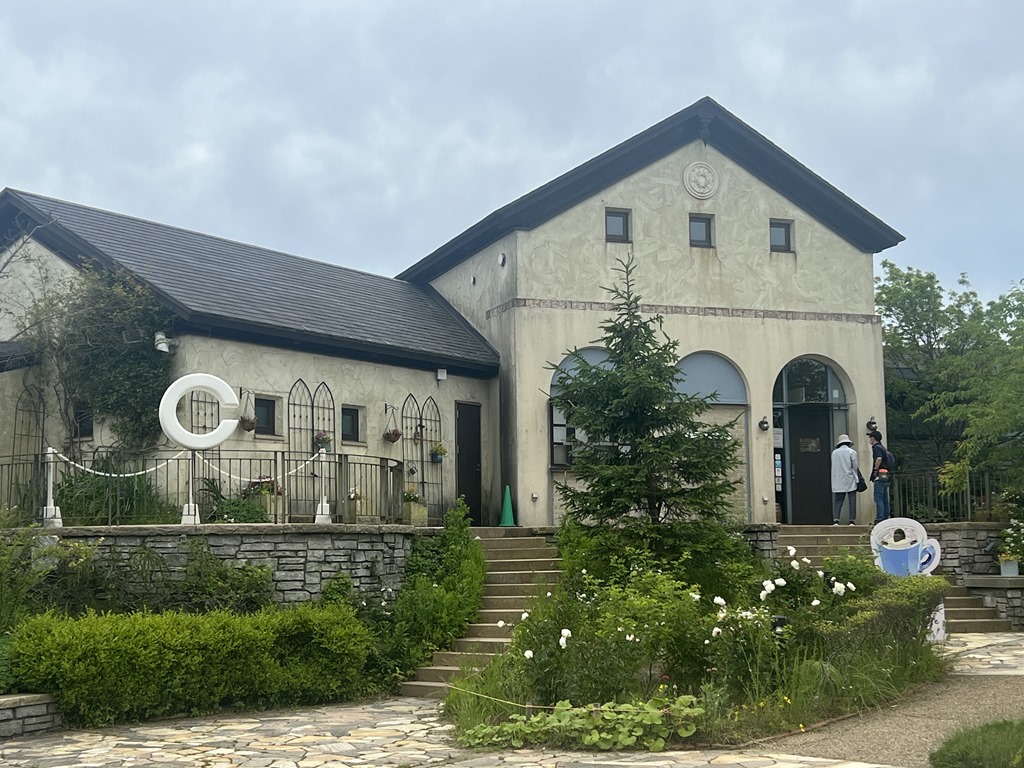
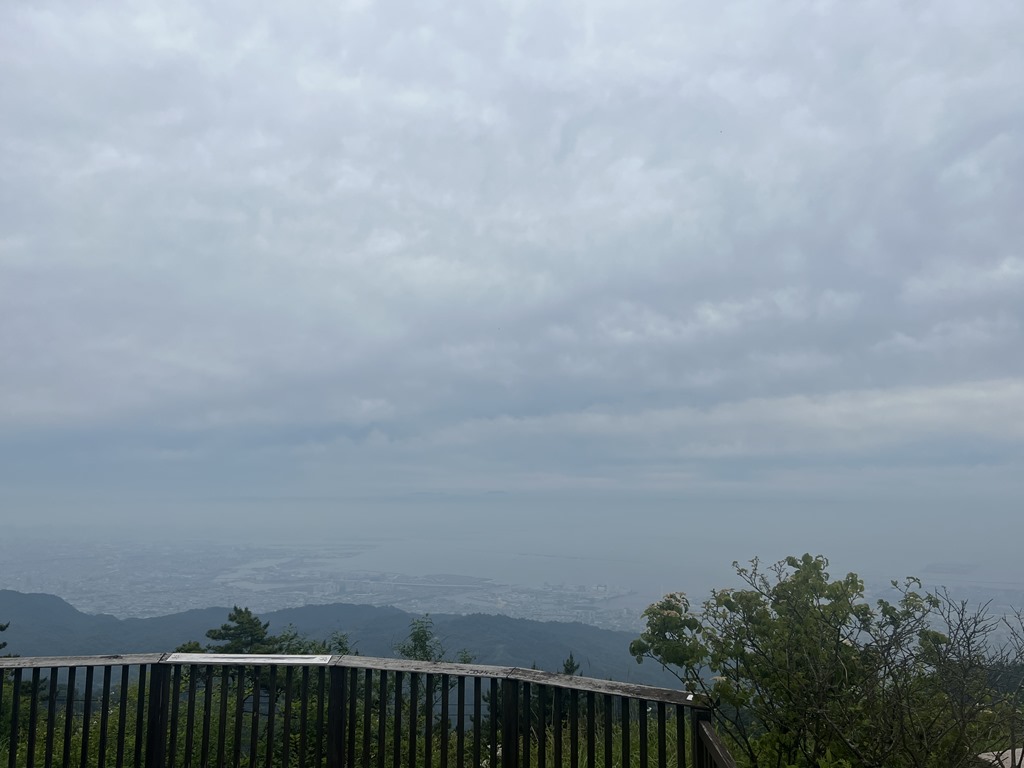
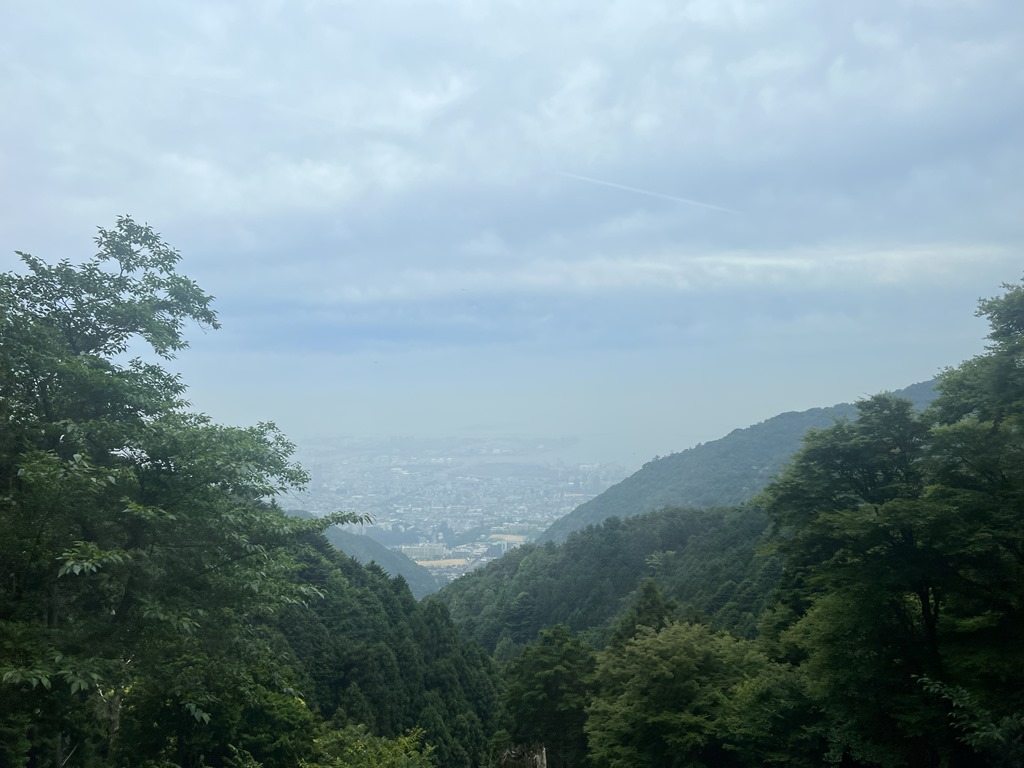
Our tour today was “The Glory of Mt. Rokko”. Our guide was Nobuko –she said to call her Nobi. The cable car takes you 900 meters high.

IMG_0040~photoIMG_0016~photo - CopyIMG_0017~photo - CopyIMG_0018~photo - CopyIMG_0019~photo - CopyIMG_0020~photo - CopyIMG_0021~photo - CopyIMG_0022~photo - CopyIMG_0023~photo - CopyIMG_0025~photo - CopyIMG_0026~photo - CopyIMG_0028~photo - CopyIMG_0031~photoIMG_0032~photoIMG_0033~photoIMG_0034~photoIMG_0036~photoIMG_0037~photoIMG_0039~photoIMG_0029~photoIMG_0030~photo

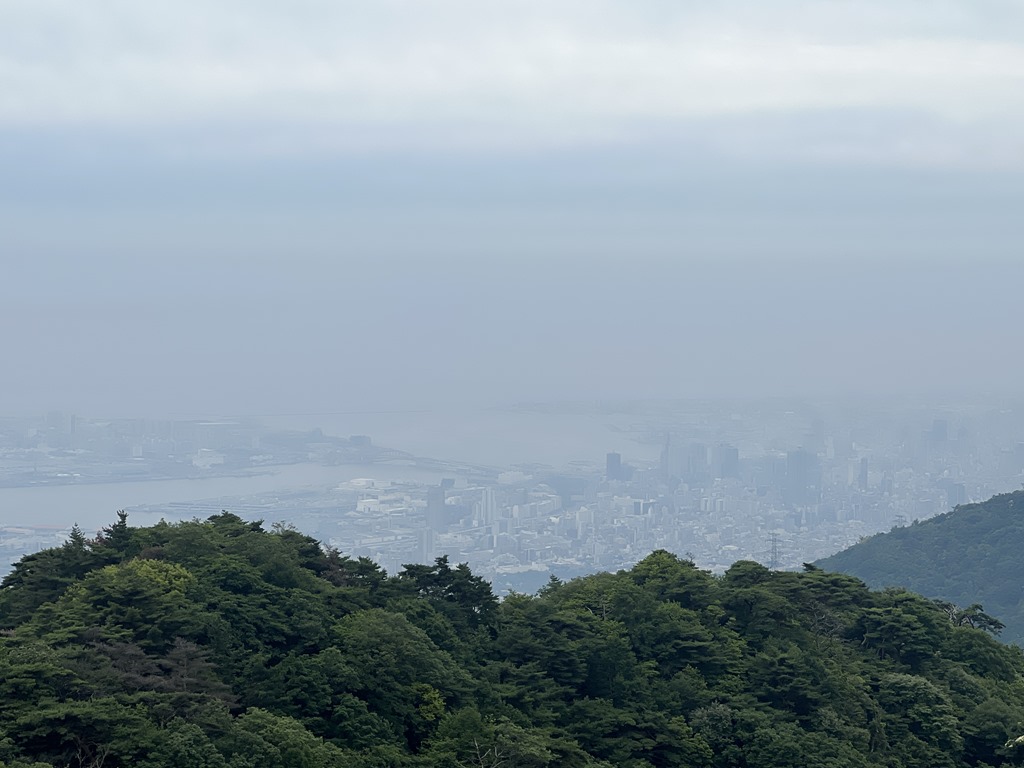
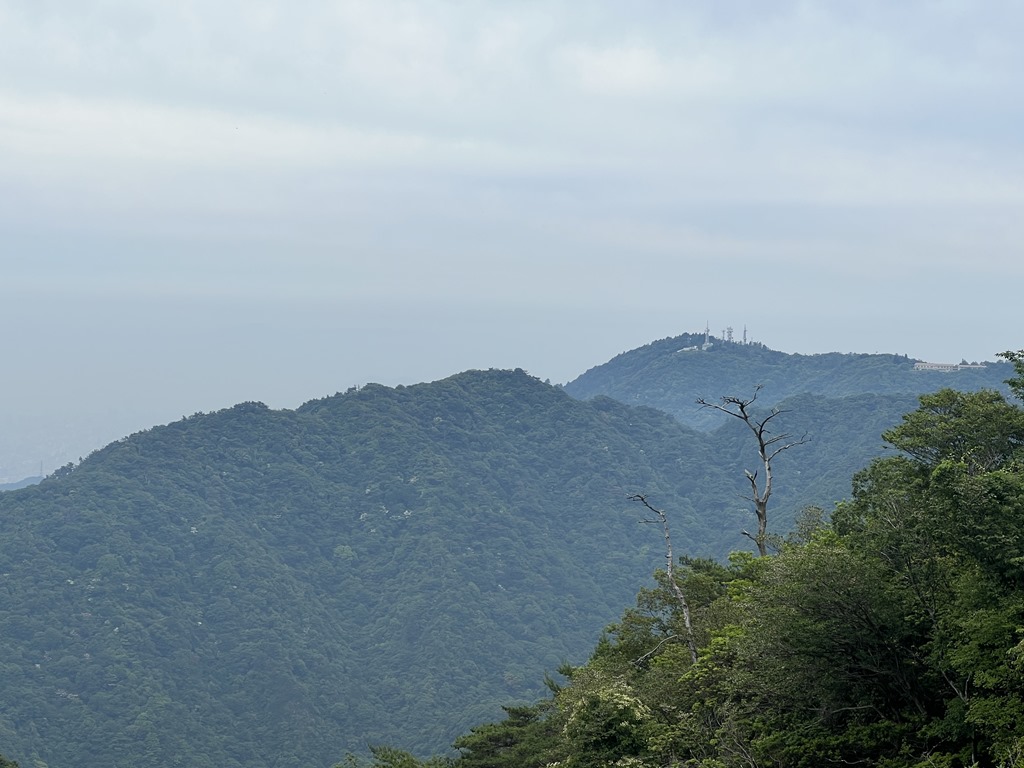
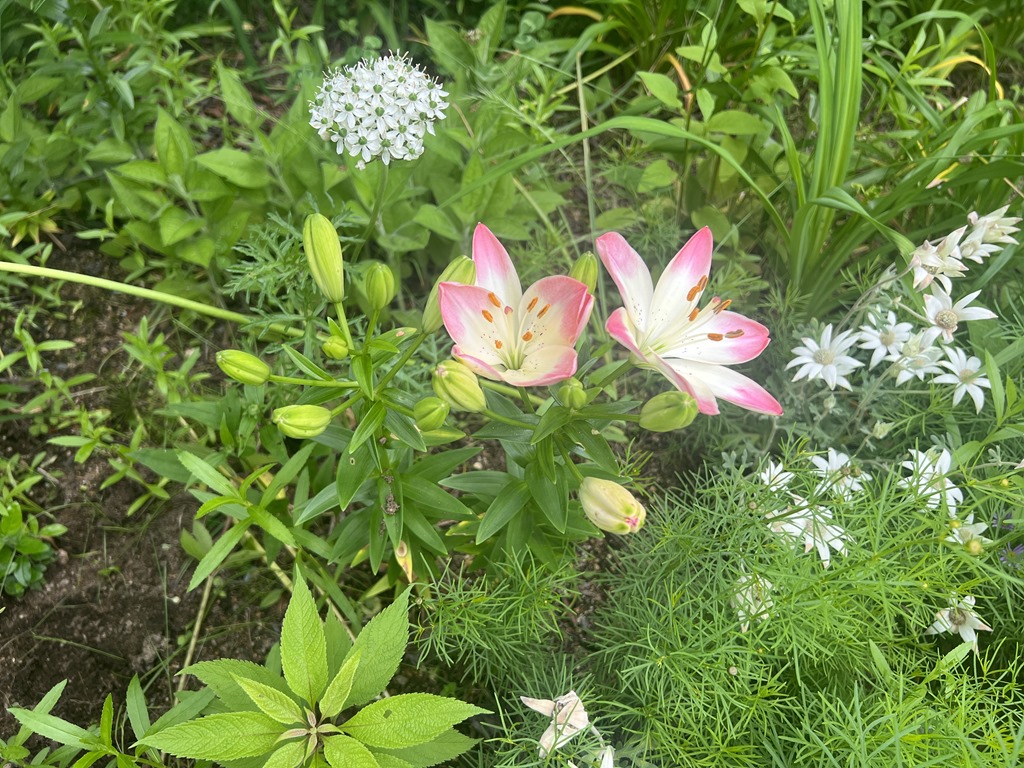
As you can see, the view from the top would normally be lovely but it was too hazy to see much. The area at the top was really pretty – lots of greenery and flowers.  I wish we would have had more time in the gift shop.  I did buy a pair of earrings and just after I bought them, Nobi came with a certificate for 150 yen discount ((Yen is very undervalued here and that would have been just about $1).  She felt terrible that I didn’t have the certificate and tried to get the clerk to give me the discount in cash which didn’t work, so she took money out of her own wallet and gave it to me.  I protested of course, but she wouldn’t hear of taking it back.  We just added it to her tip at the end of the day.  Here in Japan, tipping isn’t expected and sometimes even considered rude but our guides accepted it even when they seemed confused by the gesture.  The people are unfailingly polite.

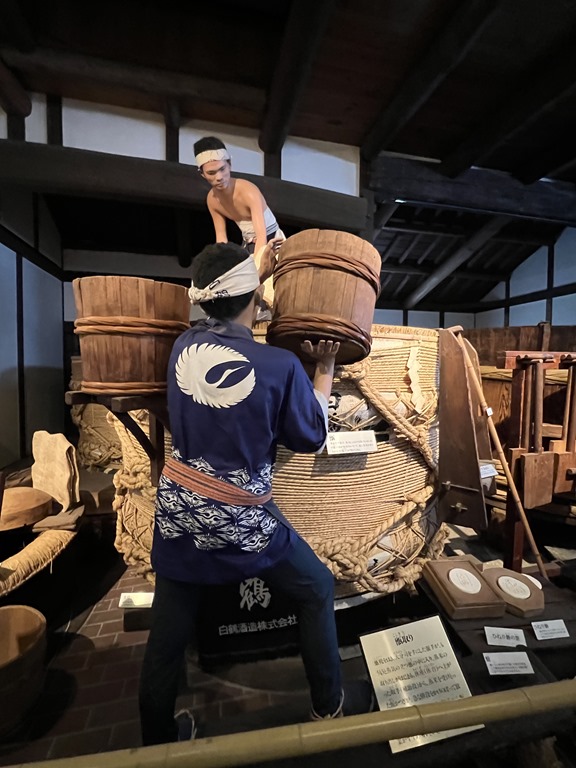
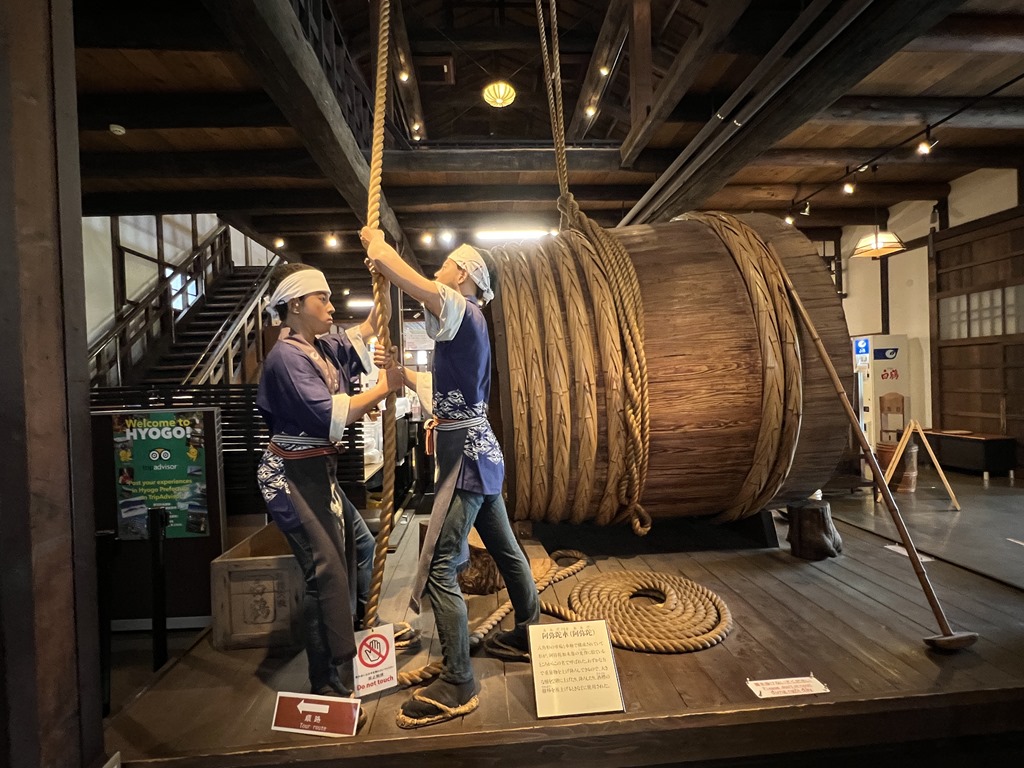
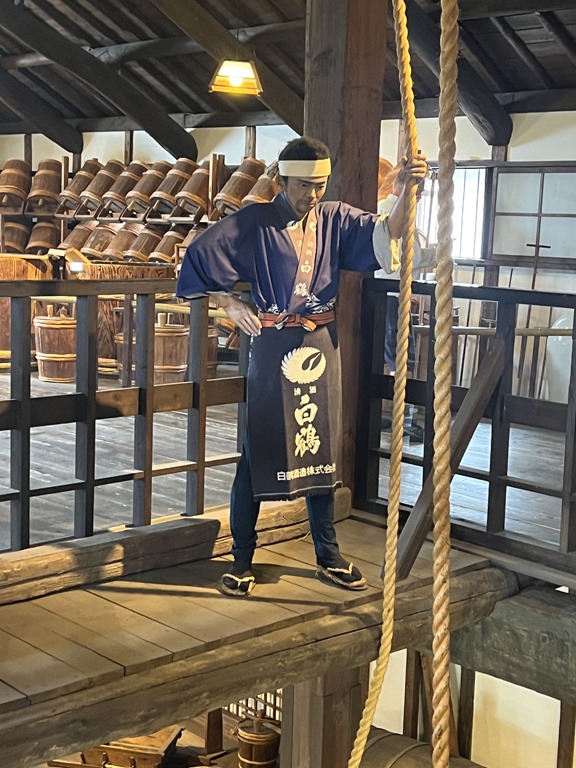
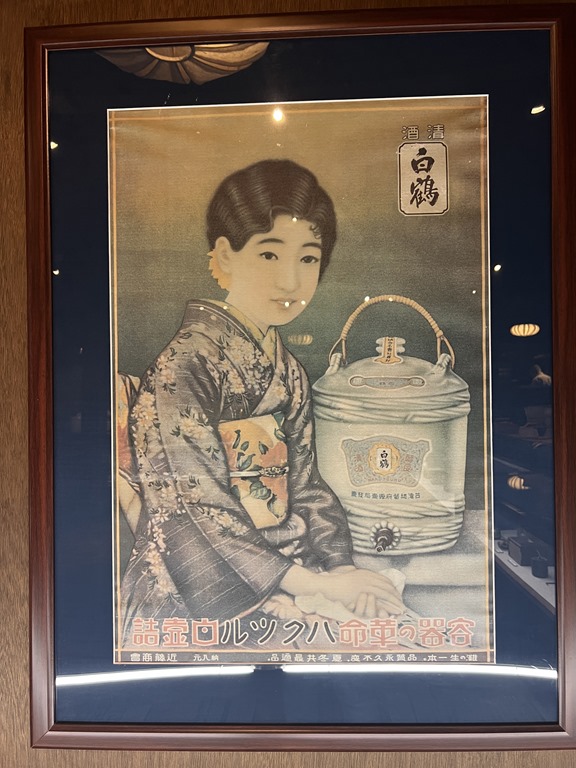
Our second stop was the Hakutsuru Saki brewery and museum where we saw the process of making sake. The brand was established in 1743. It was a self guided tour through a very well maintained display of the old tools used throughout the company’s history. Here are just a few pictures of the 10 step process. 

IMG_0044~photoIMG_0045~photoIMG_0046~photoIMG_0048~photoIMG_0052~photoIMG_0051~photoIMG_0053~photoIMG_0054~photoIMG_0059~photoIMG_0055~photoIMG_0062~photoIMG_0063~photoIMG_0064~photoIMG_0067~photo

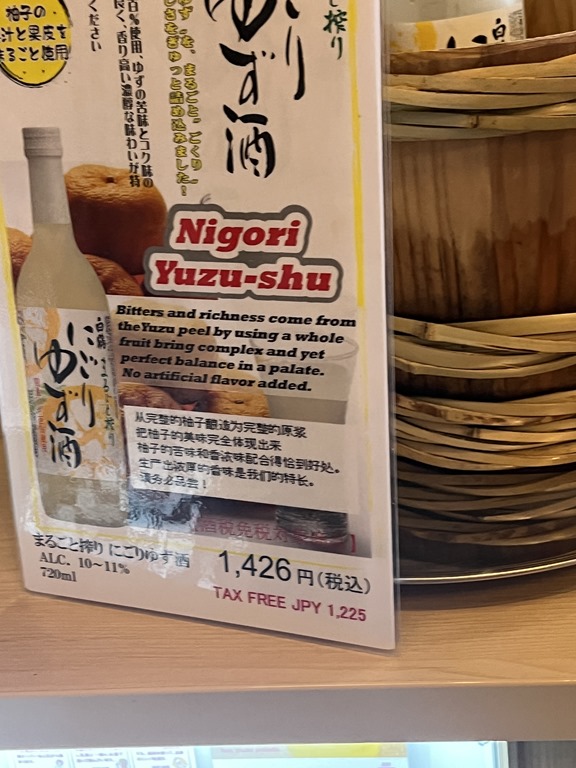
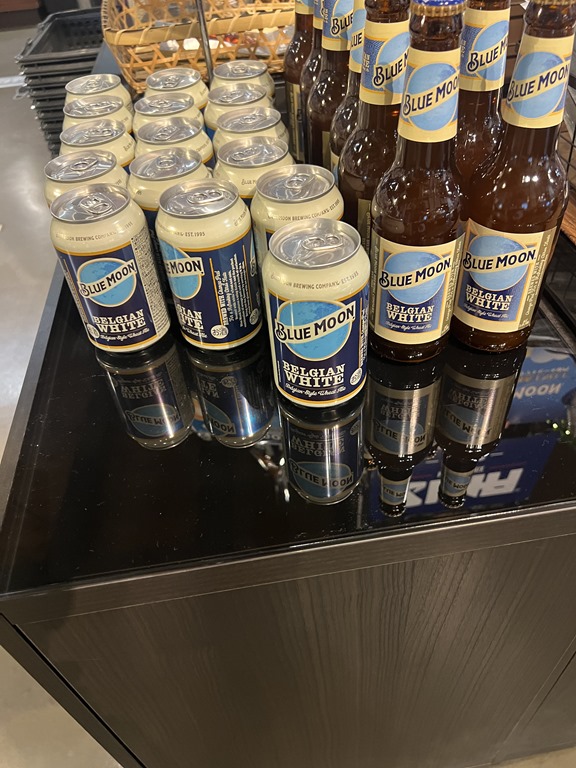
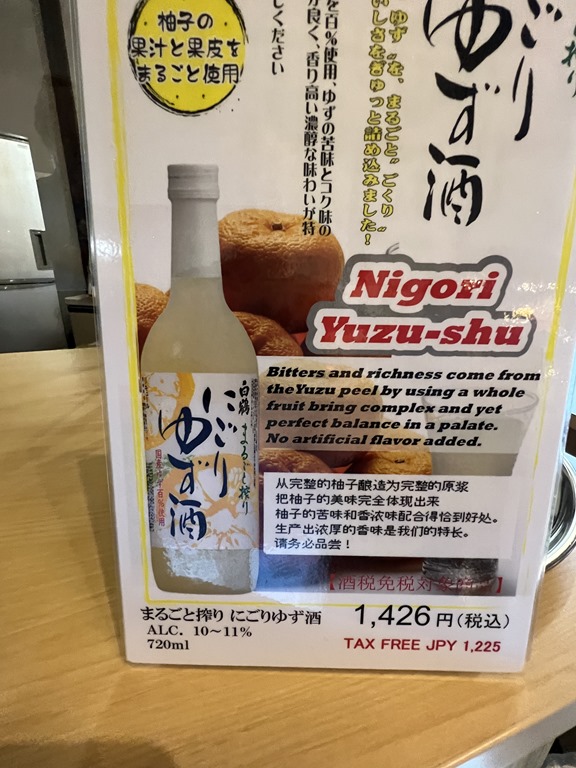
After the tour, we sampled three kinds of sake.  I liked the lemon flavored one and bought one bottle for us and one for a friend who didn’t go on the tour.  I was surprised that they had a sake ice cream and they also sold this Blue Moon beer!

Our ship left today at 3 PM so we didn’t do anything else after the tour.

Back on the ship, our around the world ambassadors, Carolyn and Paul, held a pub night in Martinis with a sing along.  Very fun and just as crowded as the last one.  Then we had dinner with Bruce and Karen and several other tables of friends who joined in for a Father’s Day dinner.

IMG_0075~photo

Posted in Asia, Excursions, June, World Cruise #4 | Leave a comment

Kobe, Japan, Day 1

June 17, 2023

We visited Kobe in 2019 and chose to see Kyoto that time.  Kobe is the fifth largest city in Japan and is famous for its Kobe beef.  We heard that they massage the cattle and feed them beer.  That is apparently what makes the beef so delicious.  I can’t attest to that since I don’t eat it!

IMG_0005~photo

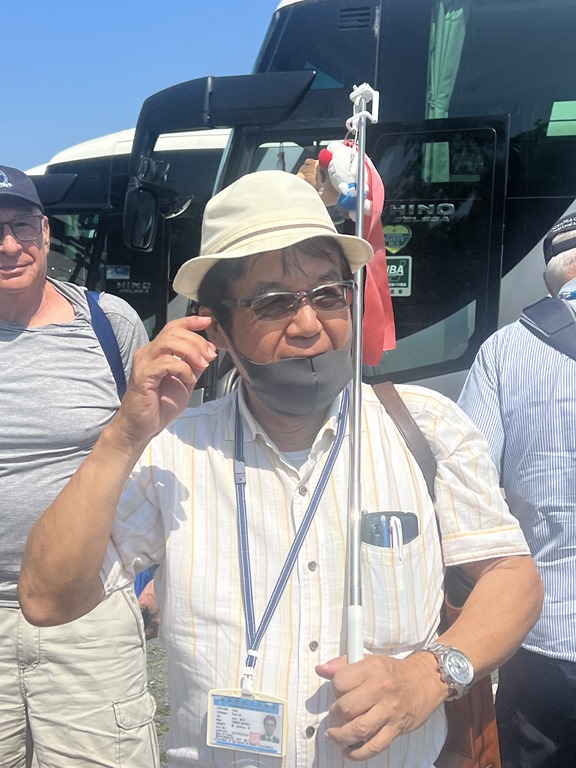
This time we booked a tour called “Highlights of Osaka”.  Our tour guide was Matta.  We learned that Osaka is the second largest city in Japan and is the old capital.  Matta explained that while there are many parks and green spaces in other cities – especially Tokyo, Osaka “only spends money on making money”  not on parks, so it is a very dense city of commercial buildings and factories. 

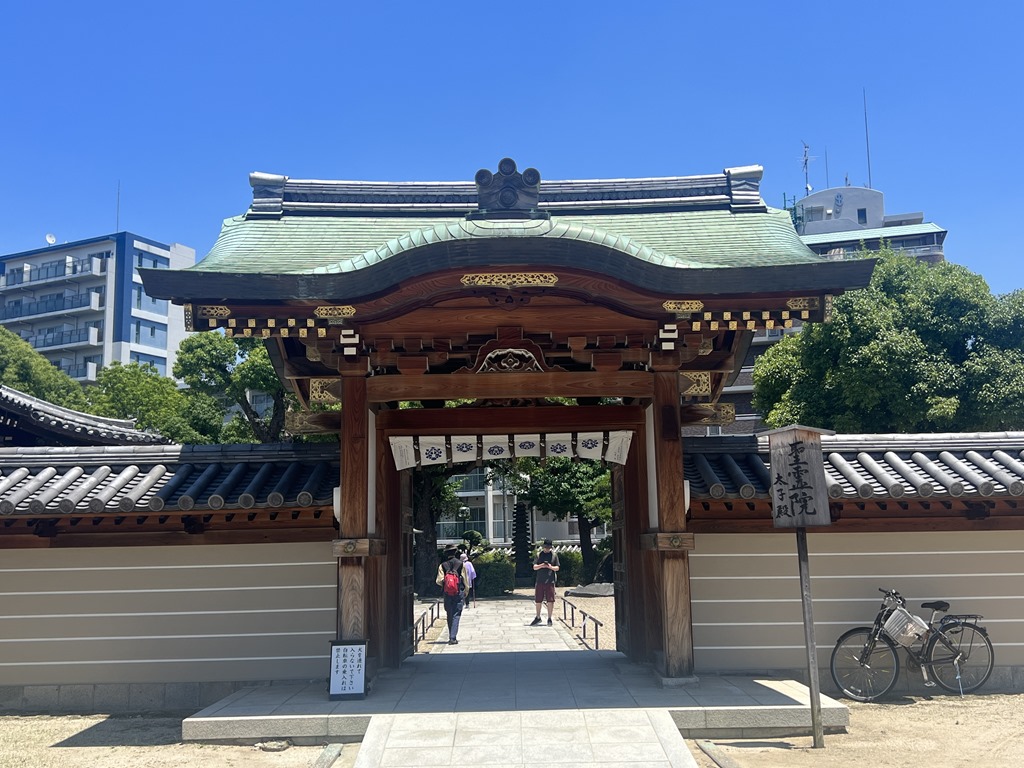
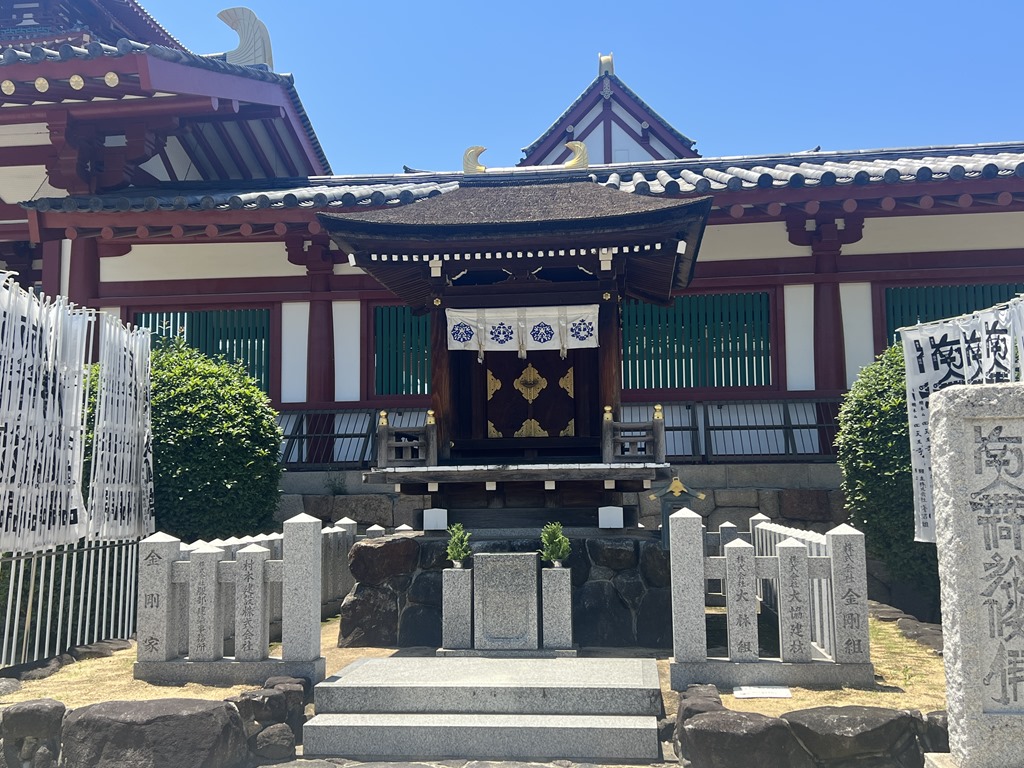
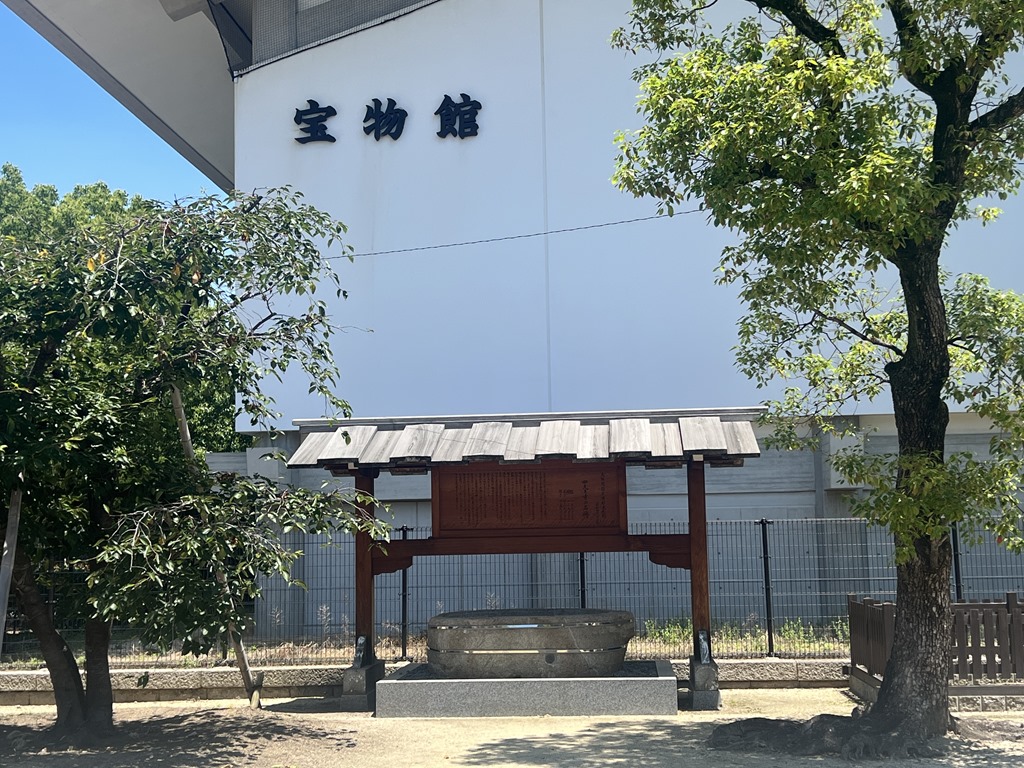
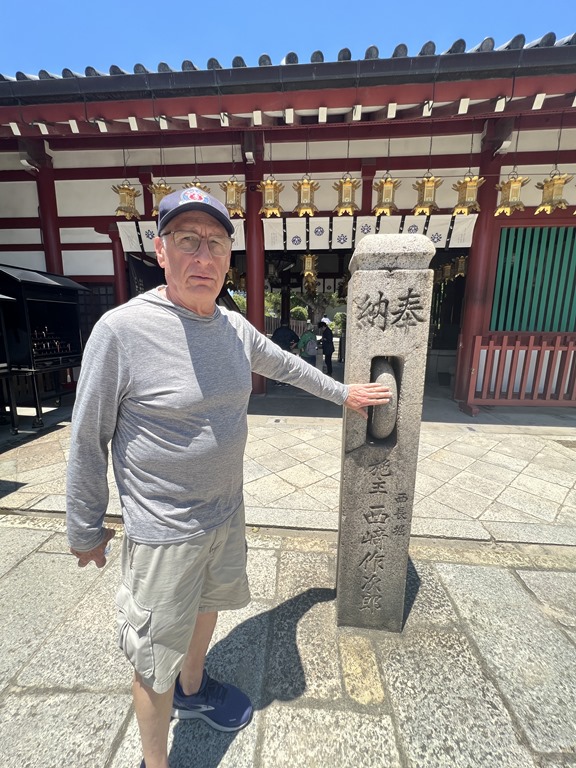
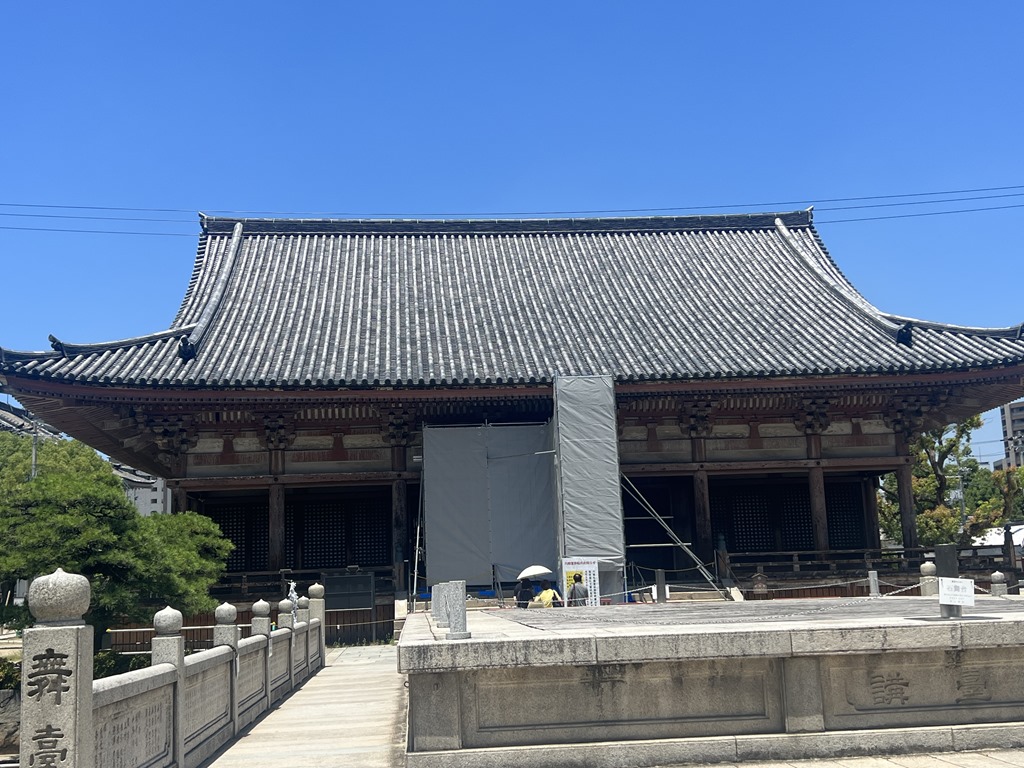
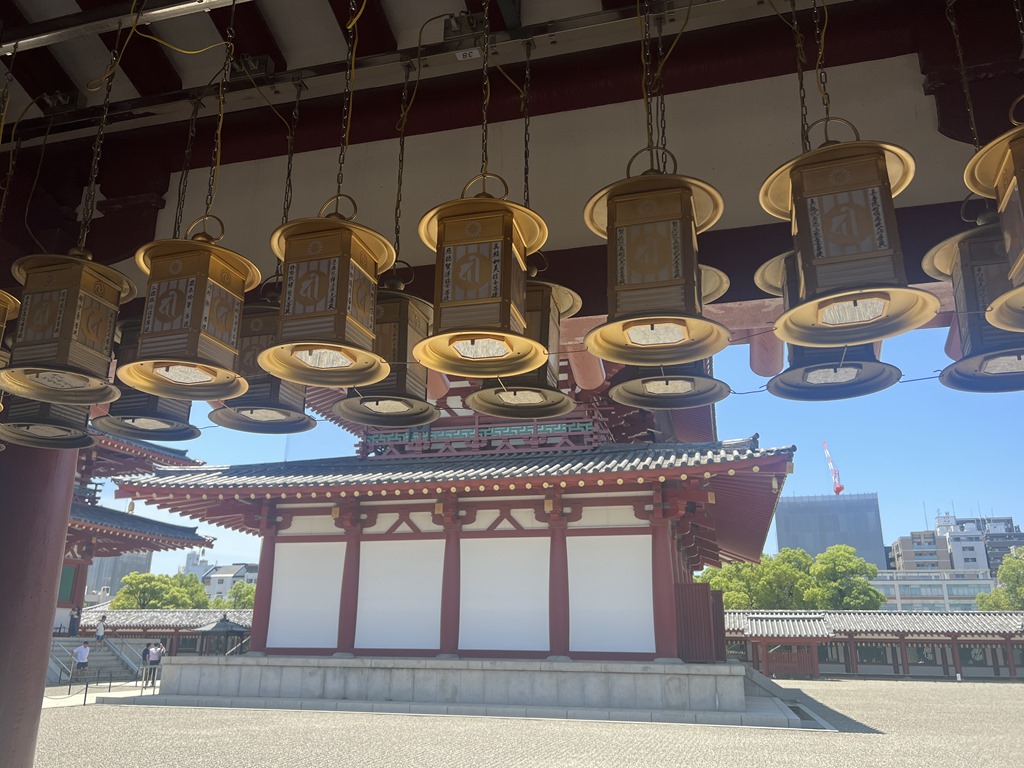
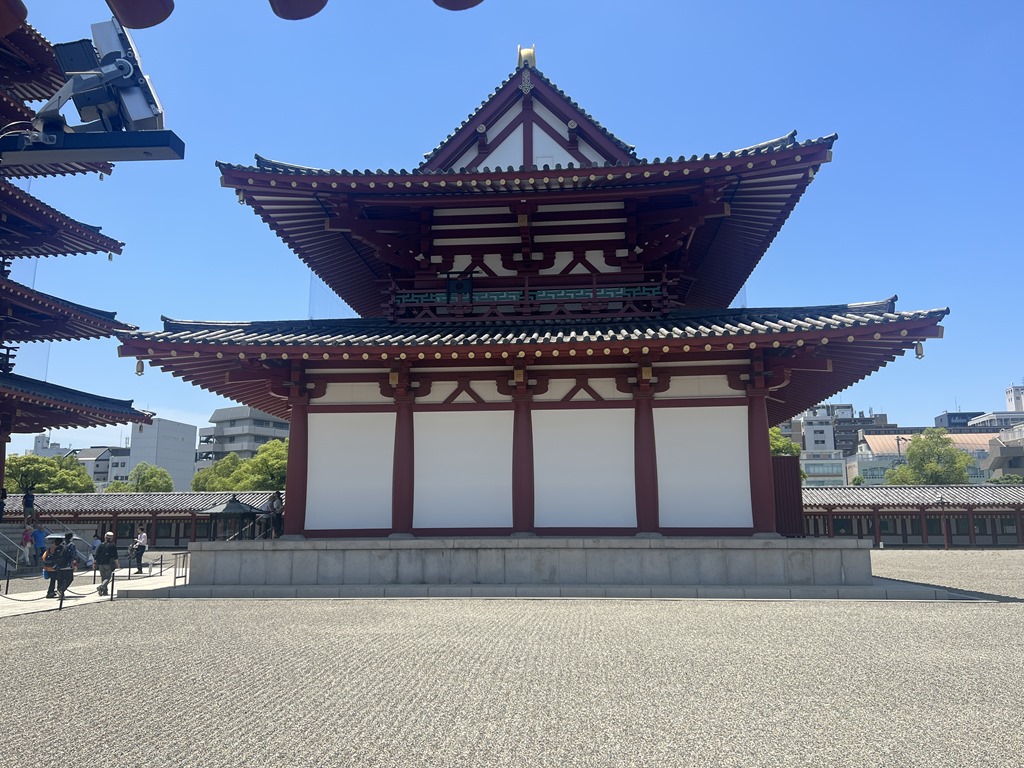
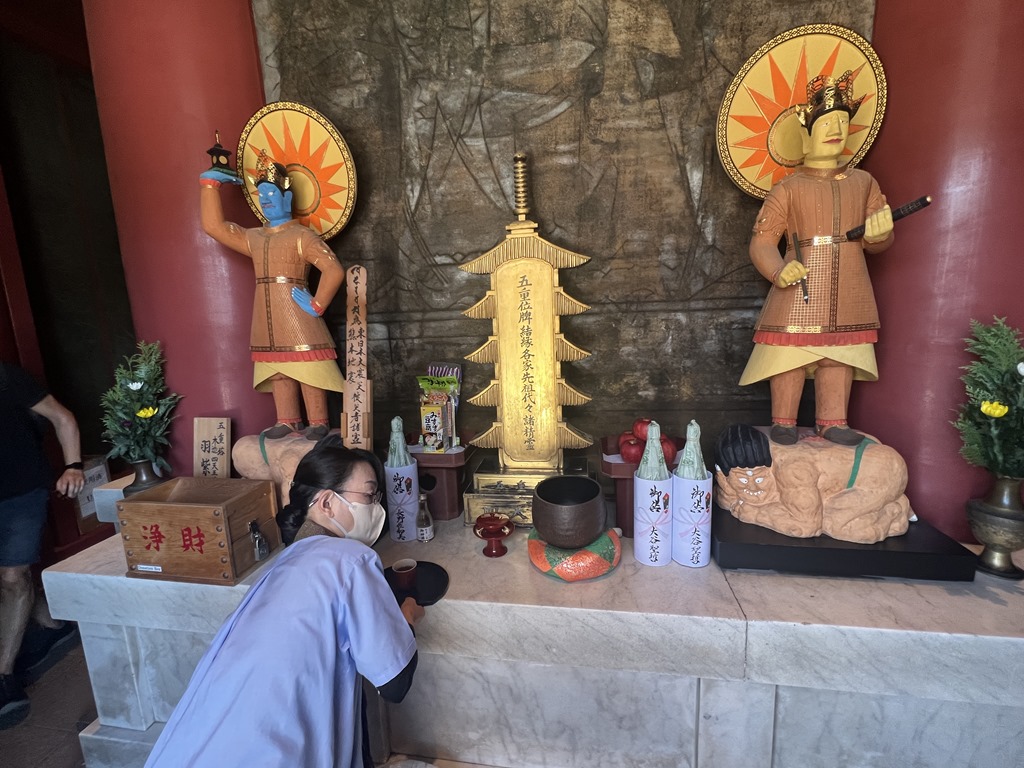
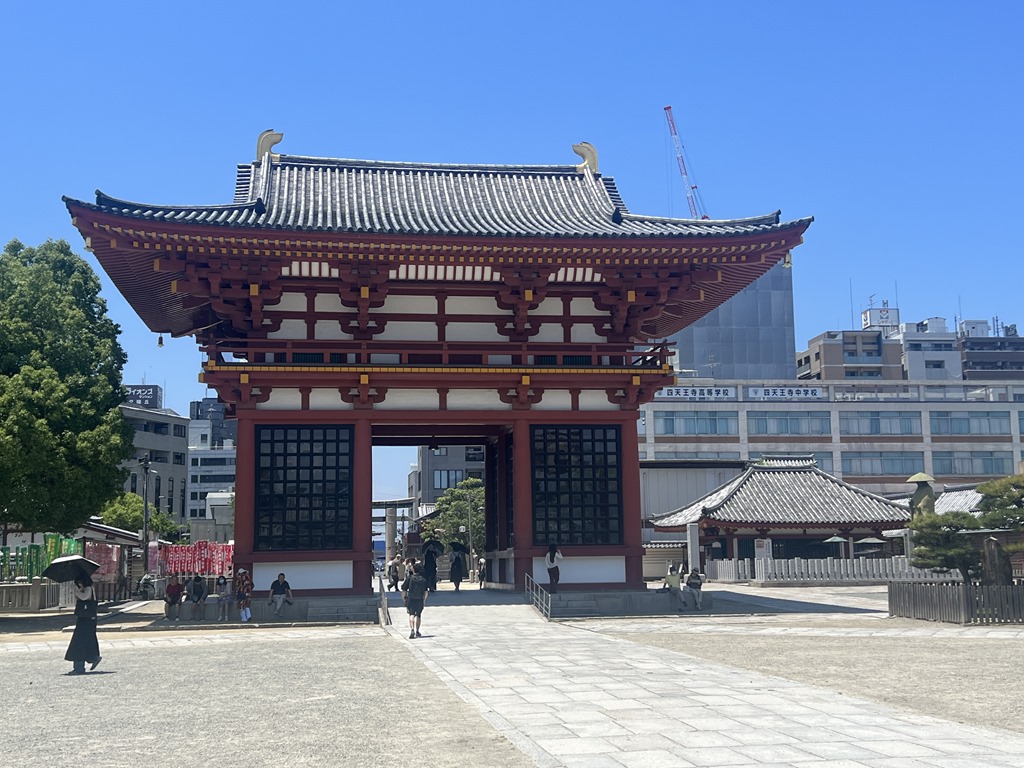
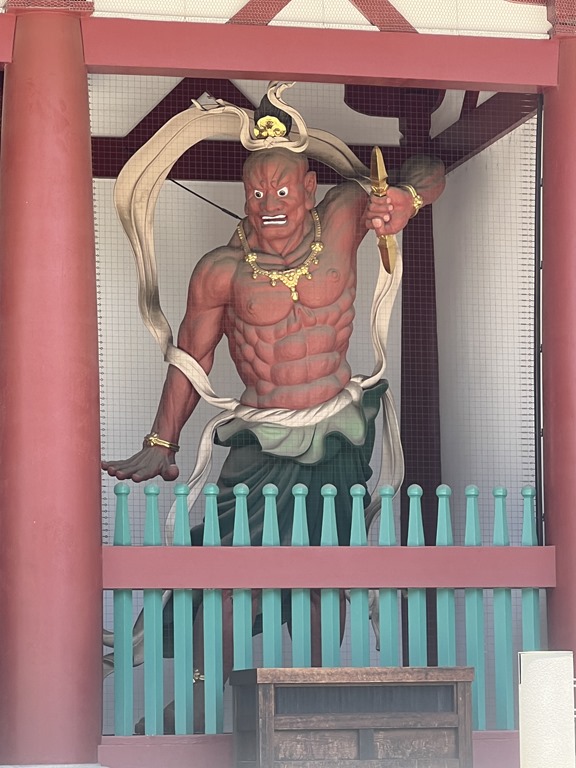
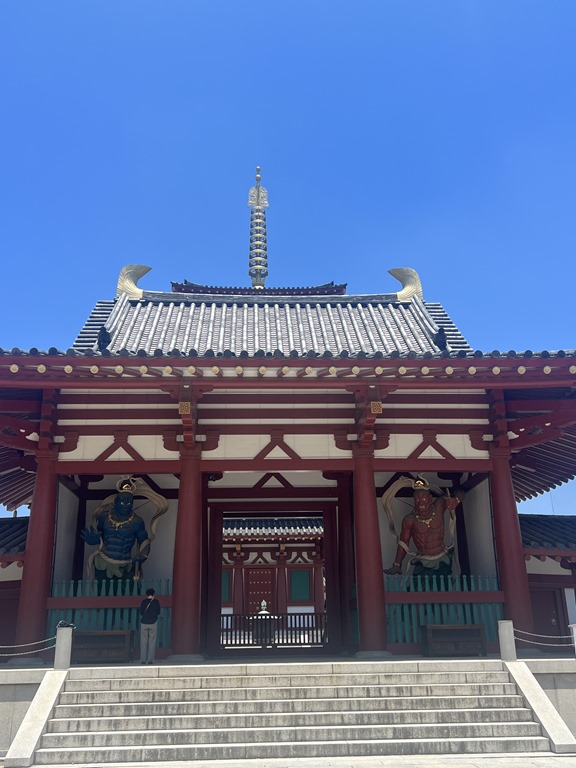
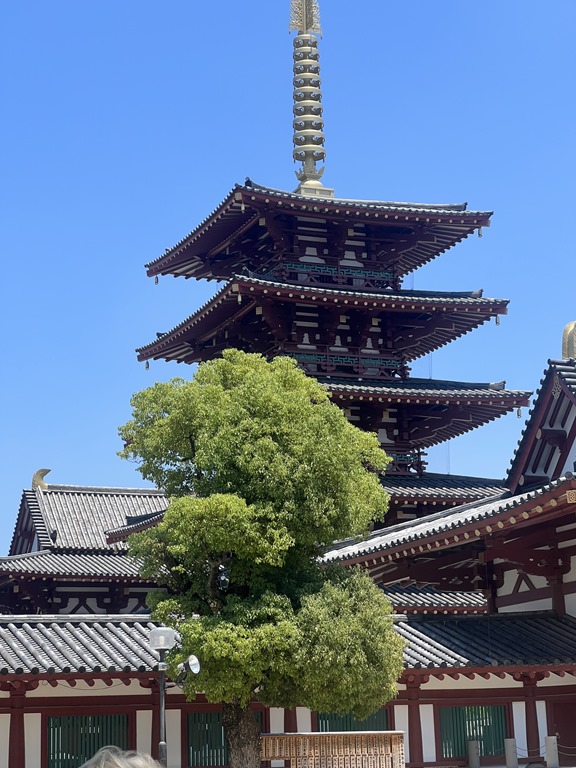
Our first stop was the Shitennoji Temple which is one of the oldest temples in Japan and the first to be built by the state.It was founded in 593 by Prince Shotoku who supported t he introduction of Buddhism in Japan.

IMG_9997~photoIMG_9996~photoIMG_9995~photoIMG_9993~photoIMG_9992~photoIMG_9991~photo

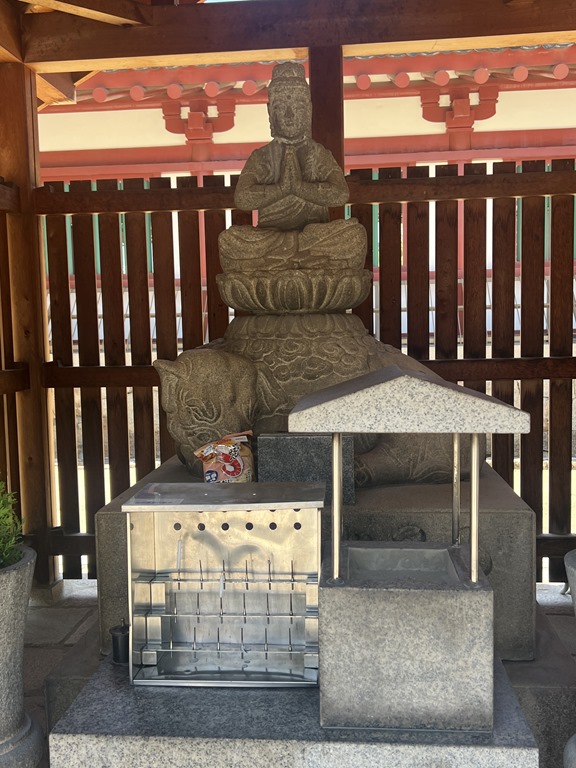
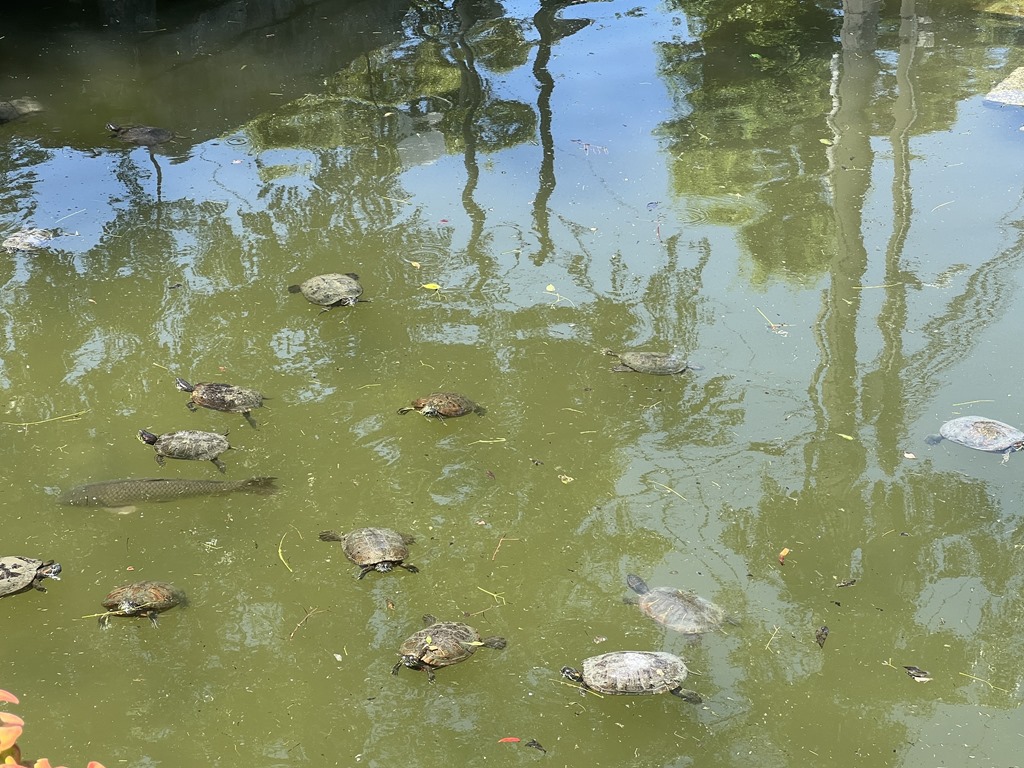
The surrounding gardens were also beautiful.  Matti told us that turtles and cranes are sacred here.

IMG_9987~photoIMG_9989~photoIMG_9986~photoIMG_9985~photoIMG_9983~photoIMG_9981~photoIMG_9980~photoIMG_9978~photoIMG_9976~photoIMG_9975~photoIMG_9974~photoIMG_9973~photoIMG_9971~photoIMG_9969~photo

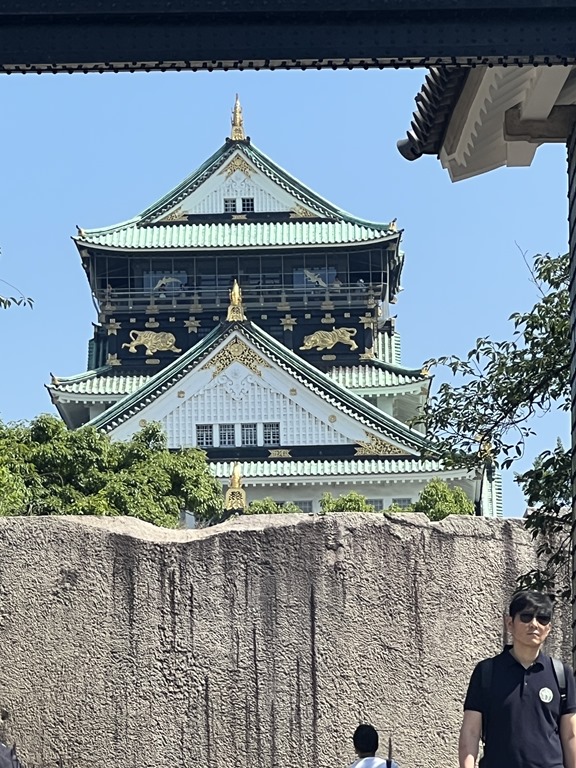
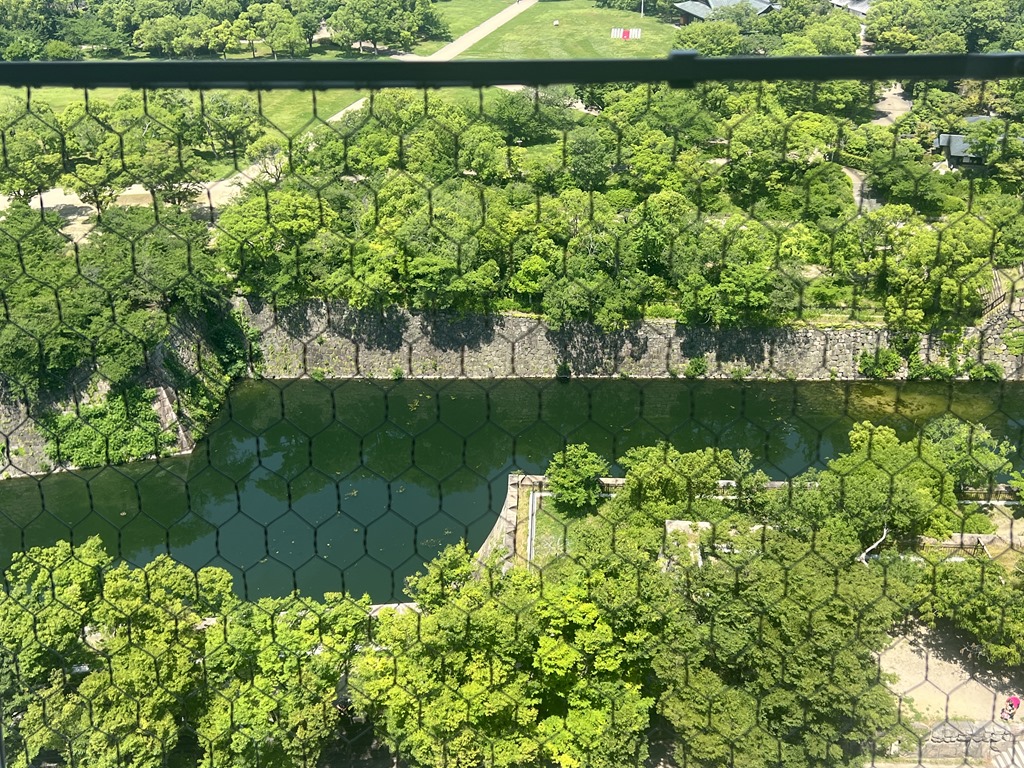
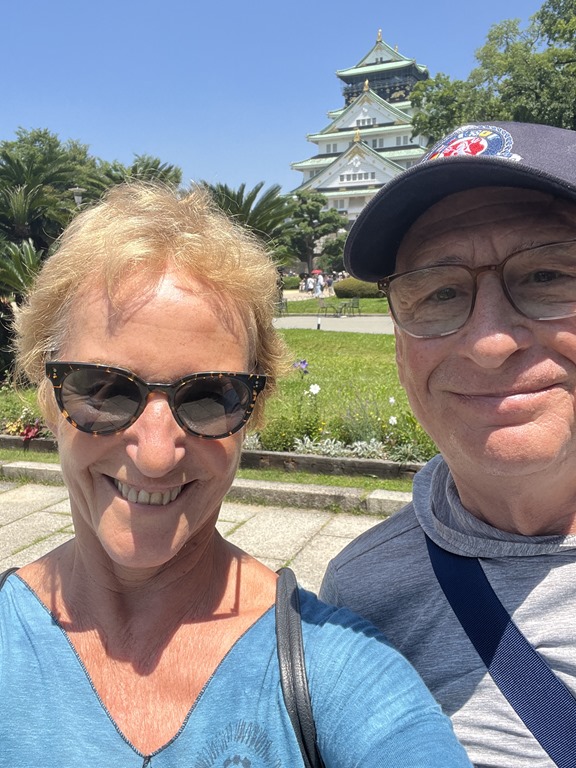
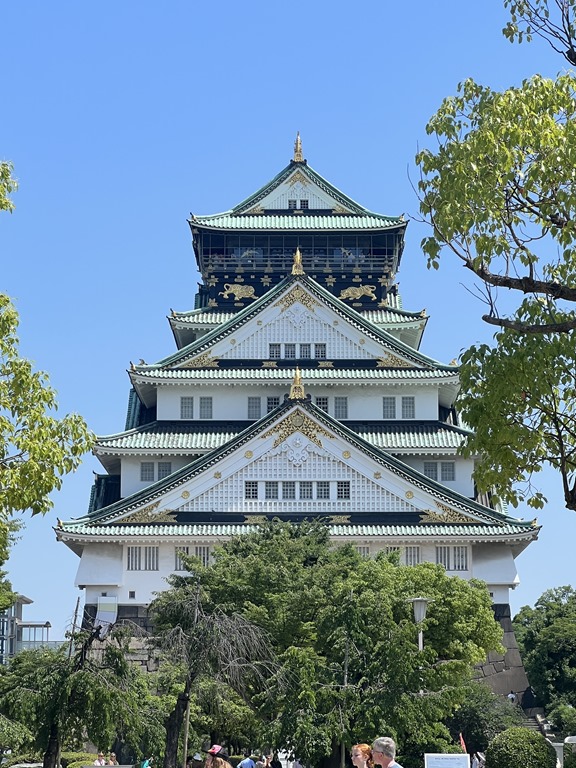
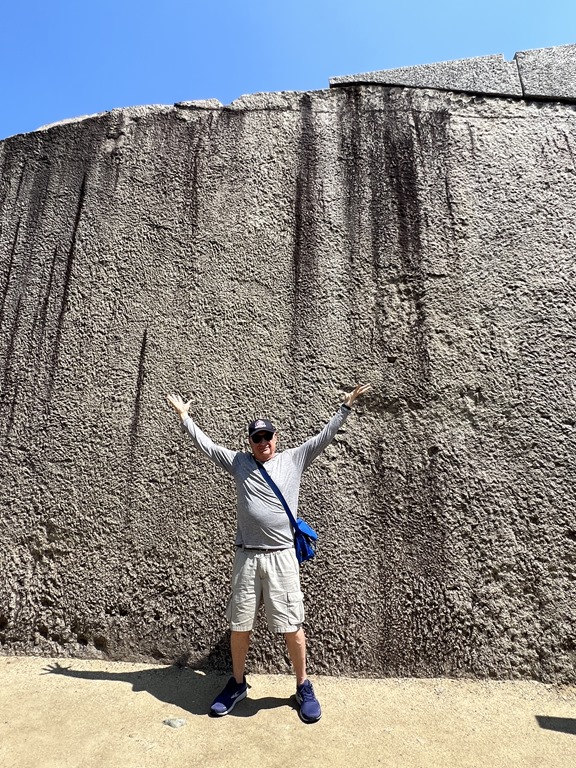
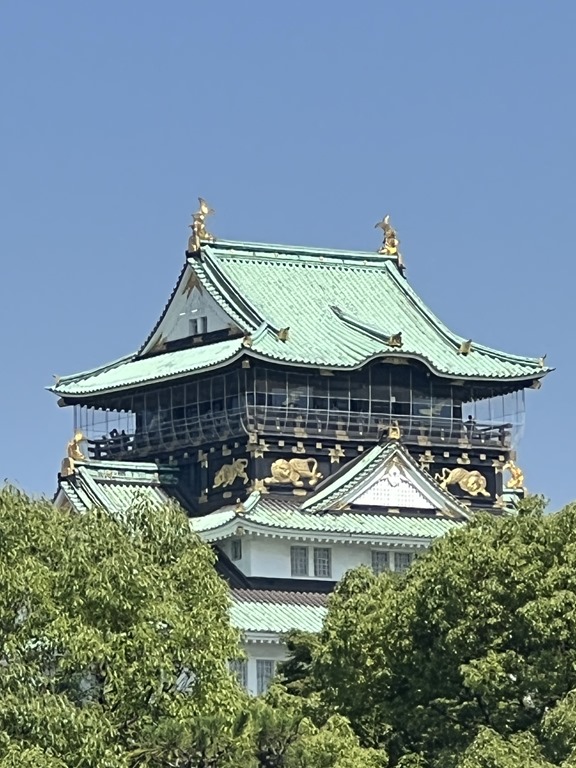
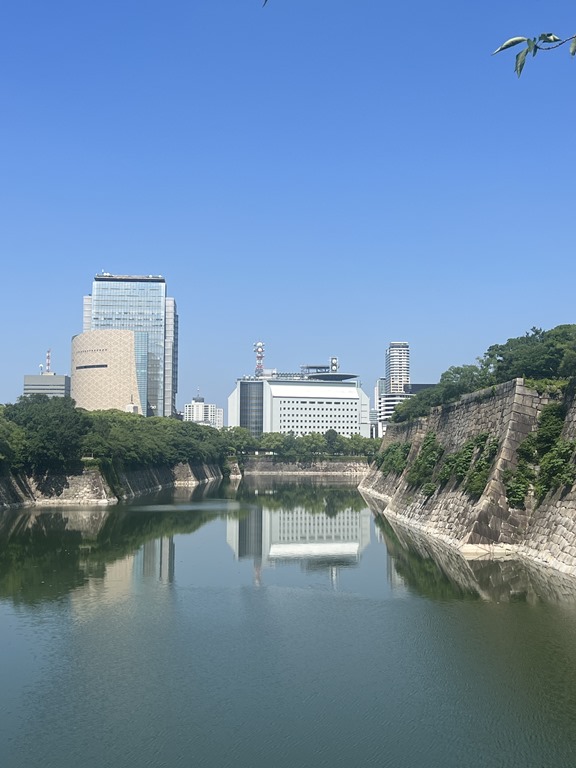
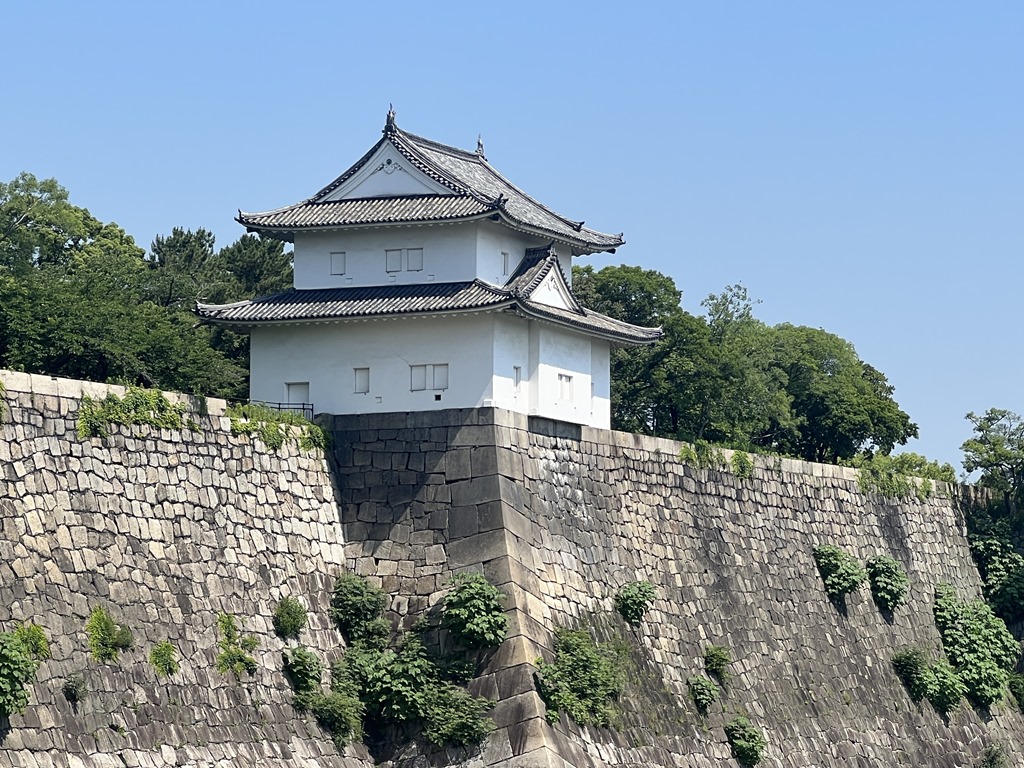
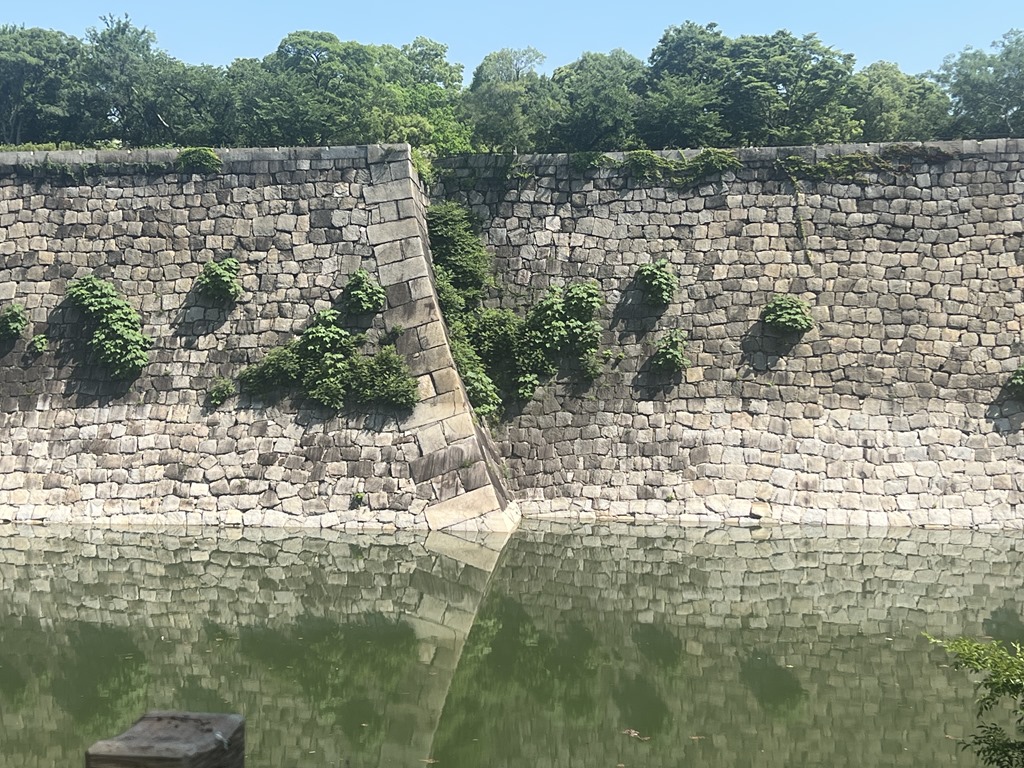
We visited the Osaka Castle which dates back to the end of the 16th century.  It is an imposing structure that is surrounded by three moats.  Two are dry moats.  There have been changes over the years, including fires which resulted in some reconstruction.
IMG_9920~photoIMG_9928~photo - CopyIMG_9927~photo - CopyIMG_9921~photo - CopyIMG_9965~photoIMG_9958~photoIMG_9951~photoIMG_9938~photoIMG_9963~photoIMG_9935~photoIMG_9934~photoIMG_9931~photoIMG_9926~photo - CopyIMG_9925~photo - CopyIMG_9924~photo - CopyIMG_9922~photo - Copy

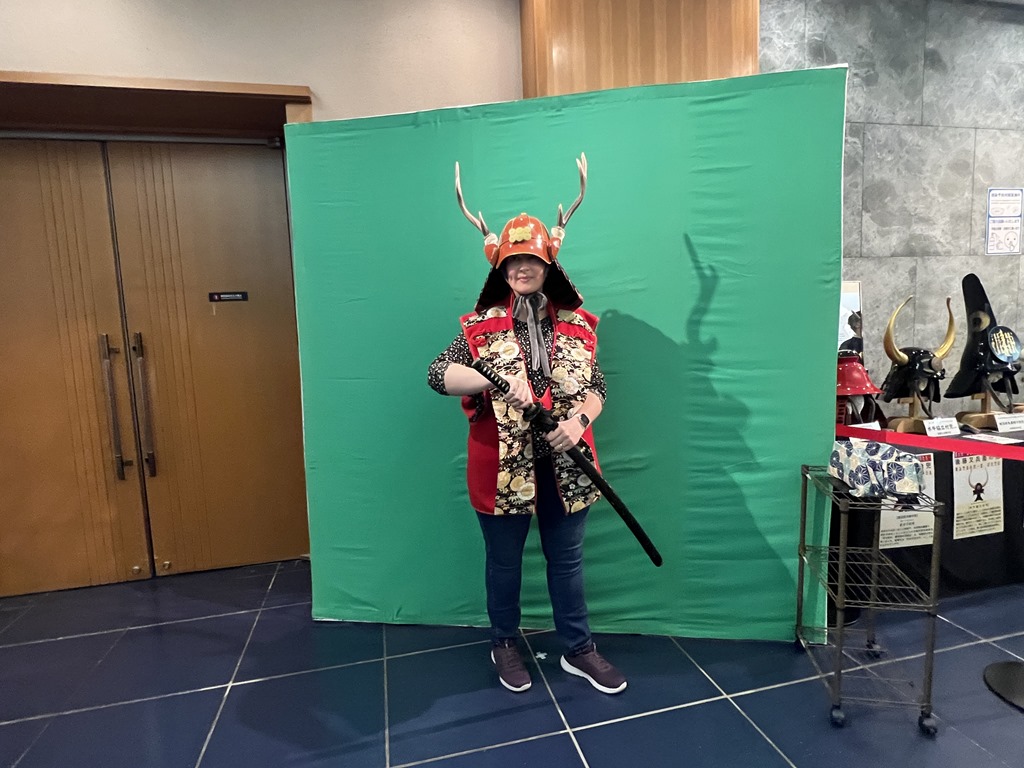
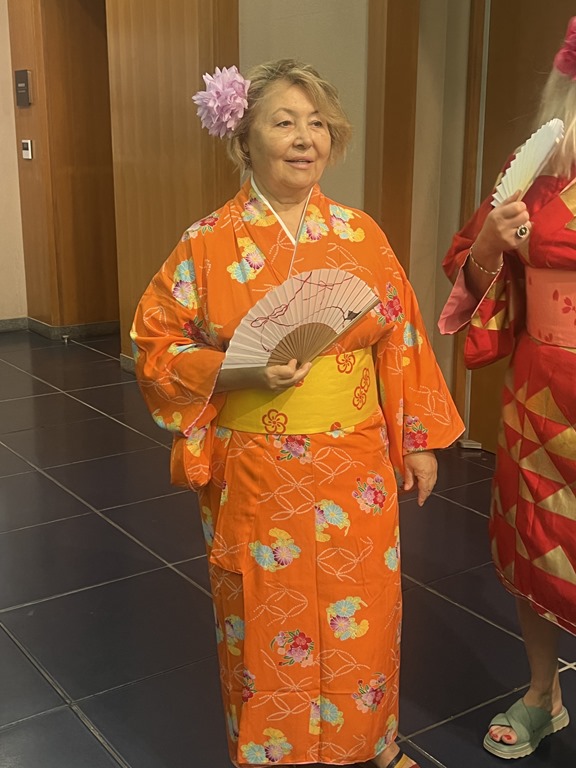
People could dress up in the kimonos and the shogun gear and have pictures taken.

IMG_9939~photoIMG_9961~photo

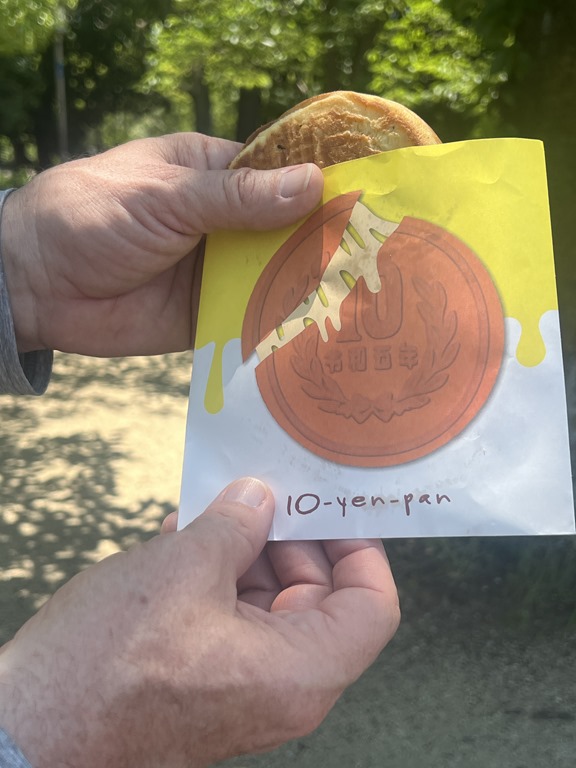
We ate this delicious cheese filled pastry!

IMG_9967~photo

We were in Kobe overnight, so after the tour we walked from the ship to the market area of Kobe in search of a nail salon. We found two but they were booked.  We did a LOT of walking and saw many places to eat and many shops. 

Onboard tonight there was a local traditional show called the Arima Geiko Show.  These women shared the culture of their costumes, wigs and traditional music and dancing. It was interesting to hear that the wigs are very heavy and are made from human Mongolian hair because of its thickness.

IMG_0009~photoIMG_0015~photo

Posted in Asia, Excursions, June, World Cruise #4 | Leave a comment

Hiroshima, Japan

June 16, 2023

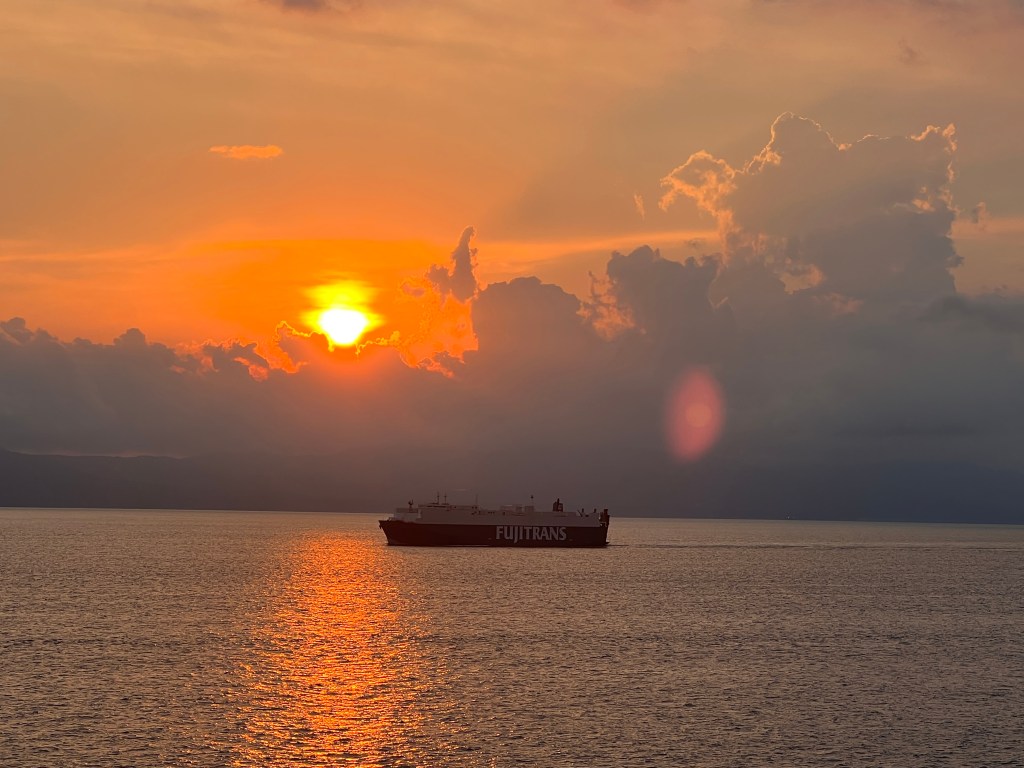
We had a beautiful sunset when we left Kagoshima yesterday. We left 3 hours late due to a mechanical issue but the captain is planning to make up as much time as he can to have only a slightly late arrival into Hiroshima.

Here are some photos of our sail in to the harbor. We arrived only 30 minutes after our scheduled arrival. Well done, captain!

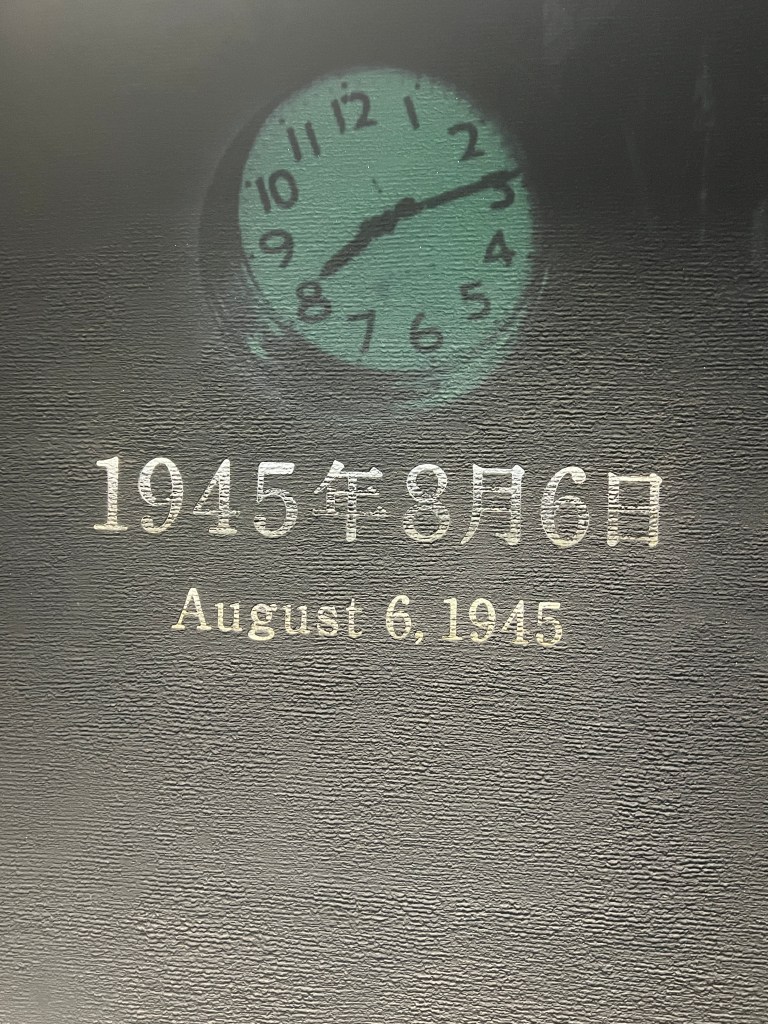
Hiroshima means “wide island”. It is best known as the first city in history to be targeted by a nuclear weapon when the United states Army Air Force dropped an atomic bomb on it at 8:15 AM on August 6, 1945 near the end of World War II. The oleander is the official flower of the city because it was the first to bloom again after the explosion of the atomic bomb in 1945. The city government continues to advocate the abolition of all nuclear weapons and the Mayor of Hiroshima is the president of “Mayors for Peace”, an international mayoral organization mobilizing cities and citizens worldwide to abolish and eliminate nuclear weapons.

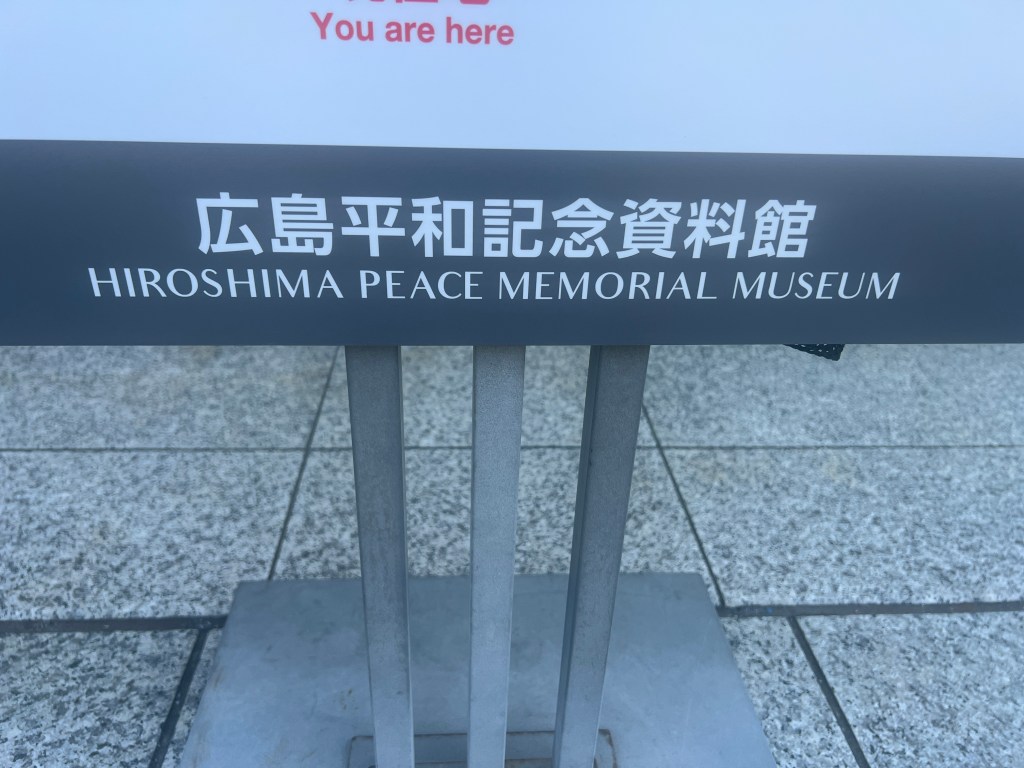
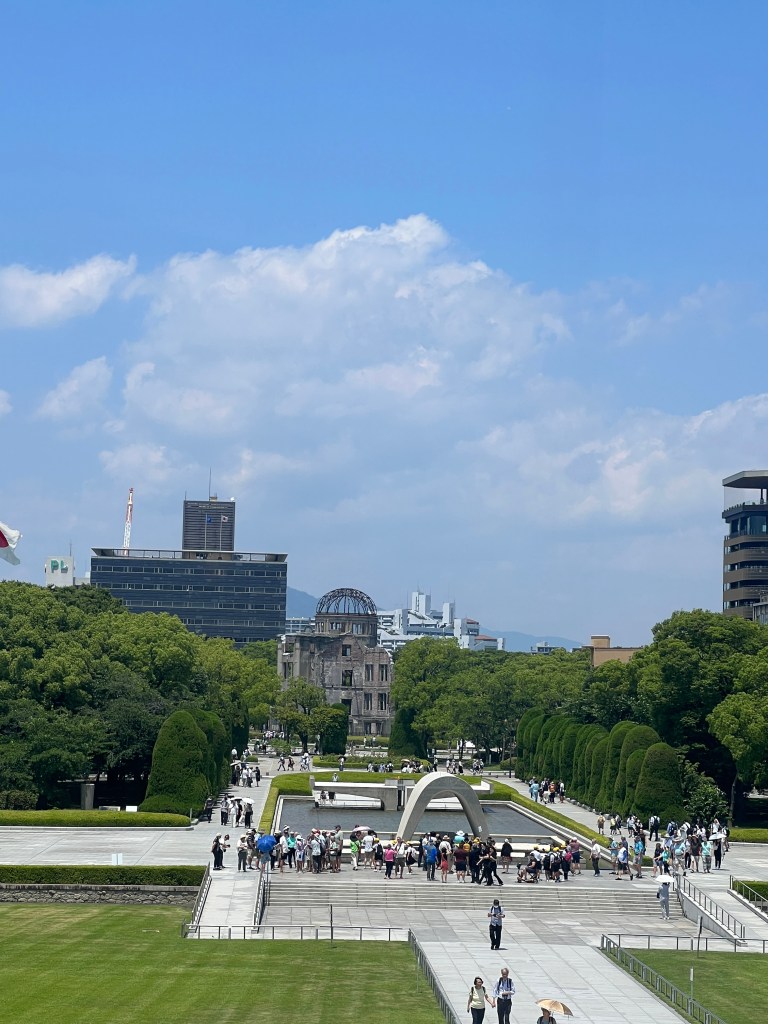
Today we took a taxi to the Hiroshima Peace Memorial Museum and Peace Memorial Park. We visited the park in 2019 but we were on a tour and it didn’t include the museum. Admission was only 100 yen for us old people – which was $.71 in US money. The museum is a very sobering history of Hiroshima both before and after the atomic bombing.It tells the story mostly through the people’s lives, those who died and those who survived.The museum calls for the abolition of nuclear weapons and eternal world peace. There were many pictures and artists renderings – too many to capture it all for this blog. But it is worth looking on their website. Very sad.

The weather was pretty perfect today – no rain and in the 70s. So it was a nice day to be in the park after we explored the museum.

The park was constructed to make the whole neighborhood of the Nakajima district into a symbol of everlasting peace and a recreation area for citizens. The park was renovated into its current design in preparation of the 50th anniversary of the bombing. The Hiroshima Peace Memorial Ceremony is held here on August 6 every year.

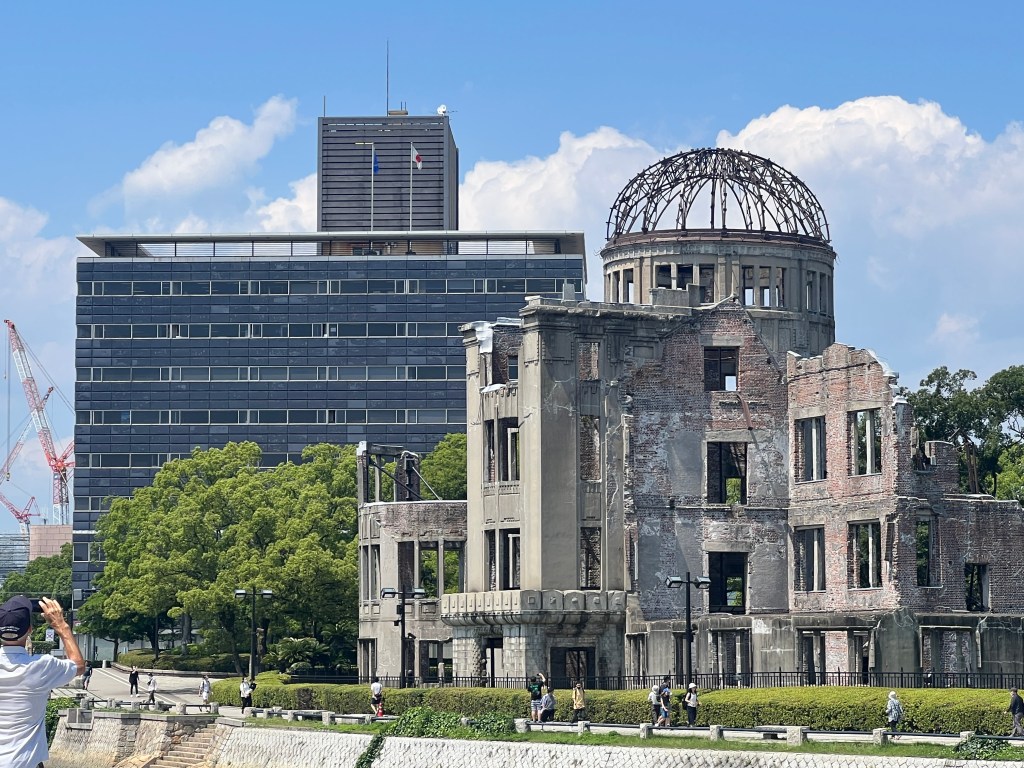
The atomic bomb dome that was damaged and burned. It symbolizes the pledge to convey the horror of the atomic bombing. It is a UNESCO World Heritage Site.

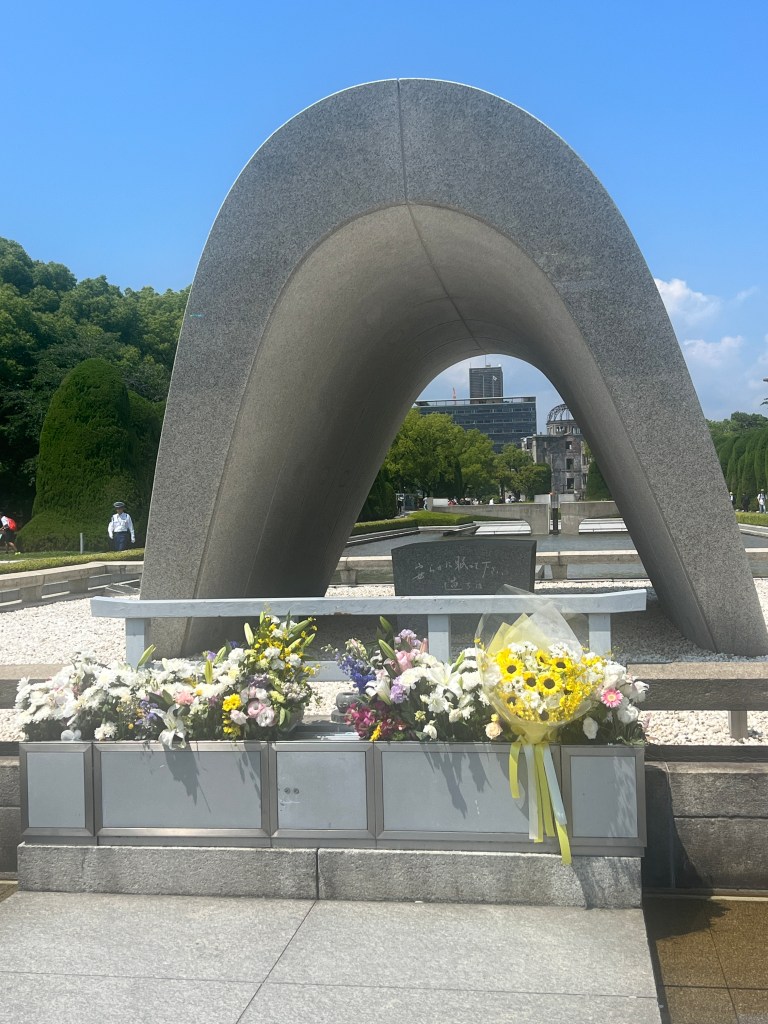
The Cenotaph for the Victims of the Atomic Bomb (formally known as the Memorial Monument for Hiroshima, City of Peace) was built in 1952. Inside lay registries which contain the names of all the known victims of the bombing, regardless of nationality. Names are added to these registries each year.

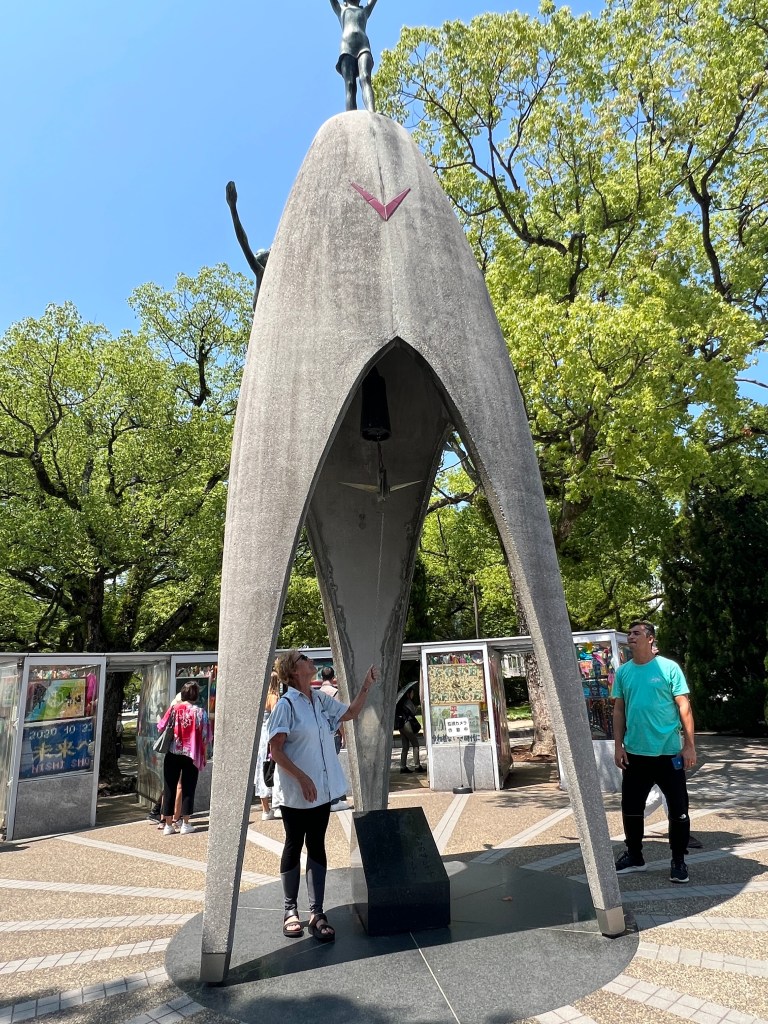
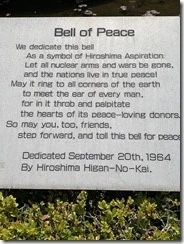
Pat ringing the bell of peace
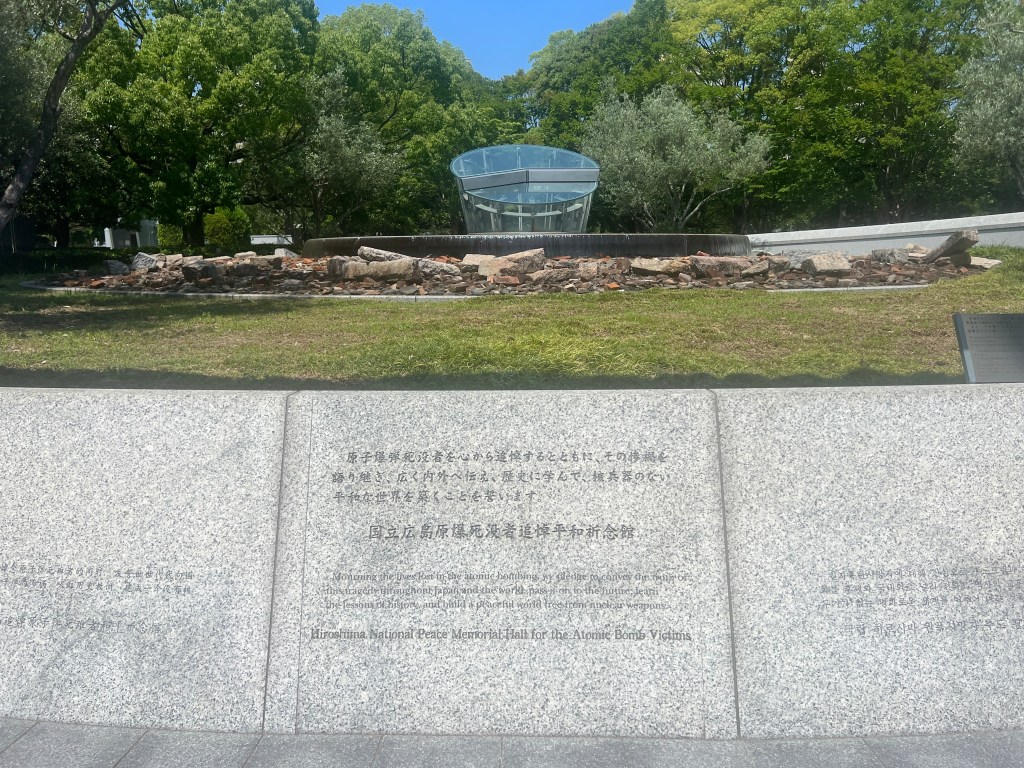
The National Peace Memorial Hall for Atomic Bomb Victims

There was a special exhibition about the Hiroshima War Orphans Foster Home. The bombing deprived many children of their families.
The exhibition describes the history of the home and the life of Gishin Yamashita who introduced the legislation, made contributions and was engaged in the operation of the home. It accepted a total of roughly 170 children until 1953 when operation of the foster home was transferred to the City of Hiroshima.

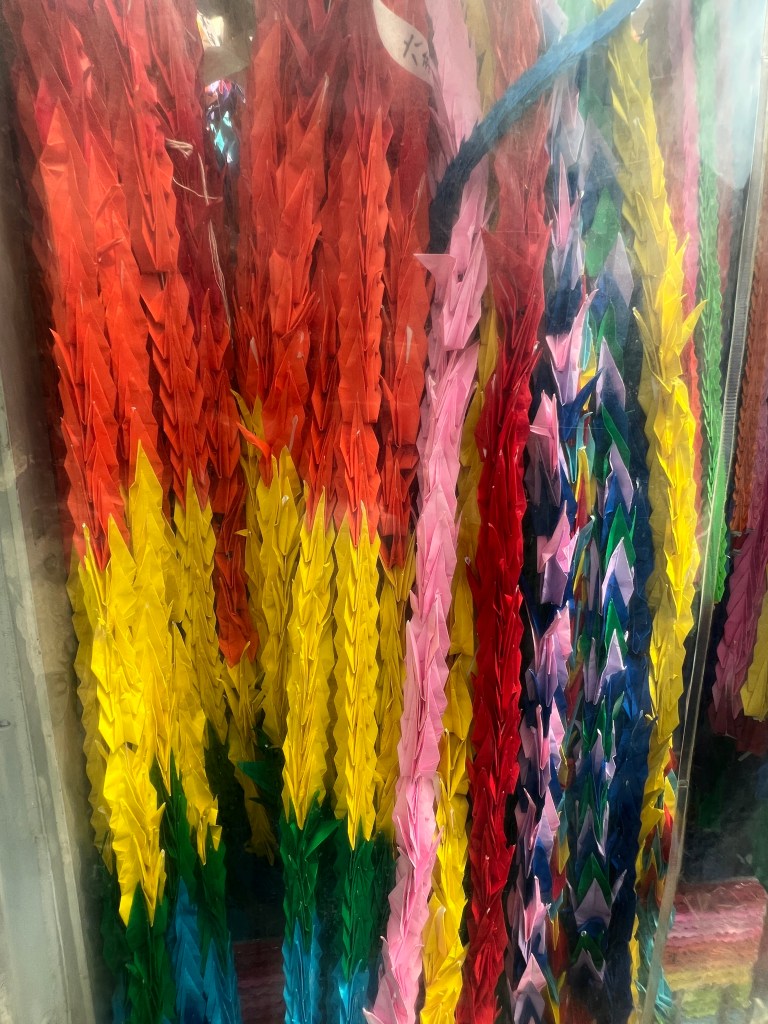
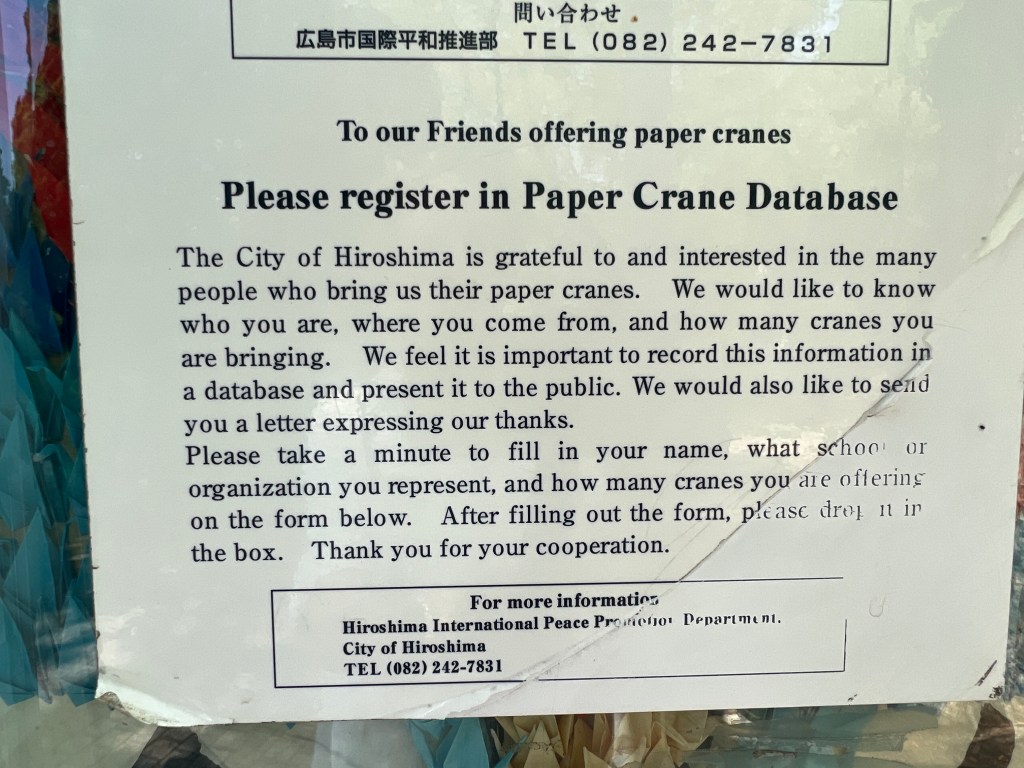
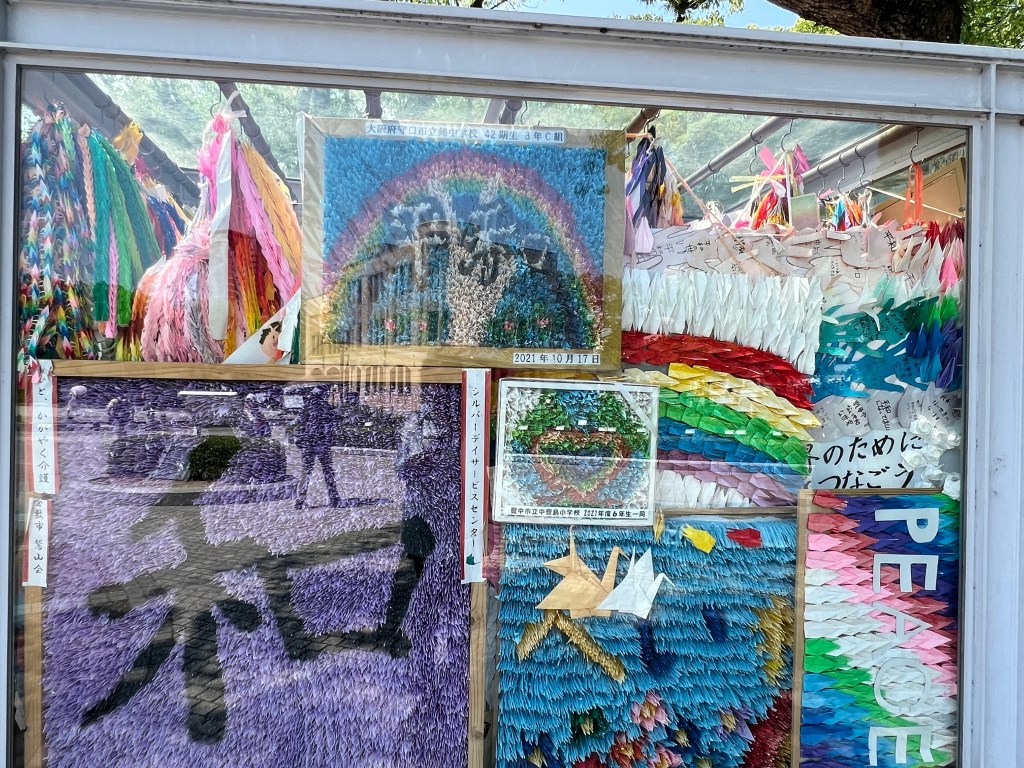
These paper cranes are made by people around the world and brought to Hiroshima as a symbol of peace. There are thousands on display here.

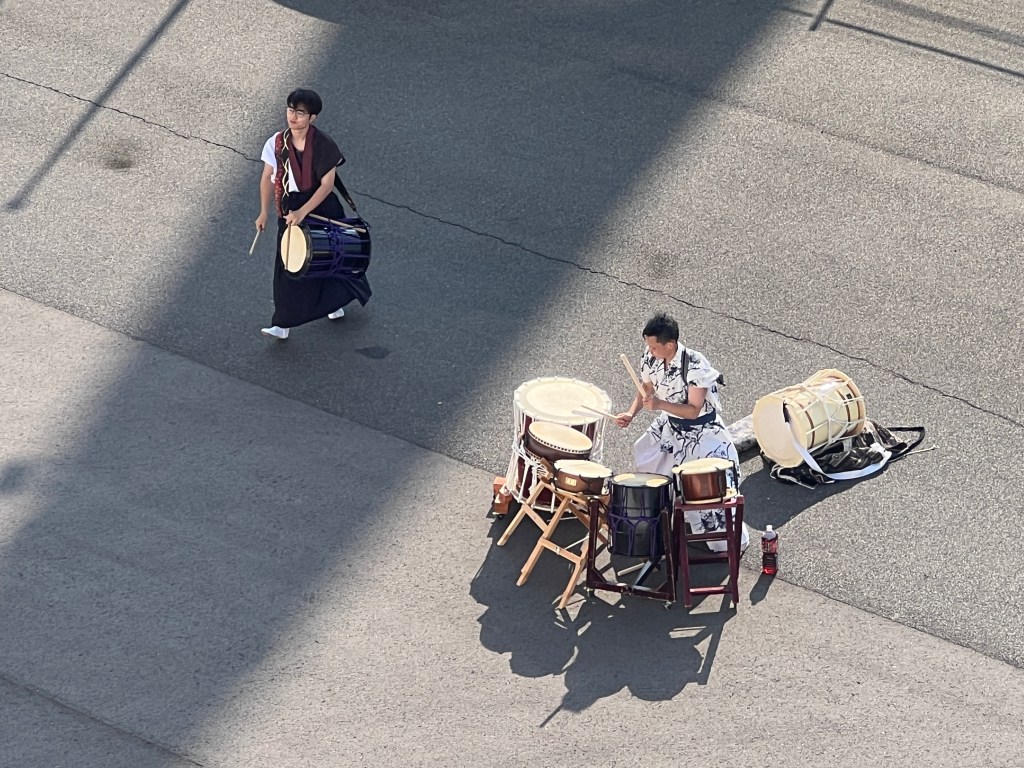
We had a scheduled departure for Kobe at 4:45 so we took the shuttle bus back to the ship and watched the drummers on the pier serenade us before we left. And we were delayed again today – a bigger ship had to leave before us. It was a huge car carrier.

Posted in Asia, Excursions, June, World Cruise #4 | 1 Comment

Kagoshima, Japan

June 15, 2023

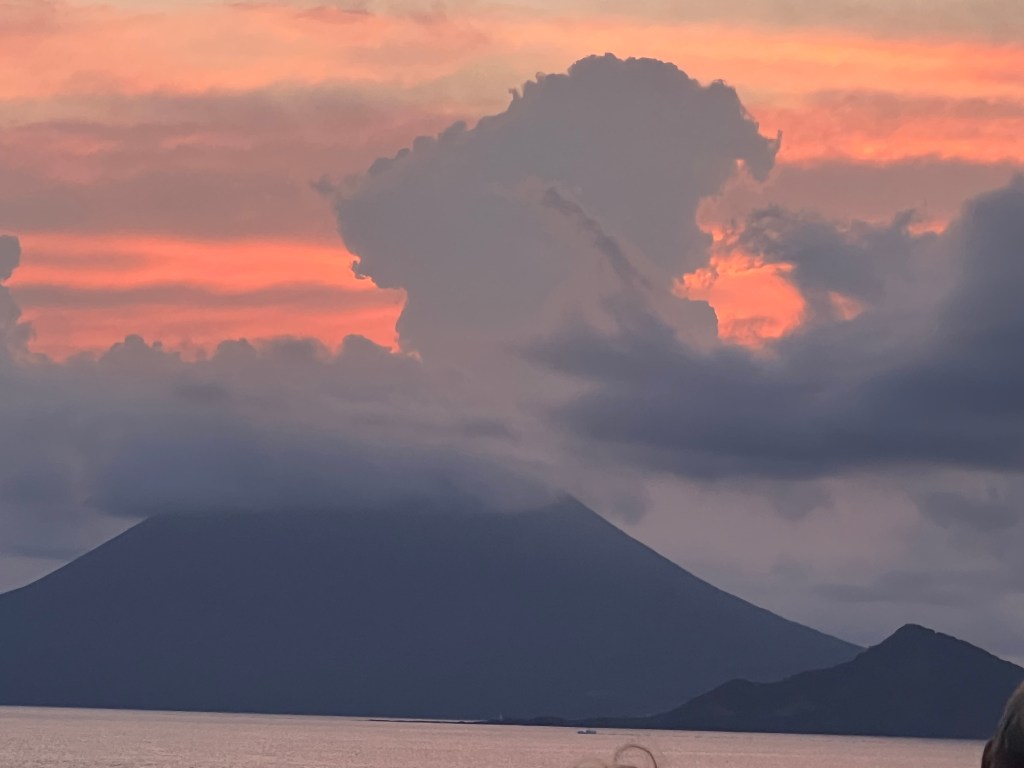
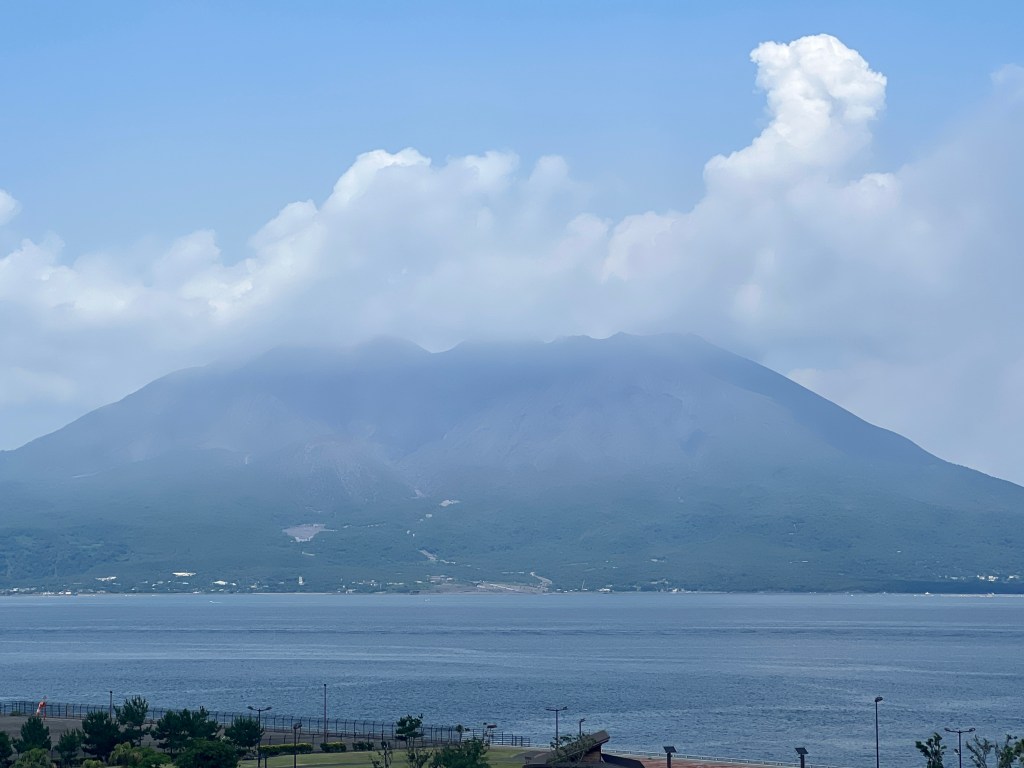
We have been to Kagoshima once before, in 2019. This time we opted to go on the Ibusuki Sand Bath Tour.Our guide was Mayumi and she was probably one of the best guides we have had. The trip to the Sand Baths took 1 hour 20 minutes and she was so informative the whole time. Kagoshima is a port city on the western shore of Kinkowan Bay. It is the southern most major city in Japan’s southern island of Kyushu. The volcano, Mt. Sakurajima, towers 3500 feet over the city and the bay. It is an active volcano and it erupts pretty constantly each day, but not dangerously. The most dangerous eruption was on January 11, 2014. It is the most active volcano in Japan. It was pretty cloud covered all day but here is the best picture I could get.

The city of Kagoshima has a population of 600,000 and is in a beautiful area. Agriculture is the largest occupation and the green tea, sweet potatoes and wagu beef are very popular. Kagoshima is the second largest producer of green tea in Japan. Mayumi said that the pork and beef are both delicious – the pigs are fed sweet potatoes and the steers are fed green tea!

Japan is made up of 14,200 islands. I had no idea! It is the length of Montreal to Jacksonville! There are 124 million people and the cities are quite crowded but you don’t see that in this area.

Mayumi told us many of the Japanese customs including bowing as a greeting. The depth of the bow is lower if the person being greated is of greater stature. It is considered respectful if you greet the person back the way you were greeted.

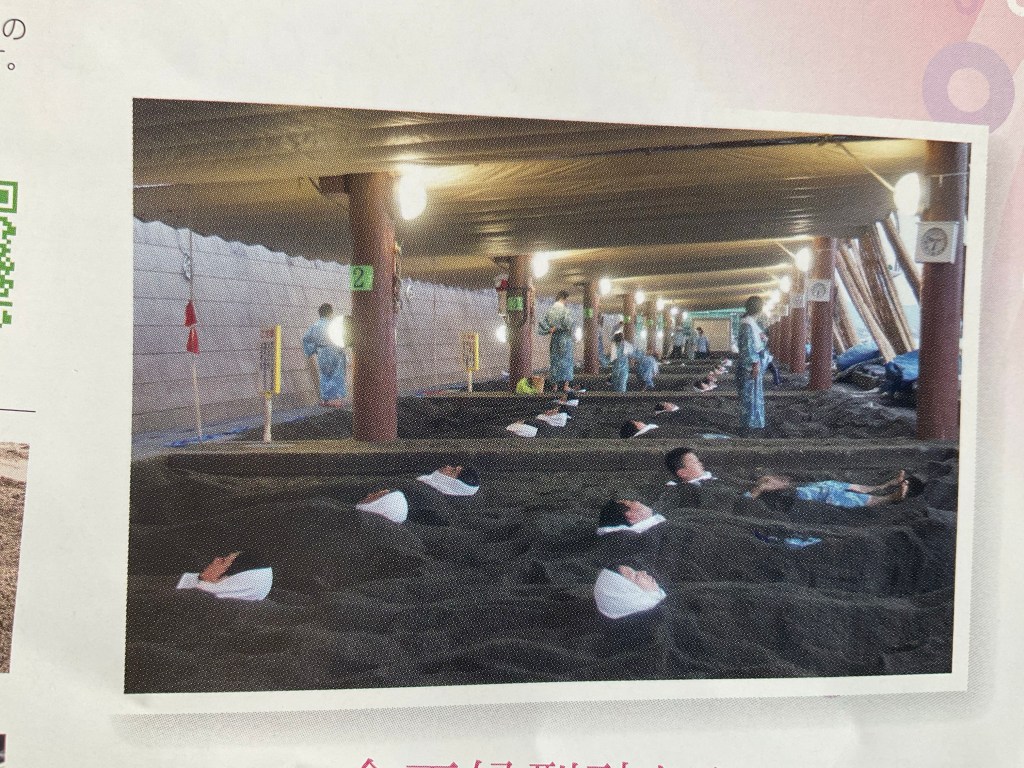
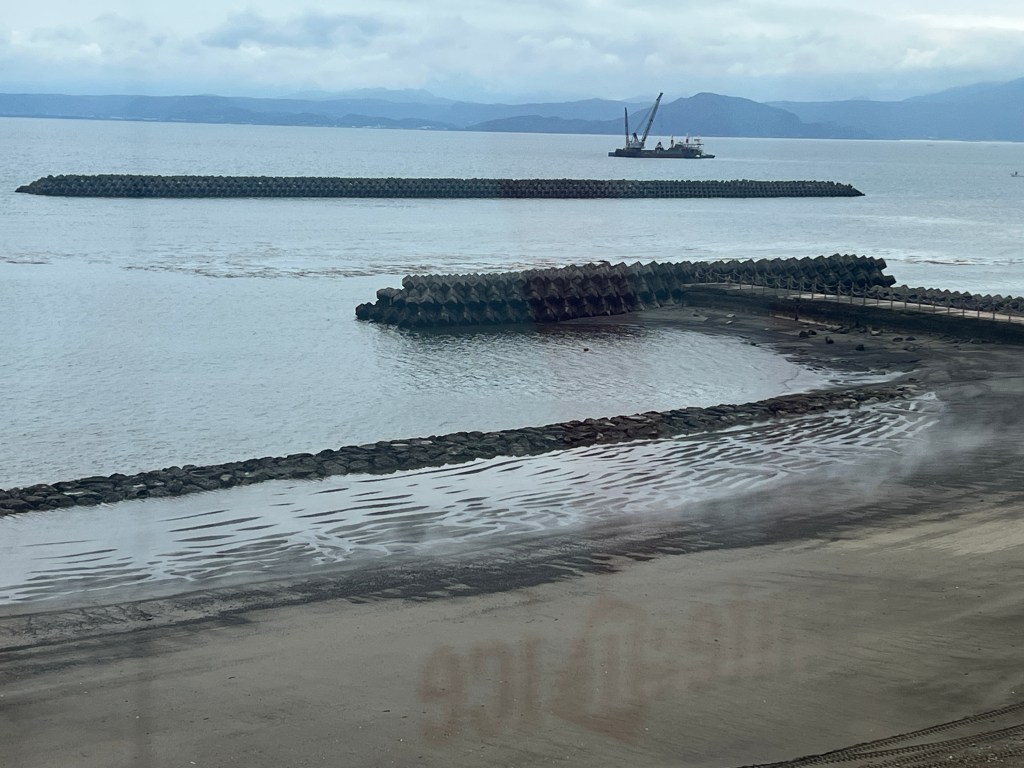
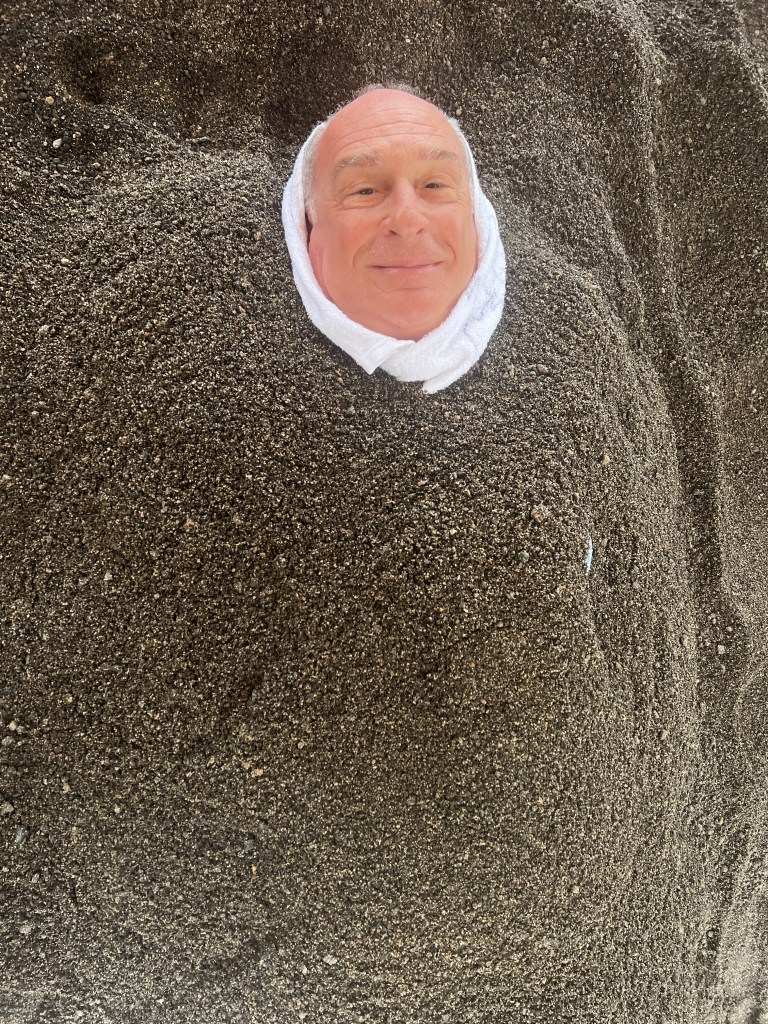
We reached the Ibusuki Sunamushi Onse Natural Sand bath and spa and got instructions about how it all worked. This is the only hot sand spa in the world so we knew we would be in for something special. We received two towels, a large one and a small one and a summer (cotton) kimono. We had to remove all clothing and shoes and put everything in a locker. We took the small towel with us down to the beach where there were covered sand baths. When the tide is right and the weather is good, the sand bath takes place out on the beach. Mayumi got special permission to take photos of us – it is usually not allowed – and she collected all of our cell phones so that she could walk around and take the pictures. The small towel is wrapped around your head and you lie down in the sand where the workers cover you with the warm sand. The sand underneath you is quite warm too. You only stay for 10 – 15 minutes. The sand is heavy and we both felt our bodies pulsing. The sand is hot from the hot springs. After the sand bath, we came in and showered the sand off, then went into the hot springs pool (women and men separately and naked). It was incredibly well organized as most things in Japan are.here are pictures of what it looks like under cover and out on the beach.

The sand bath hot springs have been used for the past 300 years. Their brochure says that it has been medically proven to have many positive effects on the human body. Research done by professor Tanaka of Kagoshima University Medical Department has demonstrated that sand bathing actively stimulates the heart and increases blood circulation in the body. The literature states that it is effective in relieving the following: neuralgia, rheumatism, lumbago, arthritis, fractures, paralytic effects of stroke, atopy, skin diseases, asthma, diabetes, and sensitivity to cold. It is prohibited for people with high blood pressure over 180, heart disease, irregular pulse, liver disease and fever (although no one asked us!). I am not sure it really relieves all that, but it did feel very relaxing.

Before we left, I found out that you could purchase the cotton kimonos like the ones we wore in the sand. Here is mine! Perfect to use as a robe yet Norm thinks I could wear it to dinner.

On the way back to the ship, Mayumi showed us pictures of how weddings are conducted and the finery worn by brides and grooms – she showed us her own wedding pictures with the 4 changes of outfits! She also explained the reverence for older relatives and how families usually have cemeteries near their homes so that they can visit graves to honor the dead.

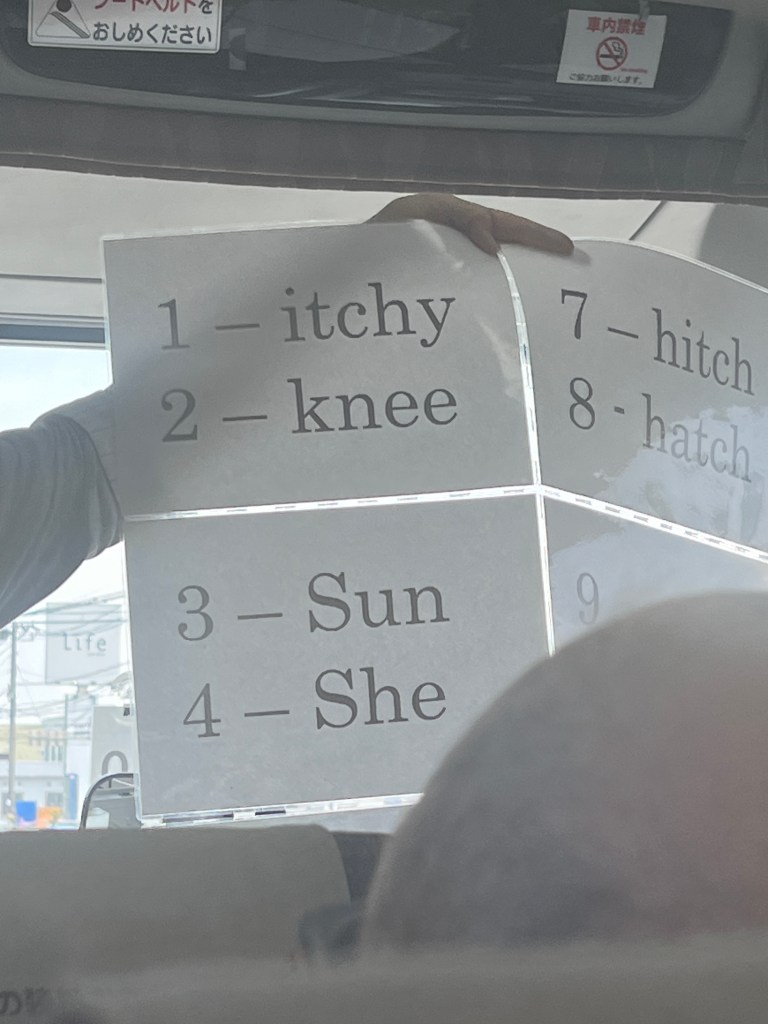
Then, we learned how to count in Japanese. She held up cards with each number and the Japanese pronunciation. She quizzed us on some numbers as well. She kept us well informed and entertained the entire trip. I would say she was one of the best guides we had. She gave us samples of Japenese candies and had one of the small towels we used on our heads for each of us – clean ones, that is.

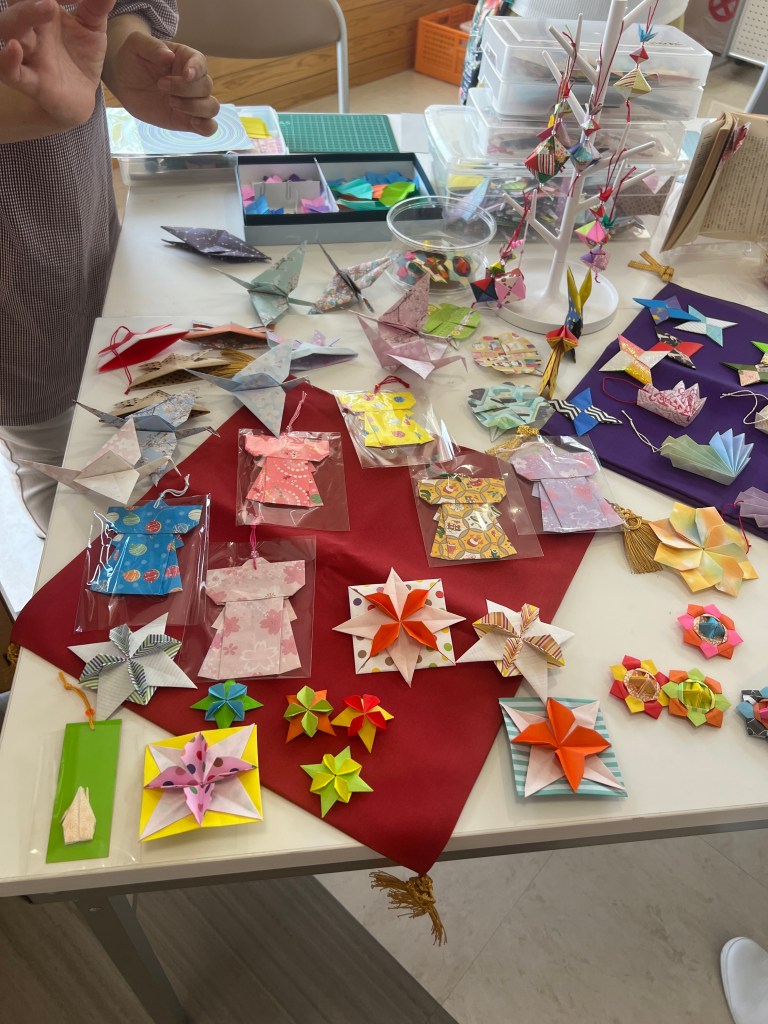
There were some small shops in the terminal and one booth was giving away origami figures. I got this small top that is very beautifully made and it spins.

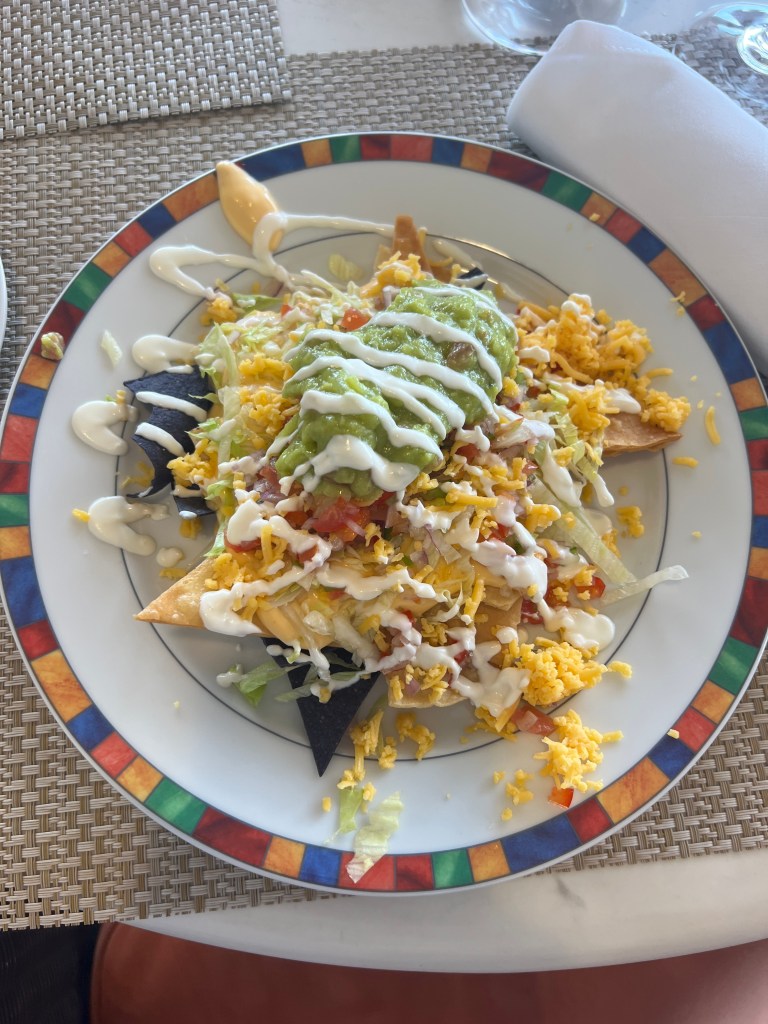
We got back in time for our lunch and it was the Mexican lunch that we love. Fresh nachos out on the deck. I took my deck walk and while I was out there a huge black smoke came out of a metal pipe and there was loud noise on my whole walk. We were supposed to leave at 3 PM but I am writing this at 5 and we are still in port. Apparently during the weekly test of the back up generator, something was tripped and none of the elevators work. So the ship cannot leave until everything is working. Ned, our chief engineer and friend, was supposed to do a guitar concert at 5:30 but I am guessing that will be postponed. We are schedule in to Hiroshima tomorrow at 10:30 so we will need to see when we can leave and how that will impact tomorrow. Stay tuned!

Posted in Asia, Excursions, June, World Cruise #4 | 2 Comments