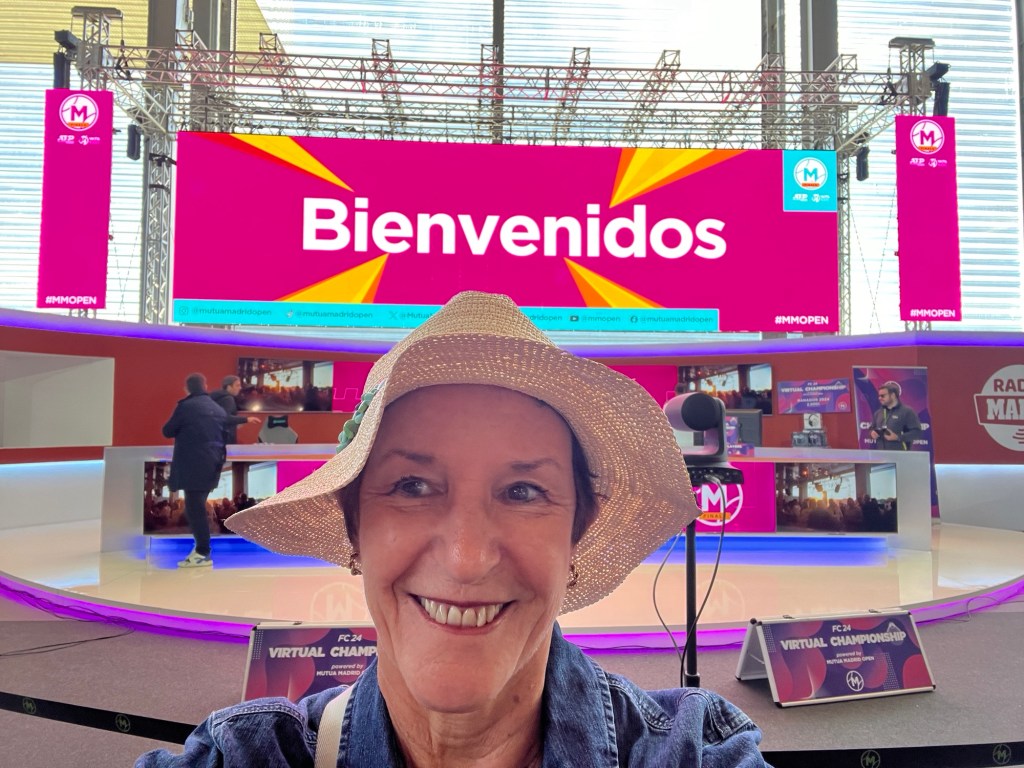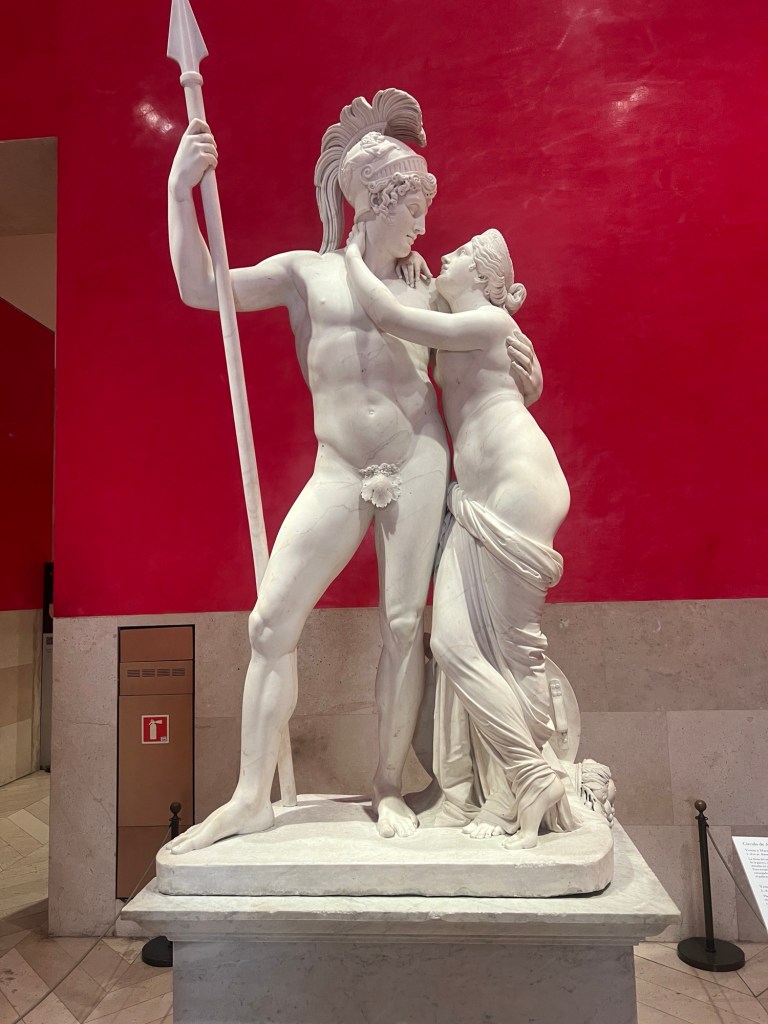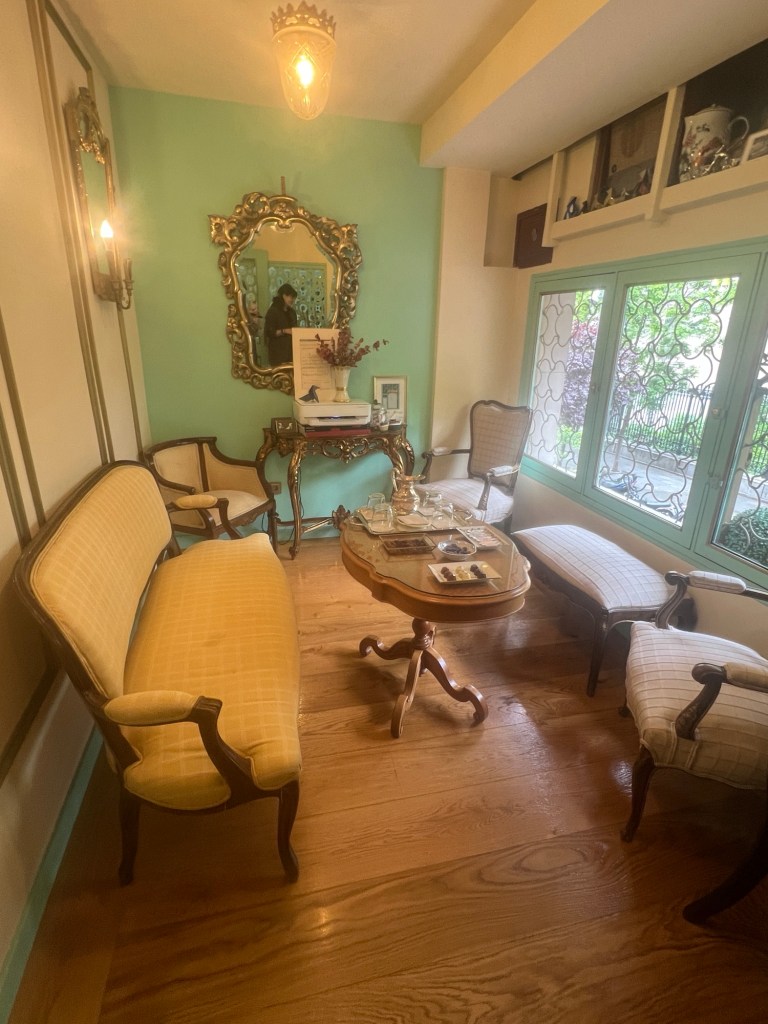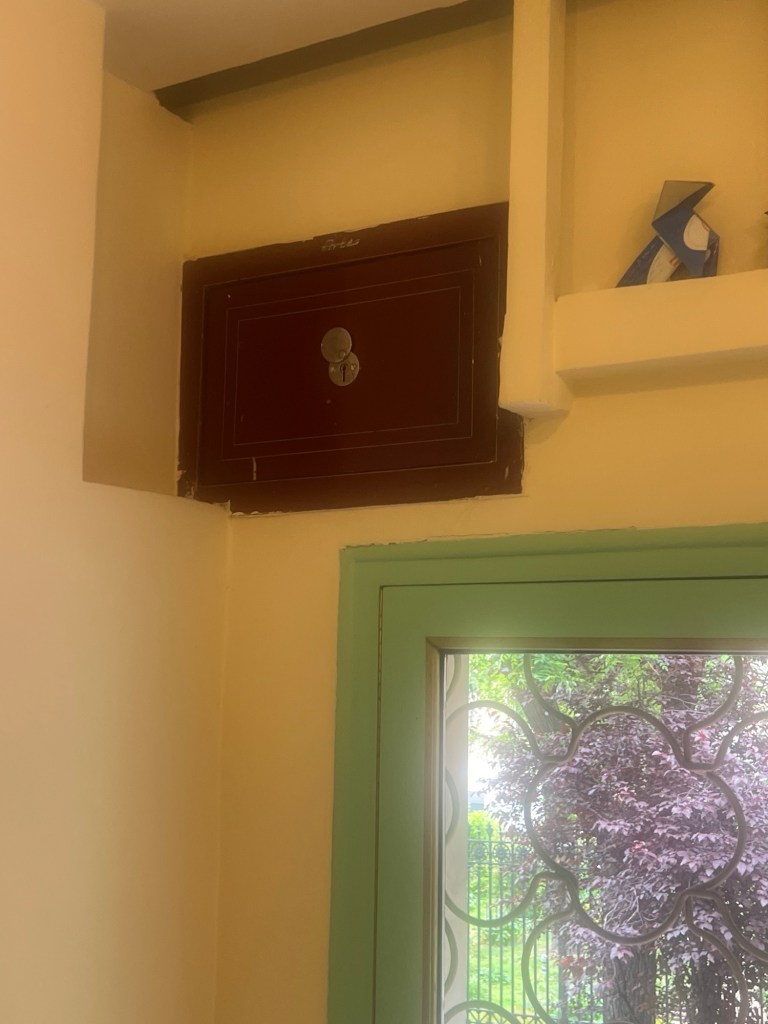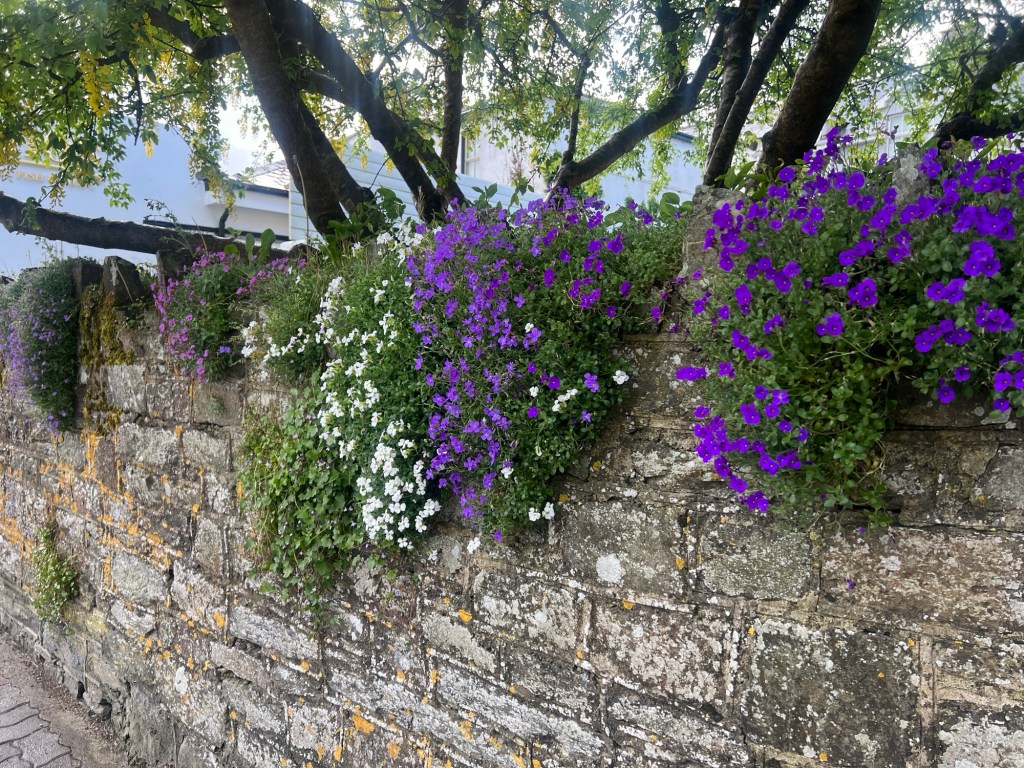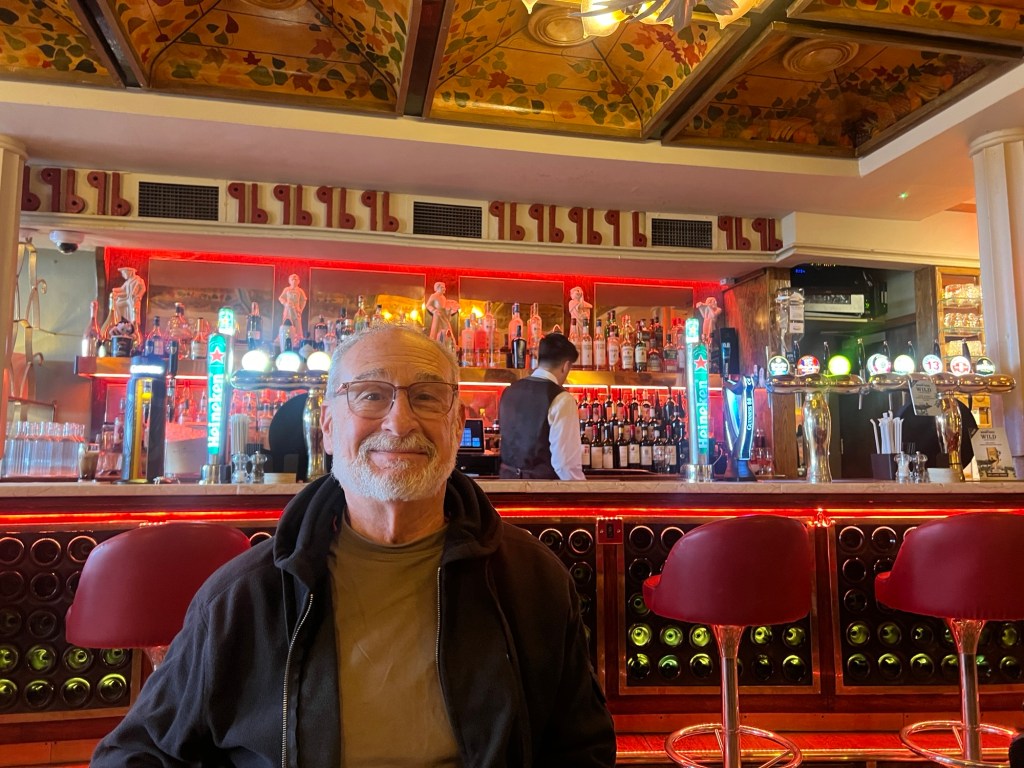
Madrid, Spain

May 6, 2024

OK, technically not part of our 37 day cruise, but as I mentioned, I had an ICF leadership meeting starting a few days after the cruise, so Norm flew home and I flew on to Madrid which made more sense than flying home then back to Madrid. This meant I had the weekend free to explore. I had never been here before. So I decided to create a post from Madrid.

I arrived on Friday after going by coach from Southampton UK to London Heathrow. I flew on Iberia and was very surprised to find out how close the seats are and that you pay for everything on board, including water! Luckily it was only a 2 1/2 hour flight.

I checked into the Hyatt Regency Hesperia which is a beautifully located hotel.

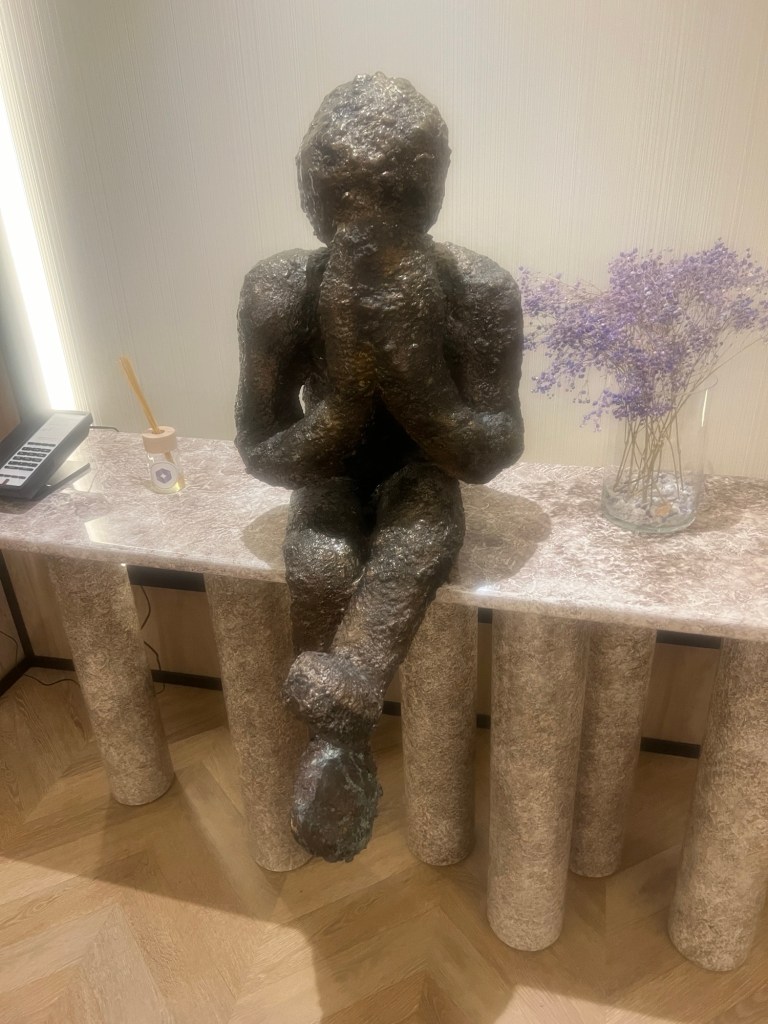
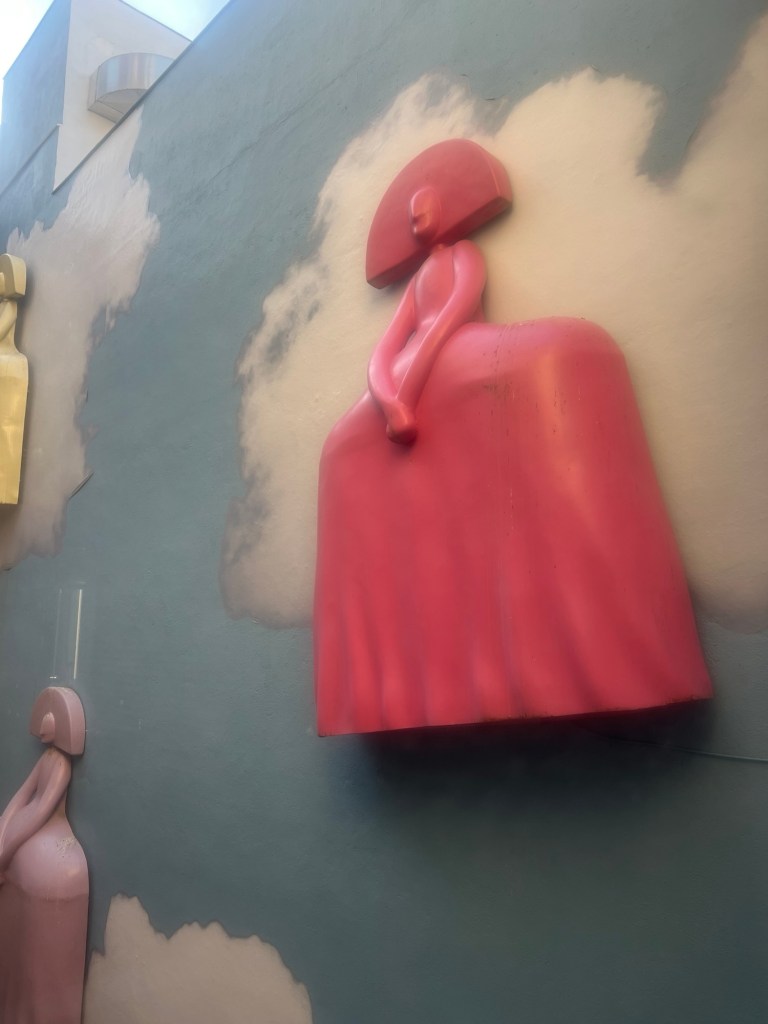
This is apparently Hesperia – in the lobby
This guy greets me when I get off the elevator on my floor
This is my view out of the hotel window

I got unpacked and went for a short walk to pick up some dinner. There is a handy grocery right around the corner and I didn’t feel like going out.

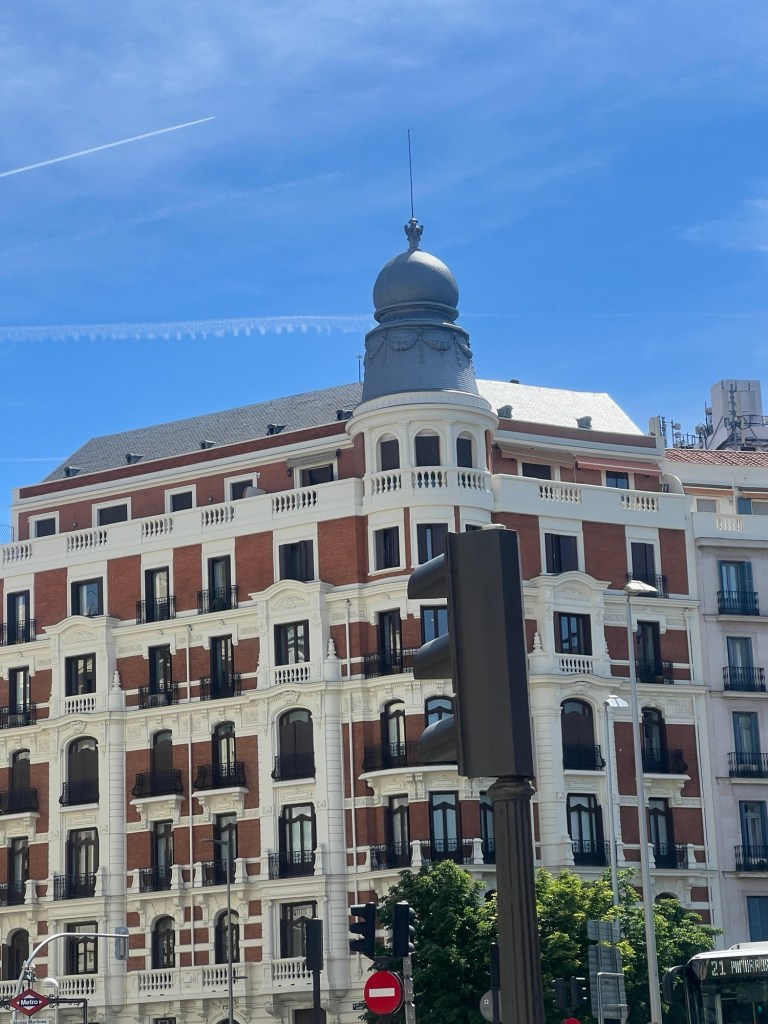
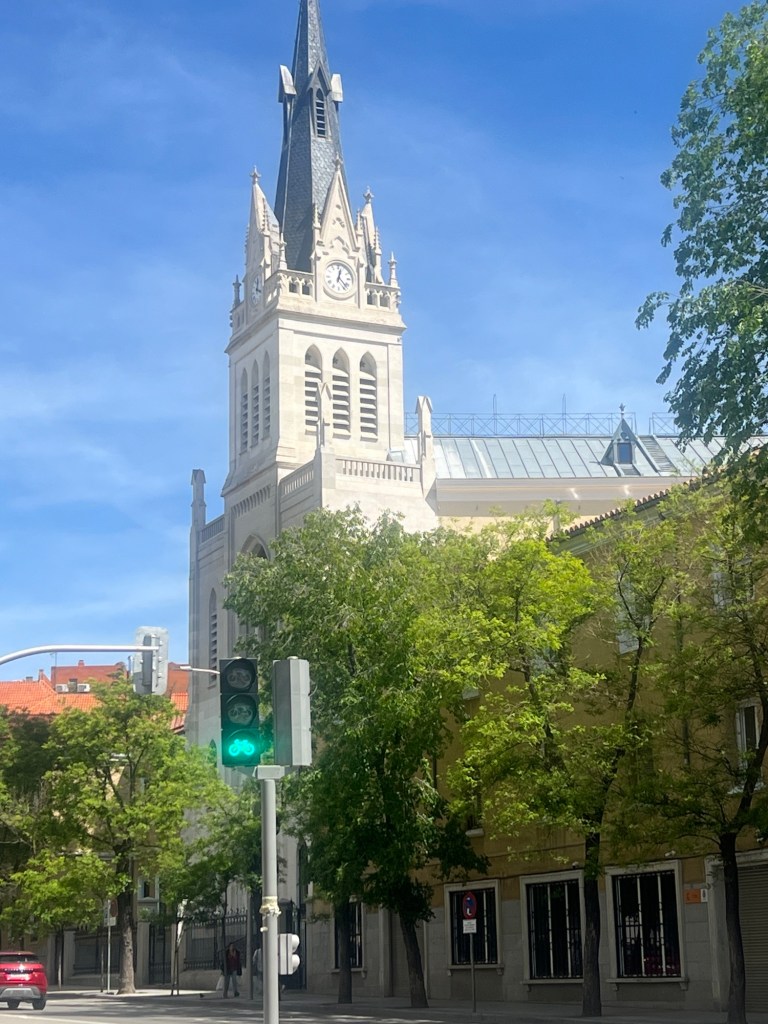
On Saturday, I set out for a long walk and it got longer than I expected because I got lost! Just go straight, they said – straight apparently means crossing streets to the side of the one you are on! Lots of steps today but also lots of beautiful sights. The city is very clean and the buildings are lovely.

I did have my phone to get directions but it lost battery power before I got back to the hotel! By then I pretty much knew where I was going so I got back in time for a quick bite of lunch before going to the Madrid Open tennis center for the two matches I had tickets for – the men’s doubles final started at 3:30 so I was cutting it pretty close. In addition I guess because my phone battery went down to zero, the phone became frozen and I couldn’t open it at all. This had me in kind of a dilemma because my Uber app and my tennis tickets were on the phone. Eventually it worked – phew!

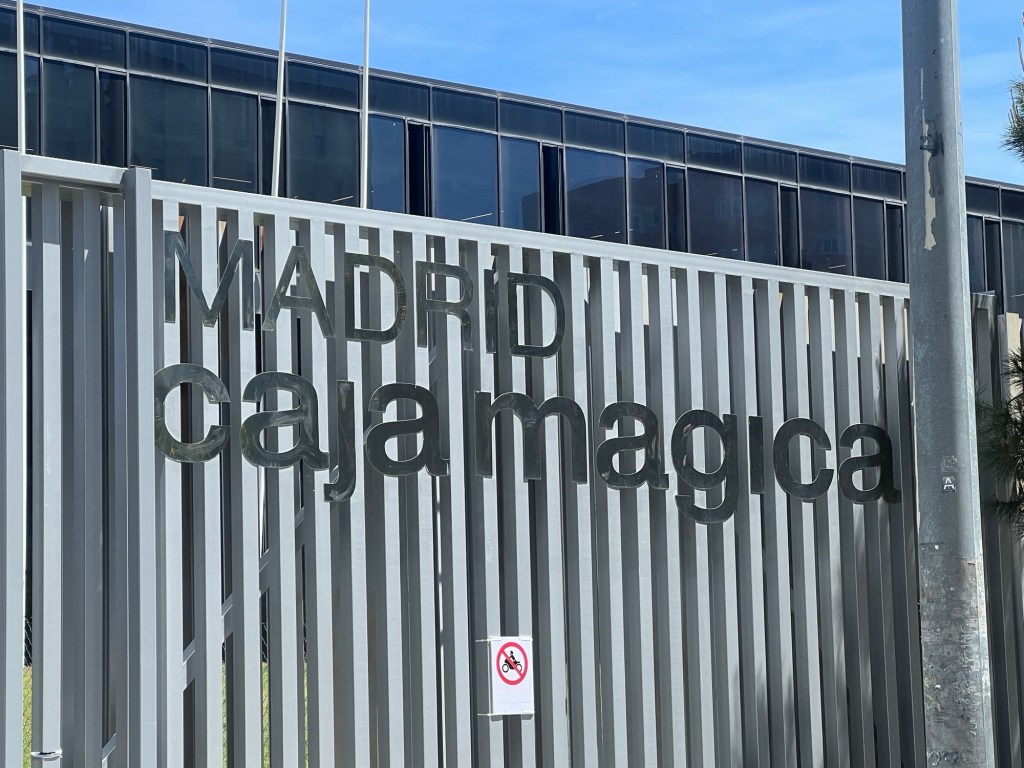
The Caja Magica is the place where the Madrid Open takes place. It is about half the size of Arthur Ashe Stadium where the US Open takes place. I didn’t know (and should have checked) that you cannot bring food of any kind into the stadium, so my small bag of nuts was taken away.
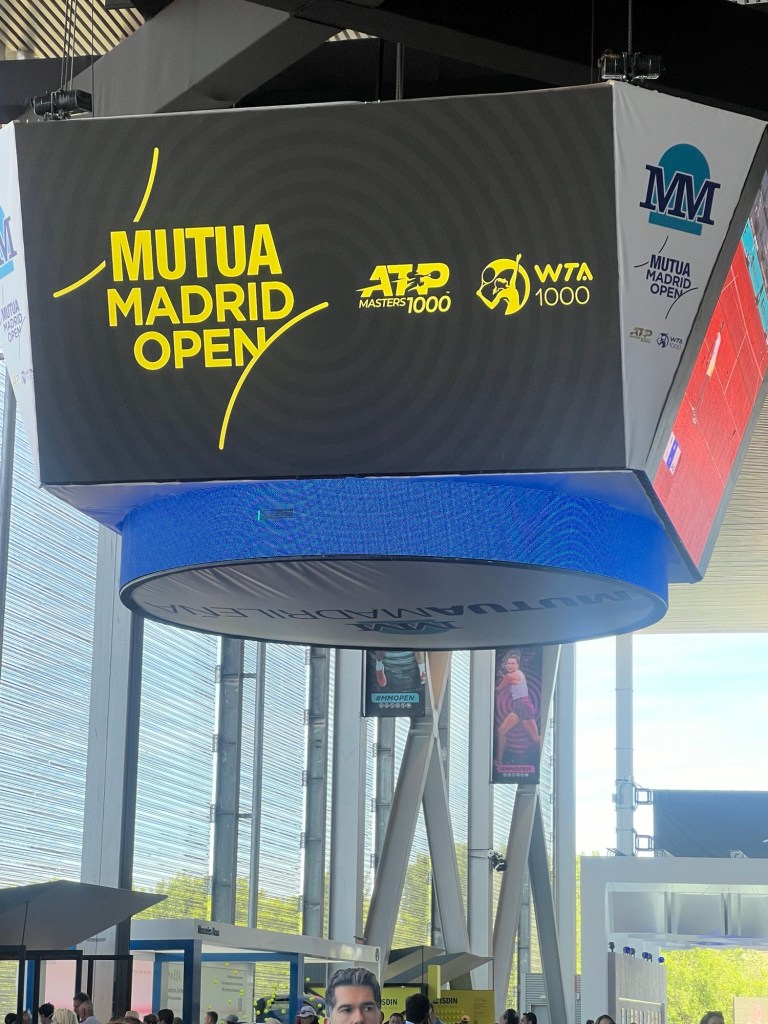
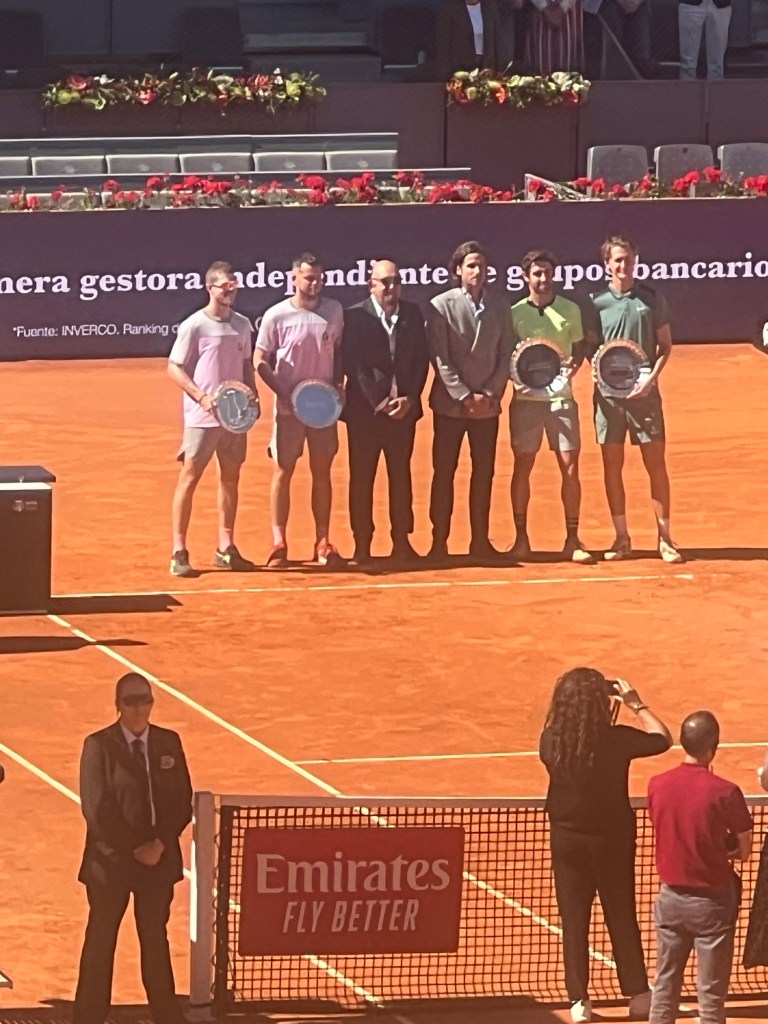
The doubles match featured Korda (an American) and Thompson vs Behar and Pavlasek. Korda and Thompson won in two sets!

I was in shade the whole time and my seats were very good. It wasn’t very crowded for the doubles.
Since the first match only went 2 sets, I had about an hour between matches and had a chance to get something to eat before the 6:30 start. Very crowded and not much choice but I had pizza and gave the remainder to two women who didn’t want to wait in the line!

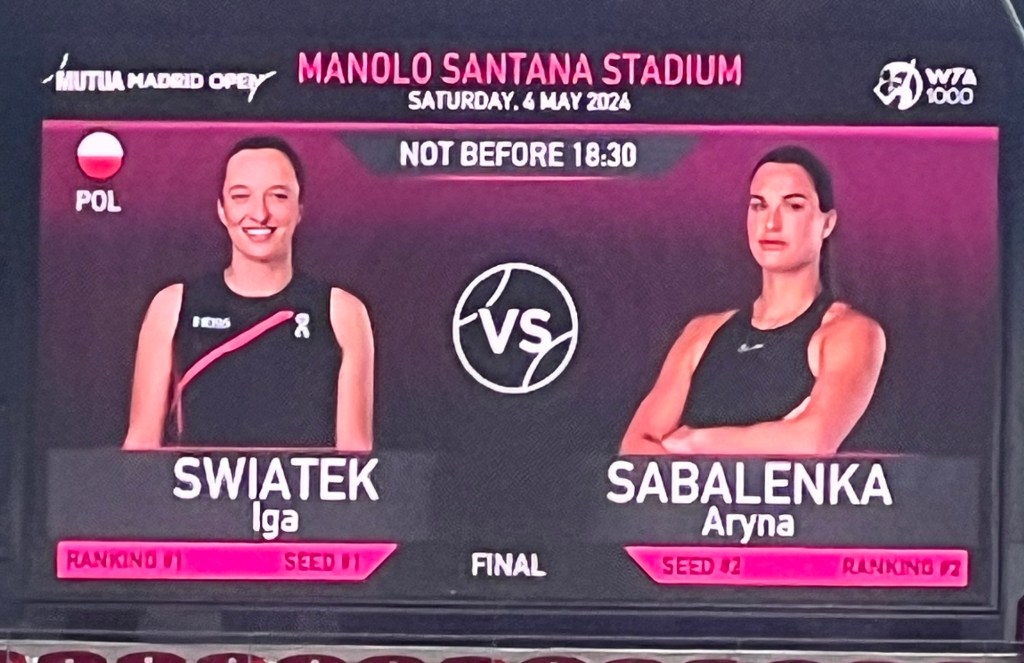
The exciting event of the day was the women’s singles finals between Swiatek and Sabalenka, #1 and #2 in the world.
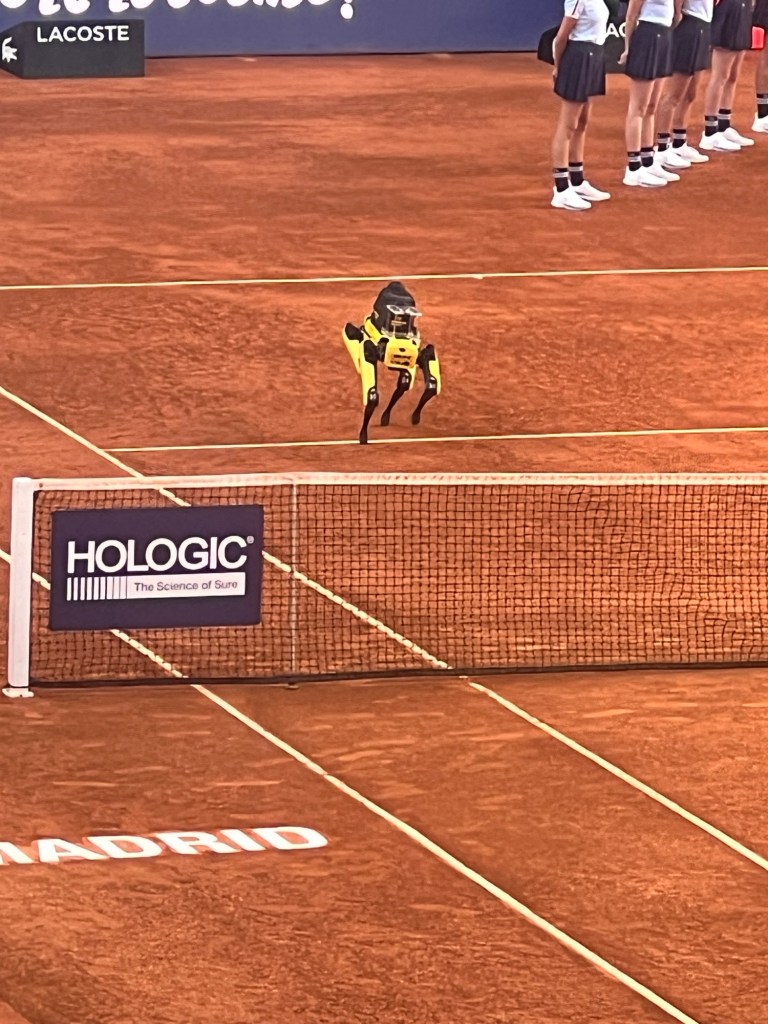
The robot dog came out first!
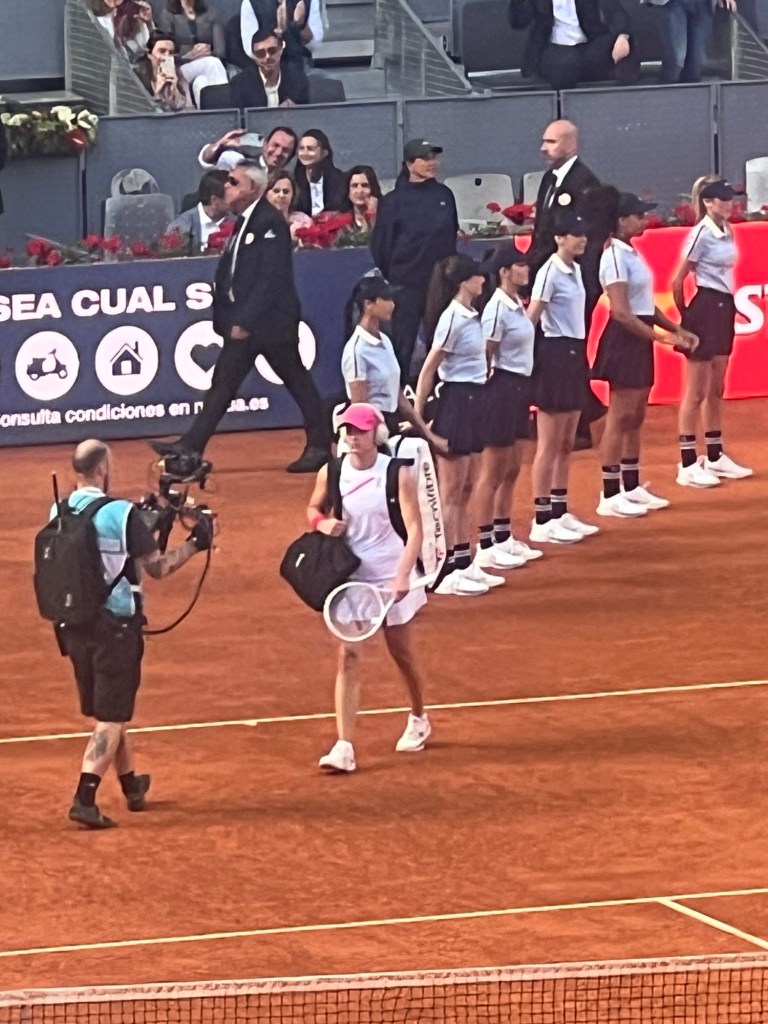
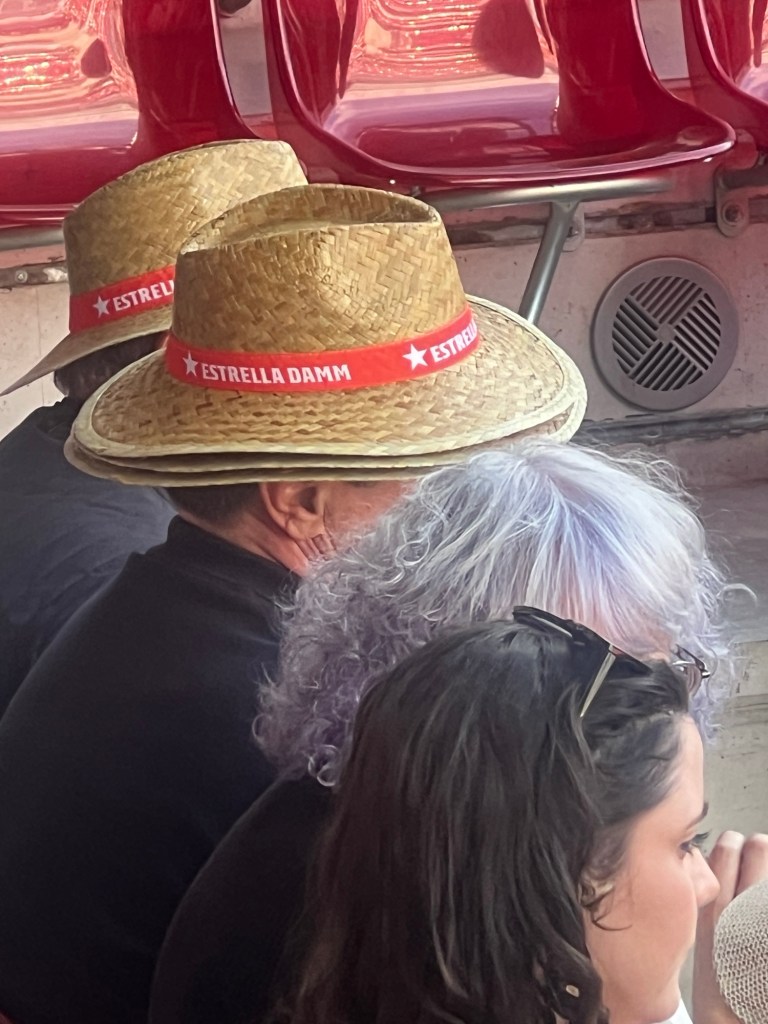
Somehow I missed where they were giving out the hats. But this guy clearly didn’t!
The match was fabulous – either woman could have won – and it was the longest in the history of the Madrid Open, 3 hours 11 minutes. In the end Iga Swiatek prevailed.

I had a wonderful time – but could not get tickets for the men’s finals so I found out that they will broadcast it on the HUGE tv in the hotel lobby tomorrow at 6:30.

On Sunday, I took the long walk to the Prado Museum and spent many hours there, including having lunch in the restaurant. The place is huge, having more than 100 rooms and galleries holding 1800 works being displayed at any one time. It is really impossible to see it all in one visit, but the brochure lists the most important works and their location. The museum was opened in the late 18th century and today the entire campus includes 5 different buildings. The Villanueva building houses the main museum.

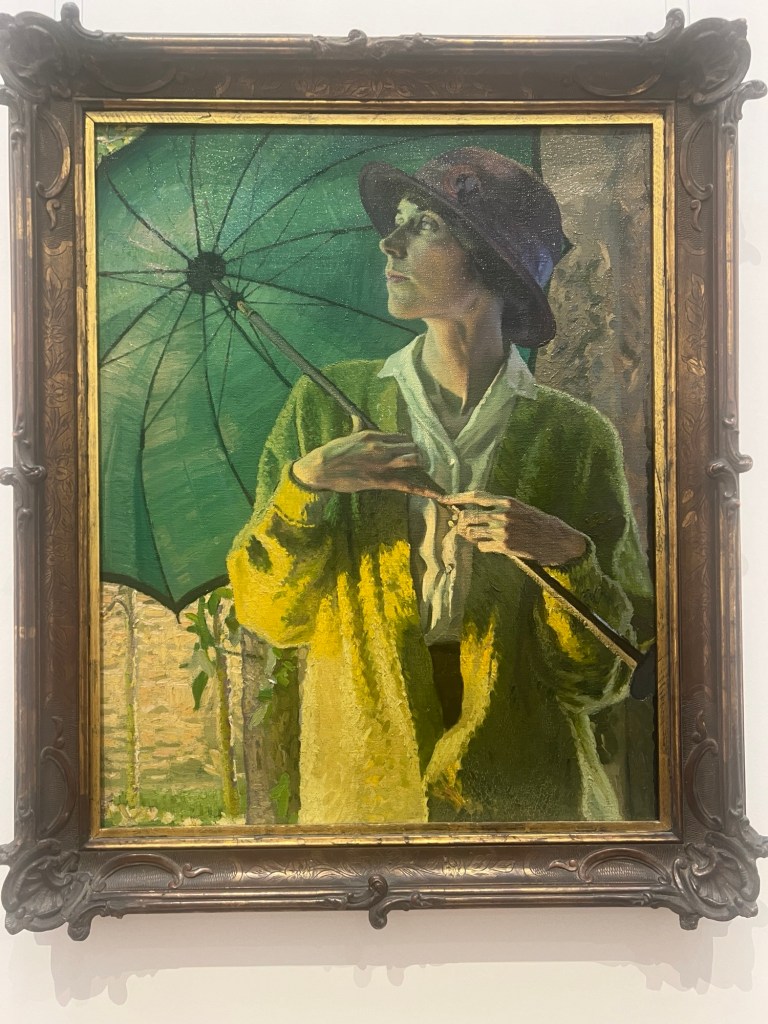
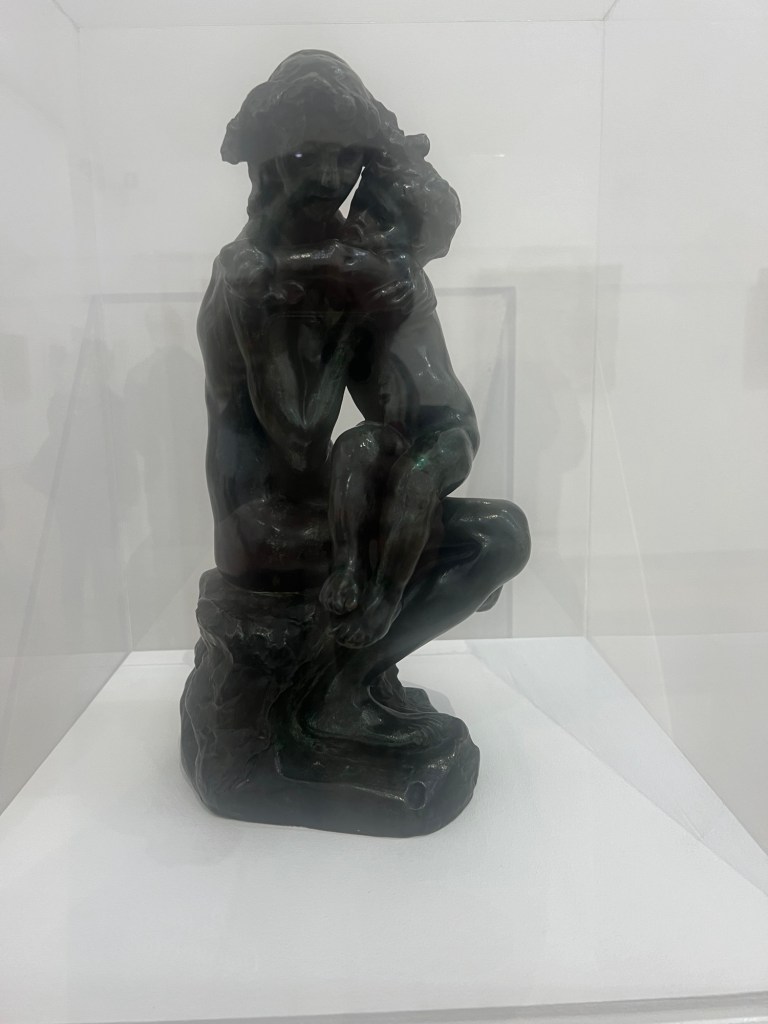
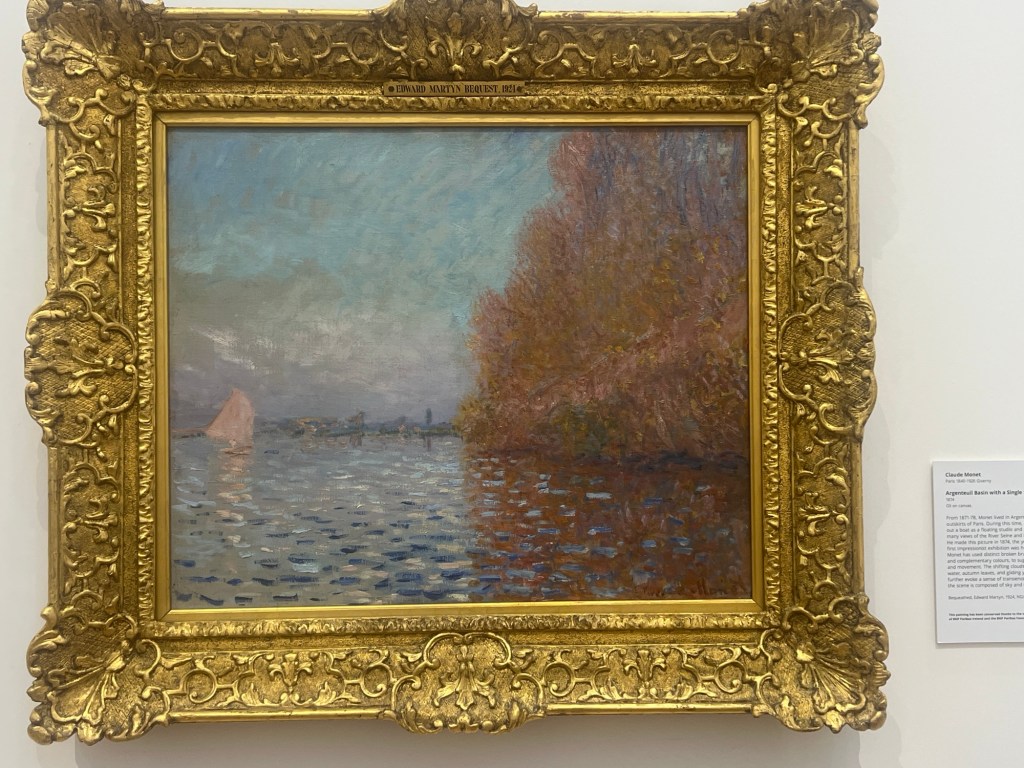
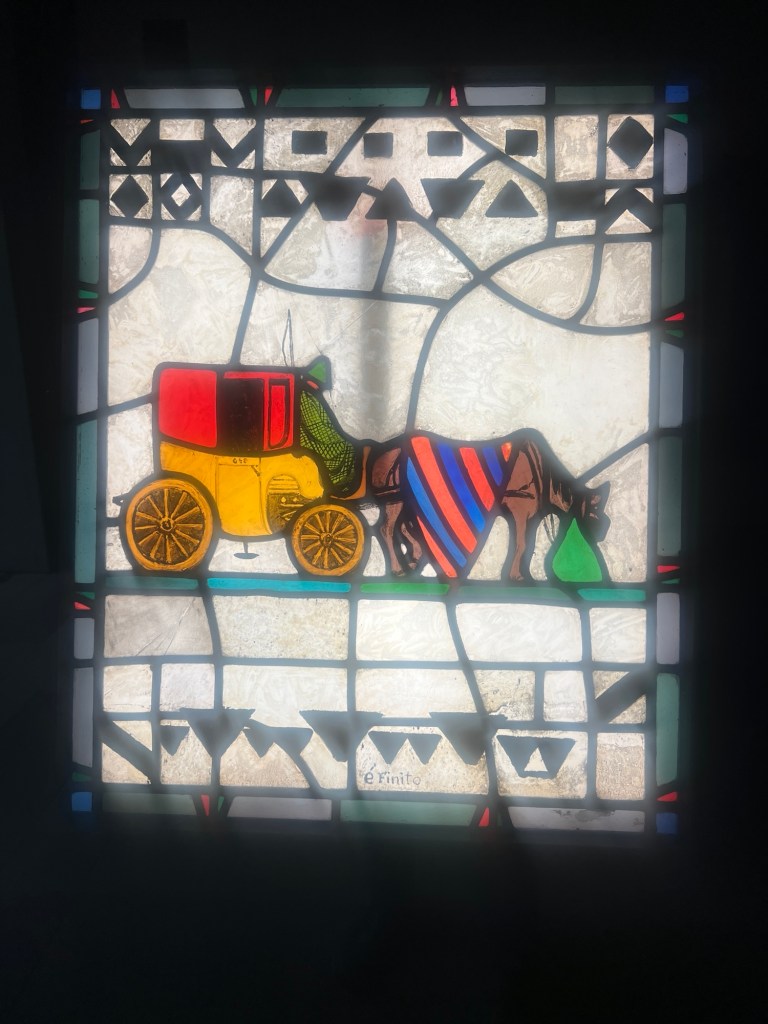
You couldn’t take pictures of most of the art, just 3 rooms with sculpture were OK to photograph.
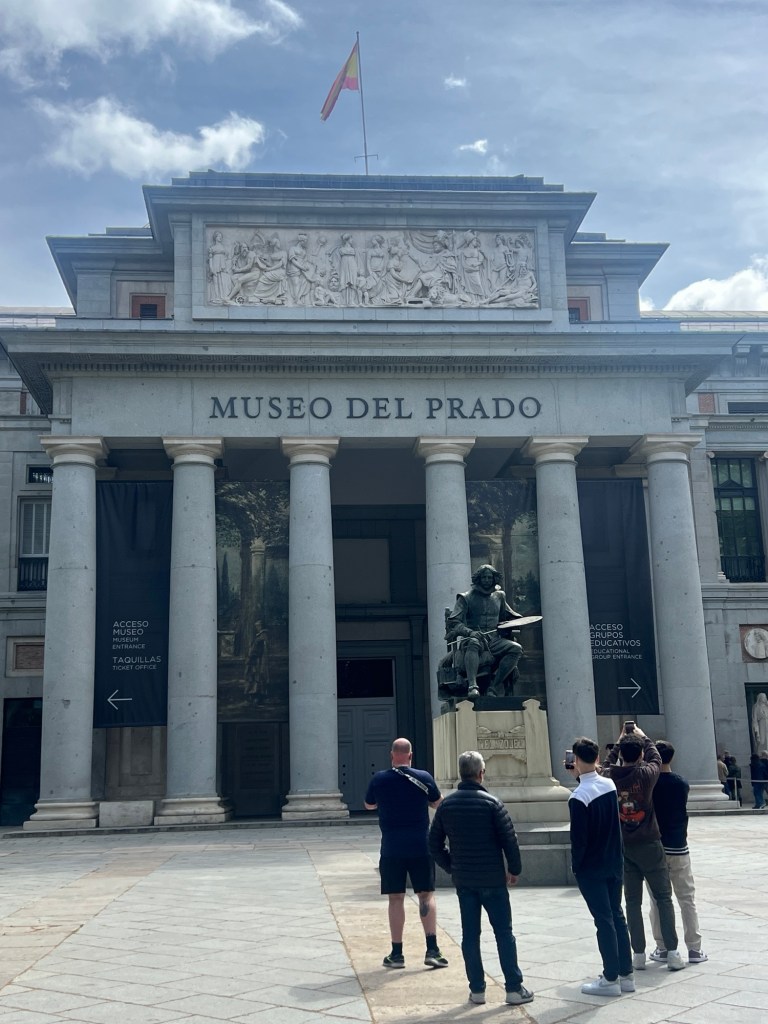
The wait to buy tickets and to enter the museum was long and I guess it was because it was a Sunday. It was well worth it.

After the museum visit I took the hop on hop off bus around Madrid and rested my tired feet while seeing more of the city.

Main railway station

And I got back to the hotel in time to greet many ICF friends who were just arriving. Inez and I caught up in the bar while watching the men’s final.

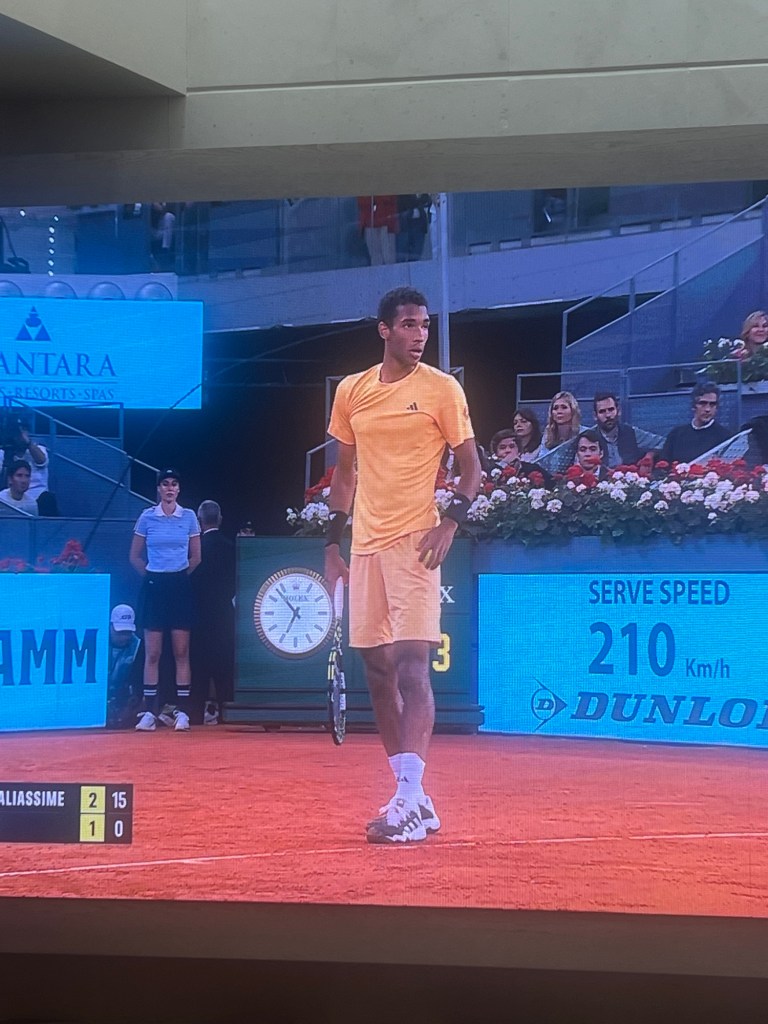
The eventual winner, Rublev, in 3 sets

On Monday, I had a Hyatt experience to visit the oldest candy shop in Madrid, La Pajarita. I walked to the shop and was greeted by Maria who gave me a tour and then took me to a private room where I got to sample 5 different kinds of chocolate and one of the violet hard candy that they are famous for. The company has been family owned since the beginning in 1852. They still use the same raw materials and manual techniques that they used in the beginning, Their candies are served at the most prestigious events in Spain. It was a great visit.
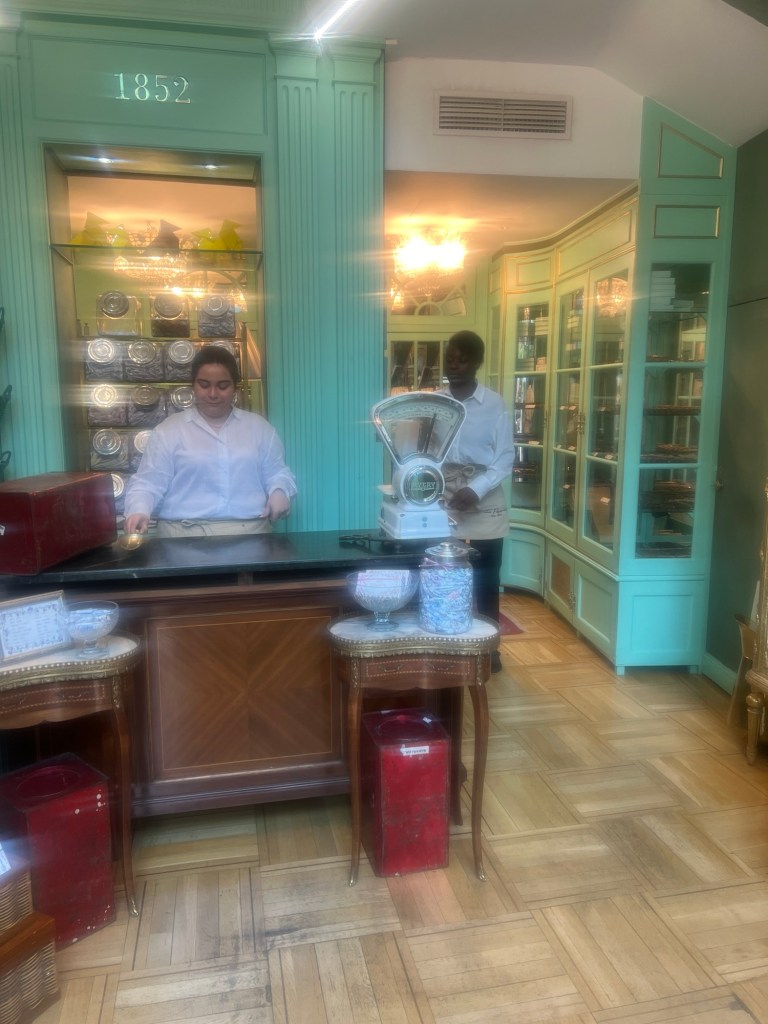
Original scale
Original typewriter
Original furnishings
The safe containing the recipes
And my delicious tasting. They offered champagne but I stuck with water. Too early for champagne but not for chocolate!

After the visit, I walked to the Botanical Gardens behind the Prado museum. I guess one advantage of being older is the senior rates – just 1 Euro to enter. The tour bus and museum entrance were more than half off too.

Resident duck

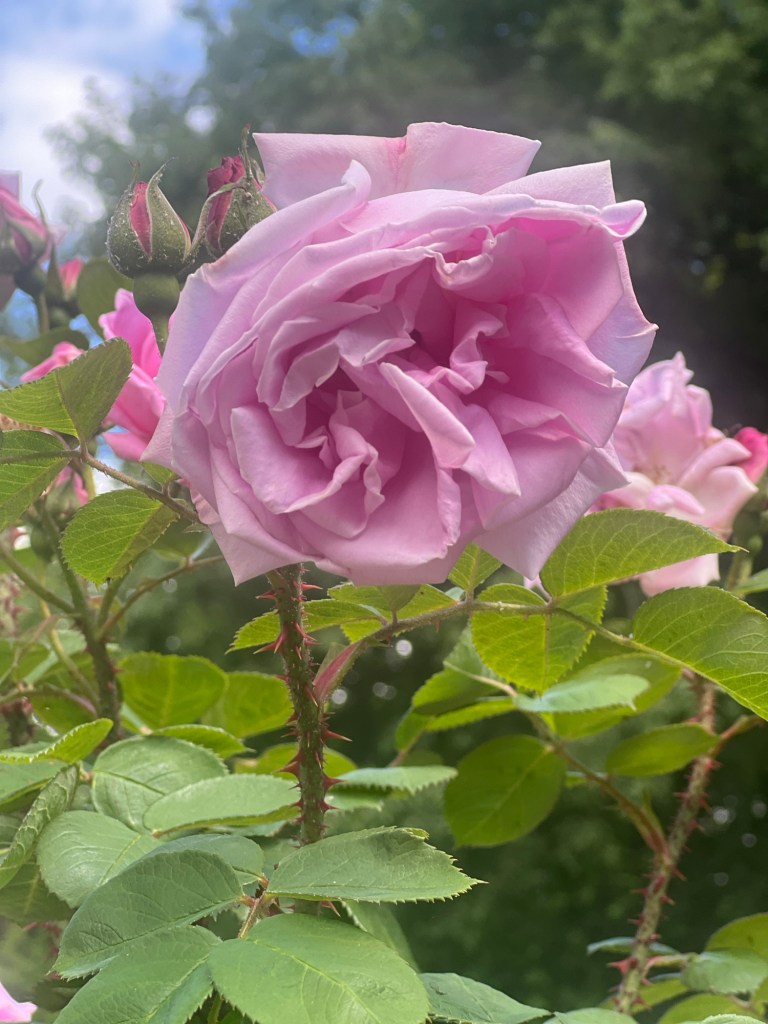
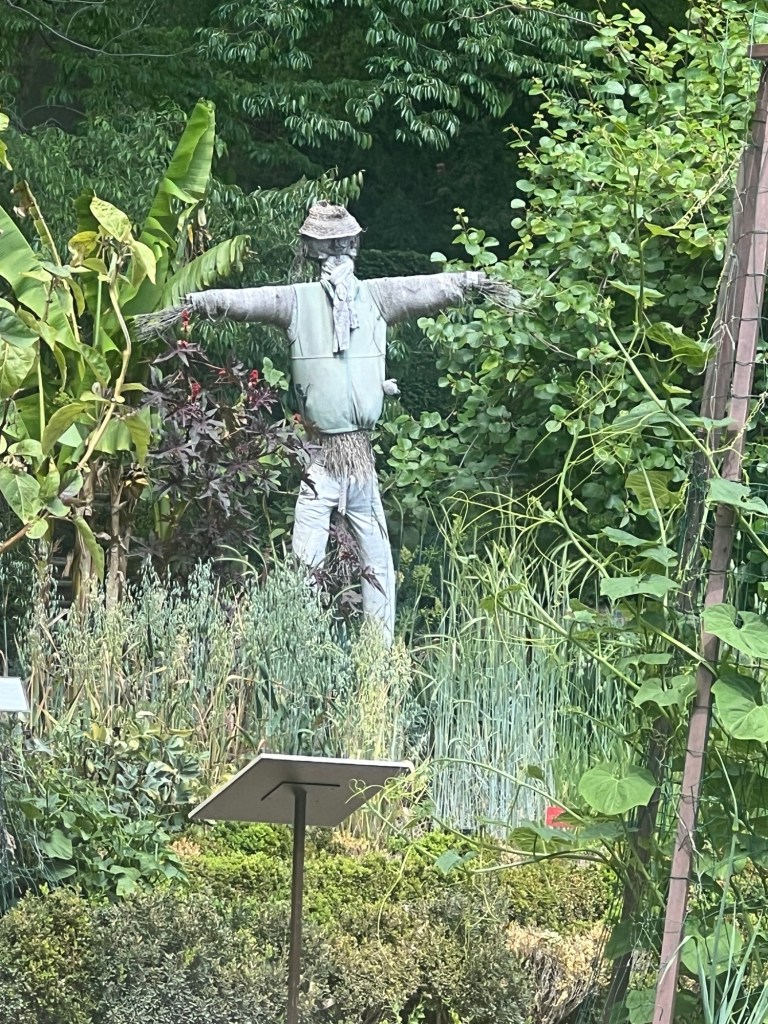
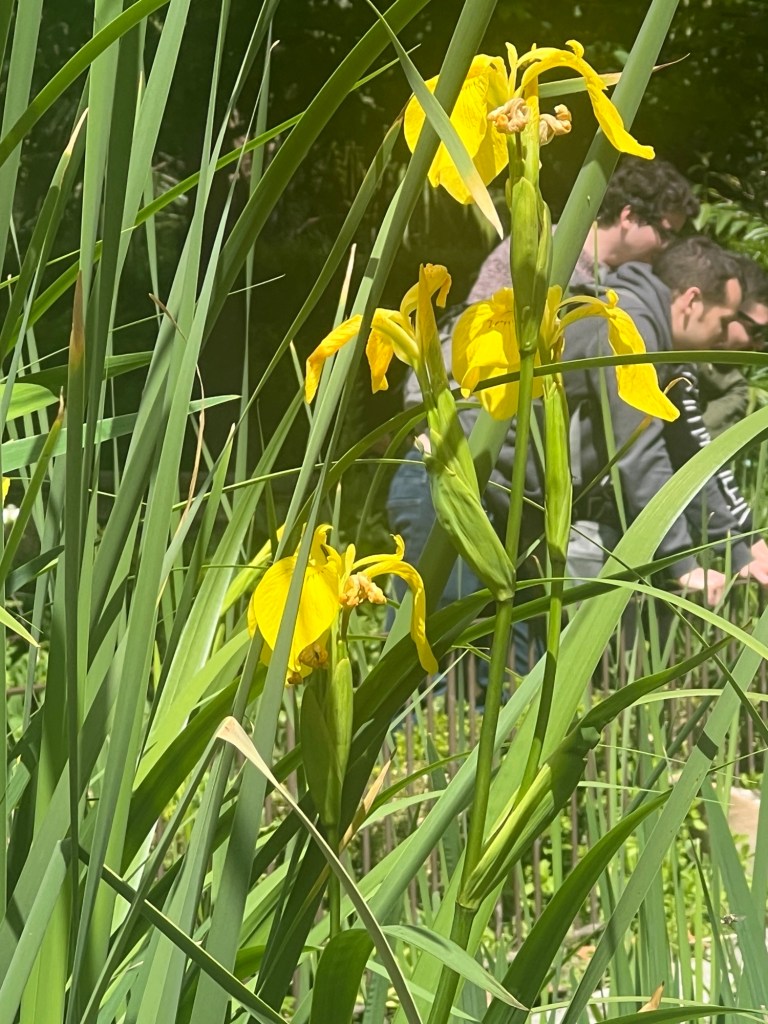
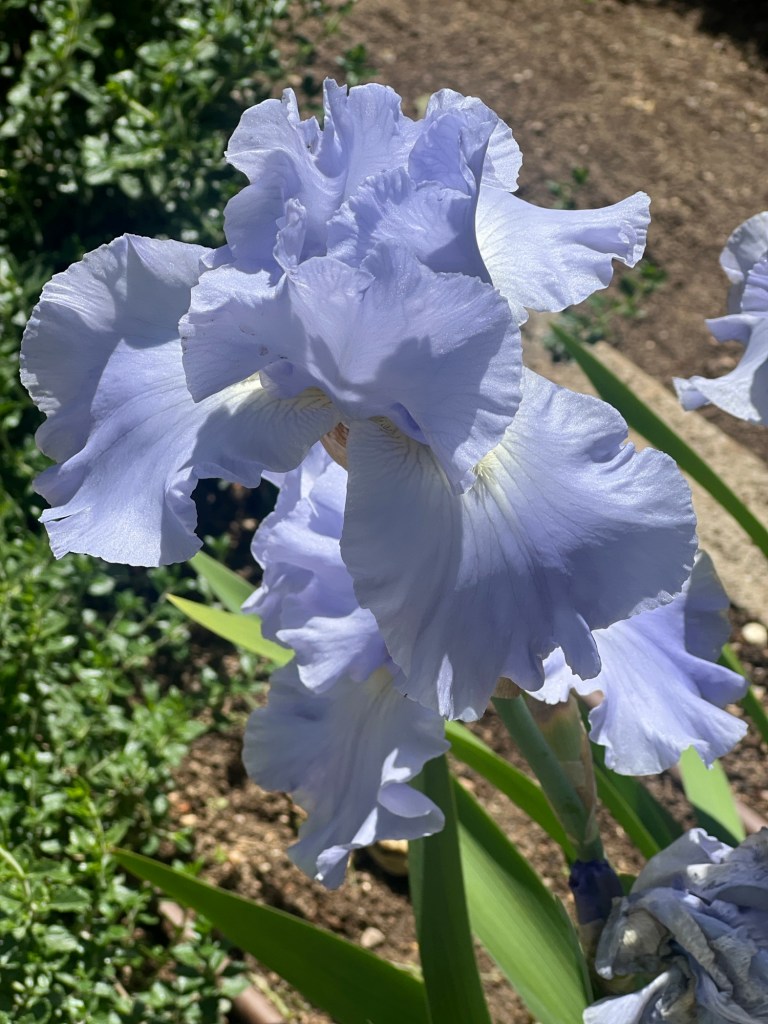
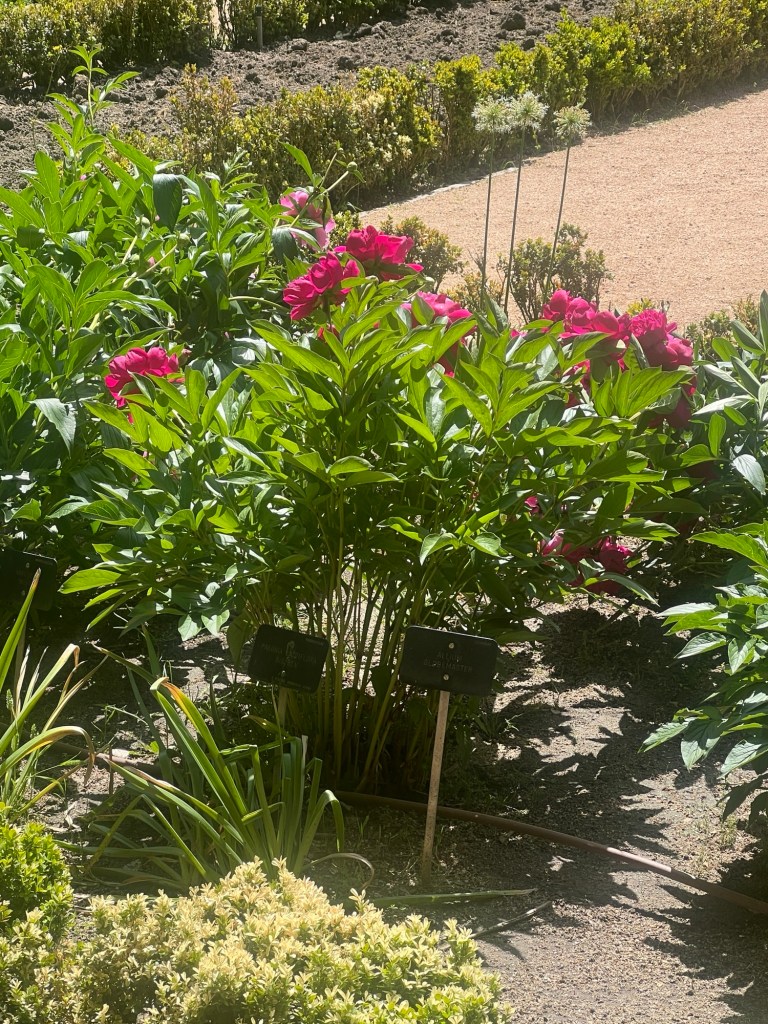
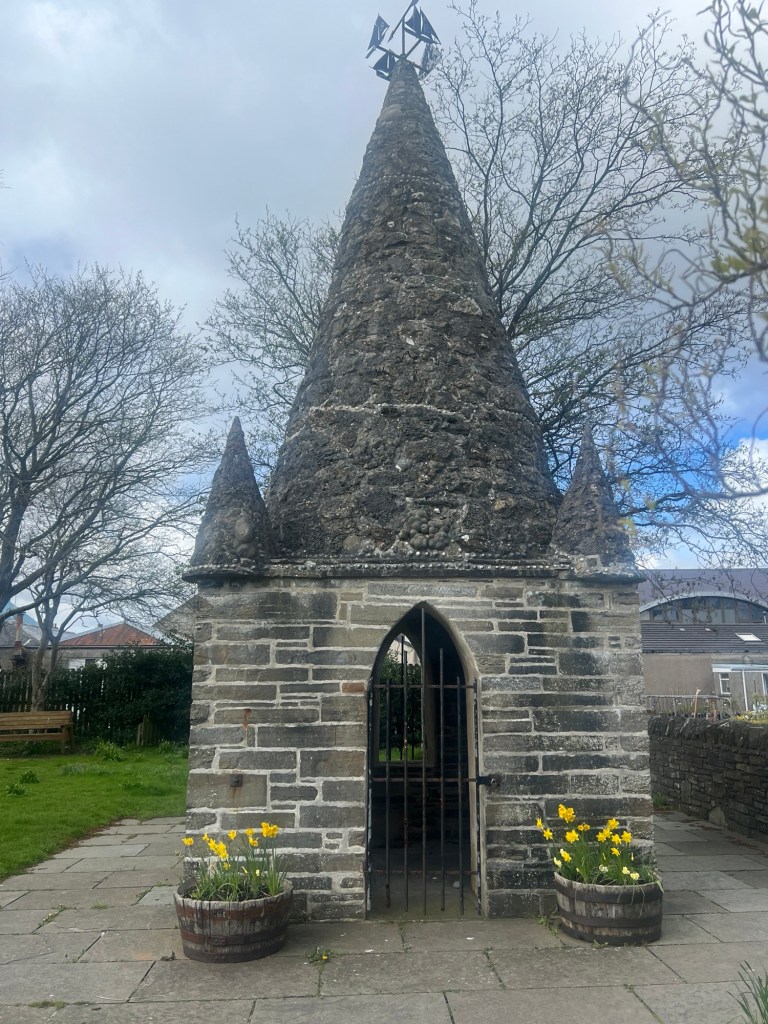
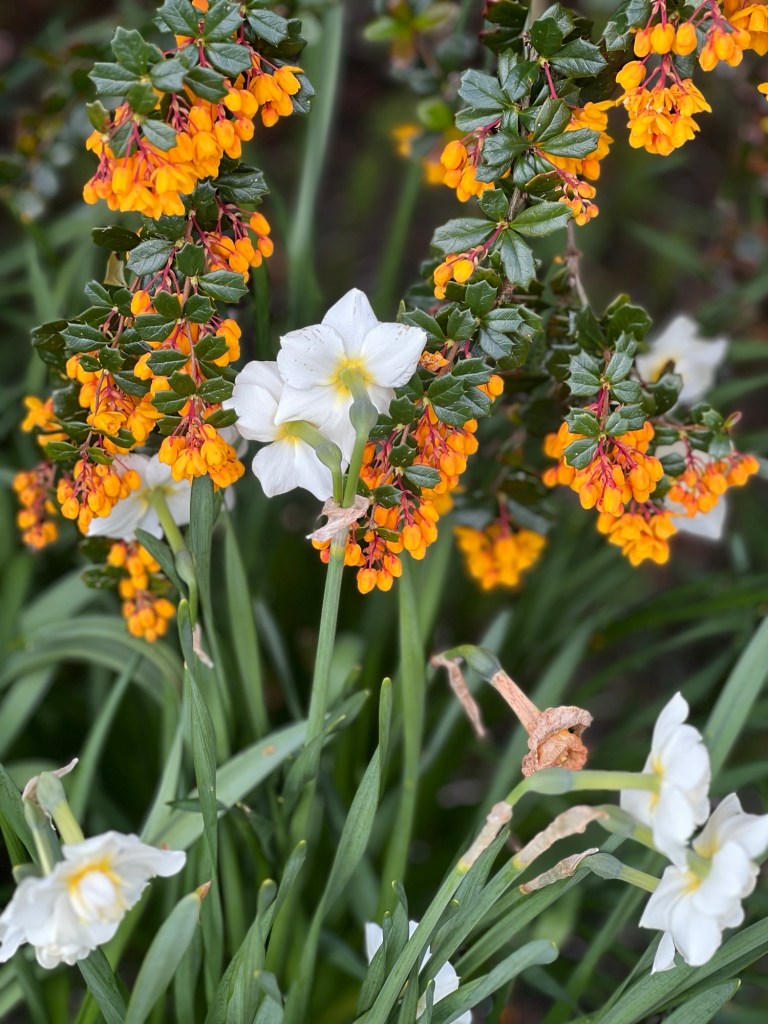
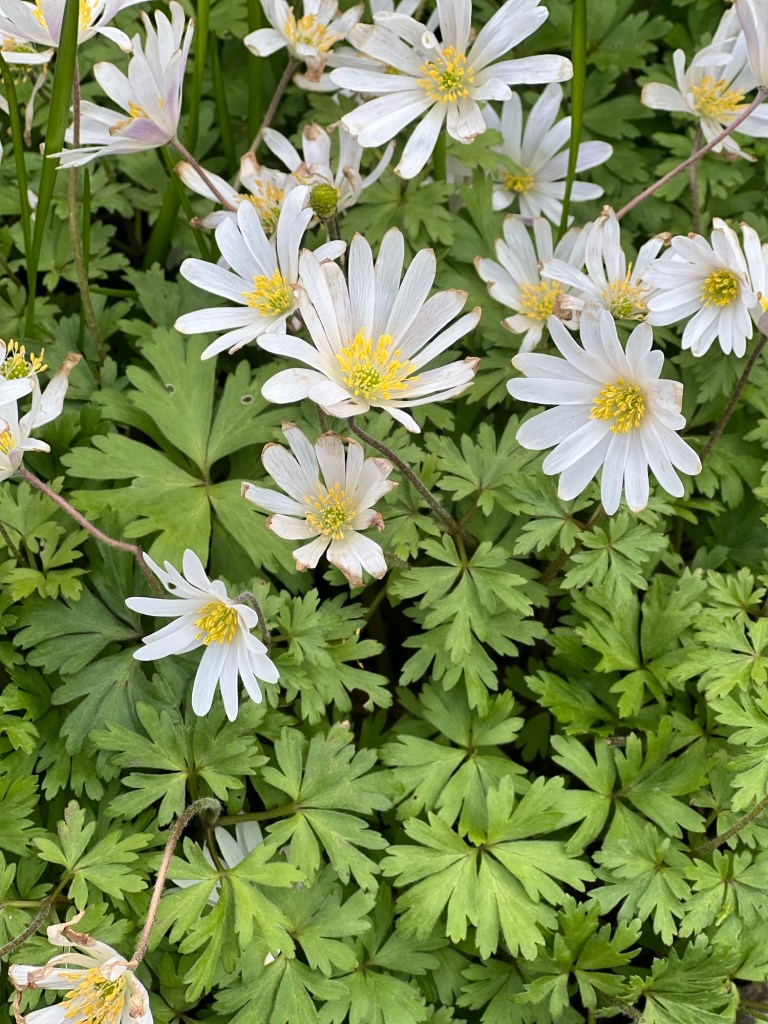
That is just a sample of the many flowers, statues and fountains in this garden.

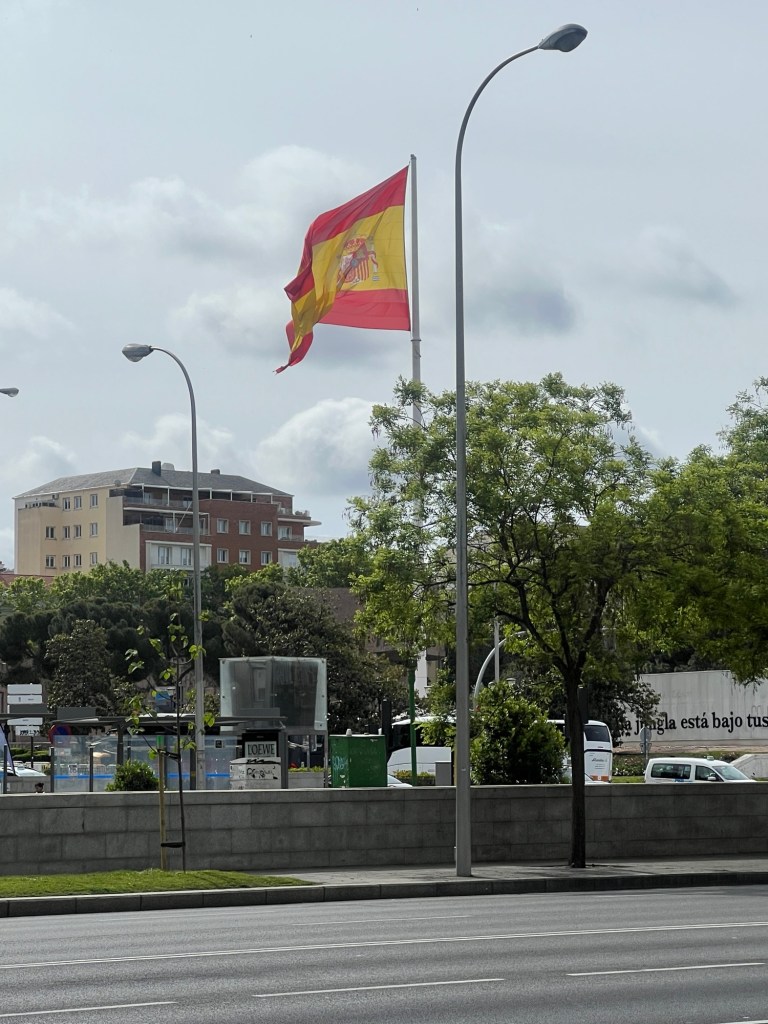
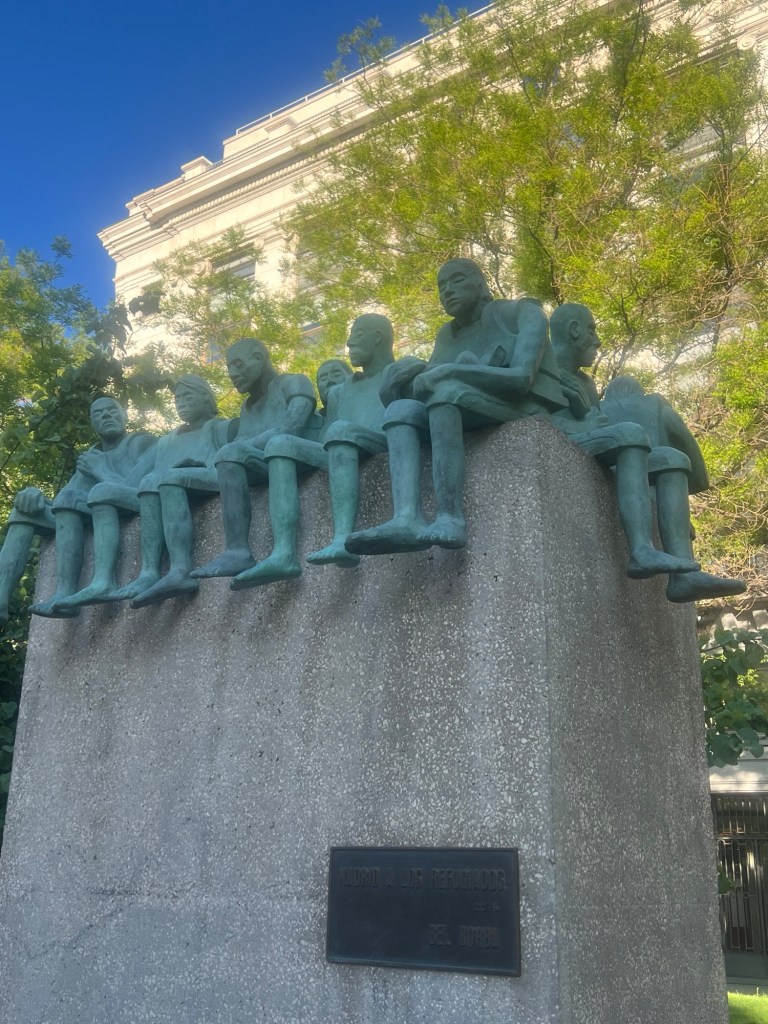
Here are a few more city sights on my walks before my days of meetings start. It was nice to have a few days to explore. We do have a built in experience during the meeting. On Wednesday afternoon, there were four choices of activity. I chose paella cooking. Can’t wait!
Posted in Europe, May, Spring 2024 | 5 Comments

Plymouth, UK

May 2, 2024

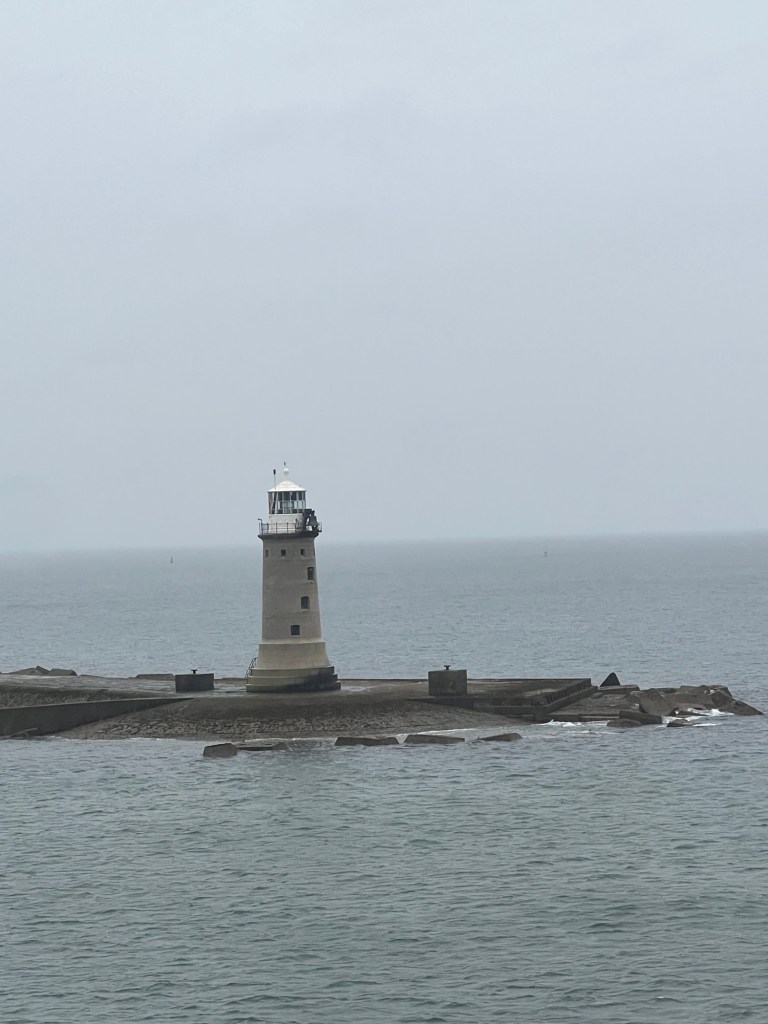
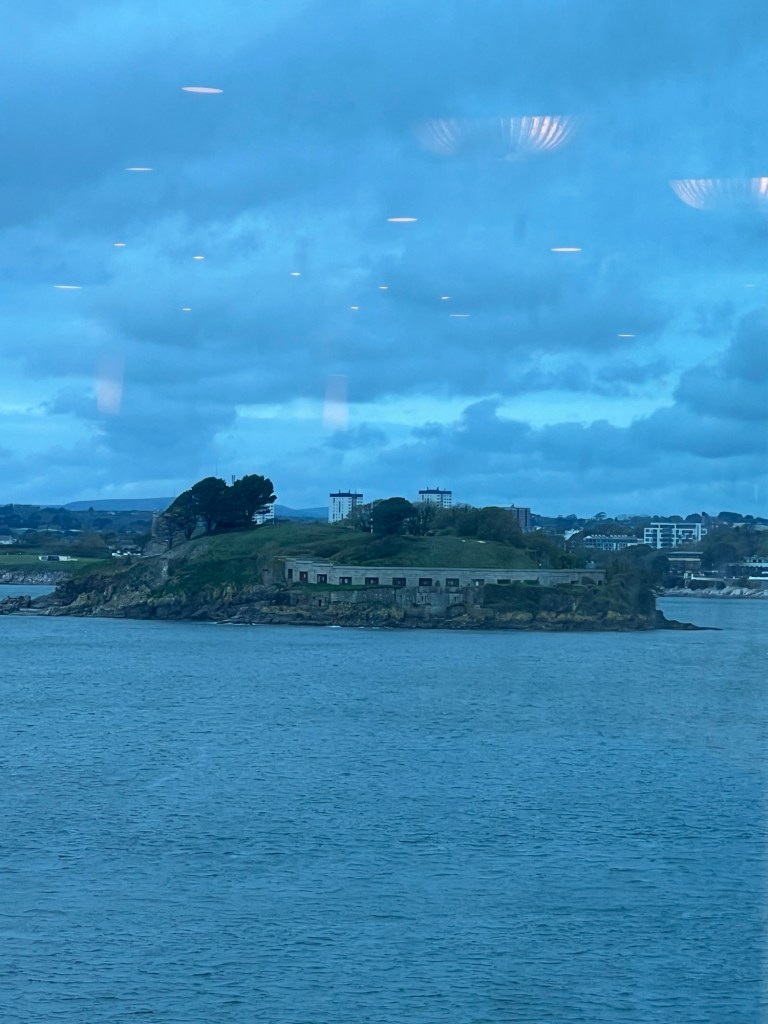
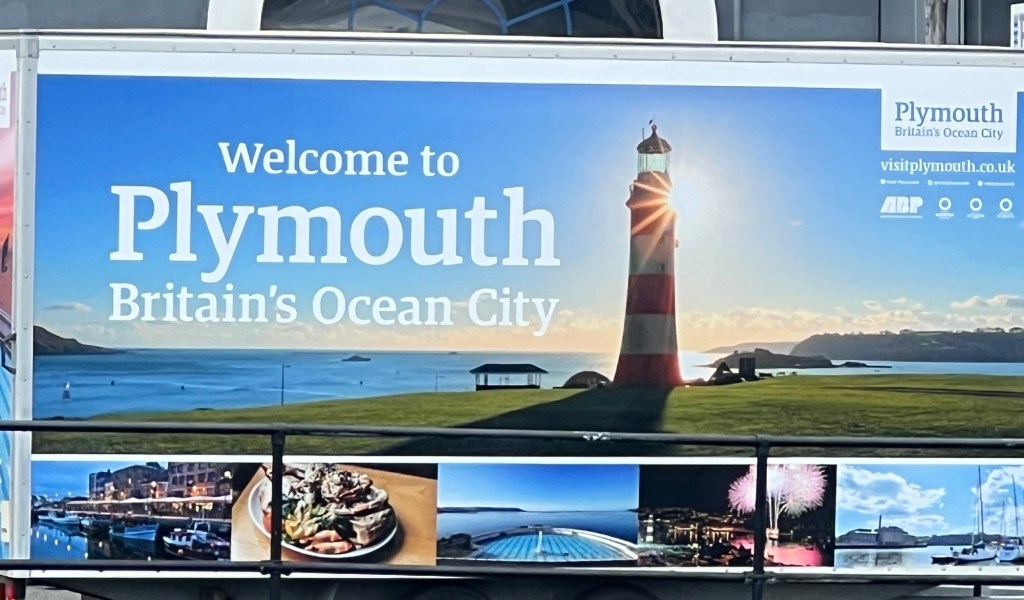
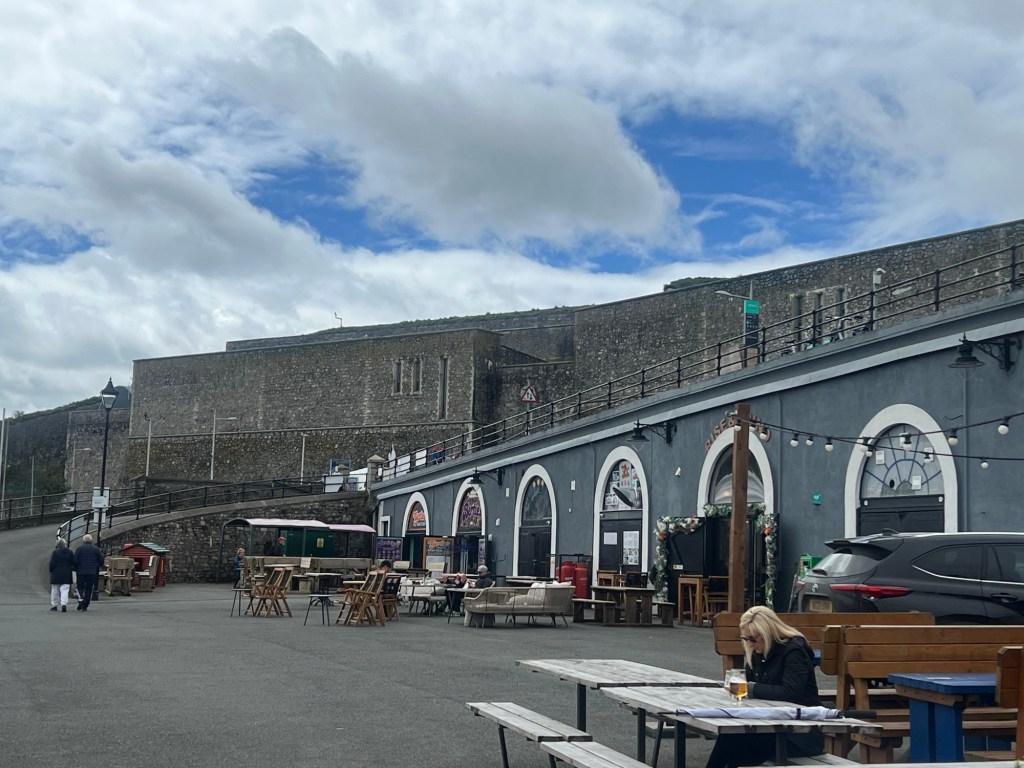
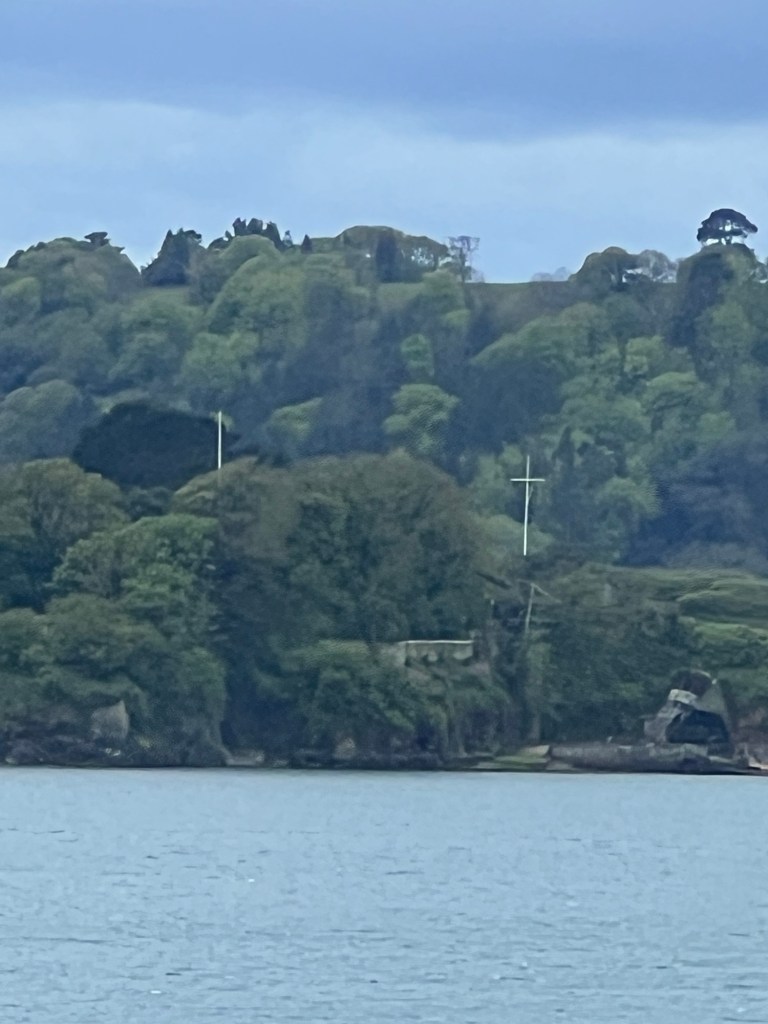
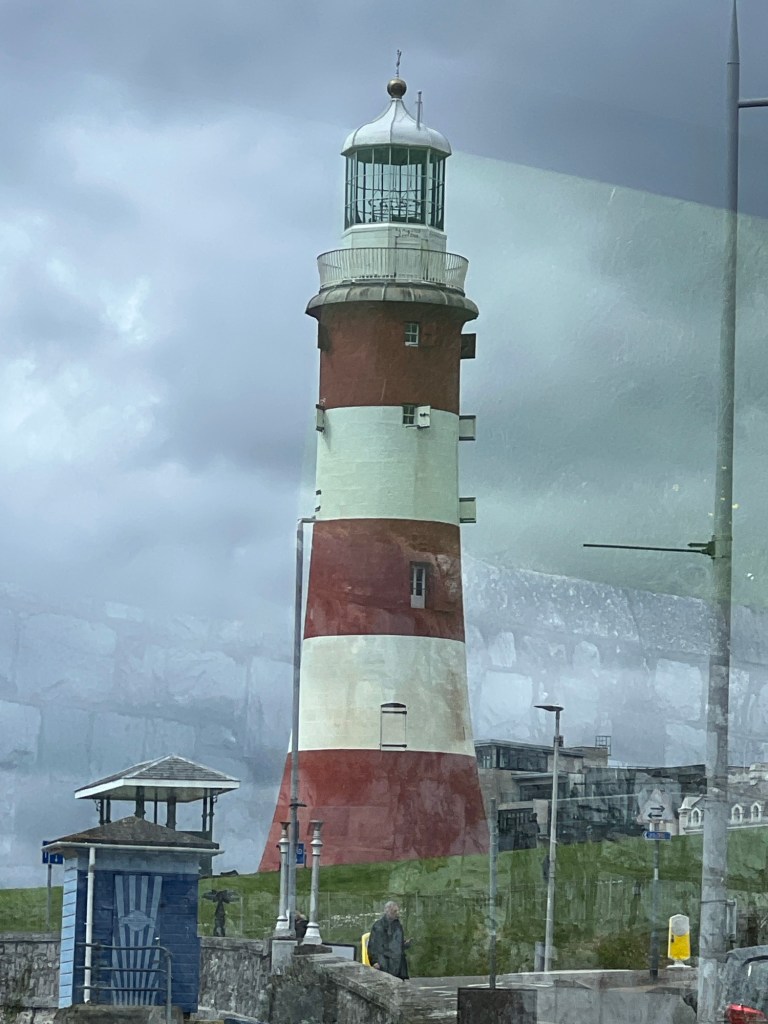
Sad to say this is our last port on our trip before we disembark in Southampton, UK. We haven’t been to Plymouth before and it is a tender port. Our trip is an afternoon one, so we spent the morning getting our bags mostly packed, had lunch and headed to the tender platform to make our way to shore.

Our sail in this morning was very rainy and so we decided not to go out before our excursion.

Taken from the Terrace Cafe at breakfast – you can see the raindrops on the window

Our tour today was A Taste of Devon: Devonshire Cream Tea.

Our guide was Demaris and our bus driver was Mark. Again, driving on the narrow winding roads is really an art!

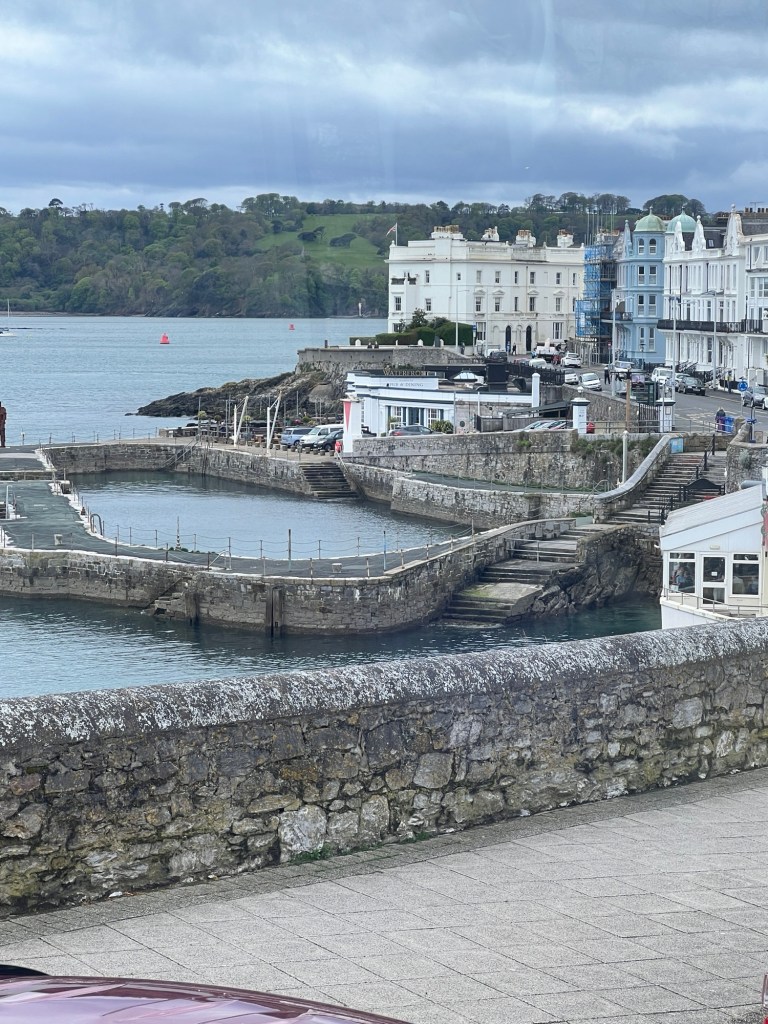
Demaris told us a lot about Plymouth and the surrounding area. You could tell she was passionate about her homeland.

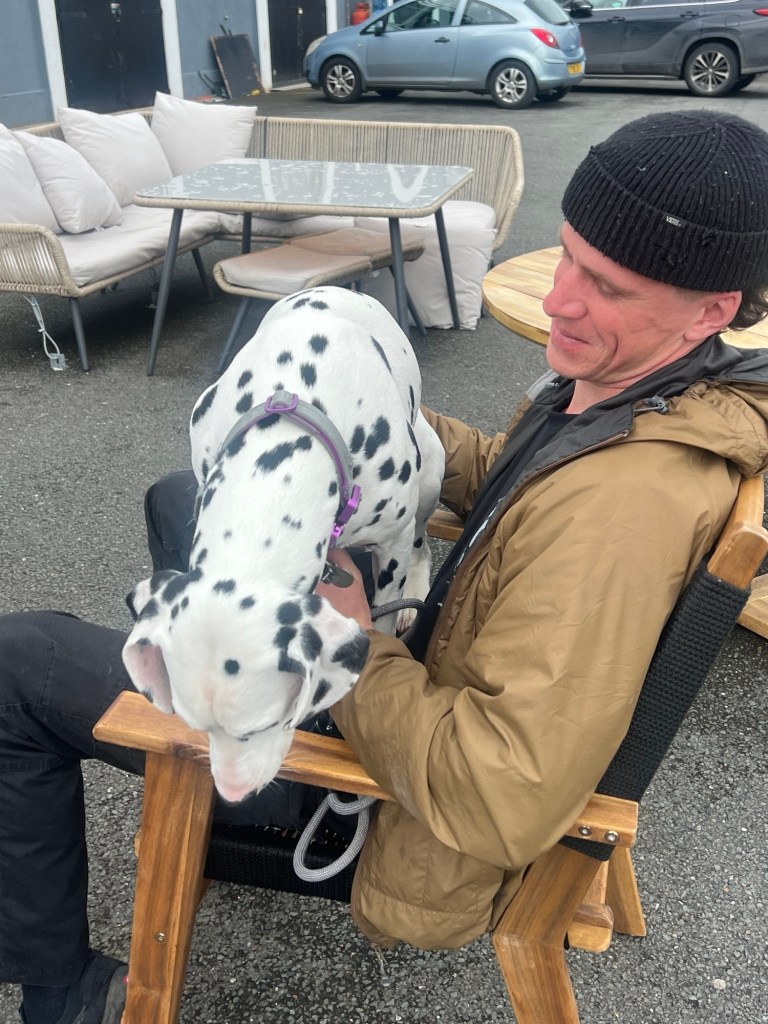
Couldn’t resist the picture that reminded me of Cindy, my childhood pet
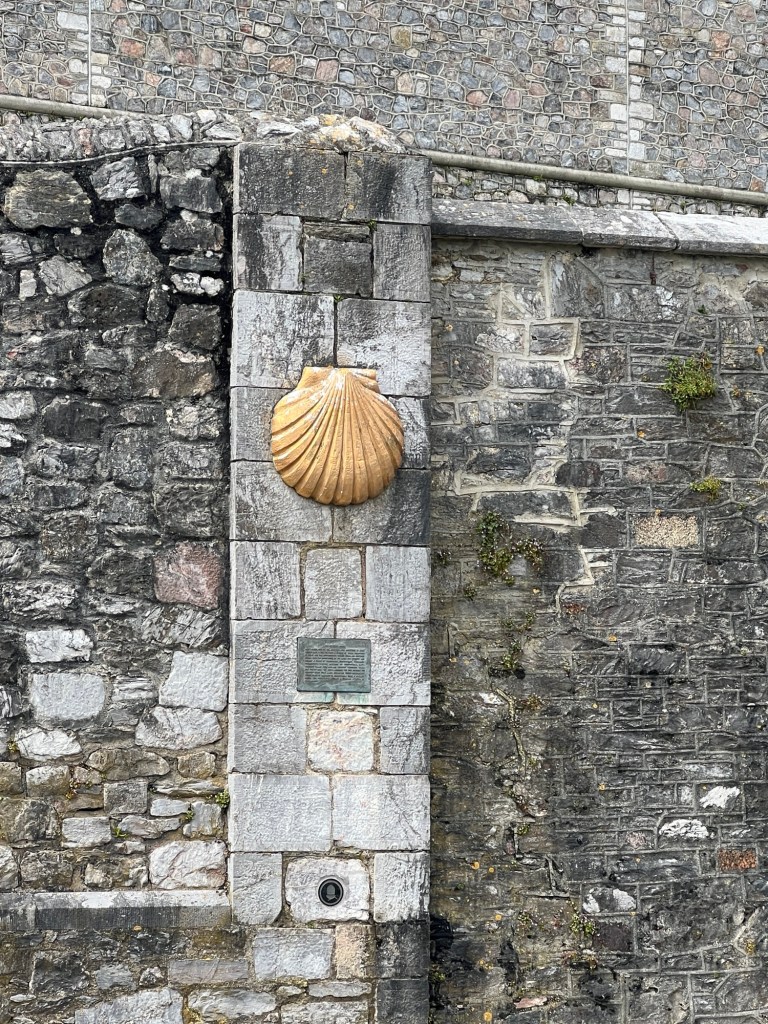
The shell image from the Way of St. James was a surprise. It turns out that lots of people from the area leave from Plymouth to make the journey

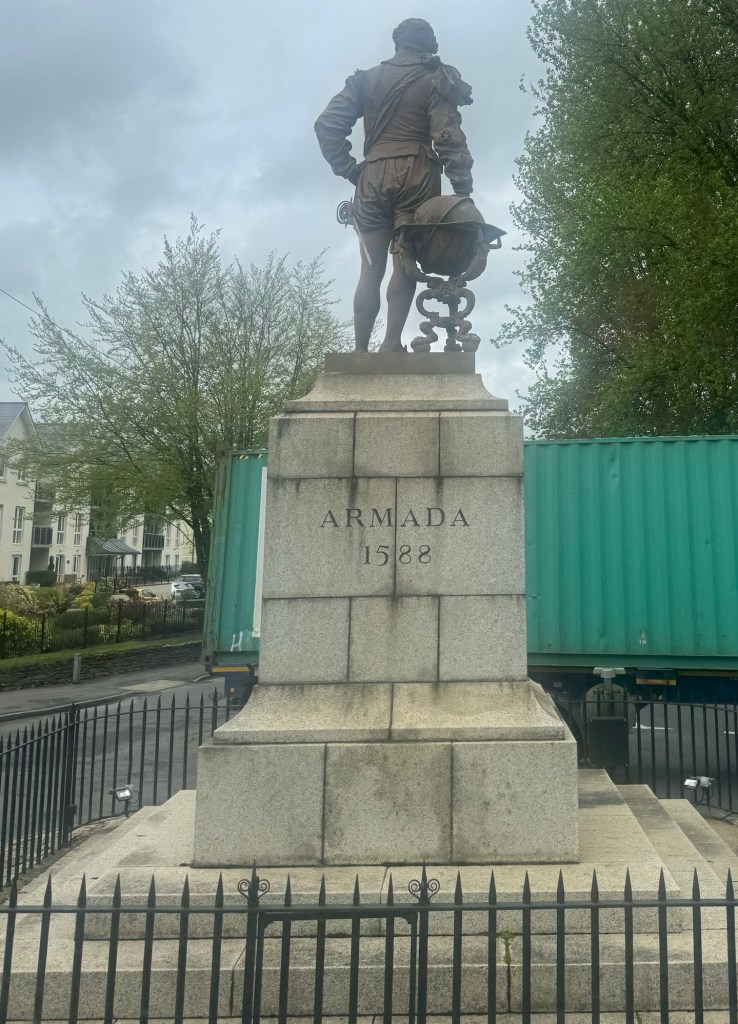
Plymouth was granted city status in 1928. In 1588 the English Navy, which was led in part by Sir Francis Drake, set sail from Plymouth to defeat the Spanish Armada.

Plymouth has a long and historic seafaring tradition. It was in 1620 that the Pilgrim Fathers finally left Plymouth after repairs on their escape from religious persecution to the New World, eventually setting up Plymouth Colony, Massachusetts.

Plymouth is the home of Princess Yachts. Boating is big here and the marinas seem very full of both yachts and sailboats.

Plymouth was heavily bombed during the war, most took place in 1941 and Demaris pointed out the few buildings that survived. Now the town is built back up and tourism is a major part of the economy. Nearly 12 million people visit Plymouth every year. The population is 265,000.

Demaris just spent several weeks in California and she was amazed that we Americans complain about the price of gas. Here it is an average of $1.60 per liter which is about $6.40 a gallon, almost double what she saw in California.

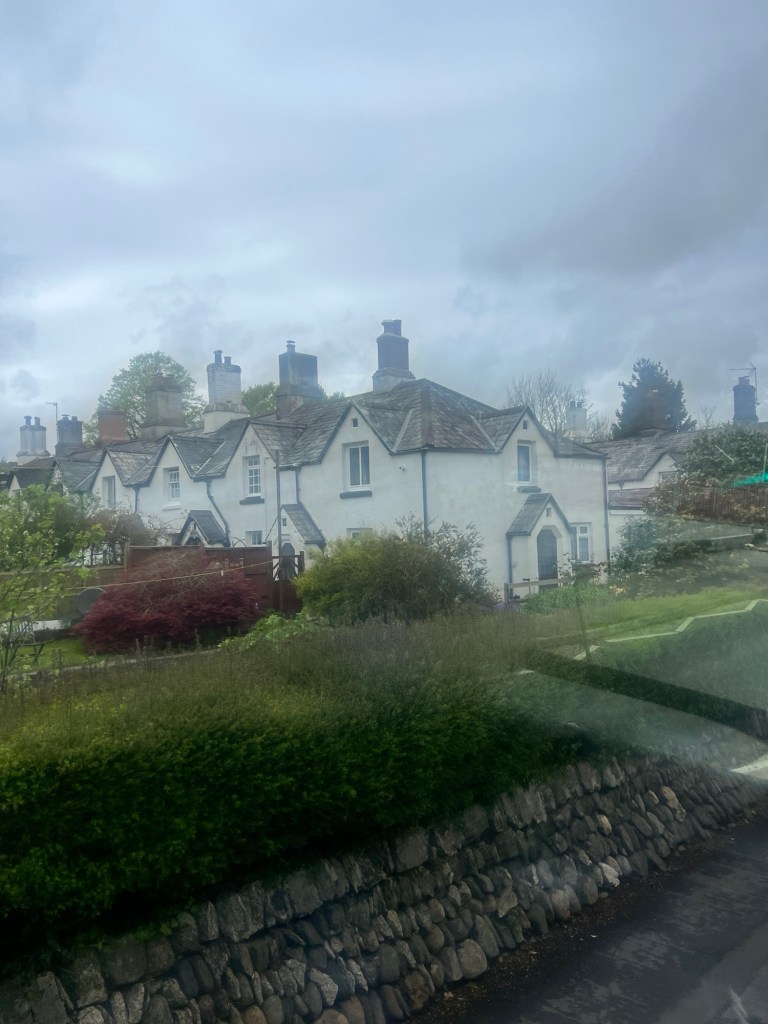
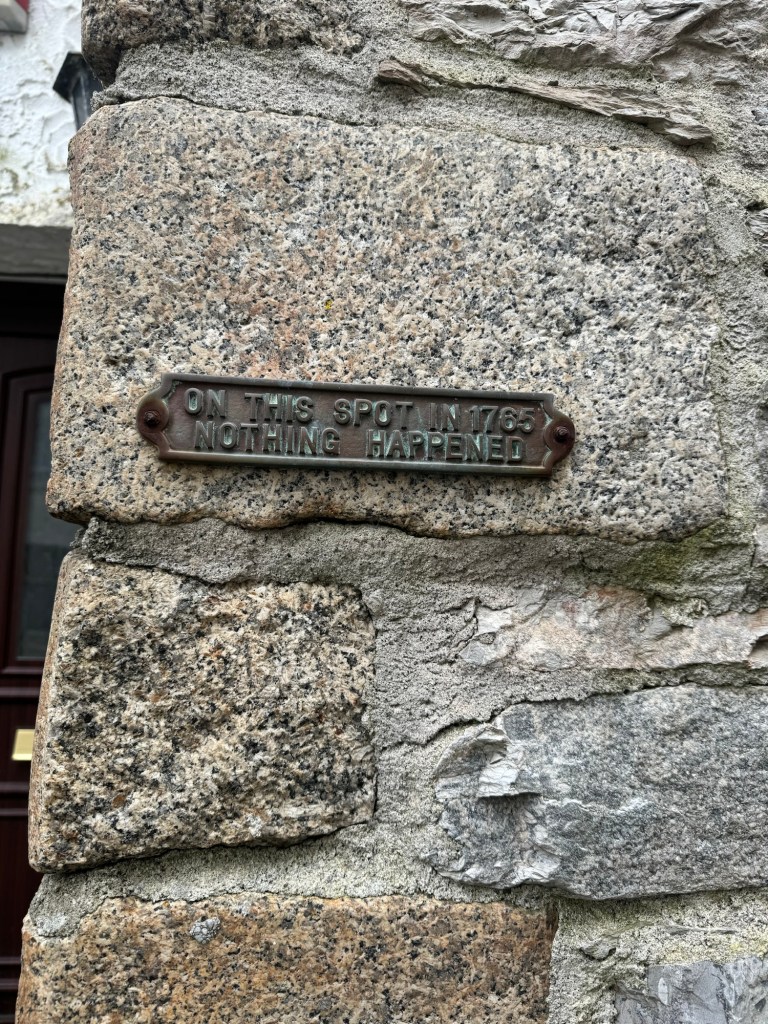
These are cottages built by the Duke of Bedford for workers mining granite

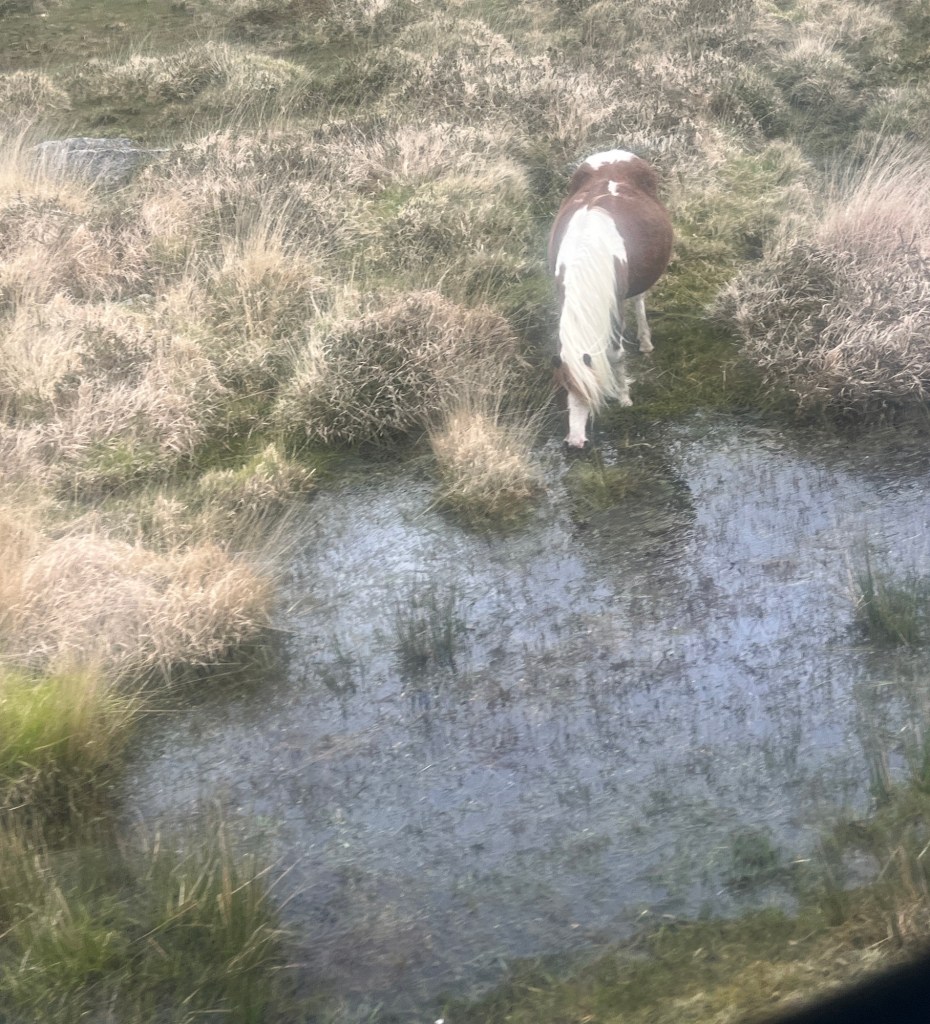
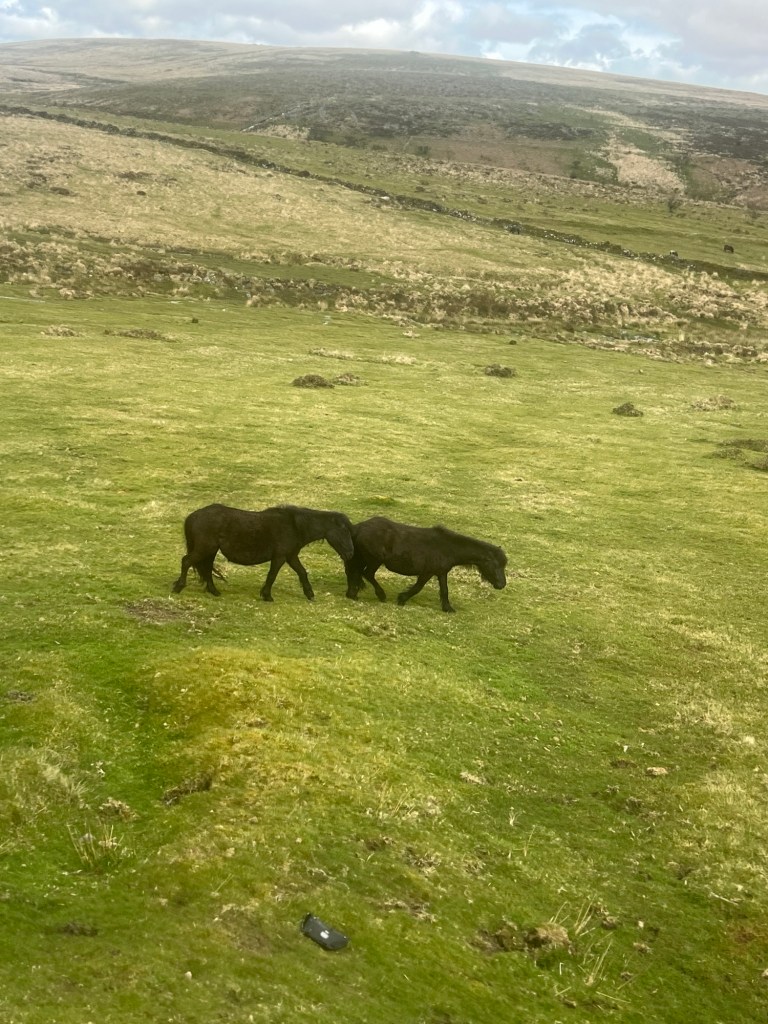
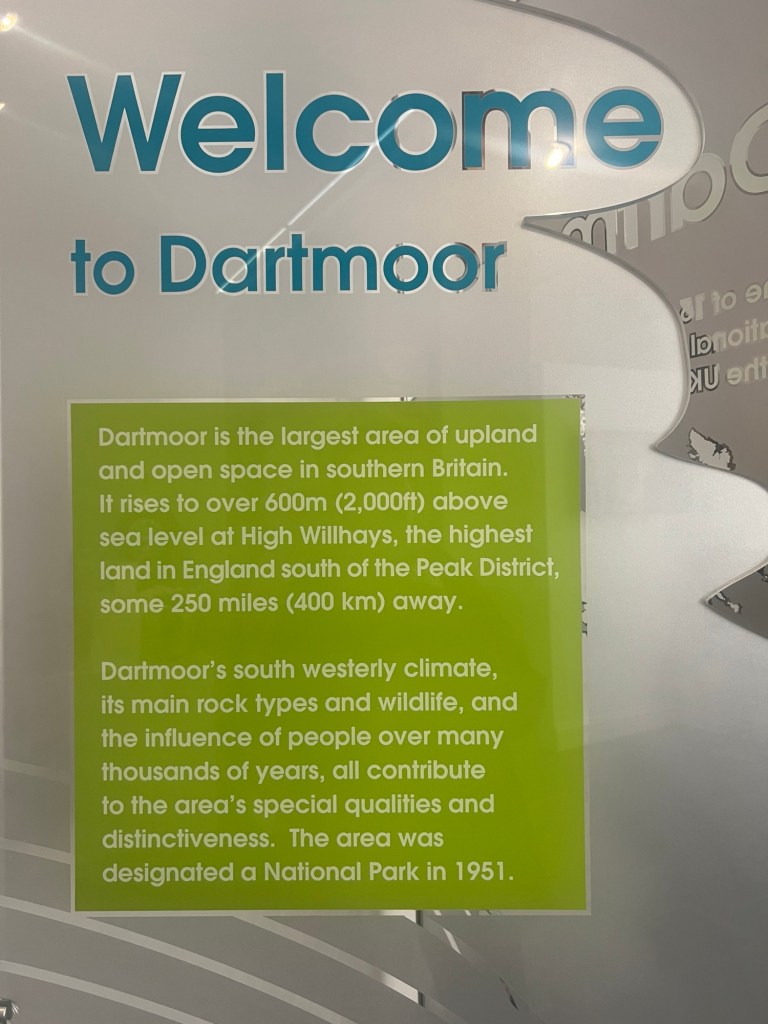
Before the tea, we headed out to Dartmoor which is a batholith (big lump) of granite. It is a stunning national park located in Devon, England. It’s known for its rugged landscape, granite tors, rolling hills, and vast open moorland. The area is rich in history, with prehistoric remains, medieval villages, and evidence of copper and tin mining. Dartmoor is also famous for its ponies, which roam freely across the moors. It’s a popular destination for outdoor activities like hiking, rock climbing, and horseback riding, offering breathtaking views and a sense of wilderness.

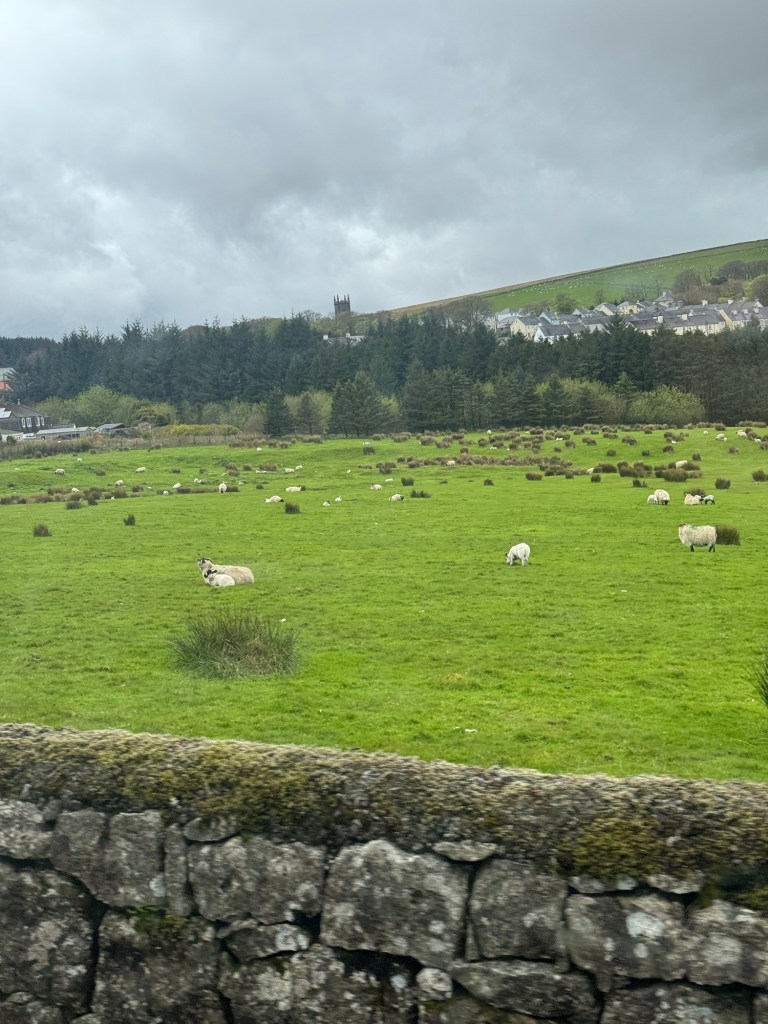
There is a golf course on both sides of the road and the ponies, cows and sheep freely roam on the course. Golfers must cross the road to complete the course.

The area if full of bogs because the granite doesn’t allow for much drainage.

We drove through the moors and the village of Tavistock where Sir Francis Drake was born. There is a statue in his honor.

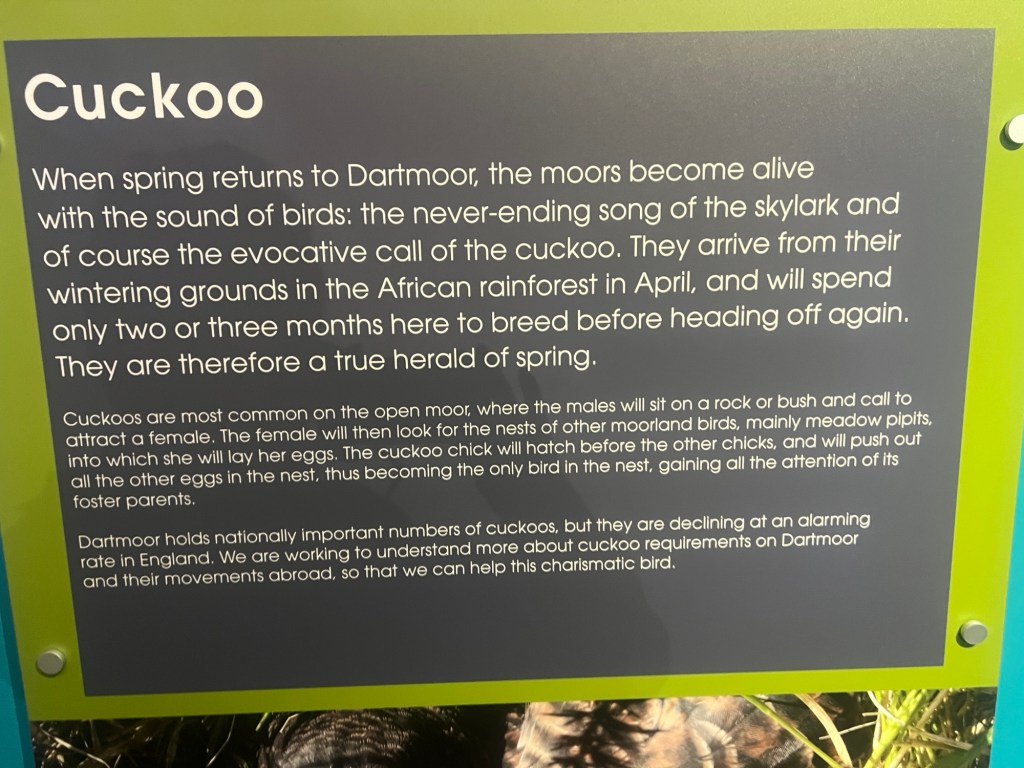
We went to the visitors center in Princetown where there was a small exhibit about Dartmoor and the National Park. Here I learned just how deep a bog is! And I learned that cuckoos are mean.

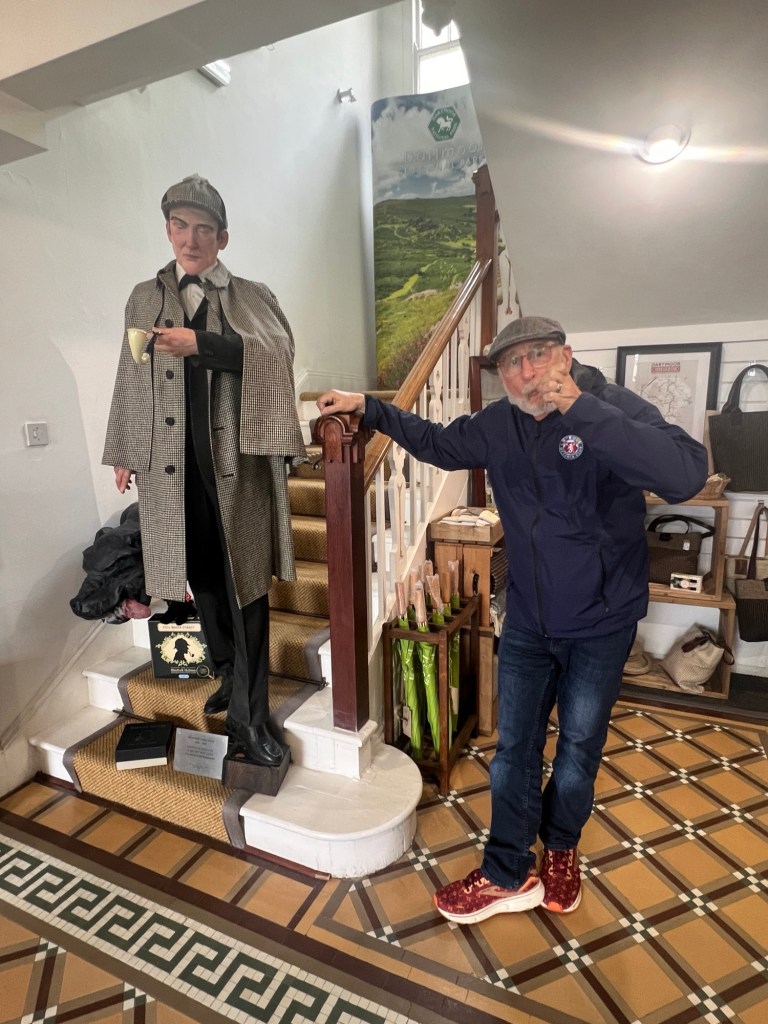
Sir Arthur Ignatius Conan Doyle was a British writer and physician in Plymouth. He created the character Sherlock Holmes in 1887 for A Study in Scarlet. He is most known in the US for The Hound of the Baskervillles. He wrote four novels and fifty-six short stories about Holmes and Dr. Watson. The Sherlock Holmes stories are milestones in the field of crime fiction. He is often referred to as Conan Doyle.

Other than the beard, is there a resemblance??

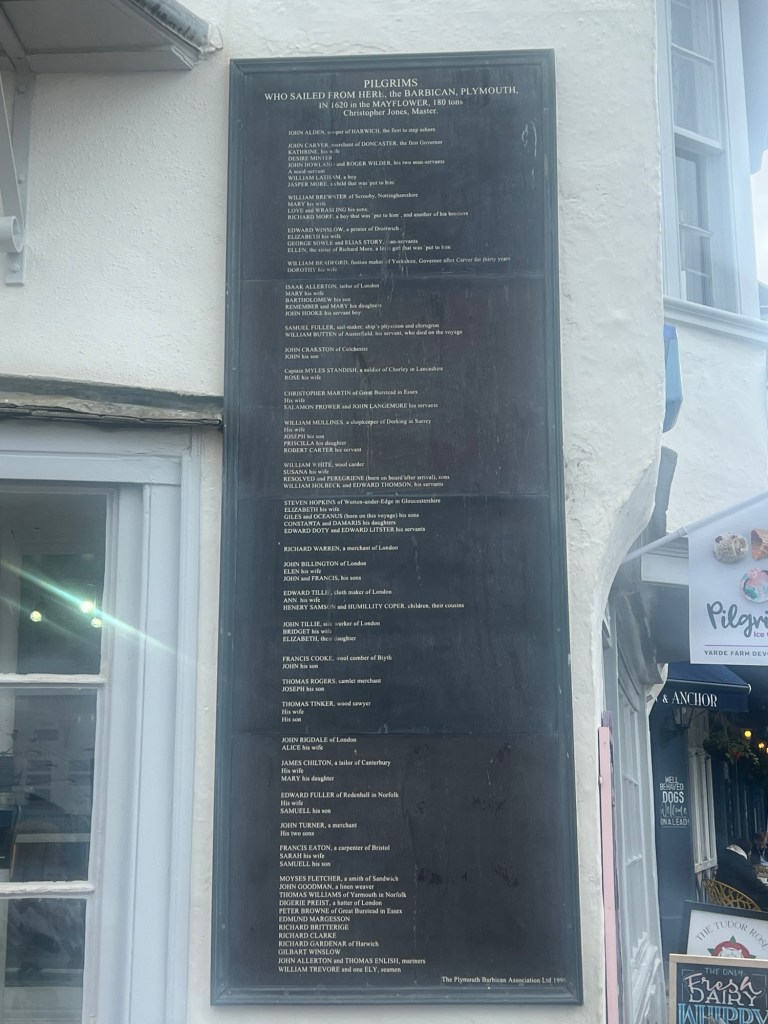
We went back to Plymouth for the Devonshire Cream Tea. We passed a plaque listing all of the Pilgrims on the Mayflower.

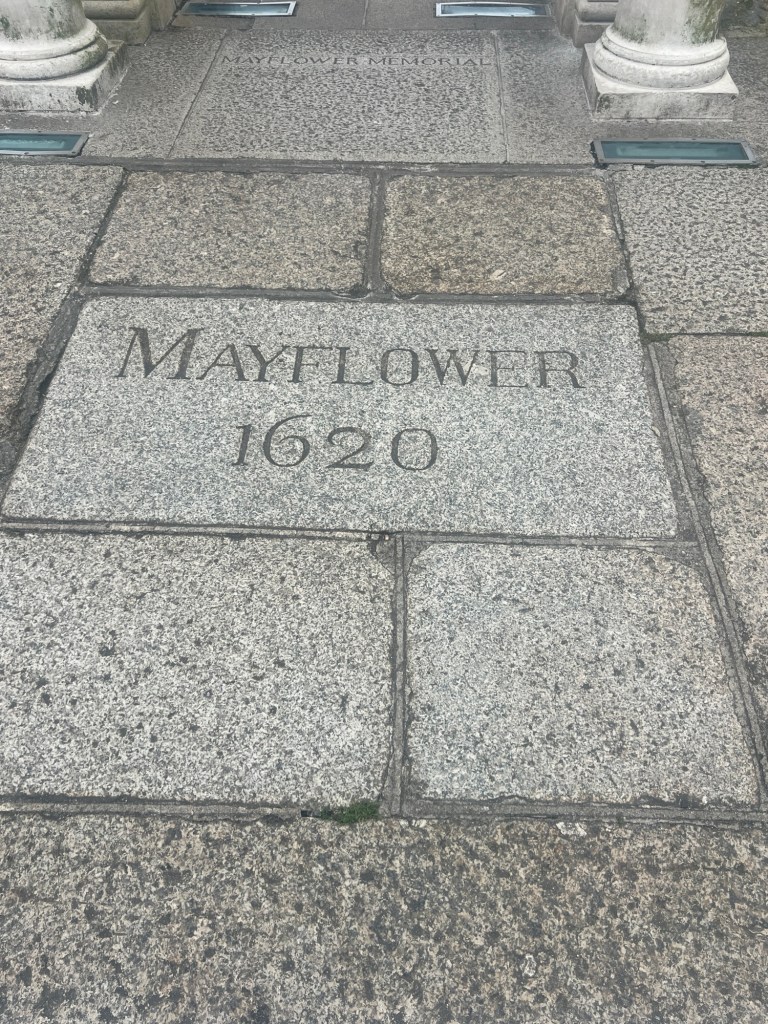
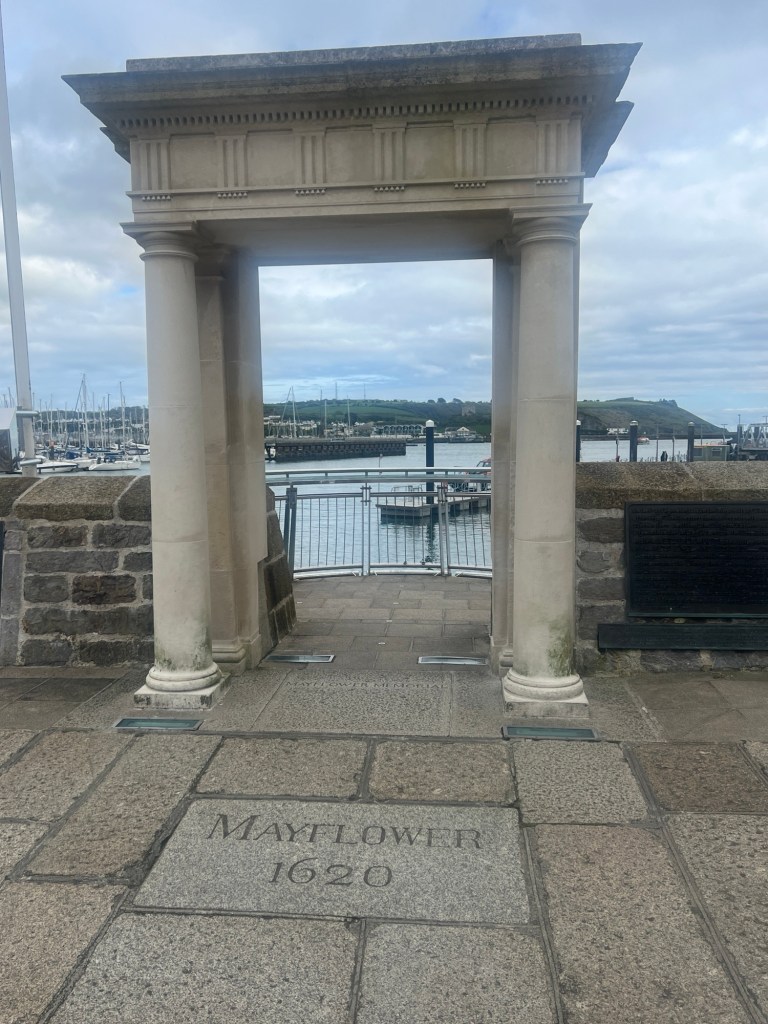
The Mayflower steps

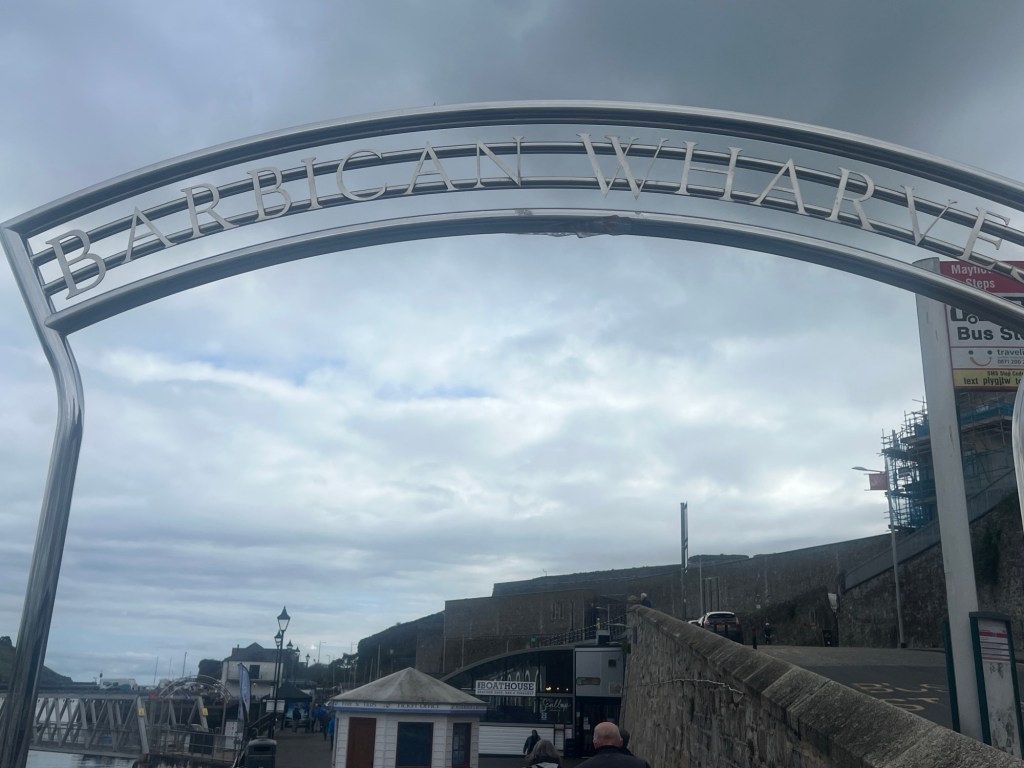
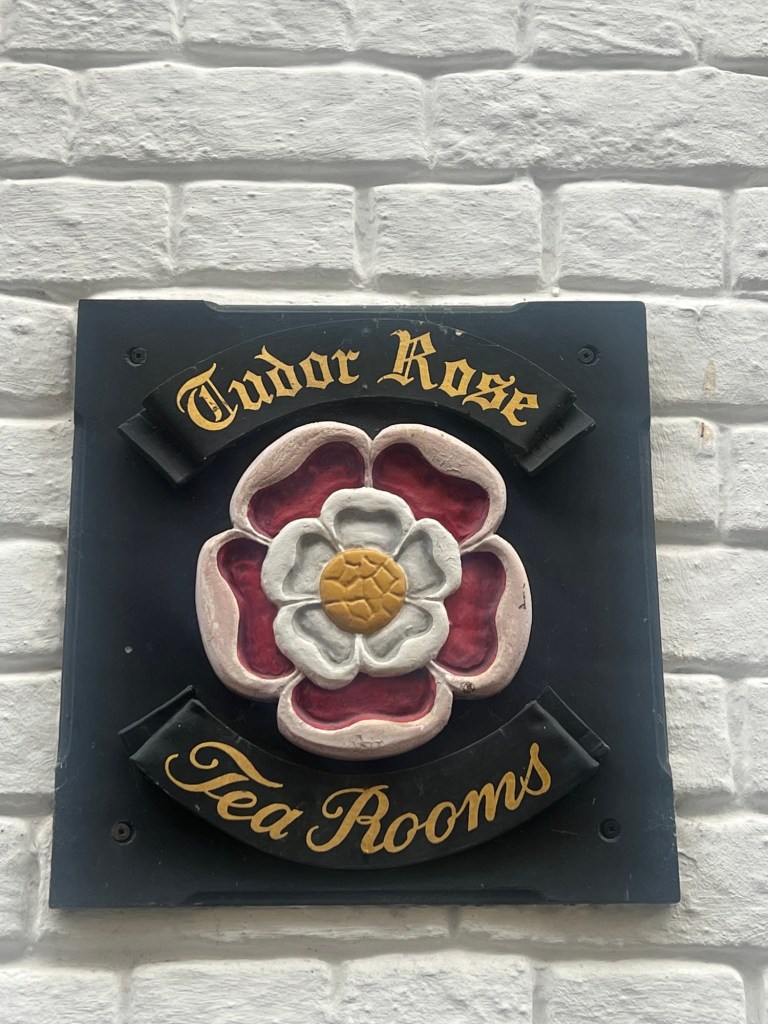
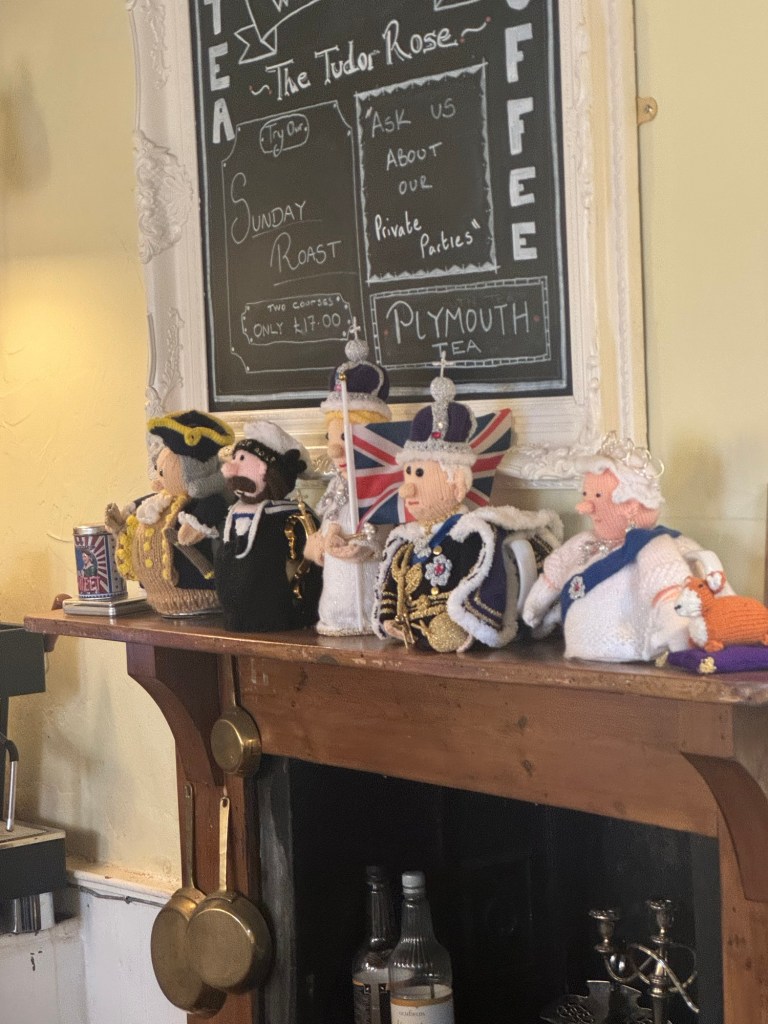
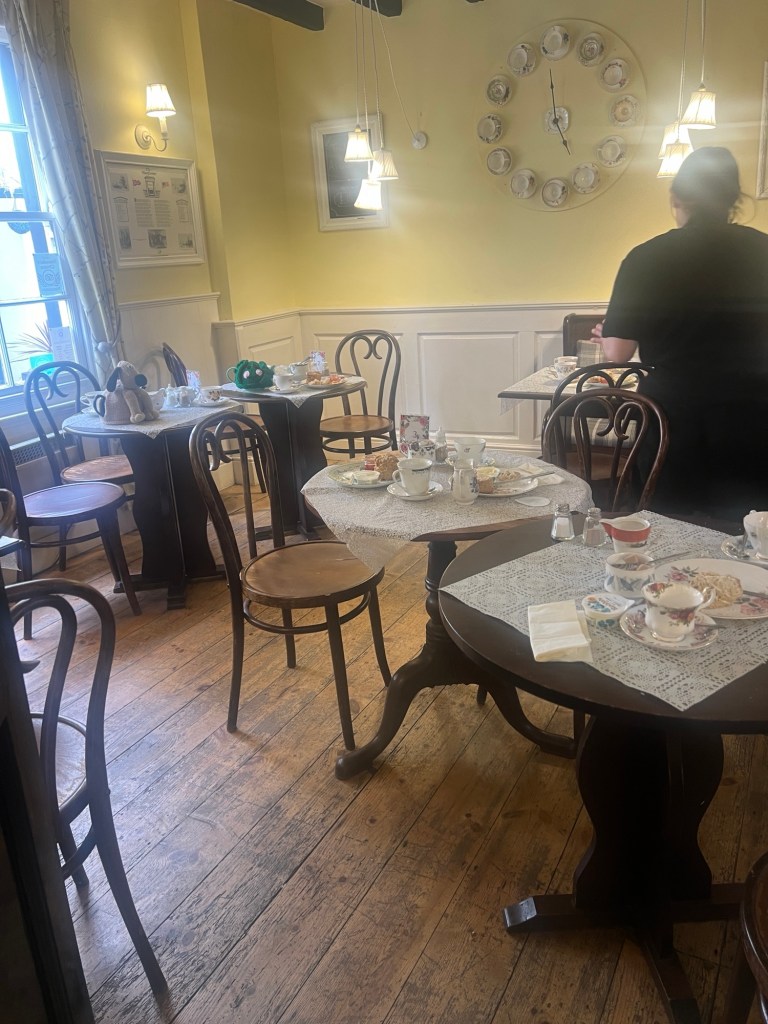
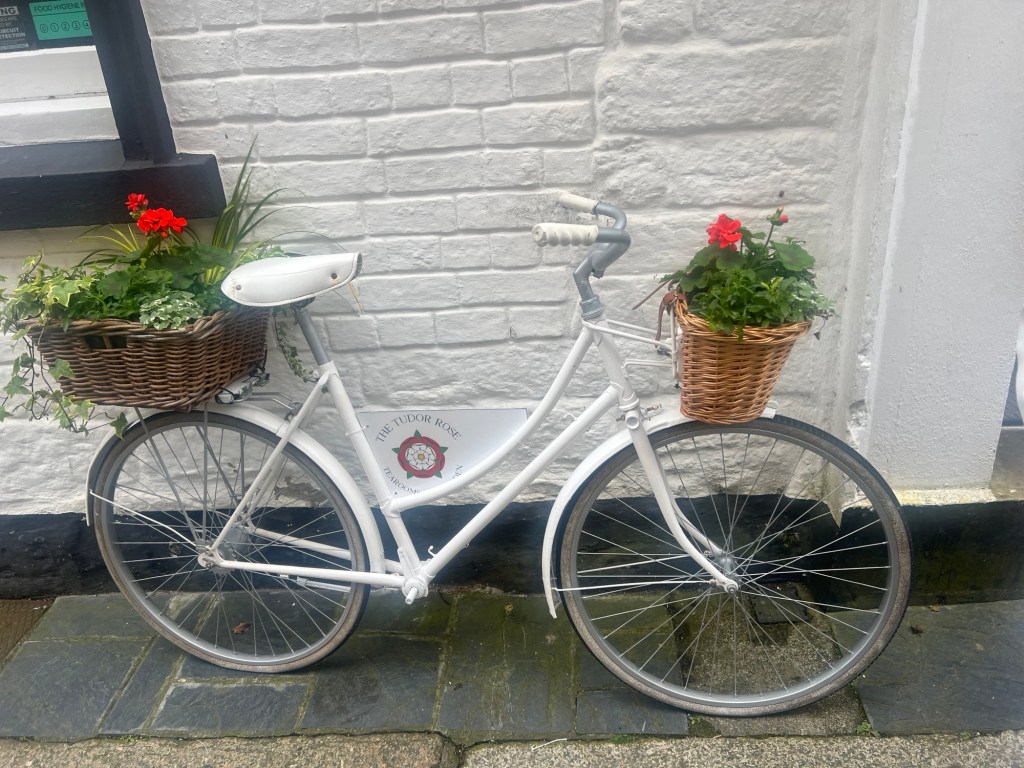
The tea was in the Tudor Rose, a delightful tea room near the Barbican Wharf. It is on the oldest street in Plymouth, inexplicably named “New Street”!

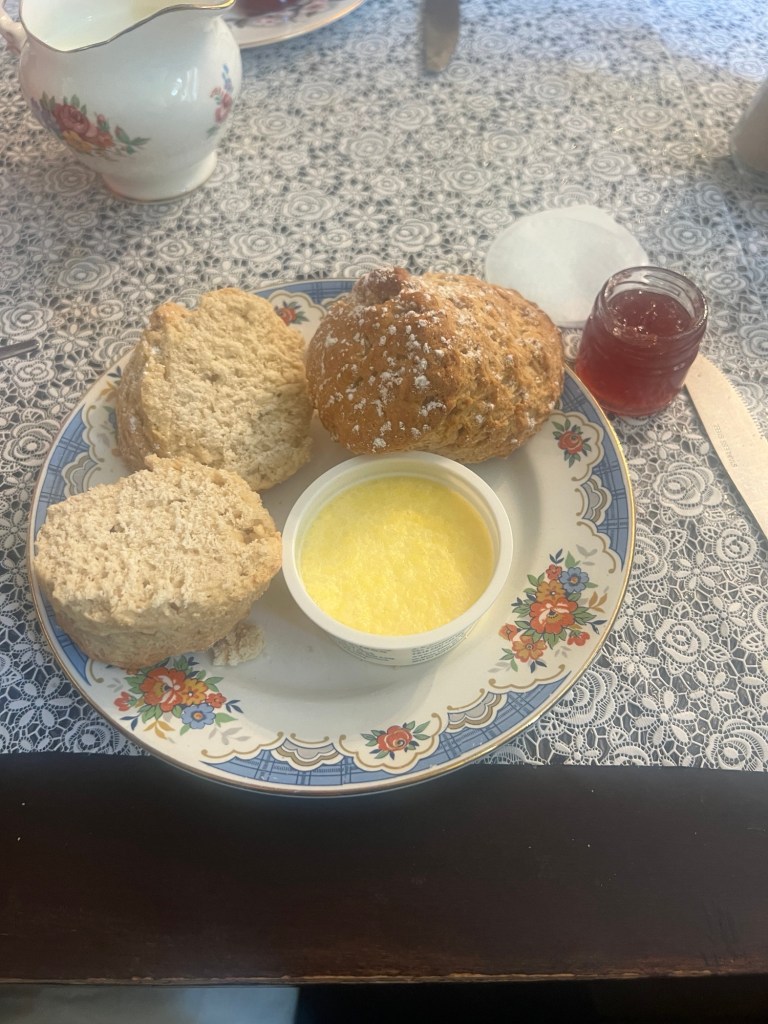
We learned that there is a big rivalry between Devon and Cornwall about how to eat the scones and clotted cream. In Devon (where we are), they put the clotted cream on the scone first and top it with jam, usually strawberry. In Cornwall they do it the opposite, jam first followed by clotted cream. Of course, each thinks theirs is the right way.

Norm wasn’t sure what clotted cream was (I have had it before and loved it!) For those who don’t know, here is the description Demaris gave us. Clotted cream is a thick, rich, and indulgent dairy product with a high fat content, typically made by heating unpasteurized cow’s milk and then allowing it to cool slowly. This process causes the cream to rise to the surface and form “clots” or thick cream. It has a smooth, velvety texture and a slightly sweet flavor. Clotted cream is a traditional accompaniment to scones and jam in the English tradition of cream tea, and it’s also used in desserts and baking.

There is no cream in the tea – Cream tea refers to tea with the scones and clotted cream.

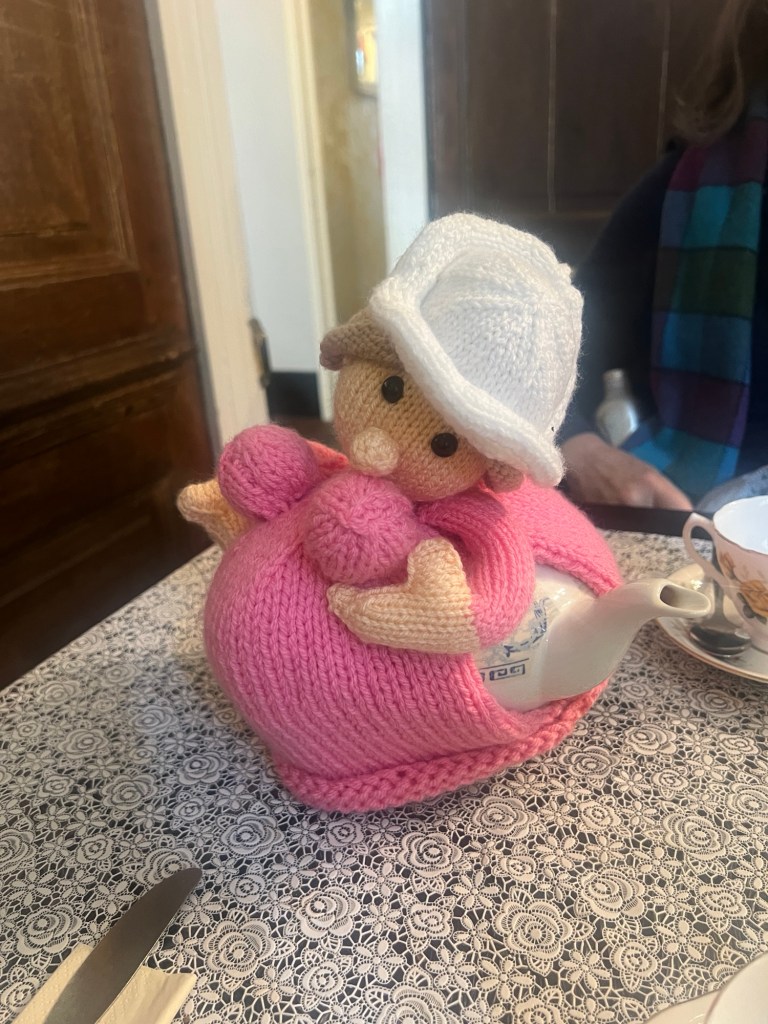
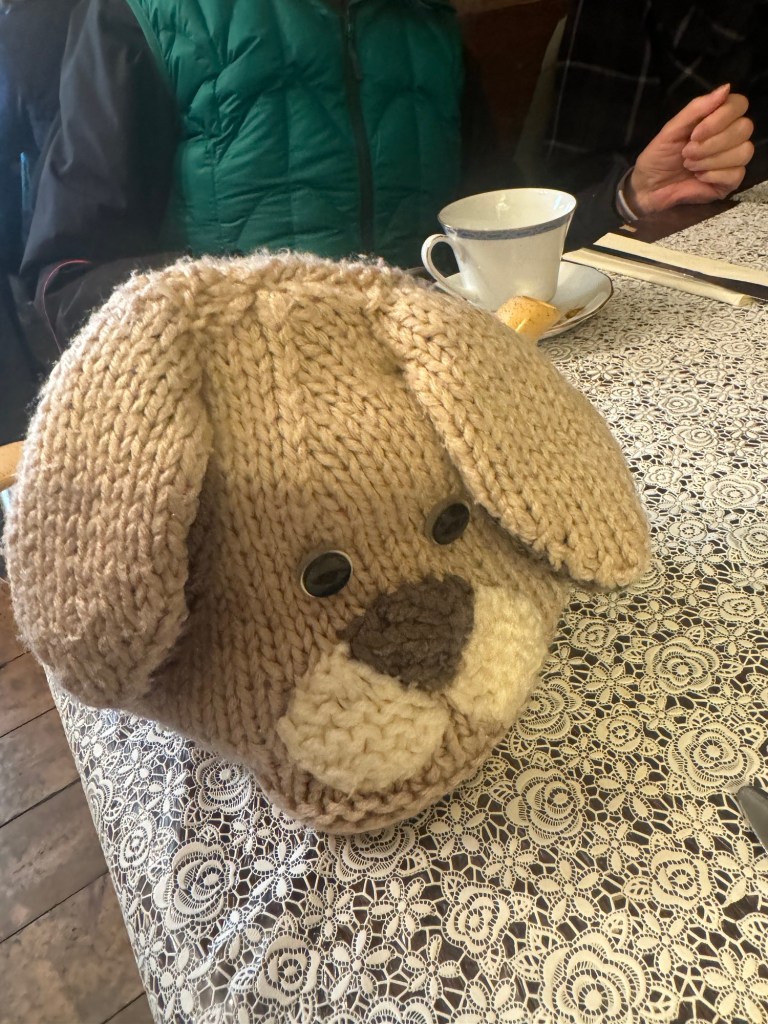
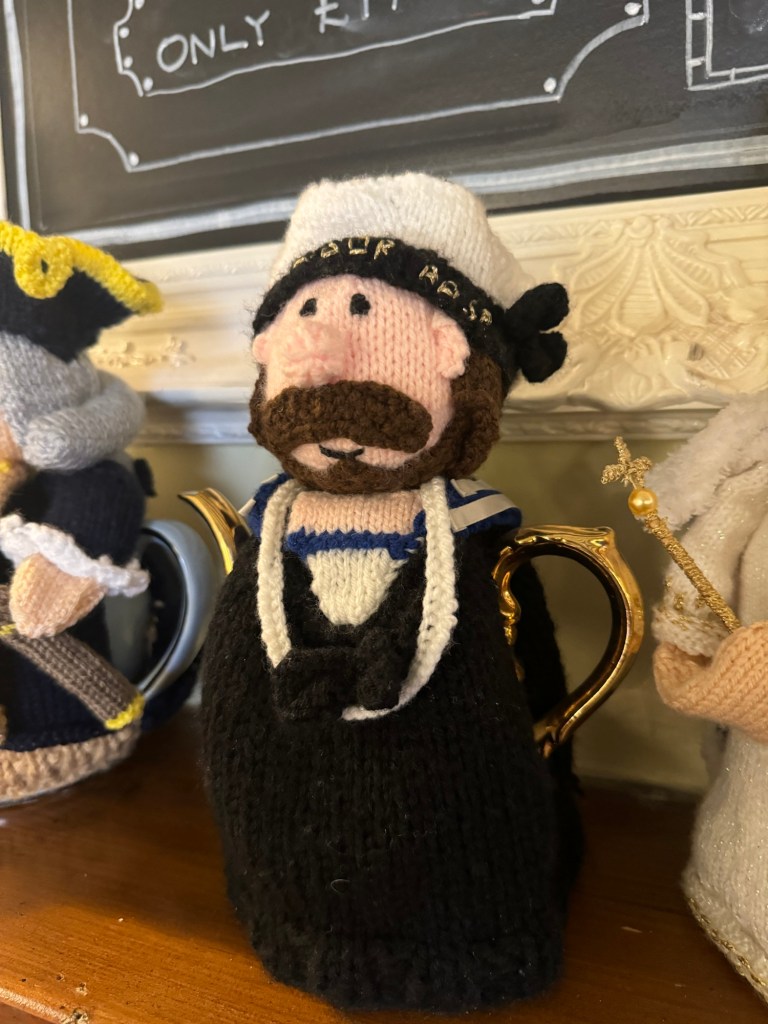
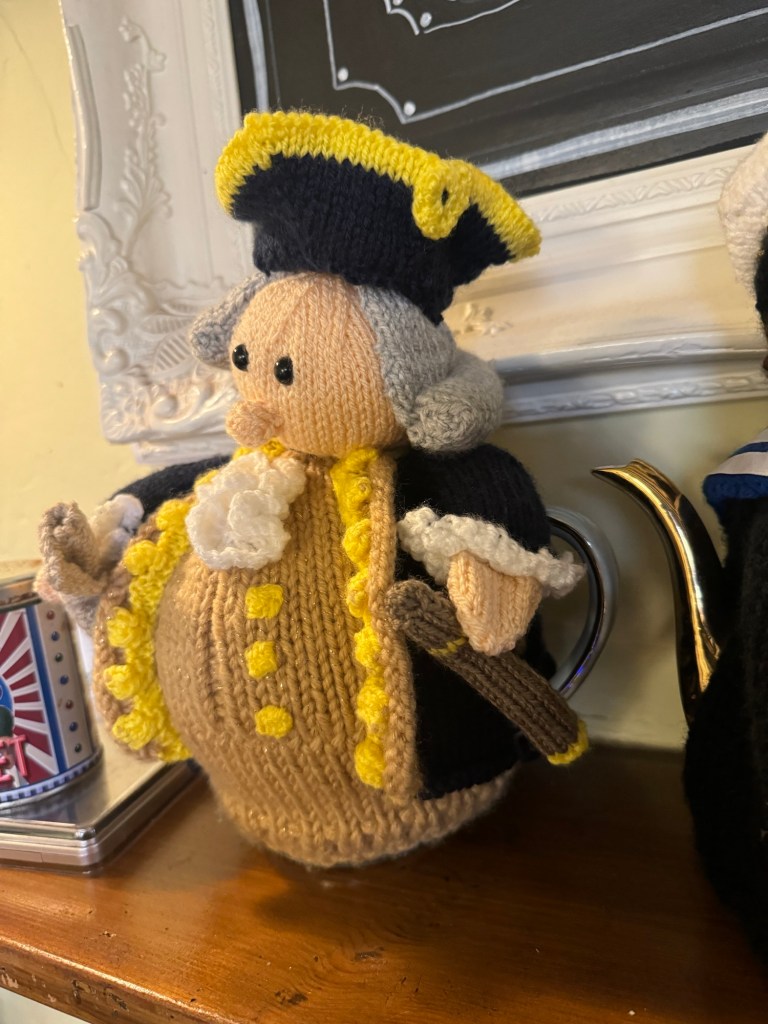
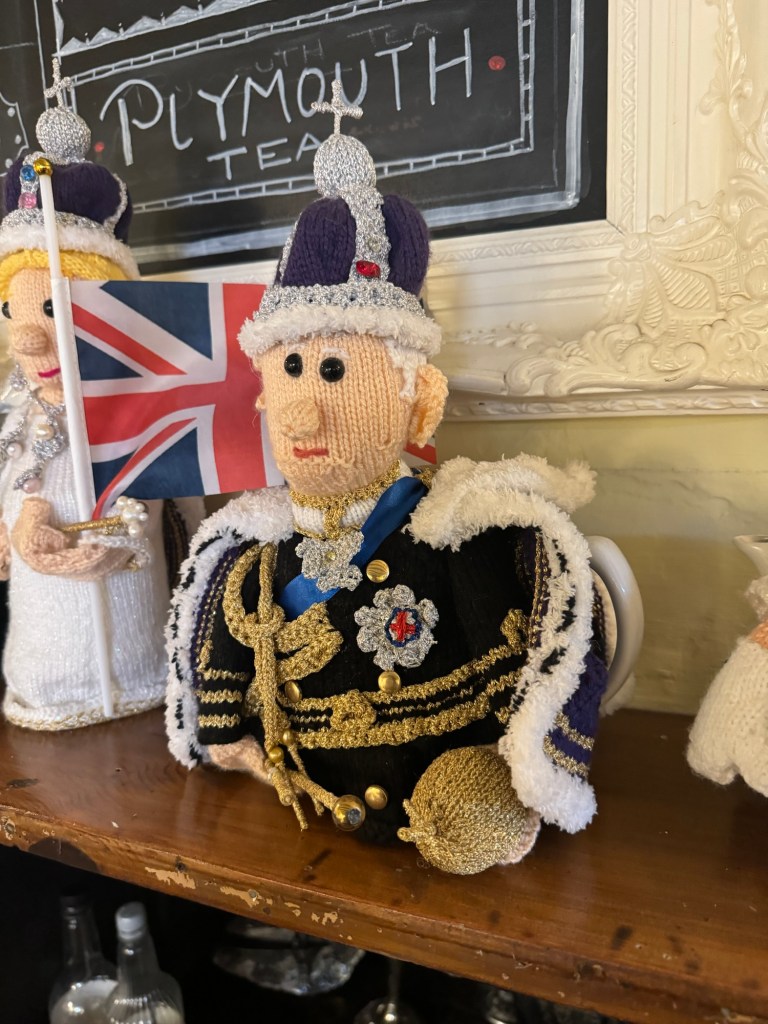
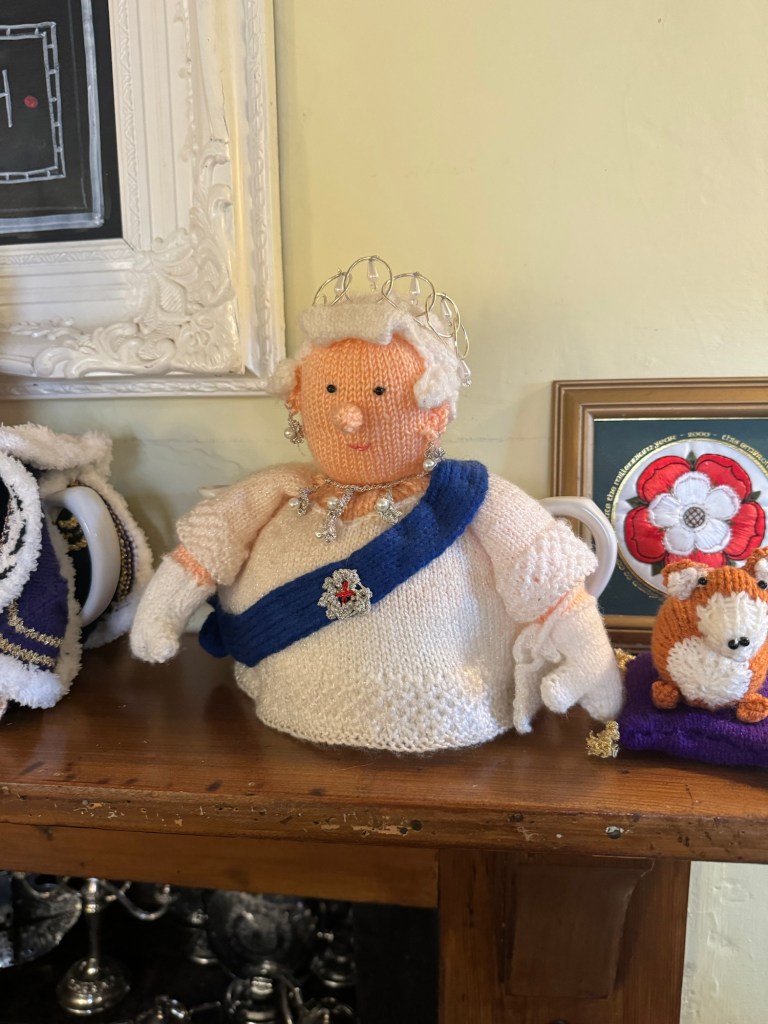
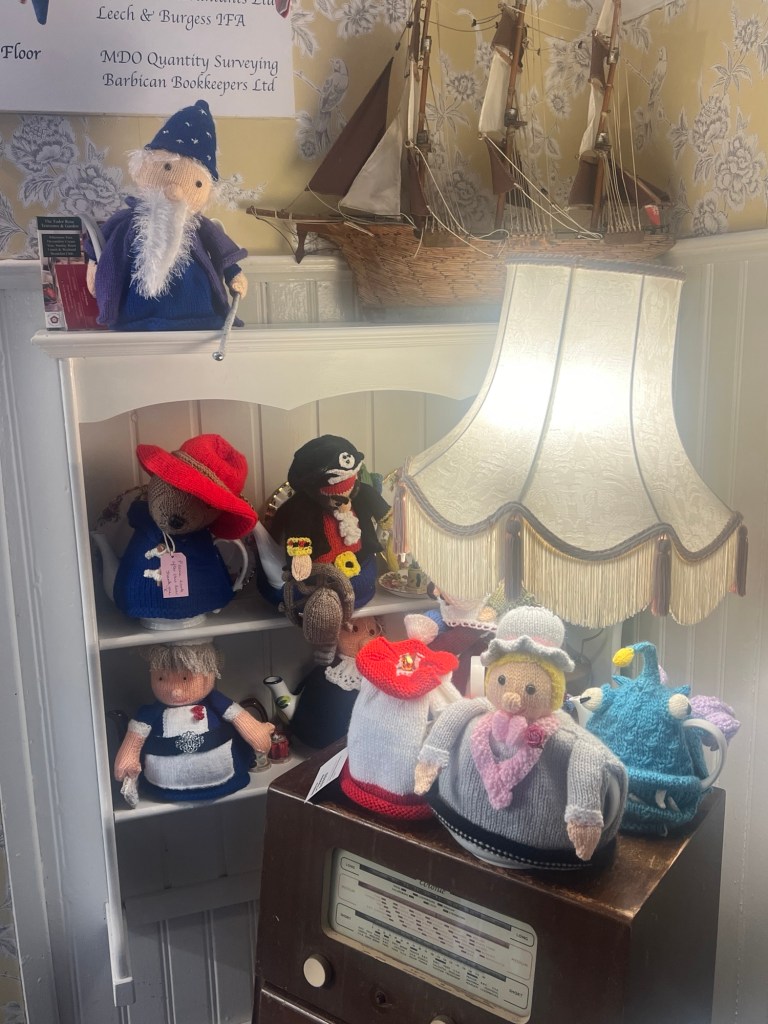
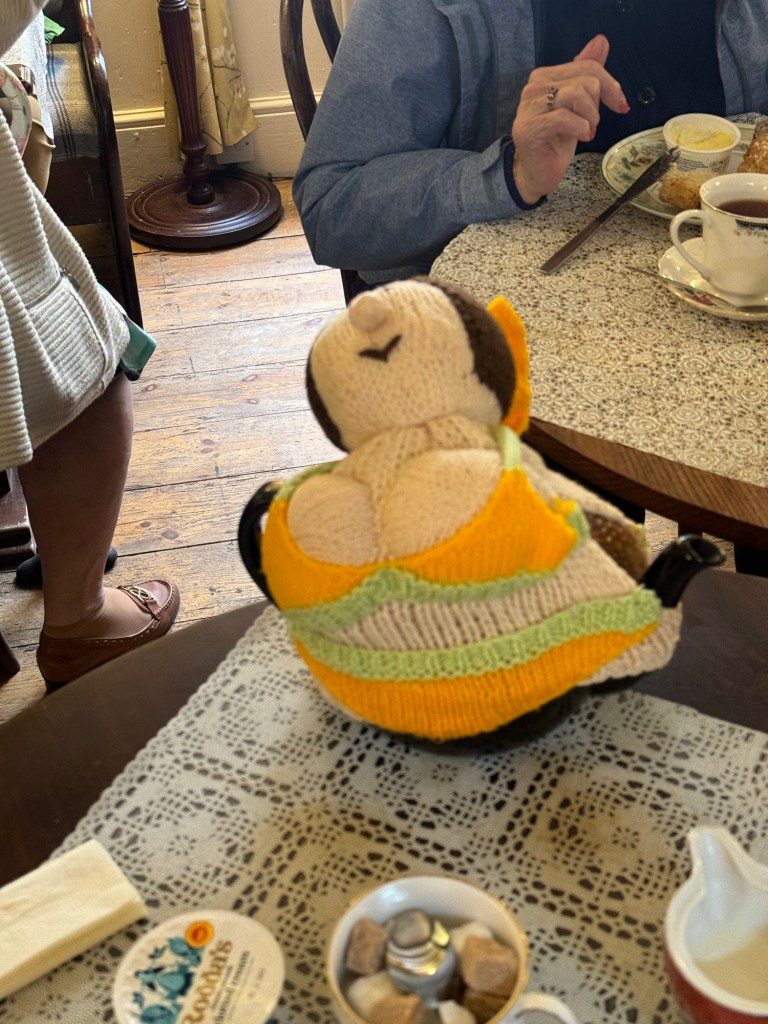
We each got two freshly baked scones, the clotted cream and the jam. The tea was hot and served in tea pots covered with tea cozies that are hand knotted by the owner’s grandmother. They are designed to insulate the teapot, helping to keep the tea inside warm for a longer period of time. Each table had a different one and there were many others on display, including the ones representing the Royal Family!

The owner showing off the Statue of Liberty tea cozy

The tea room was delightful, inside and out!

Someone had a sense of humor!

We calked back to the ship, finished our packing, had a very light dinner and watched Michelle Montuori’s show. Tomorrow we disembark in Southampton at around 7 to take the coach to Heathrow where Norm will fly back to West Palm Beach and I will head to Madrid for an ICF leadership meeting. I have the weekend free before the meeting starts and didn’t think it would be smart to fly home and turn right around and fly back to Madrid. Lucky me, I snagged tickets to the Madrid Open doubles final and women’s singles final!

And just like that, our 37 day adventure ends. Goodbye Sirena, friends and crew still aboard and those leaving for home. I know we will meet again somewhere around the world.

Posted in Europe, Excursions, Food, May, Spring 2024 | 1 Comment

Cobh, Ireland

May 1, 2024

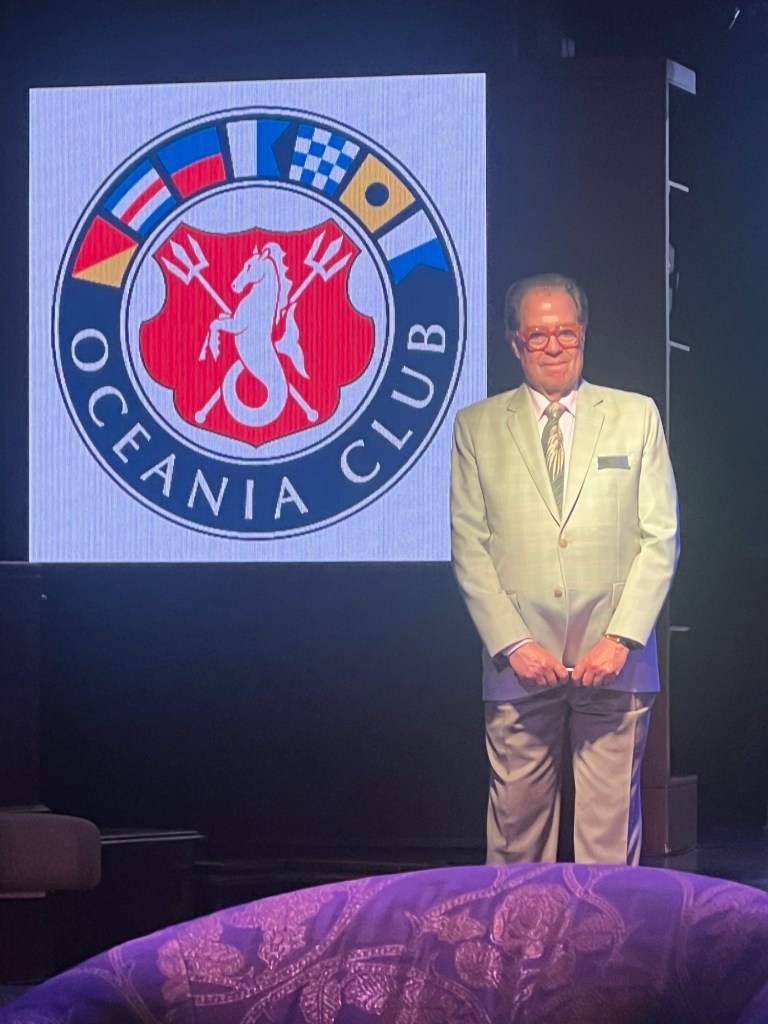
Last night we had the Oceania Club party for this segment of our cruise, the last for us, of course.

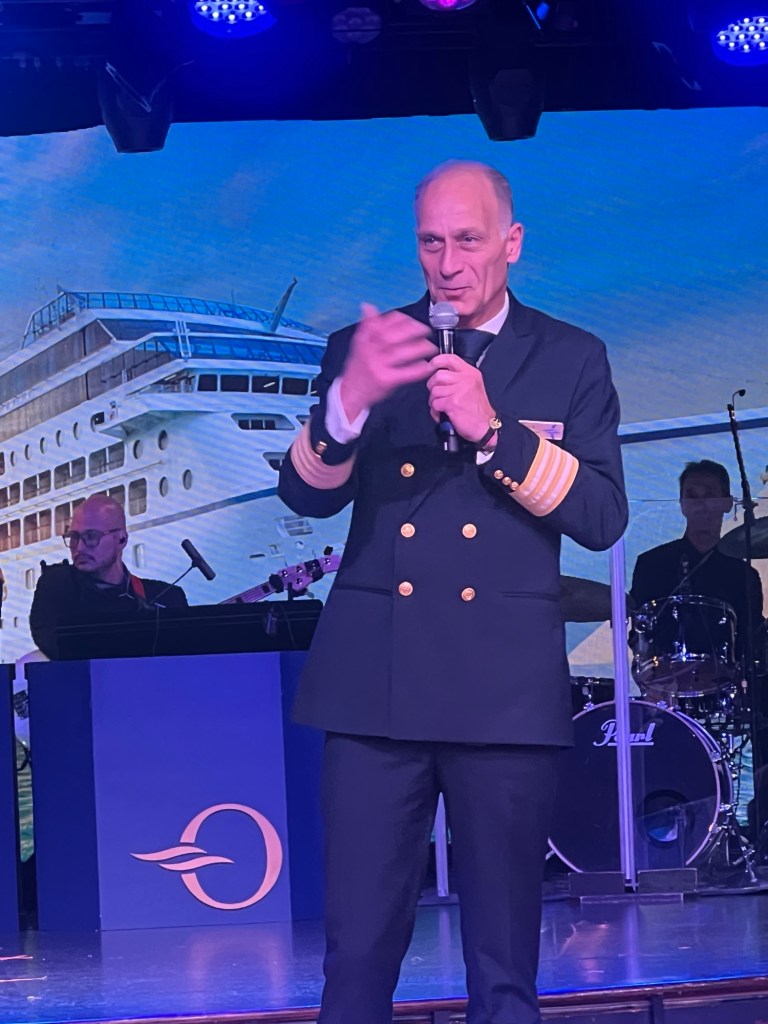
Our General Manager, Marck
Cruise Director, Leslie

And the beautiful sky!

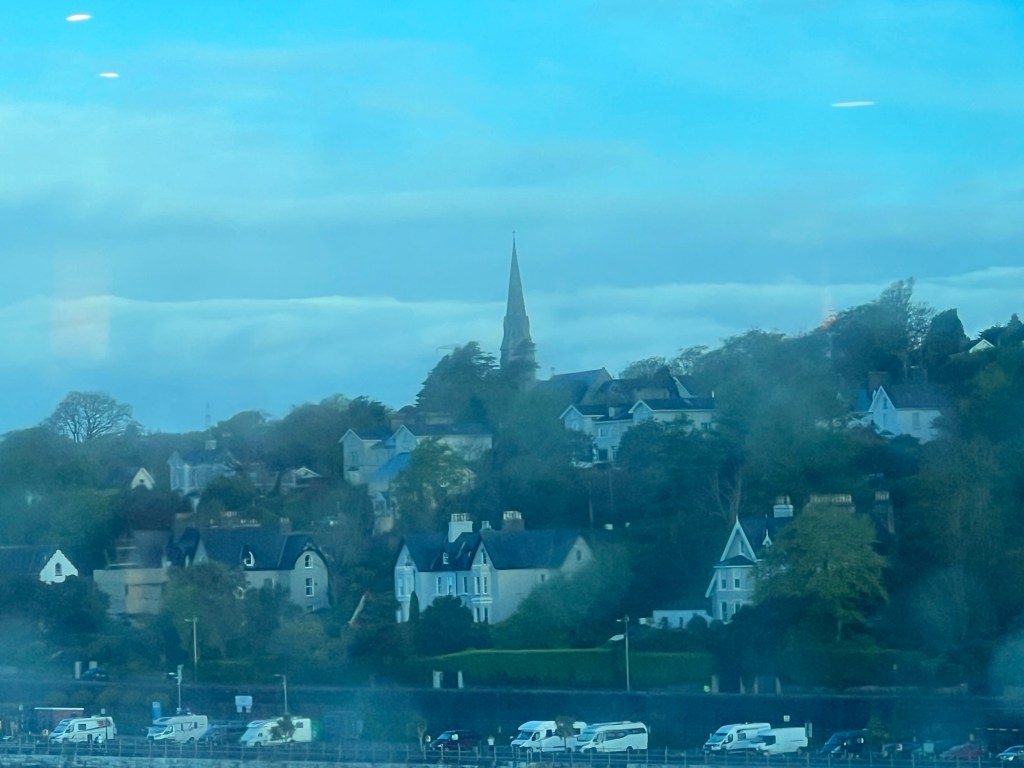
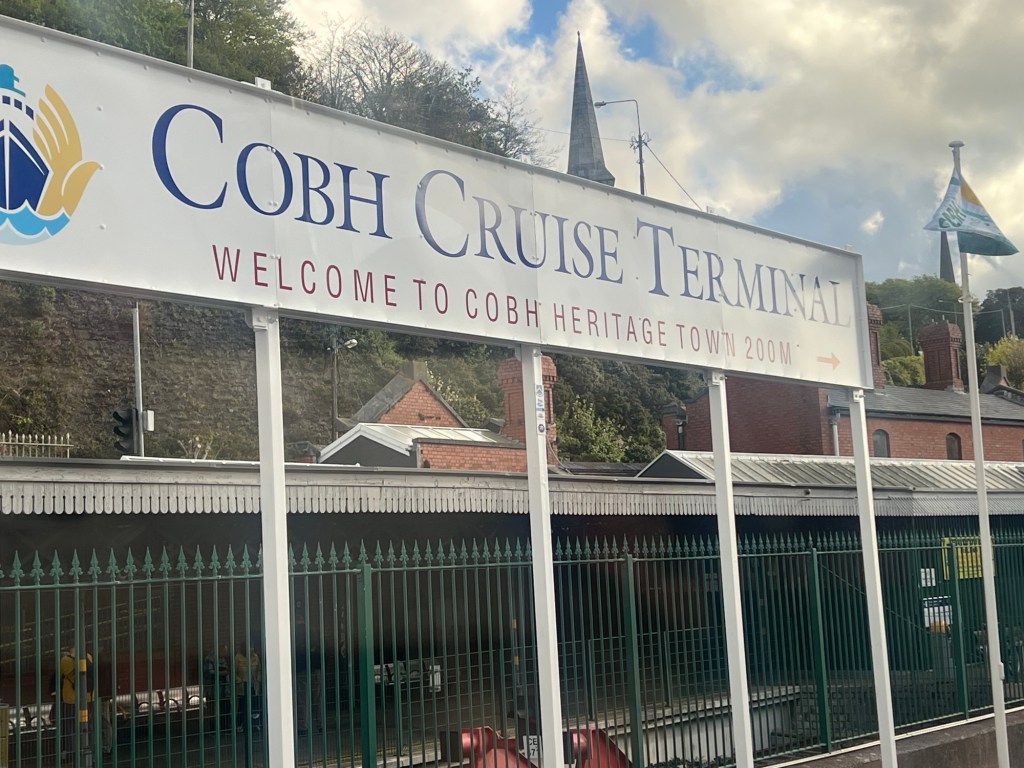
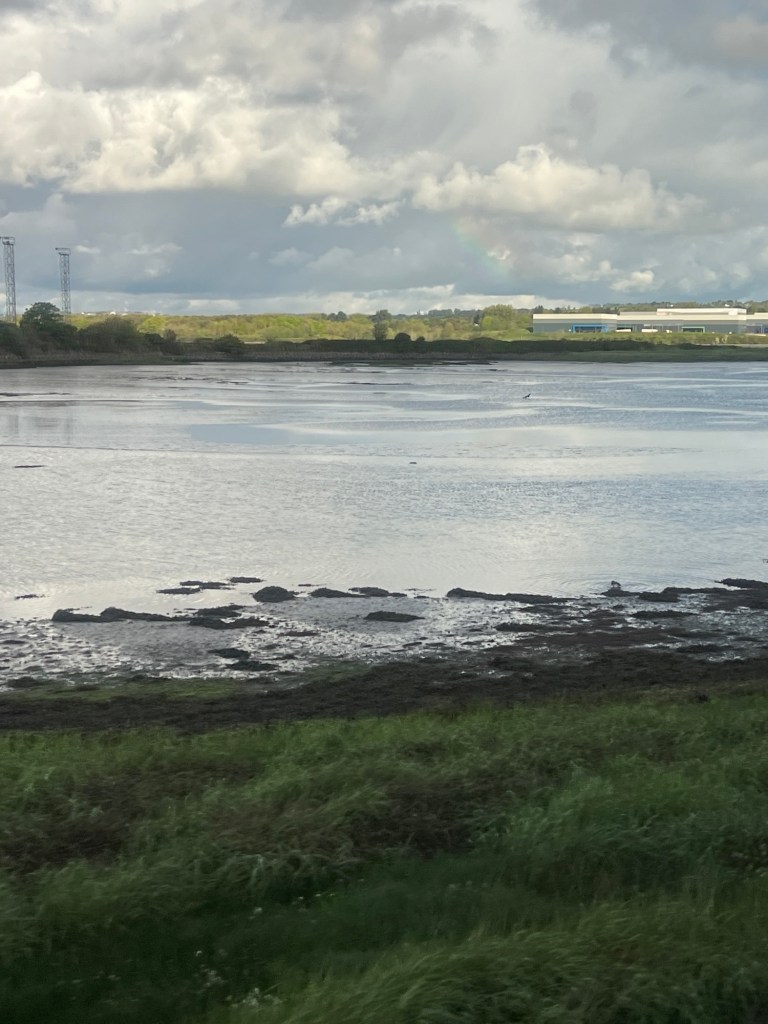
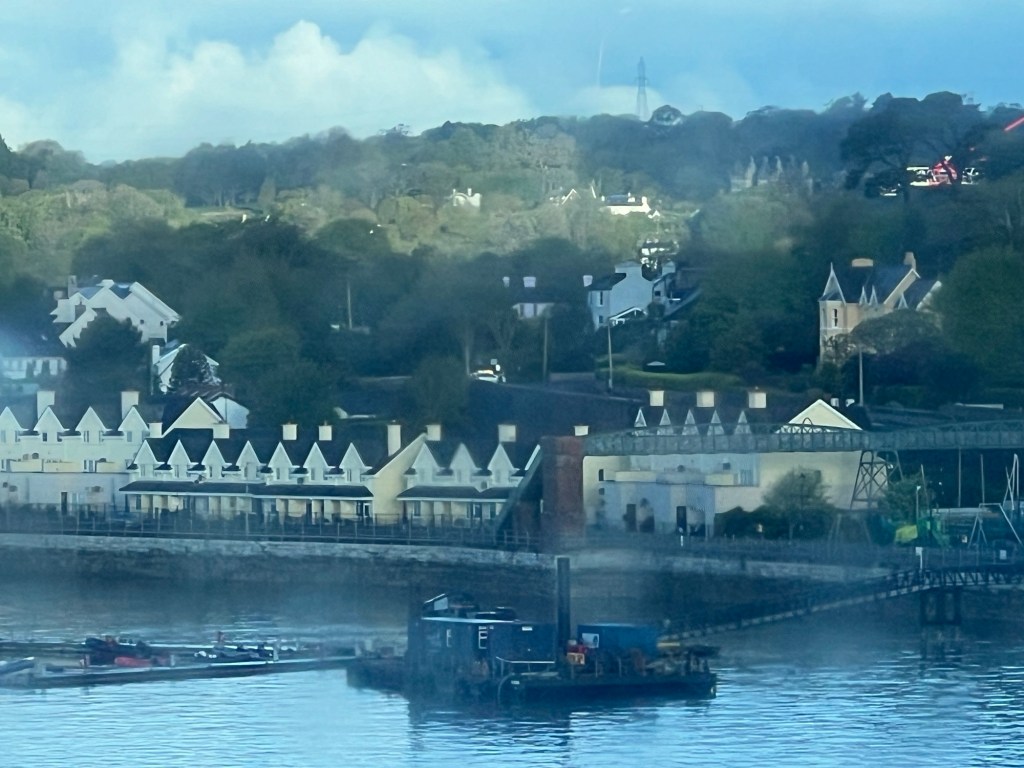
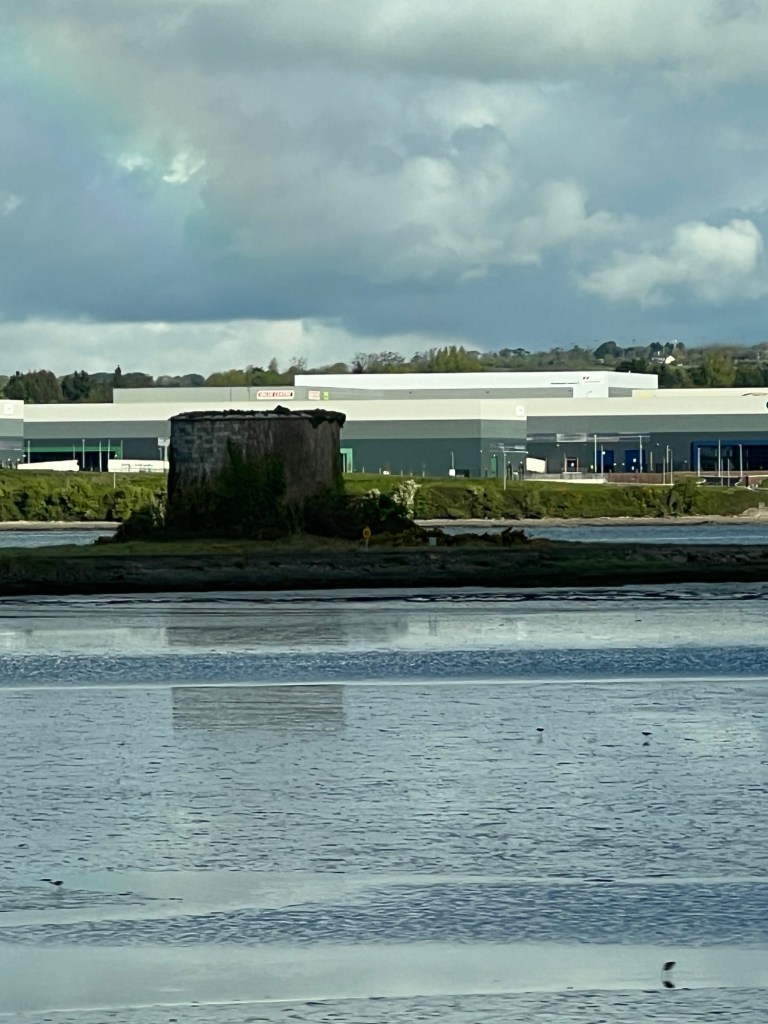
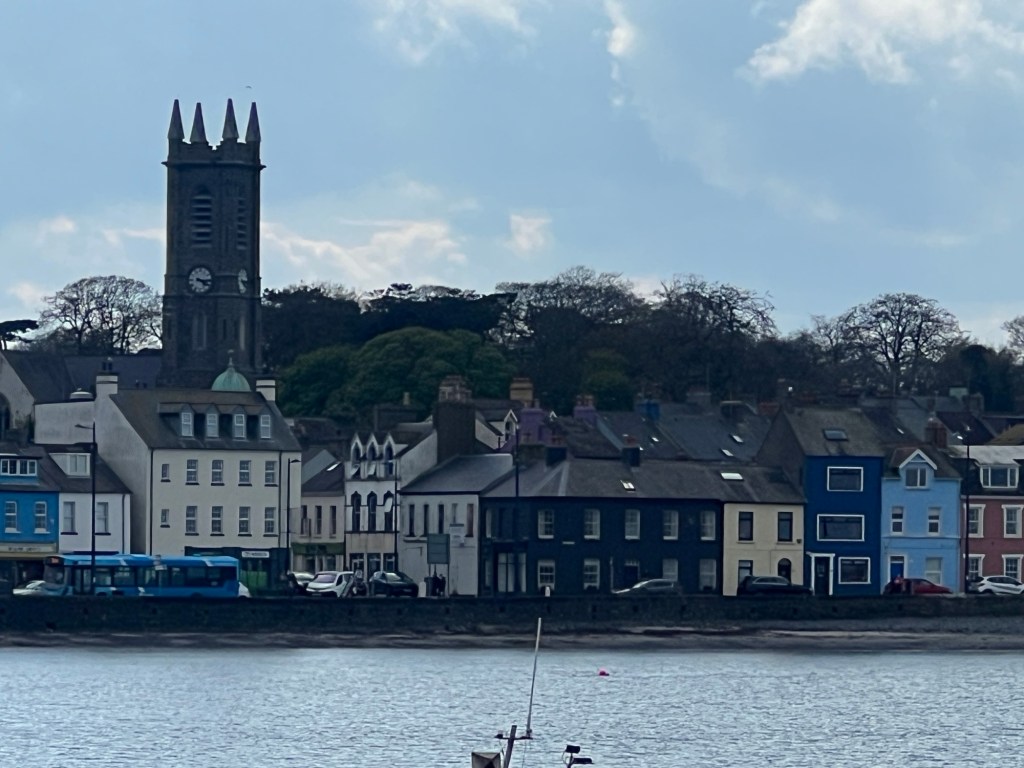
Our port today is Cobh, Ireland which is the port for cruise ships and is near Cork. Here are some pictures from our sail in.

The pilot arriving

We have been here before and really enjoyed the town. This time we opted for a tour to the village of Kinsdale. Our guide was Noreen and our driver, Willie. I specifically mention the driver because he had to navigate on some small windy roads and did a great job with cars, trucks and buses coming the opposite way.

There was a rainbow

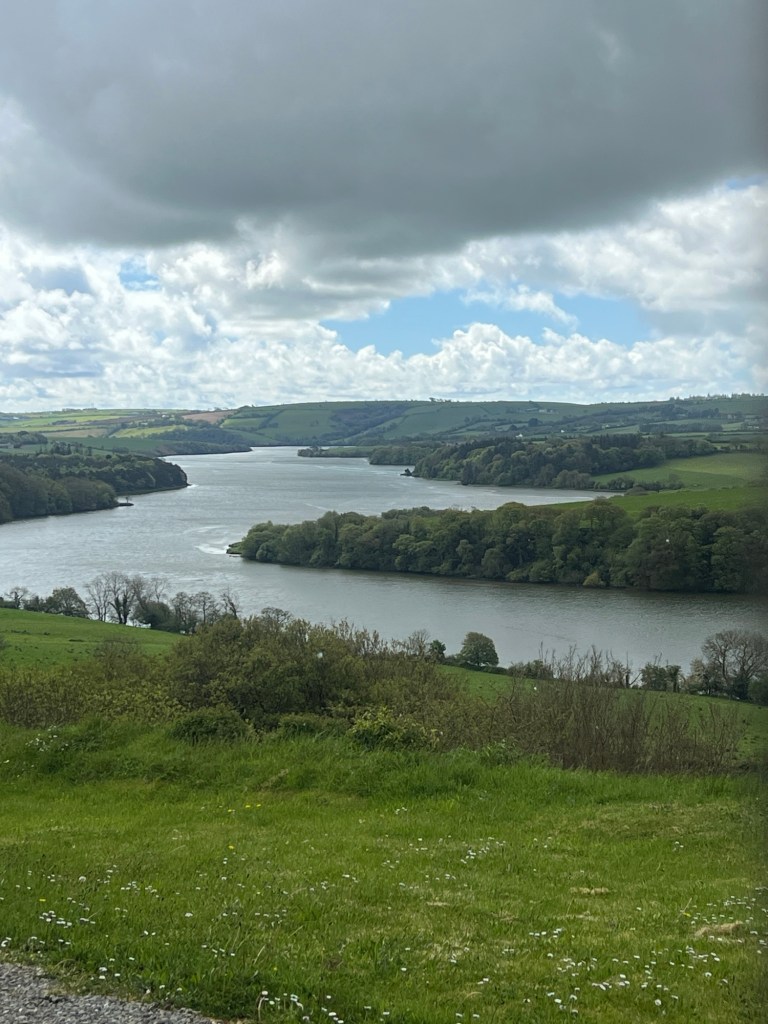
The sun was shining and the temperature was over 50 degrees today. Noreen told us that March was the wettest month ever here and the farmers really suffered. They could not let the cows out to graze and the fields are still flooded so the crops will all be behind, creating an economic problem for the farmers and for the country. It impacts milk production and the butter that is the second biggest seller in the US, Kerry Gold.

This is one of the fields that is still flooded!

It took about an hour to drive to Kinsdale, so Noreen told us lots of facts about the area on the way.

Cobh has the second largest natural harbor in the world, Sydney is the largest.

The city was named Queenstown from 1849-1922 after Queen Victoria.

This was the Titanic’s final port of call before heading to New York. There is a museum here that we have visited on a previous trip. 123 people boarded here and only 44 survived.

Cork county is the largest county in Ireland with 500,000 people.

We passed a ship that Noreen told us was seized and 160 million euros worth of cocaine was aboard.

The Gaelic language is on all signs along with English and it is compulsory to study through high school.

Henry Ford was from Cork and for a time -1919-1984 – there was a Ford factory here. Cars are very expensive here but Fords are still popular.

Apple is the biggest employer and employs 5,000 people in the European headquarters here.

Biking is big here, Noreen says they are called MAMIL – middle aged men in Lycra!

There are also many pharmaceutical companies here. We could see the Pfizer plant where they make Viagra – Noreen says the employees are called the “Pfizer risers!”

The oldest sailing club in the world is here, founded in 1723. And since the pandemic, sea swimming has become popular. The water is COLD but it is still popular.

The Disney family has a property here in Cork County and visits every year.

They will have a ceremony to honor the Lusitania on May 7 – it was sunk on that date in 1915.

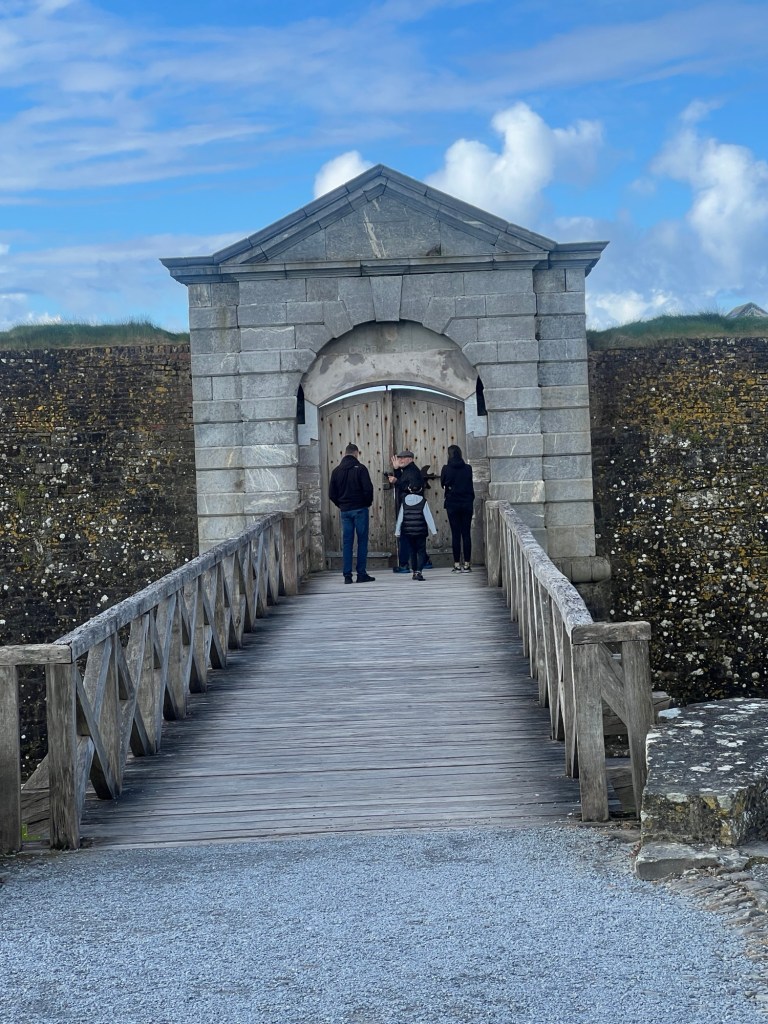
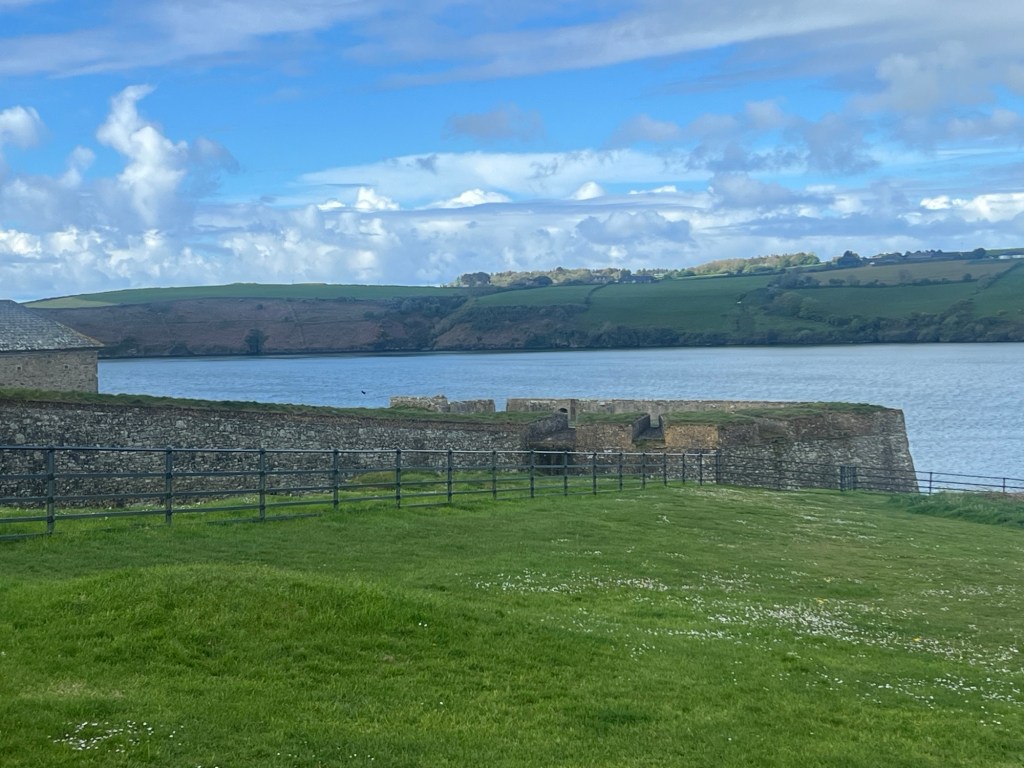
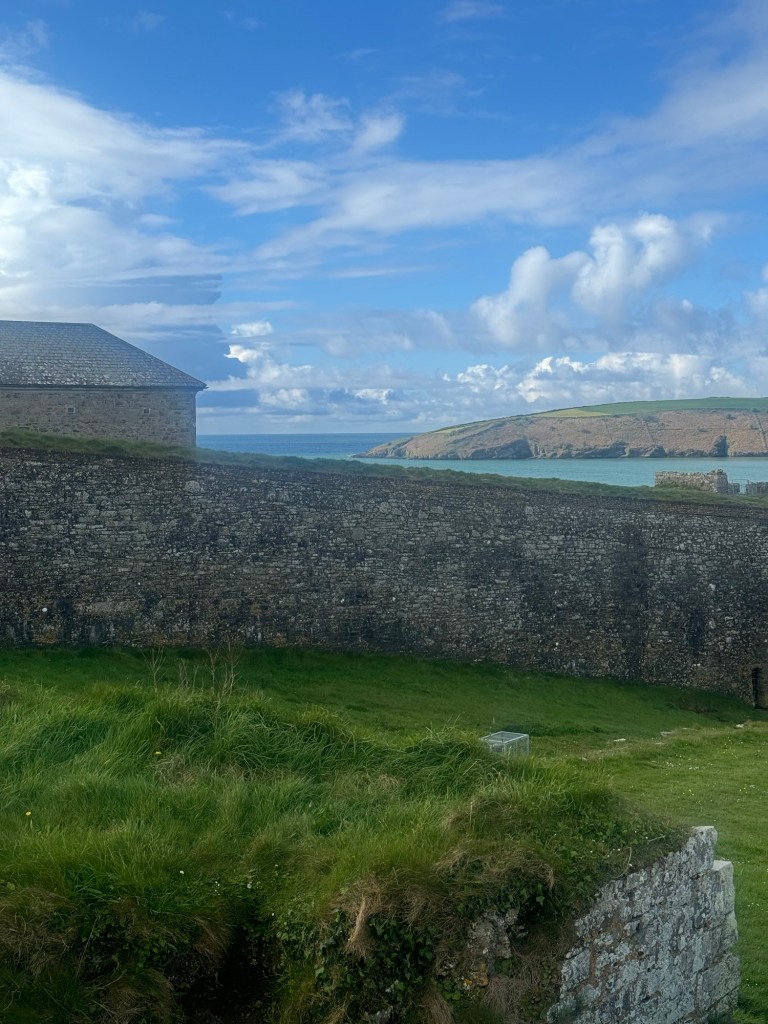
Before reaching the village, we made a stop at Charles Fort which is a historic star-shaped fortification built in the late 17th century during the reign of King Charles II of England. It’s located near the town of Kinsale and overlooks the entrance to Kinsale Harbor. The fort has played a significant role in Irish history, including the Williamite War and the Irish War of Independence.

Beautiful view

Kinsdale is a nice small village. There was a farmer’s market and nice shops. I did buy an Aran sweater.

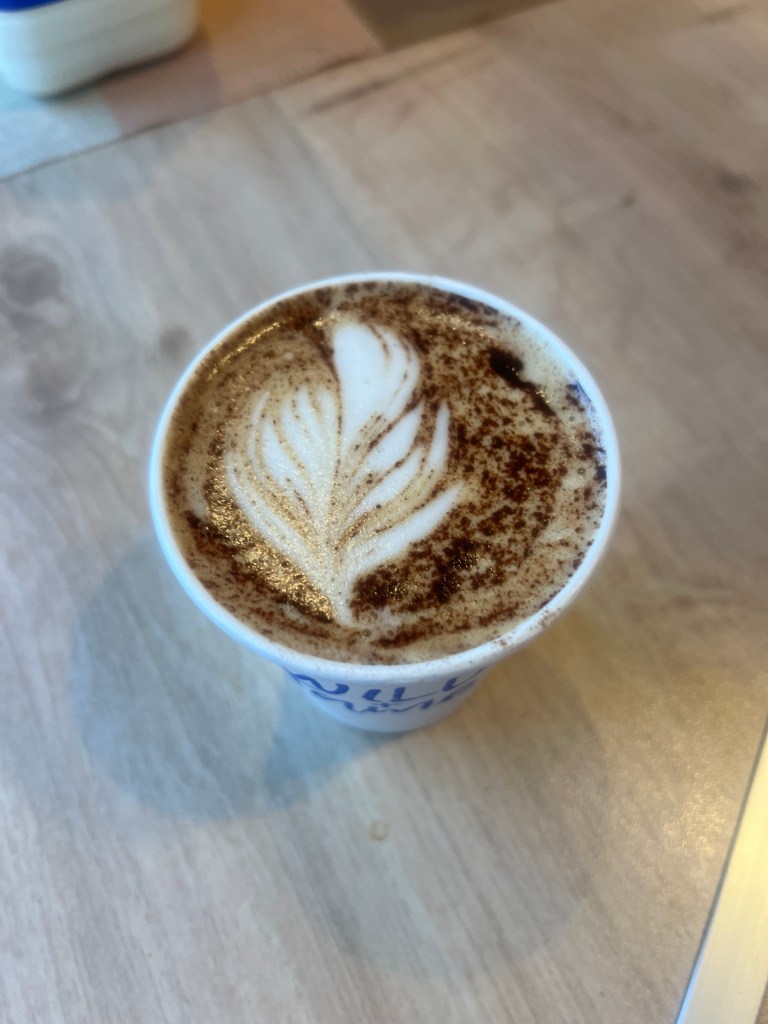
Stopped for a lovely cappuccino

We had a few raindrops but all in all it was a nice day.

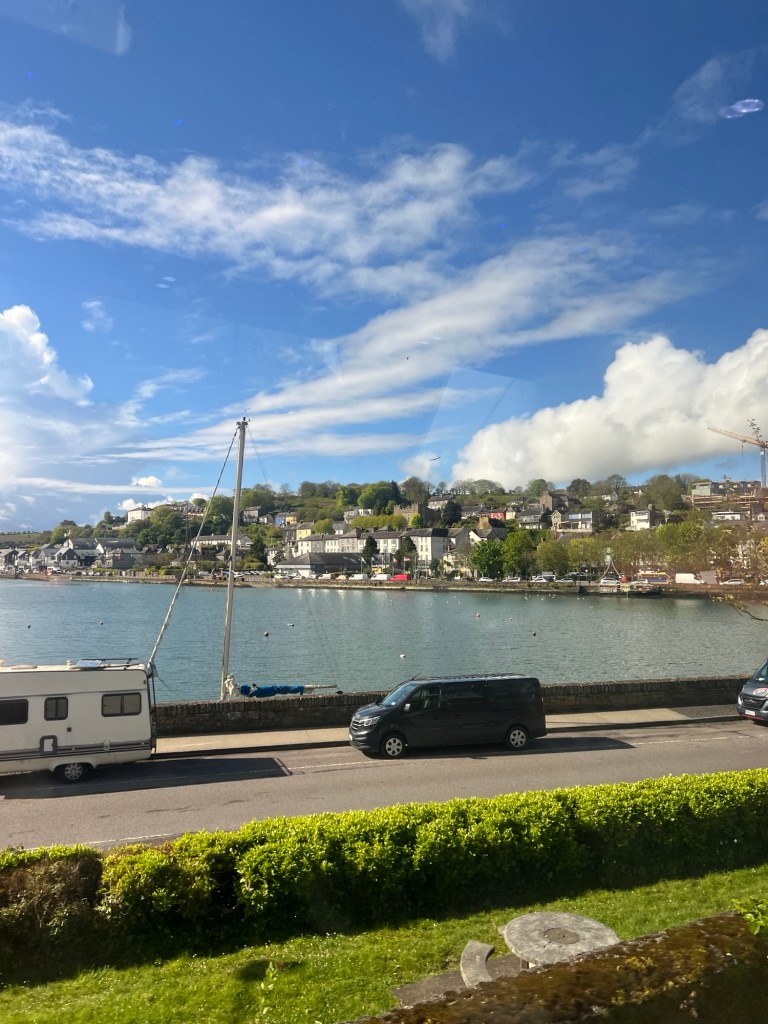
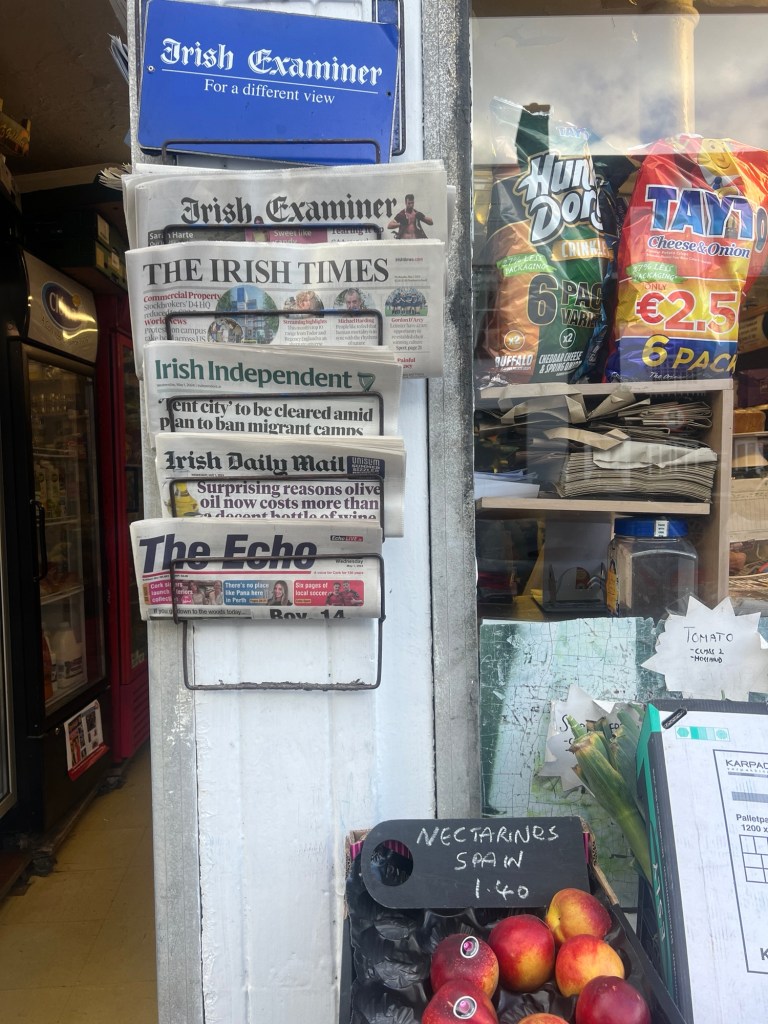
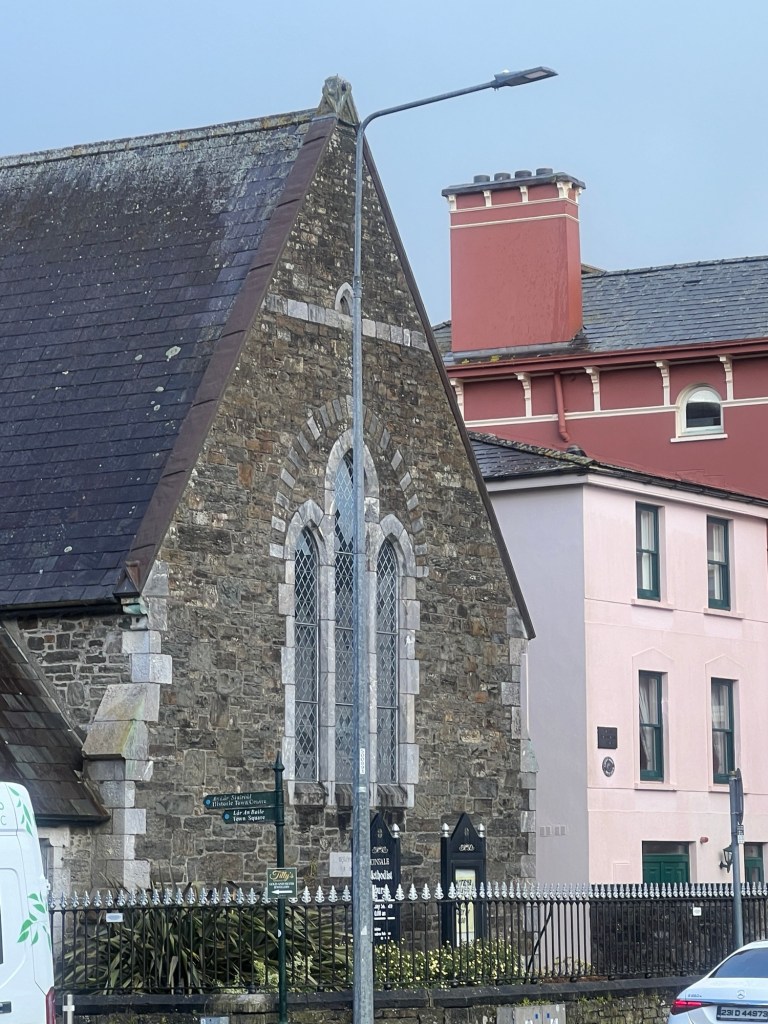
Here are some of the sights from the way back to the ship.

Rentals and sales of homes are very expensive here

It was a nice day in the beautiful green countryside of Cork County.

We found that the British Pound and the Euro are bargains for us with the current exchange rate.

Posted in April, Europe, Excursions, Spring 2024 | Leave a comment

Special blog post – Leslie Jon Retirement

I am sending this along to any of you who know Leslie from previous Oceania cruises. (He doesn’t subscribe to this blog…)

It is time to pay “attention to the man behind the curtain”.  Leslie Jon will be leaving the Sirena in Rome on May 25th and actually retiring this time!  Oceania employees have already celebrated Leslie’s contributions, so that ship has sailed and his cruiser friends may be adrift.  Since this is his last “Fiddle(r) on the Roof”, I was hoping to give him one final curtain call with your help.  Instead of the usual standing ovation, I was hoping that you might take the time to put a few words in an email and send them to Sir_ExeConcierge@oceaniacruises.com

Oceania will gather up the emails on this end and we will present them to him in a convenient format during his final days aboard Sirena.

Please write whatever you deem appropriate, but if I were Leslie, I would want to read your personal experiences and stories of how he might have impacted your vacations or your life in a positive way.  Or maybe how he just made a difference.  Trivia references always welcome.

Leslie is currently writing a book titled, “Dancing on Water:  The Life and Tides of an Onboard Entertainer”.  Some encouragement for this ongoing endeavour would likely be appreciated, or even some retirement advice.

Please forward this email to anyone you think would be interested in participating.  Our network is likely quite broad collectively.

Cheers,

James Campbell (one of our friends and trivia team members)

Fellow Cruiser, currently on Sirena and soon “We’re Going to the Movies…”


Posted in April, Europe, Spring 2024 | Leave a comment

Holyhead, Wales

April 30, 2024

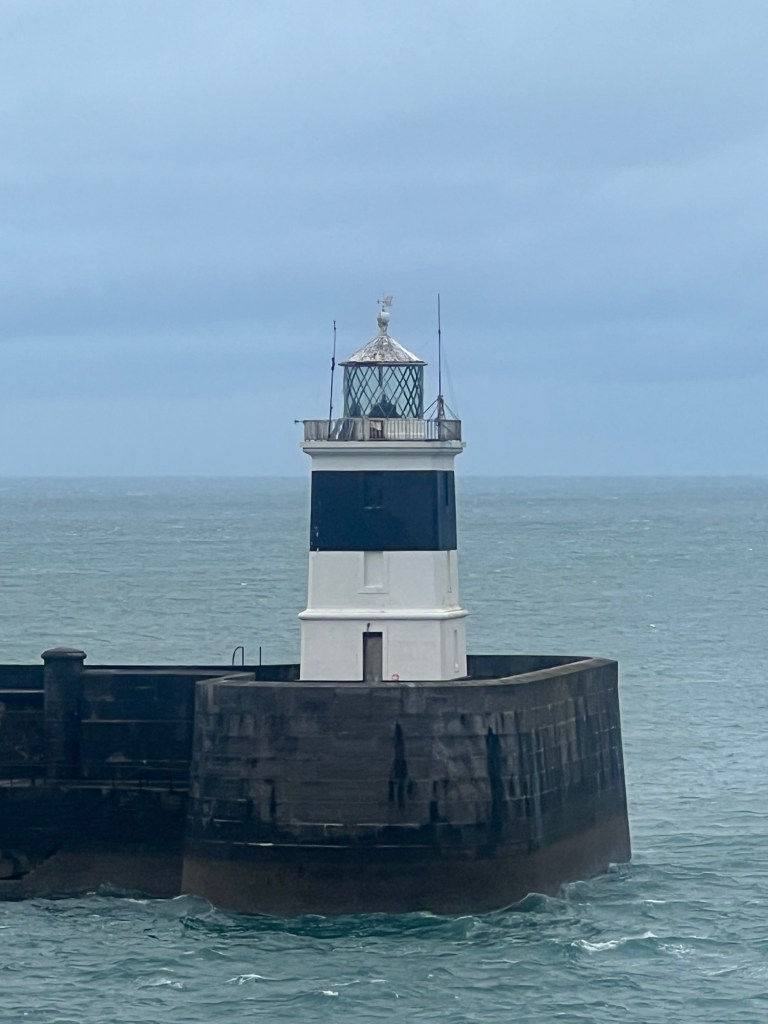
Holyhead is the largest town on the island of Anglesey located in North Wales. It is pronounced Holly Head. It is a busy ferry port that links Ireland with Britain.

It took the captain over an hour to get the ship into port with the heavy winds. At one point the ship was listing to one side quite a bit. Many passengers were waiting for their tours, but we didn’t book one for today.

It was raining heavily off and on and very windy. We had been to Conway Castle in the past, and all of the information books said the town is pretty sad, so we decided to stay on board and watch the Madrid Open tennis and a movie. We think it was the best choice!

I forgot to put this photo on the blog from Dublin. We’ve seen many oil trucks in our travels, but not Guinness trucks!

They were lined up at the port.

Tonight is our last Oceania Club cocktail party and we have only 2 days of touring left before we depart on Friday. It all went very fast.

First place in trivia today!

Posted in April, Europe, Spring 2024 | 1 Comment

Dublin, Ireland

April 29, 2024

We have been to Dublin a few times before, including one trip that I took with the ICF Board, so we have seen many of the sights and really enjoyed the city. You can search Dublin on the site and there will be lots of information. I didn’t blog about the ICF visit but we had a wonderful city tour and tours of Jameson and Guinness then. In 2017 on our first visit, we also did those tours and did a bit of pub hopping with a group of friends. We hired a van to take us all around and he was informative and fun.

When we arrived, the weather looked kind of rainy but luckily we only had a few drops the whole day!

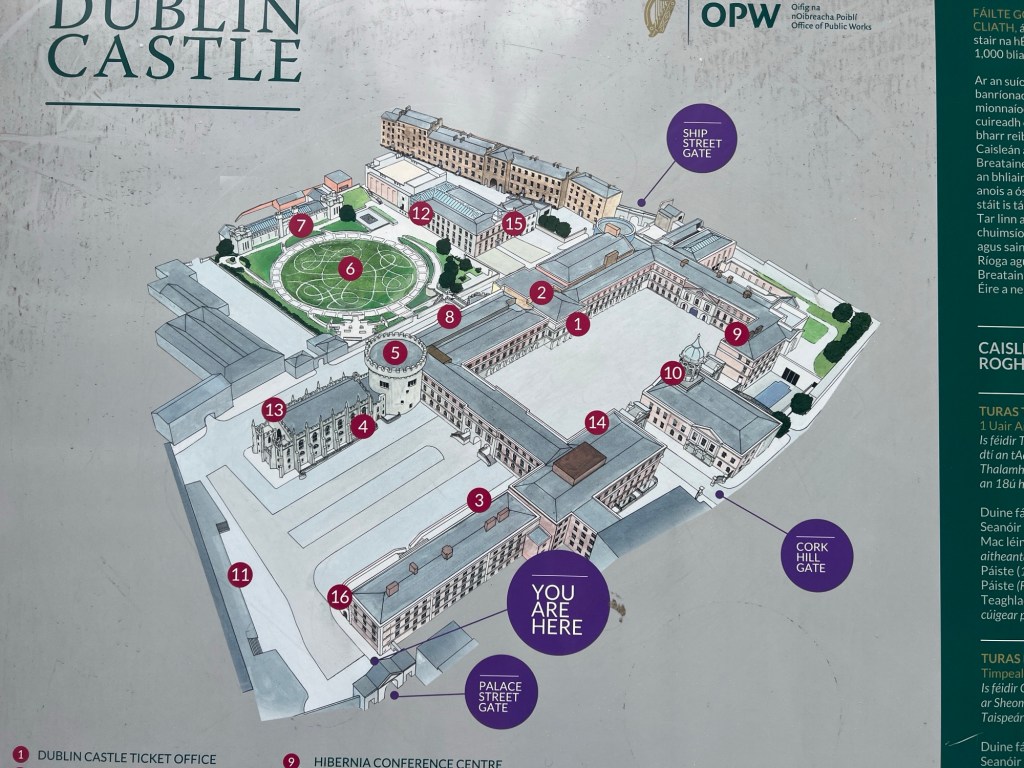
We thought we might take a boat trip on the Liffey River – our ship was docked close to the center of town. I went to get a map and the nice woman told me that they need to be pre booked. She gave me the phone number but we decided that the weather was too cool and it might rain, so we shelved that idea. We also never went to the Dublin Castle or the National Gallery of Ireland so we went on the shuttle which conveniently stopped right outside of the National Gallery.

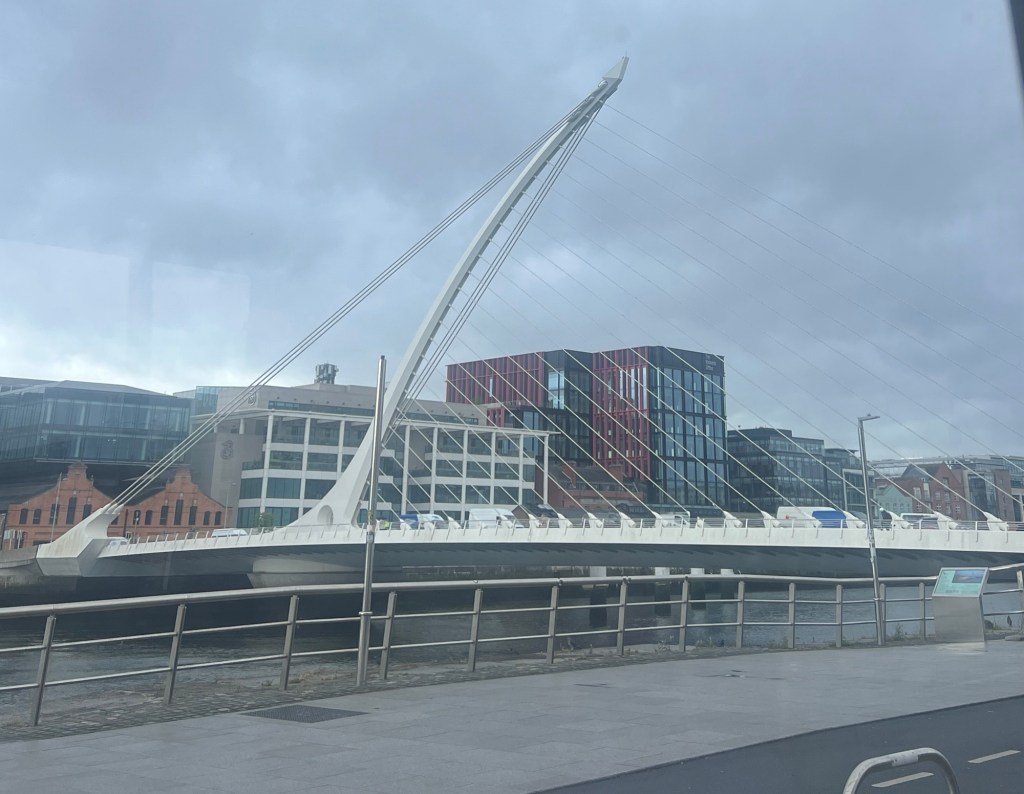
This is one of the bridges over the river, the Samuel Beckett Bridge. It is shaped like a harp, the symbol of the city and was built in 2009.

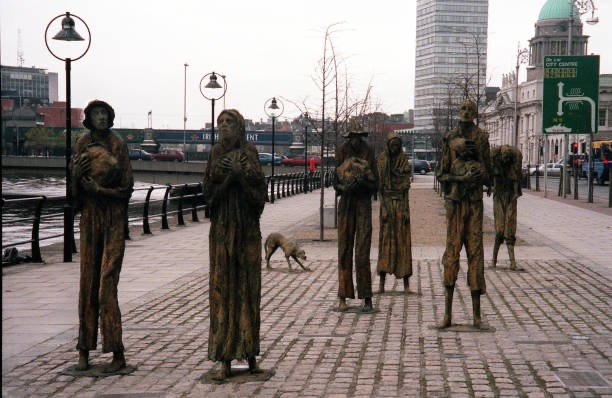
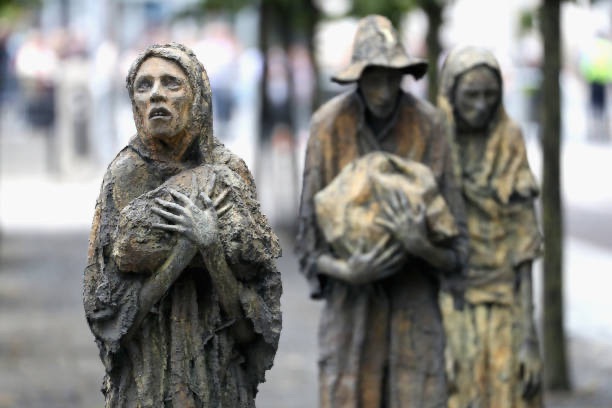
There is a group of sculptures near this bridge along the river called the Famine Sculpture. It is a poignant memorial located on Custom House Quay. It depicts a group of emaciated figures, symbolizing the suffering endured during the Great Famine (1845-1852) in Ireland. The sculpture serves as a reminder of one of the darkest periods in Irish history, when millions died or emigrated due to starvation and disease.

The National Gallery didn’t open until 11 today so we took a long walk to the Dublin Castle first. We were looking at our map along the way and a nice man was going that way so he chatted with us until we reached the entrance to the Castle.

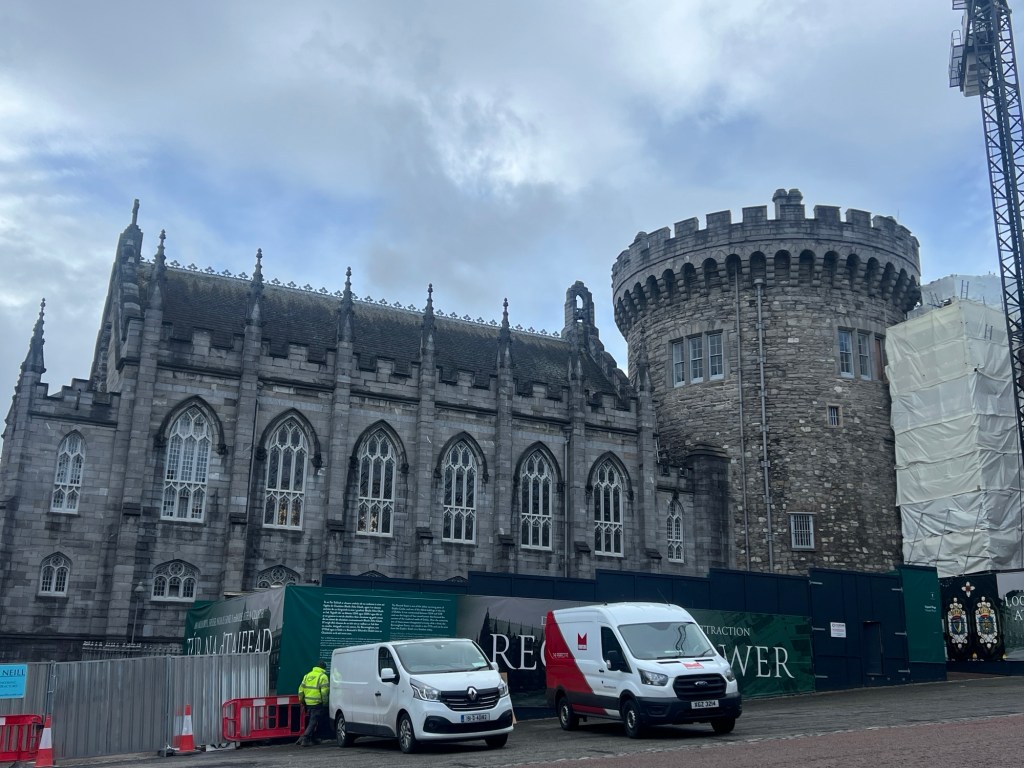
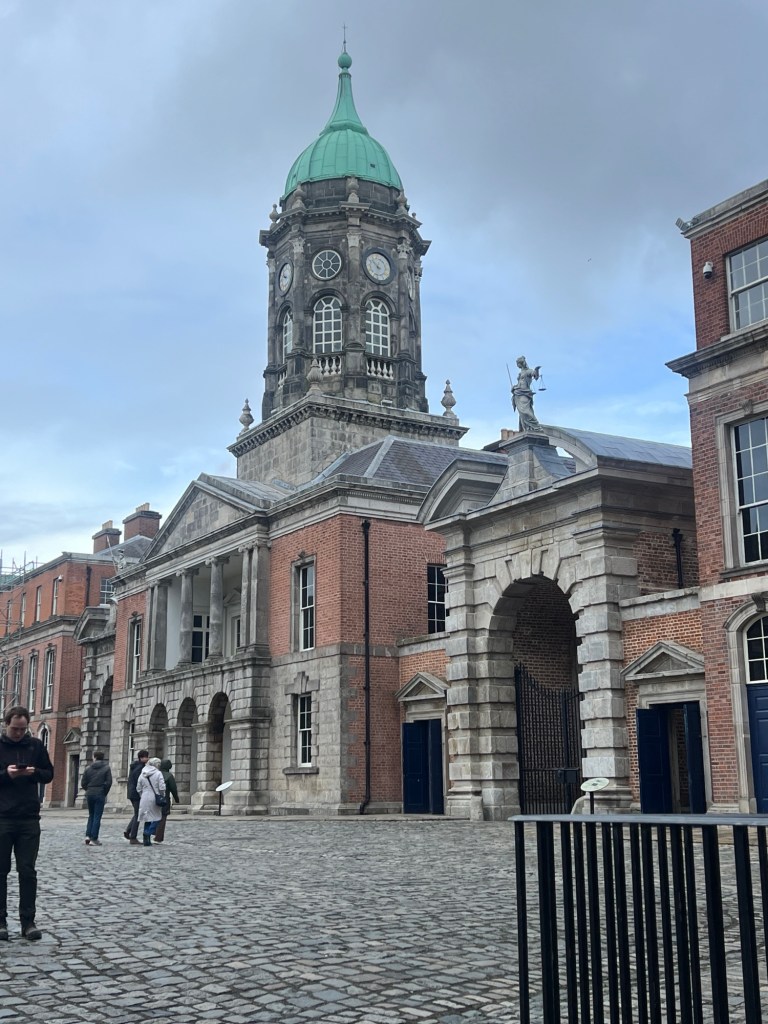
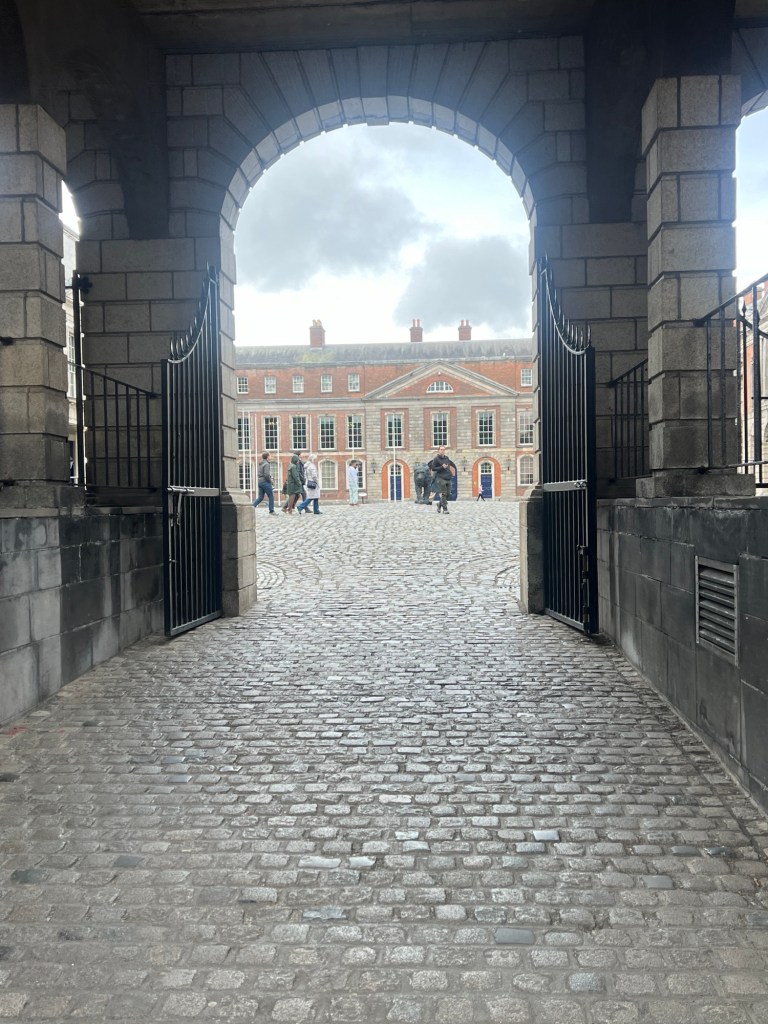
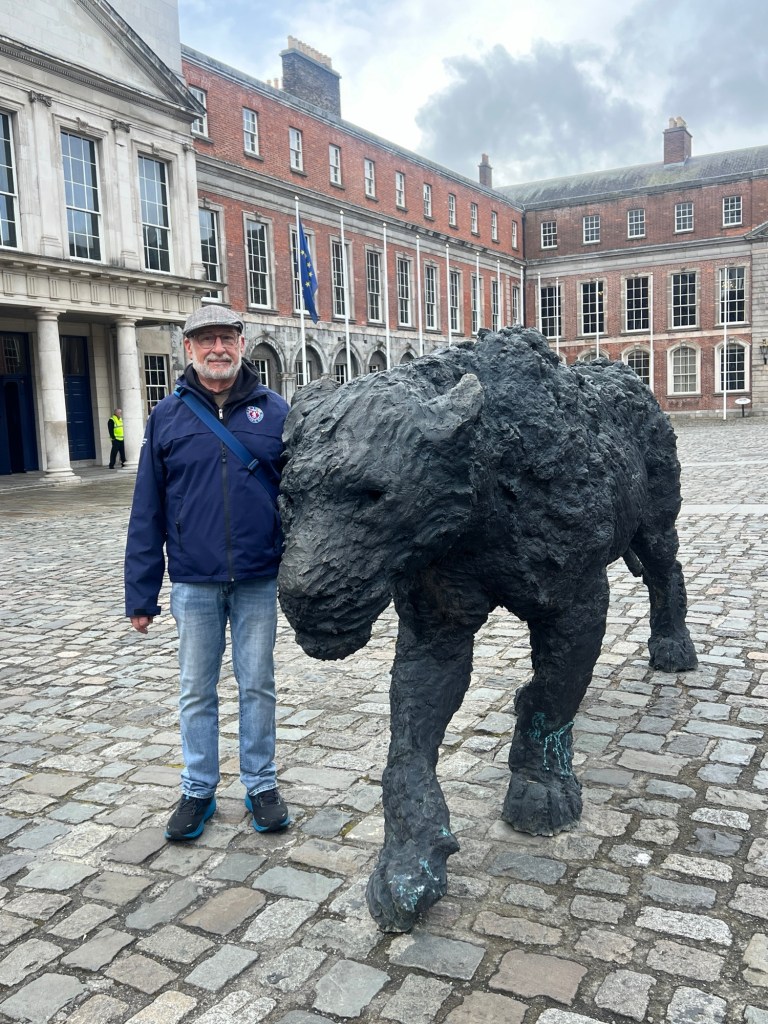
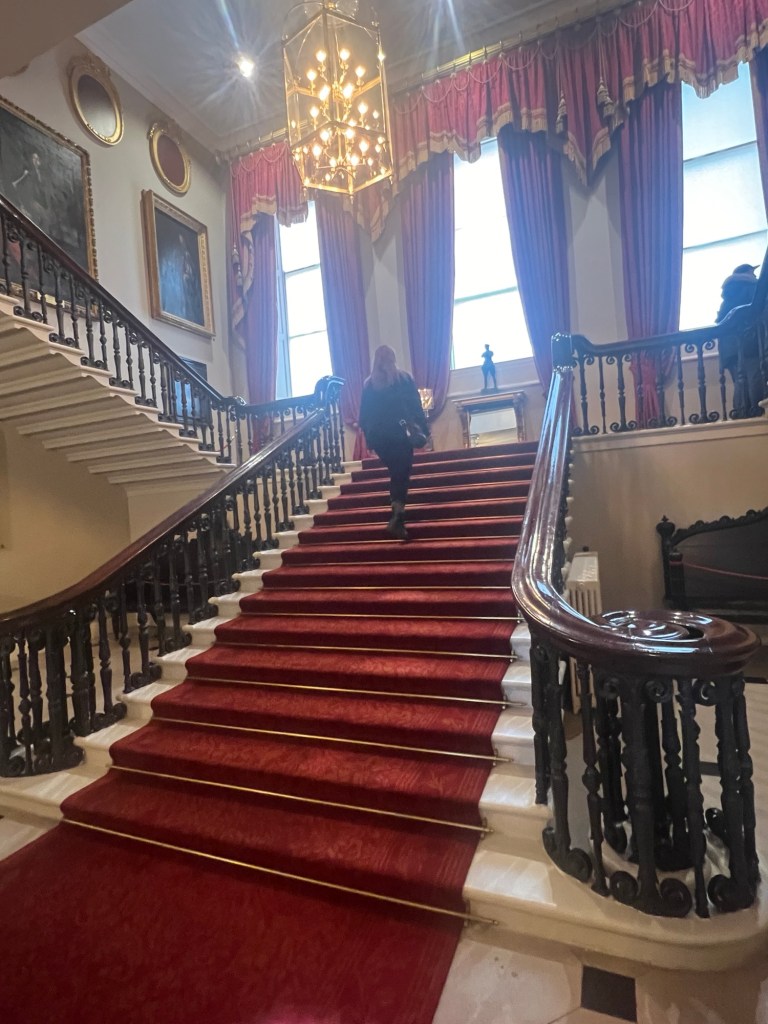
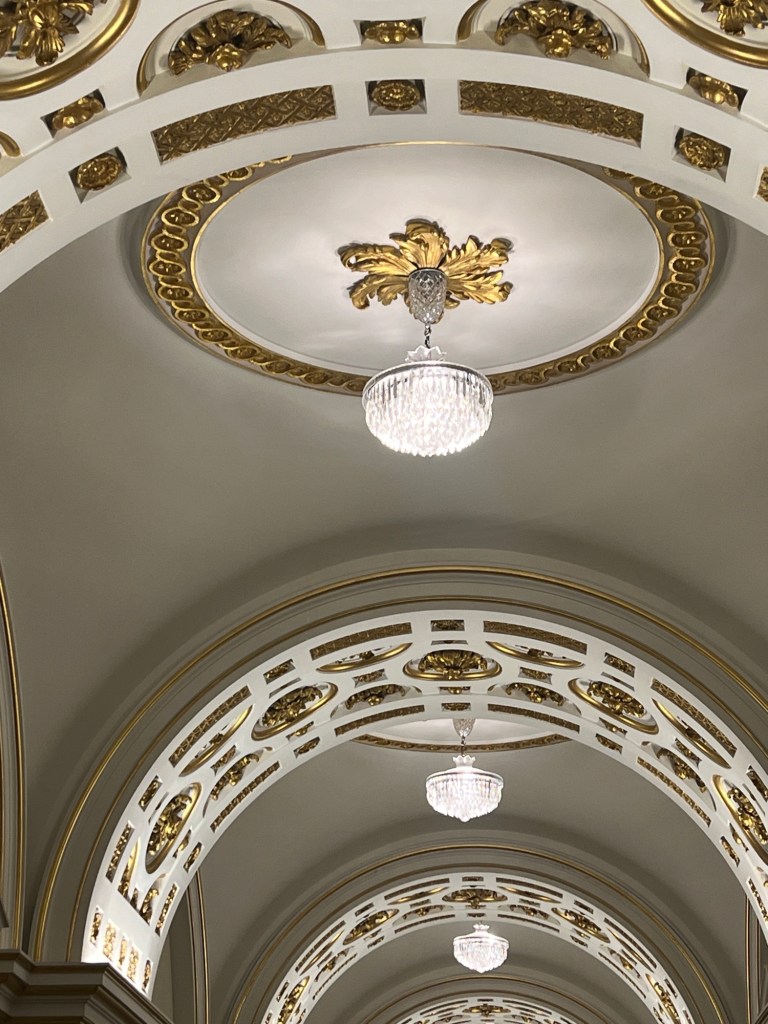
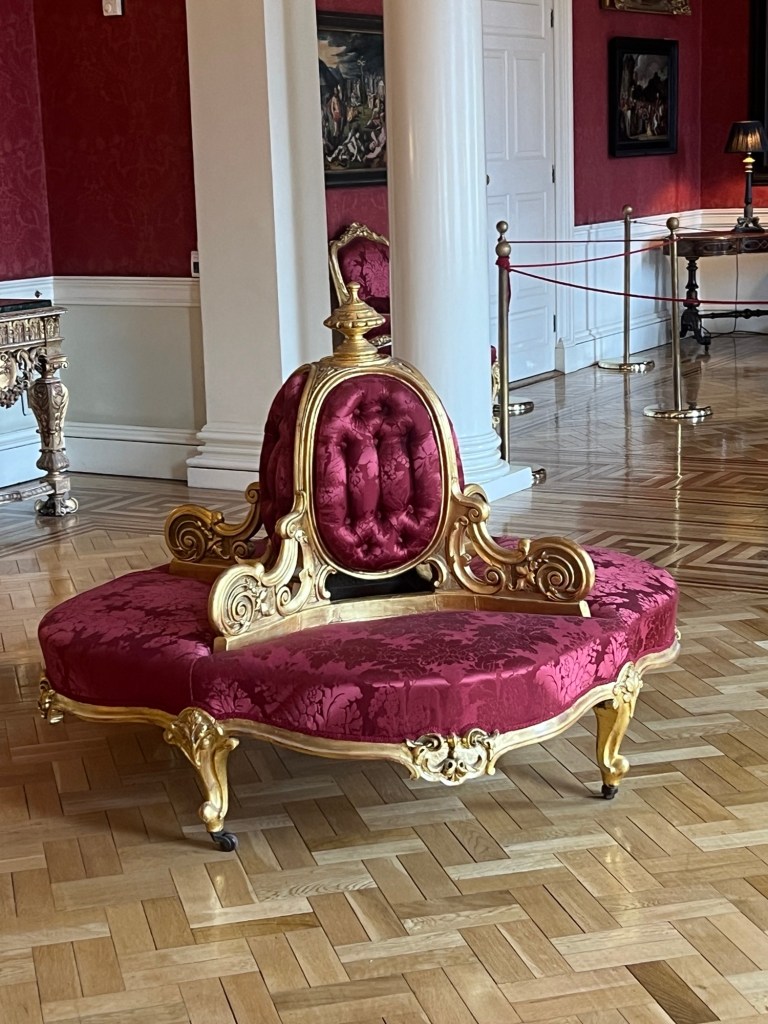
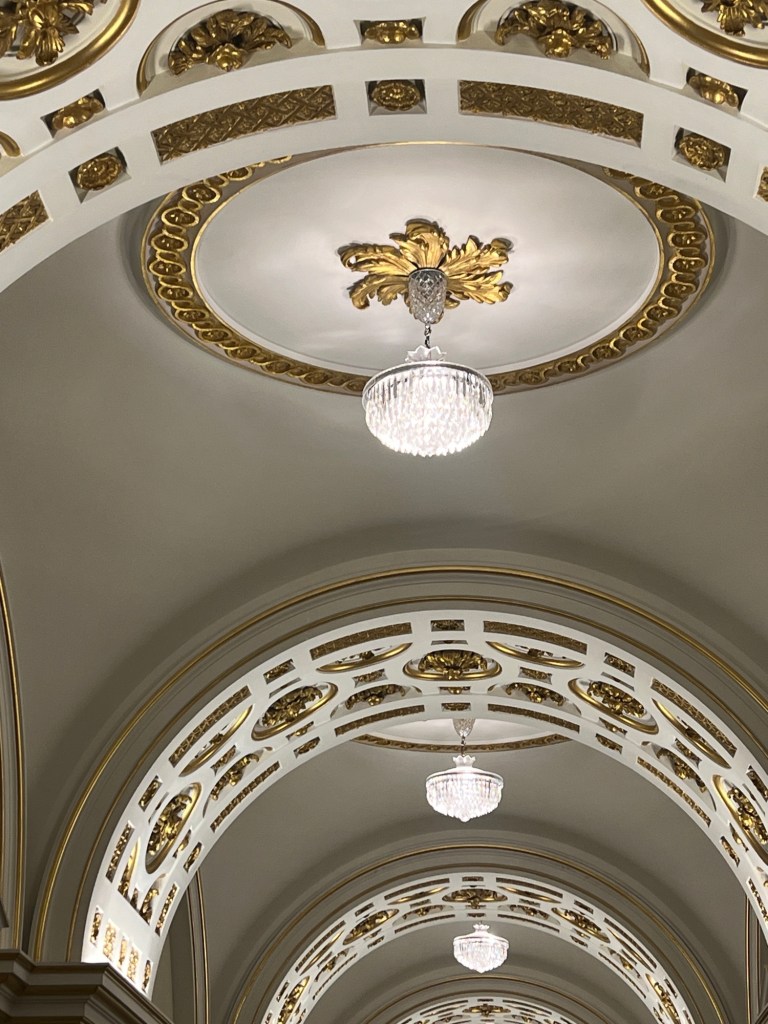
We bought the self tour option ticket and enjoyed the tour through the State Apartments. The Castle is one of the oldest monuments in Dublin. It was completed as a defensive fort in 1230 after the Norman invasion in 1169. I have a booklet of the History and Art Guide but didn’t really follow the booklet as we were too interested in seeing what was in each room. Here are some of the pictures of the rooms and the art.

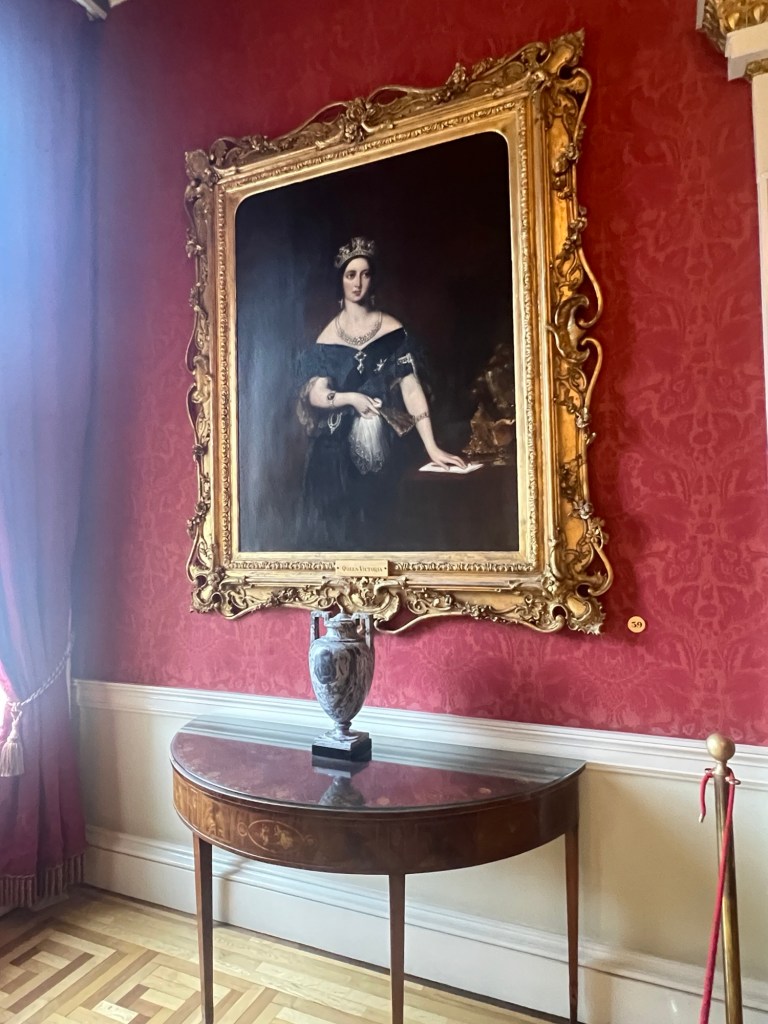
Queen Victoria
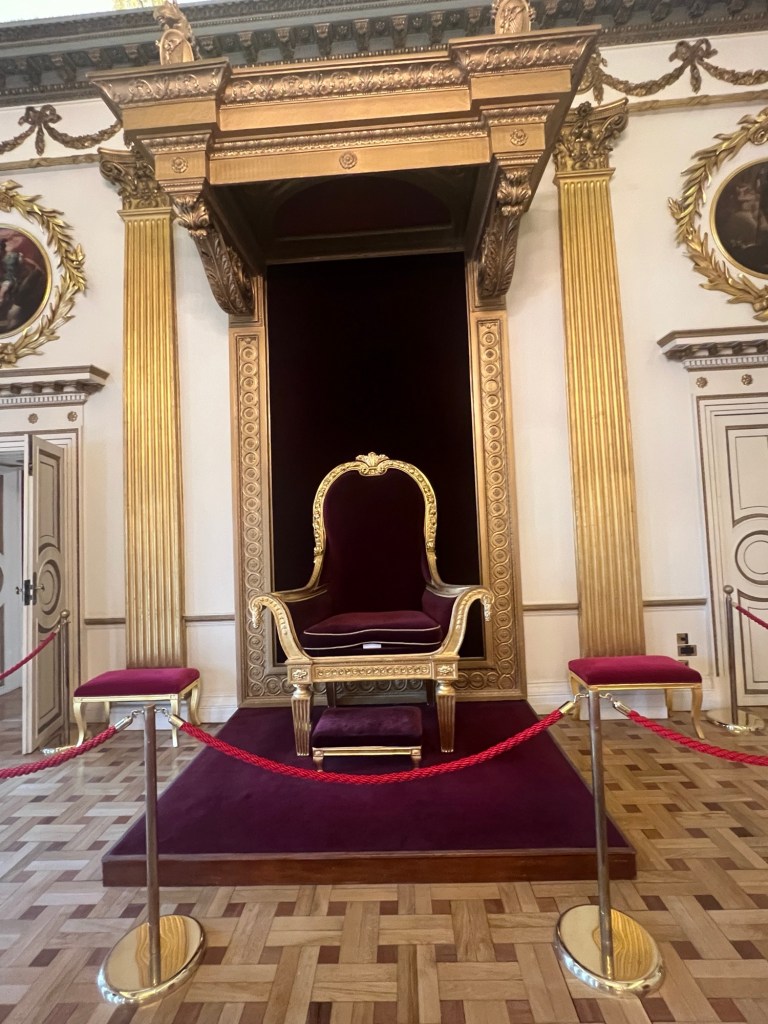
This room, St. Patrick’s Hall, is where the Irish presidents are inaugurated every 7 years
No one is allowed to sit on this throne
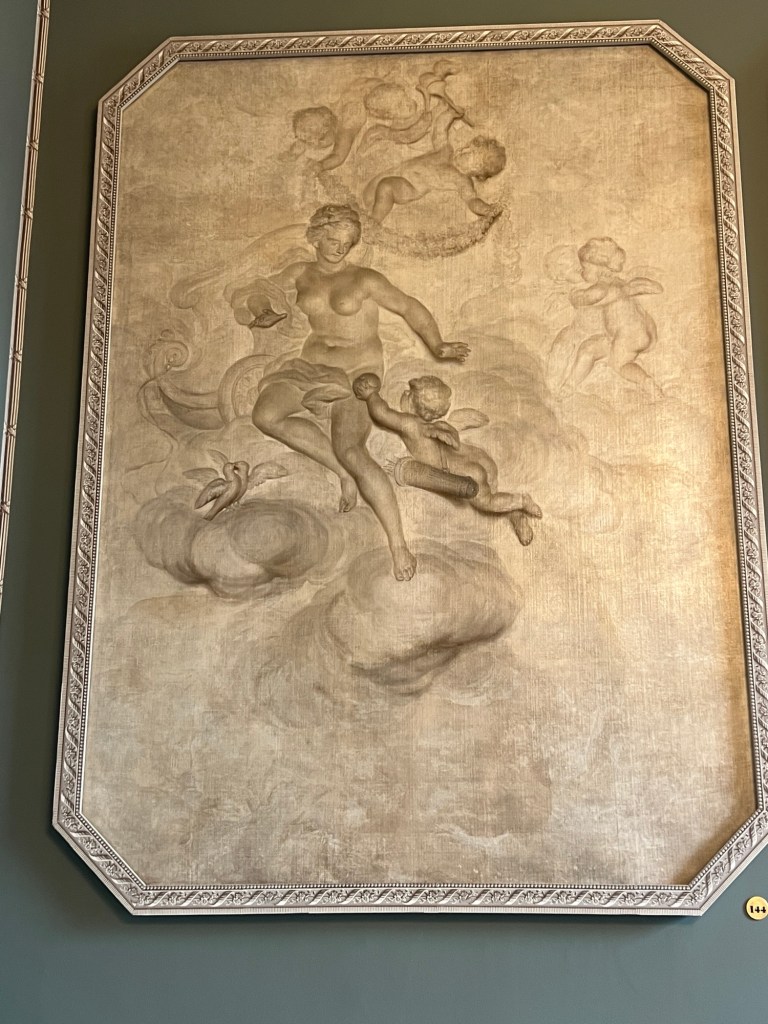
This style of art, which looks 3 D but is actually flat, is called grisaille. It is a type of monochromatic painting in which shades of grey are used to imitate sculpture.

Many dignitaries, including Nelson Mandela, have stayed in the Castle over the years and it is now used for special government functions.

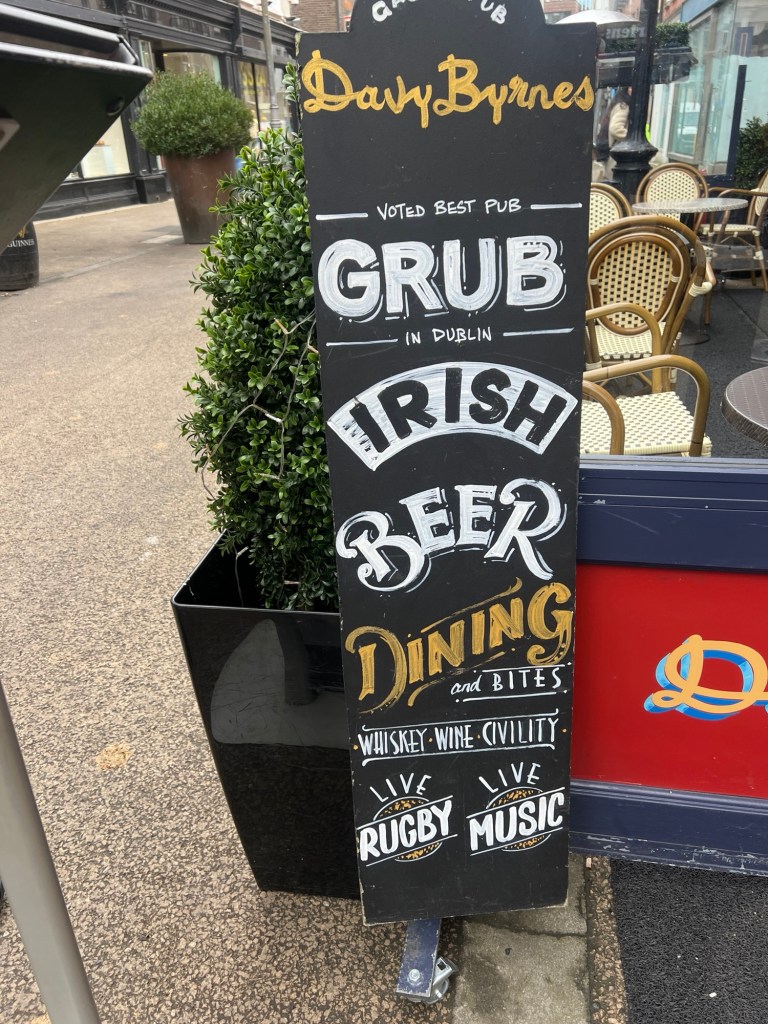
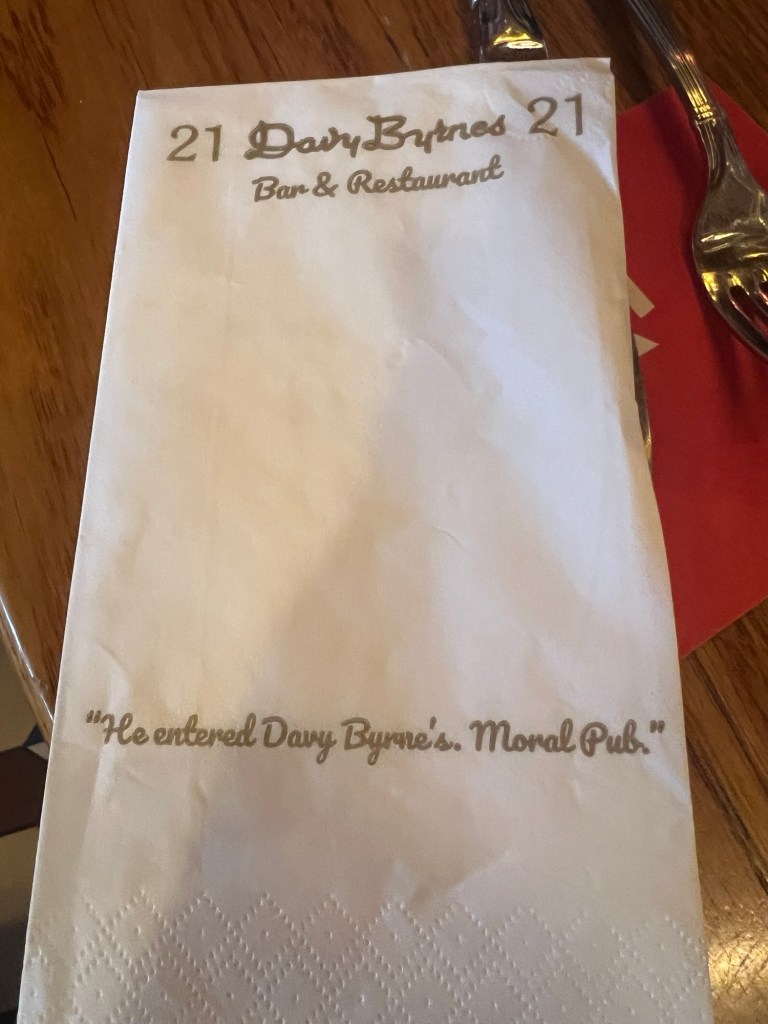
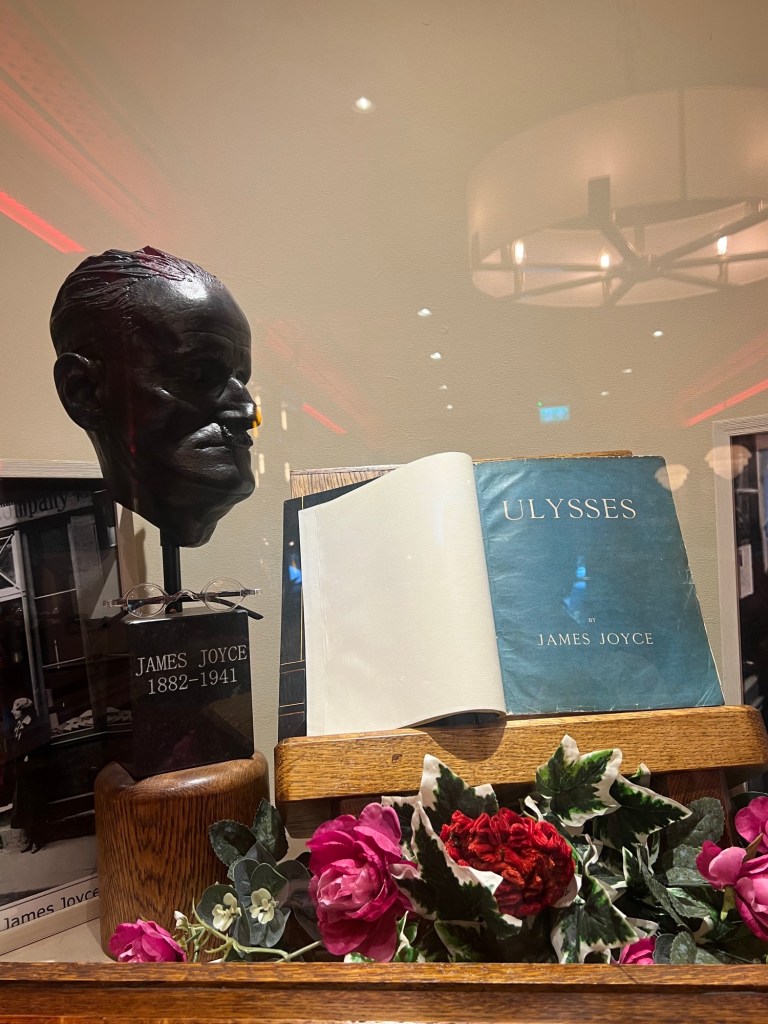
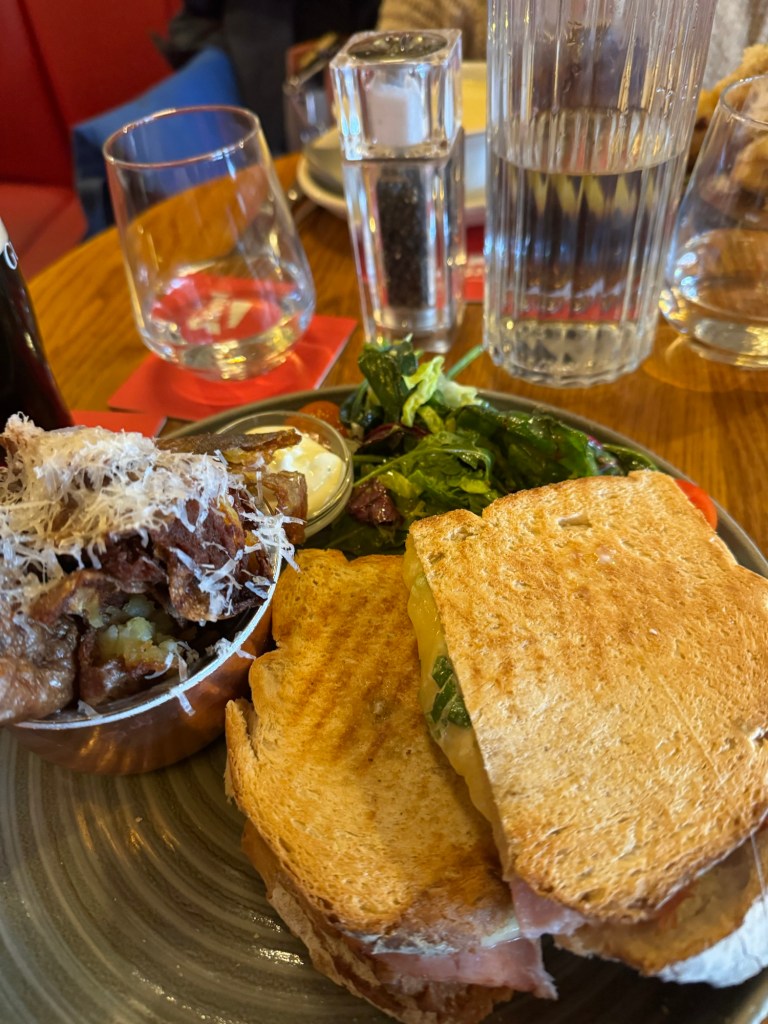
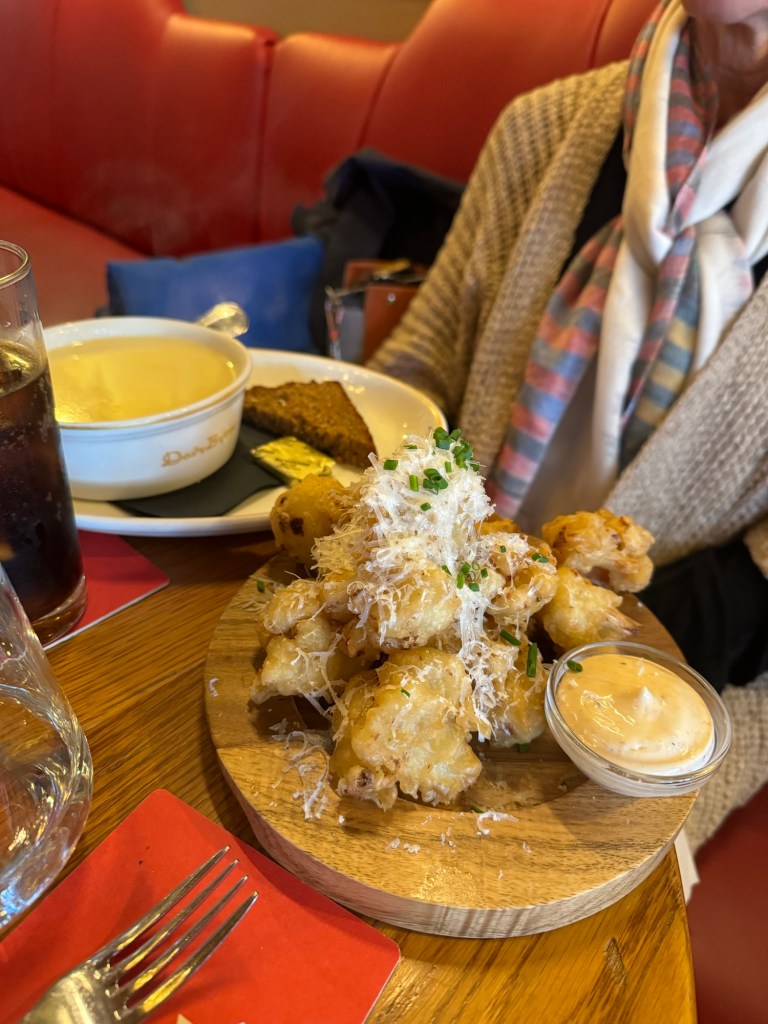
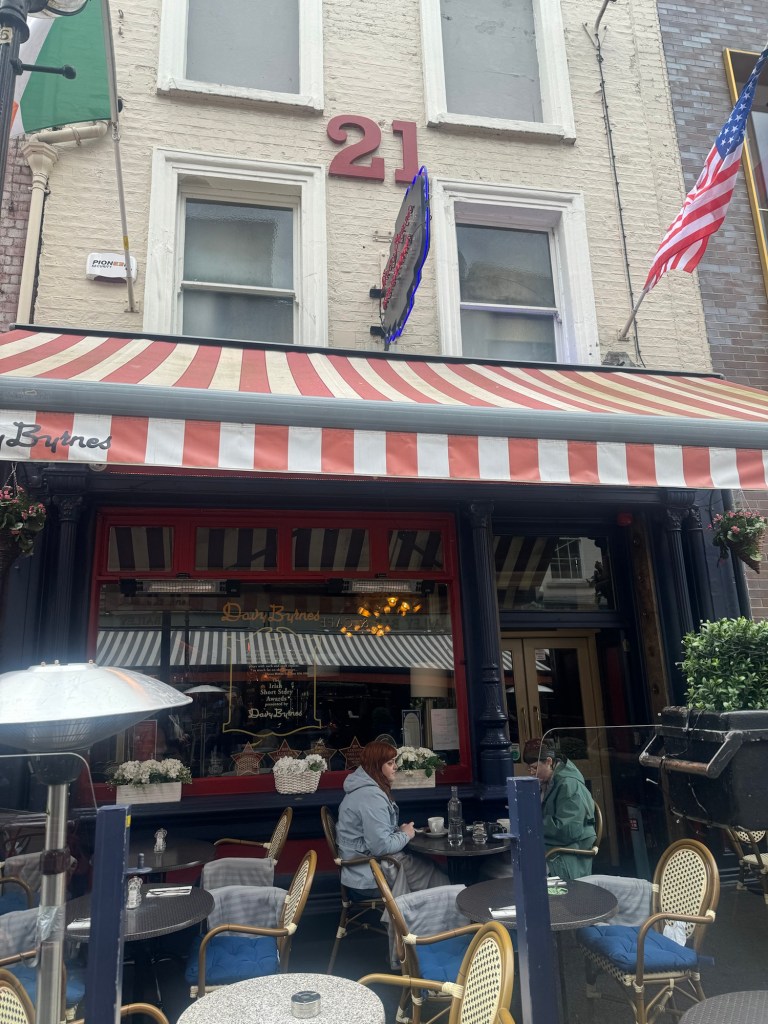
After our visit, we decided to have lunch in one of the places the woman who gave us the map and directions recommended, Davy Byrnes. It opened at 12 and we were the first customers. It is located on Duke Street in Dublin and has a rich history dating back to the late 19th century. It was established in the 1880s by a man named Davy Byrne and quickly became a popular meeting place for Dubliners, including writers, journalists, and artists. The pub gained literary fame when it was mentioned in James Joyce’s masterpiece, “Ulysses,” where the protagonist, Leopold Bloom, stops by for a gorgonzola cheese sandwich and a glass of burgundy. They sell this exact sandwich and wine today. We didn’t know the history when the place was recommended!

And one of the lines from the book is on the napkin!
There is a first edition of Ulysses behind bulletproof glass in the pub.
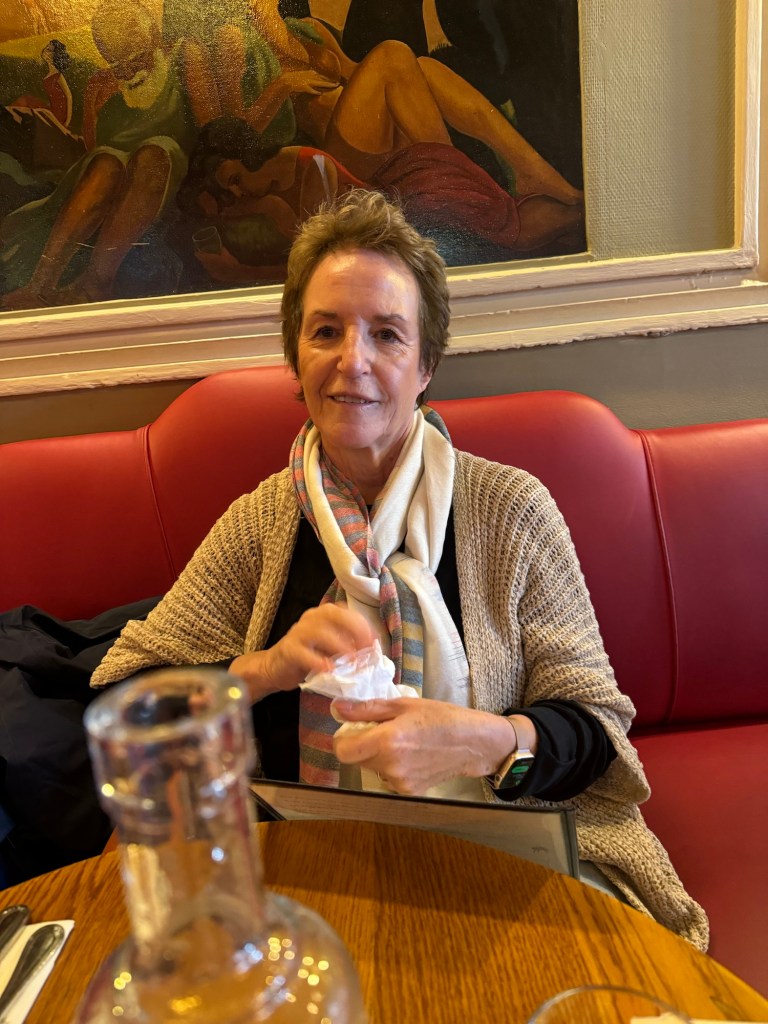
The food was amazing – way too much!

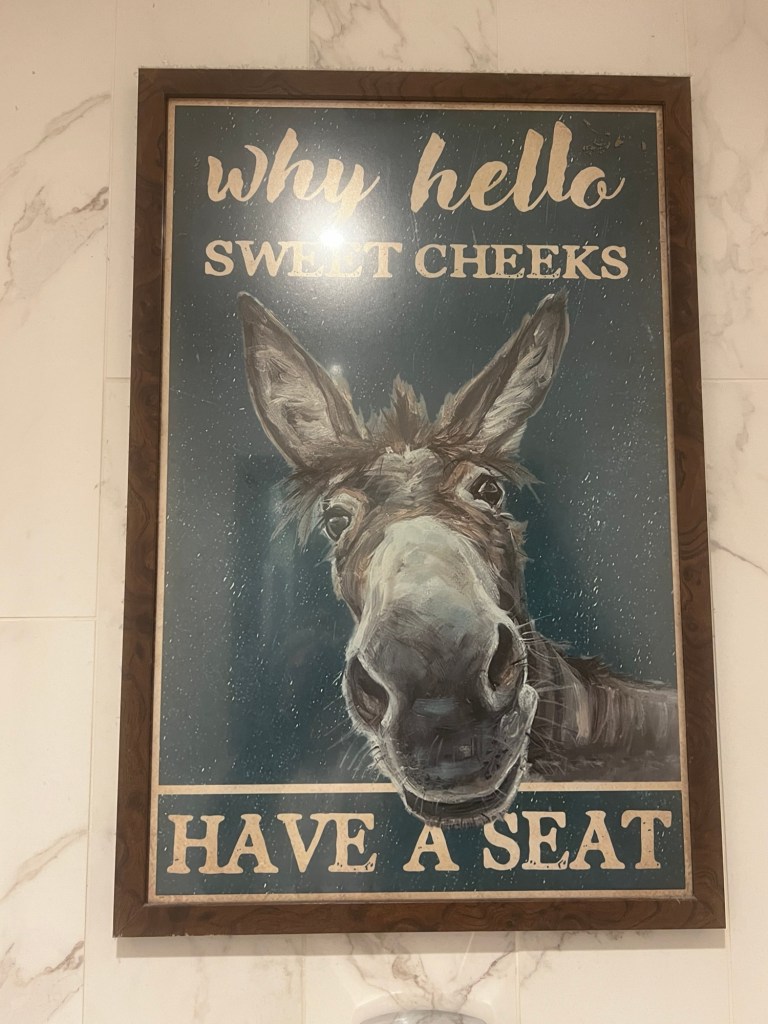
The place started to get busy and two other couples from the ship came in. We really enjoyed the lunch and also chatting about the history of the pub. I got a chuckle about this picture hanging above the toilet in the ladies room.

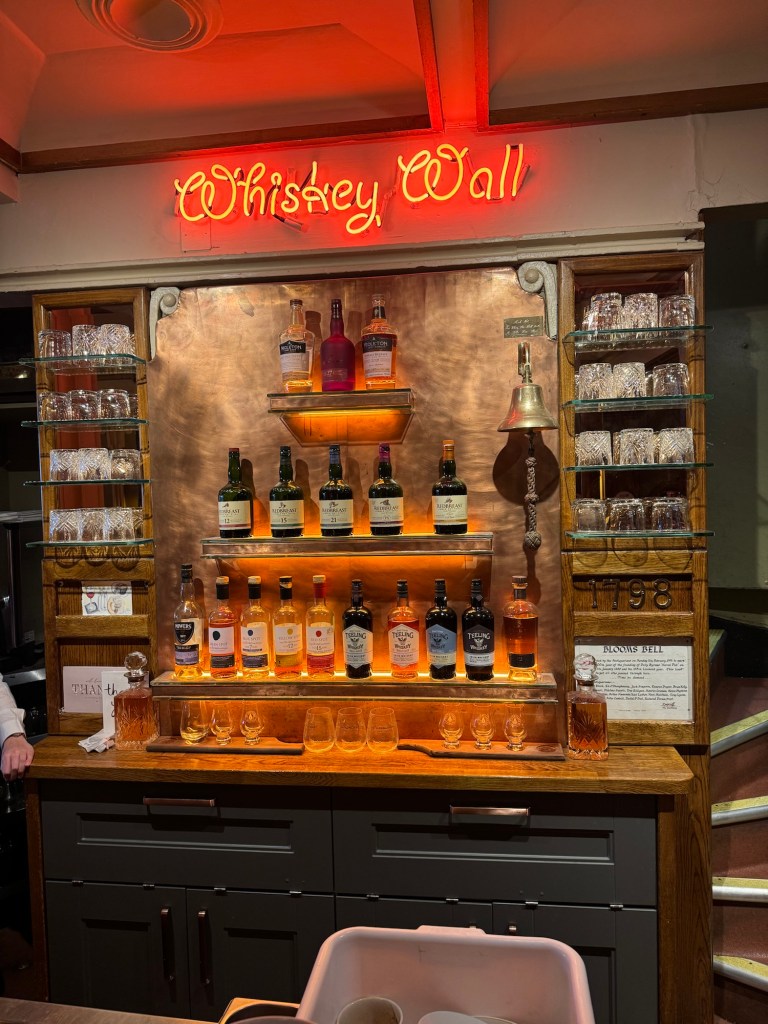
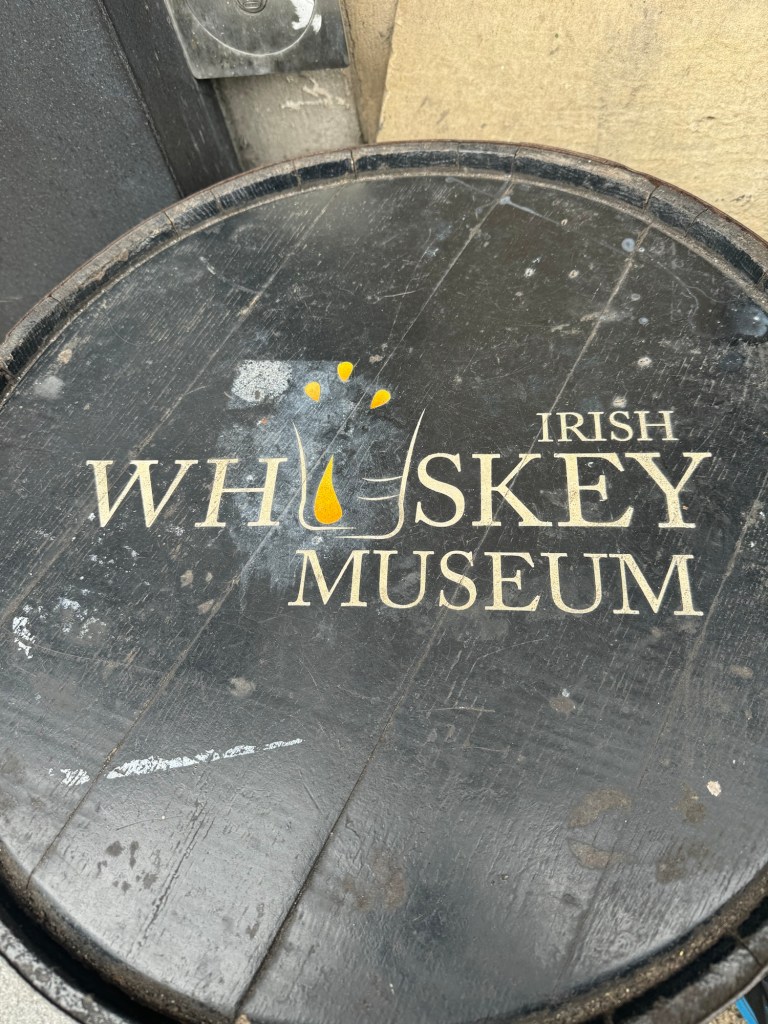
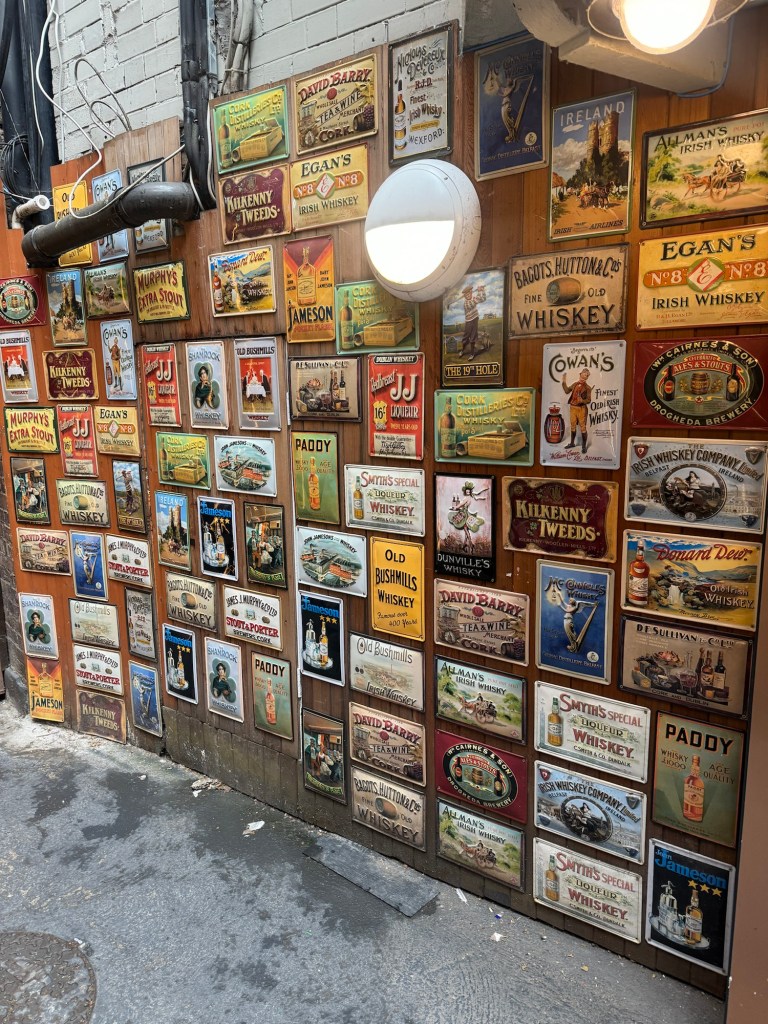
On the way to the National Gallery we passed the Whiskey Museum. We didn’t go in but got a few photos.

And a stop in the chocolate shop!

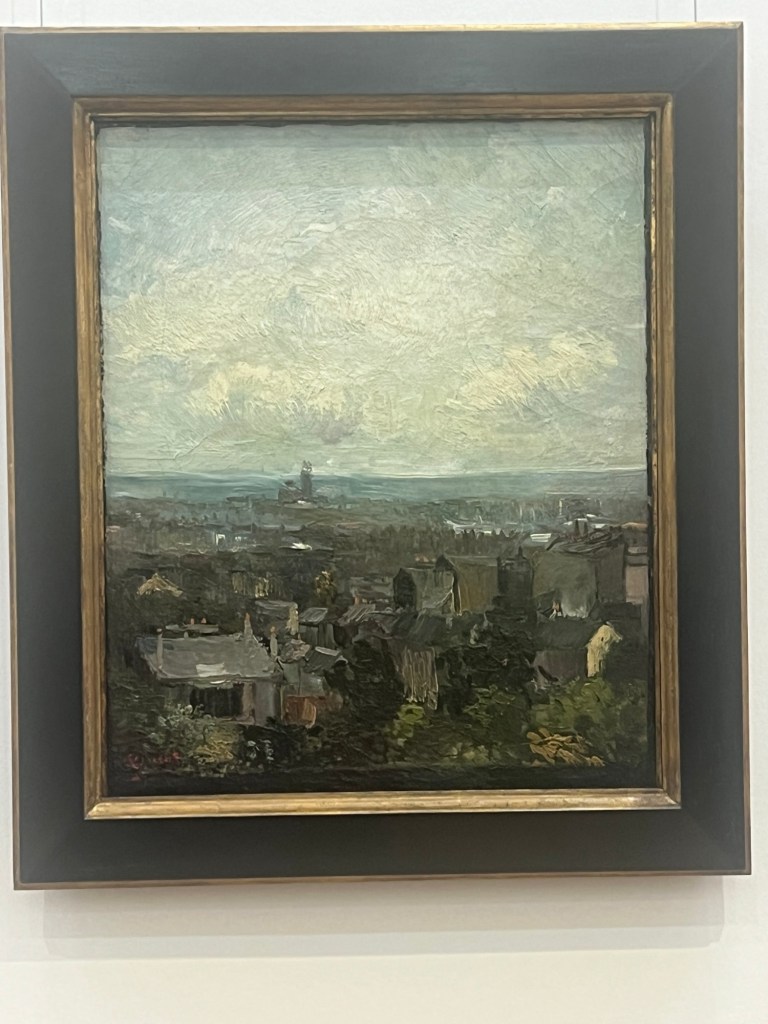
We then walked to the National Gallery of Ireland. It was established in 1854 and houses an extensive collection of Irish and European art spanning from the Middle Ages to the present day. The gallery’s collection includes works by renowned artists such as Caravaggio, Rembrandt, Vermeer, Monet, Picasso, and many others. One of its highlights is the extensive collection of Irish art, featuring works by prominent Irish artists like Jack B. Yeats and Sir William Orpen. And it is free to enter! We spent over 2 hours viewing the many works of art and never even saw the entire collection.

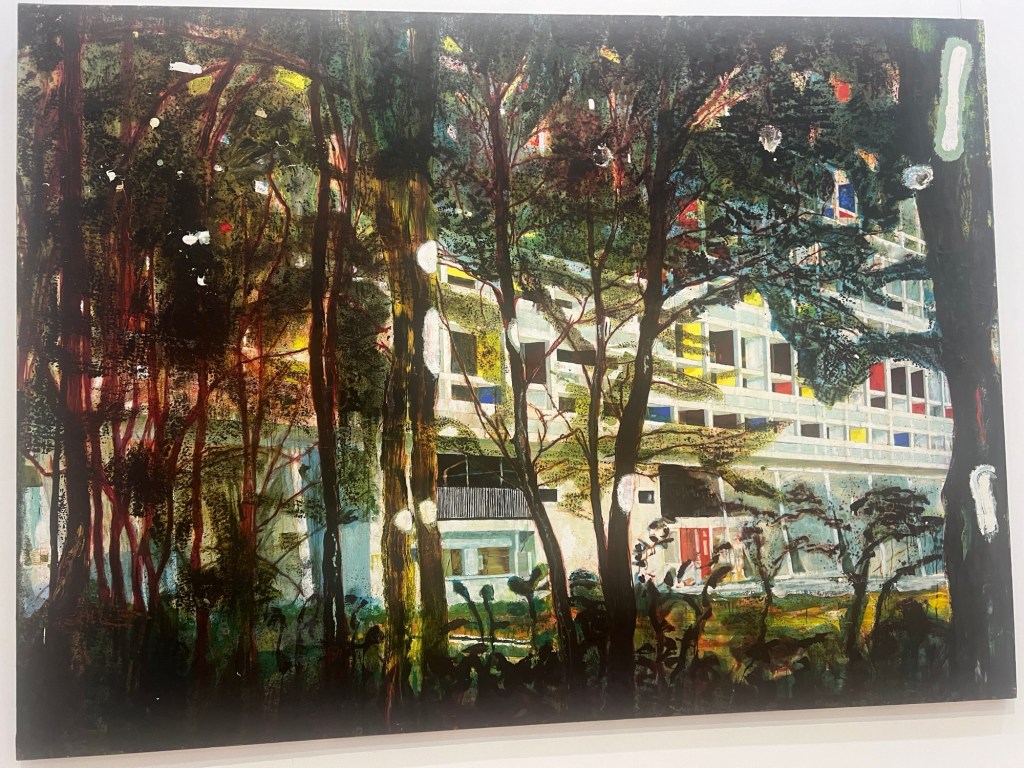
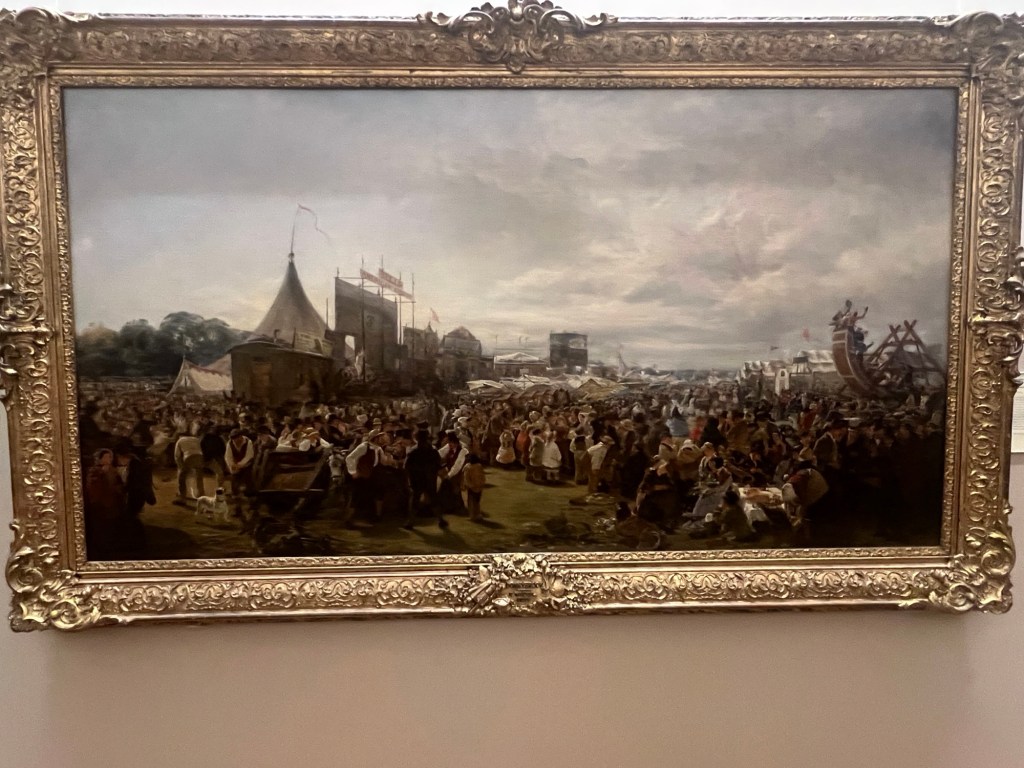
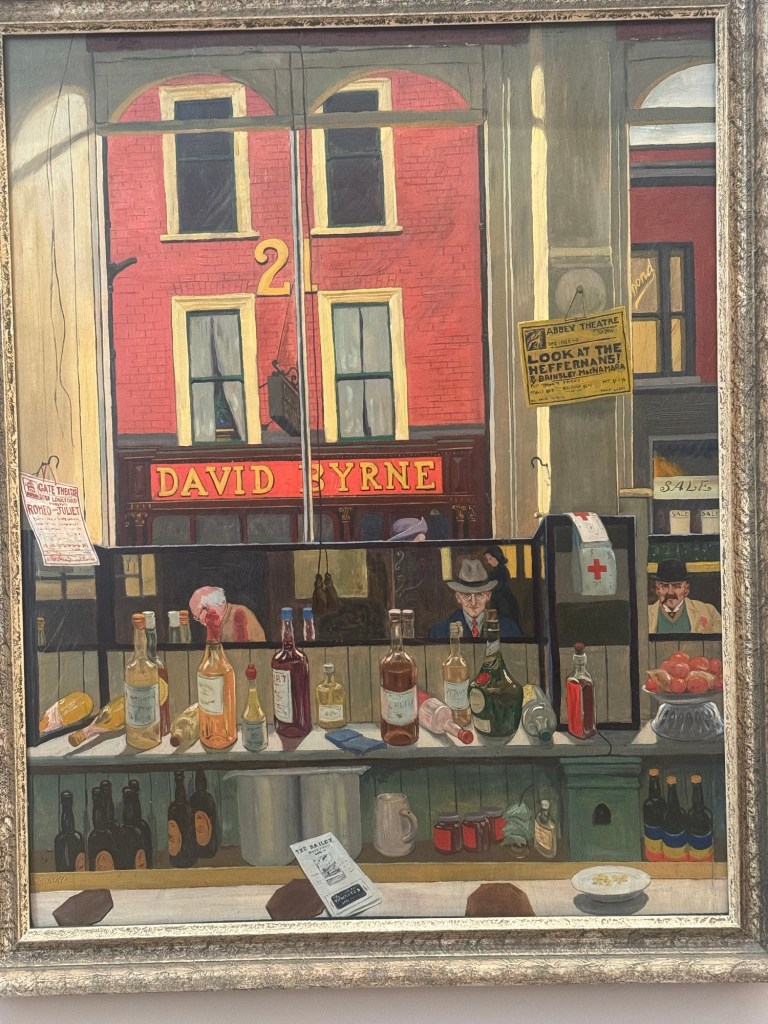
We saw a painting in the gallery of the Davy Byrne’s pub!

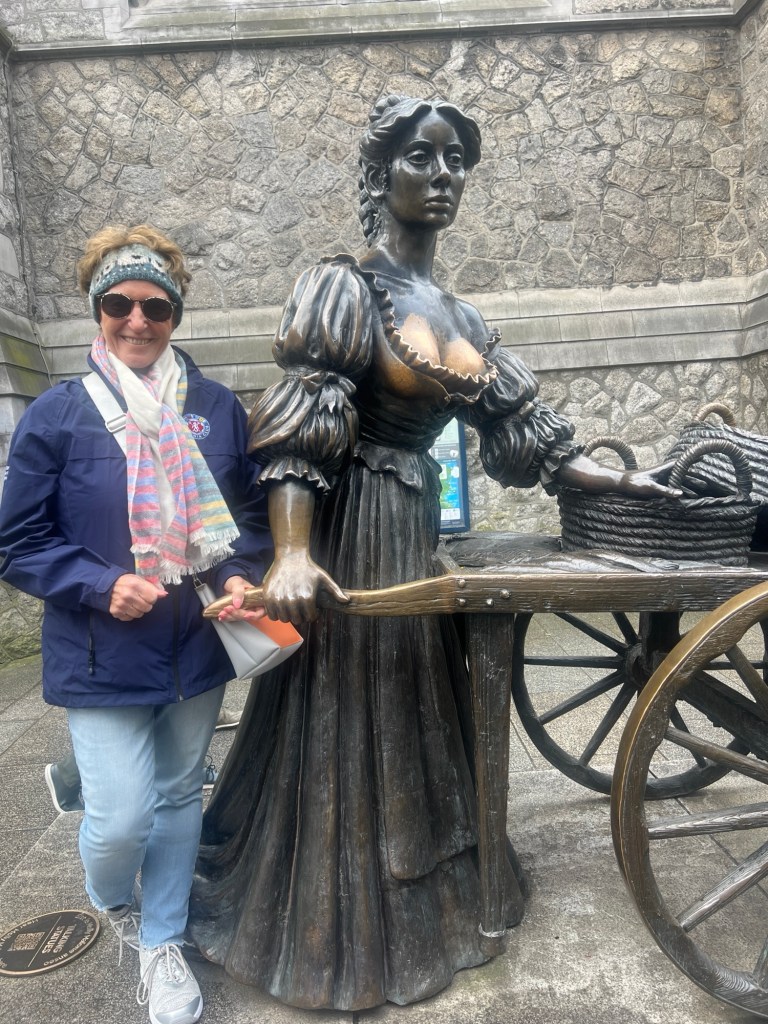
Me and Molly Malone!I guess the guys grab her breasts.
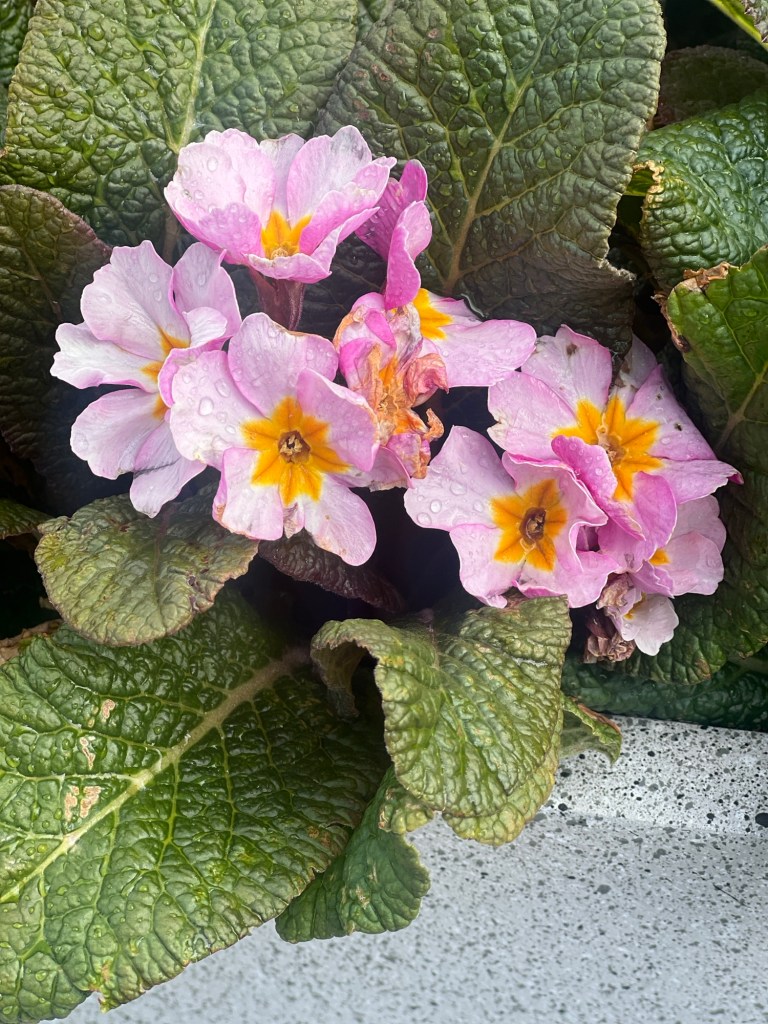
Beautiful flowers
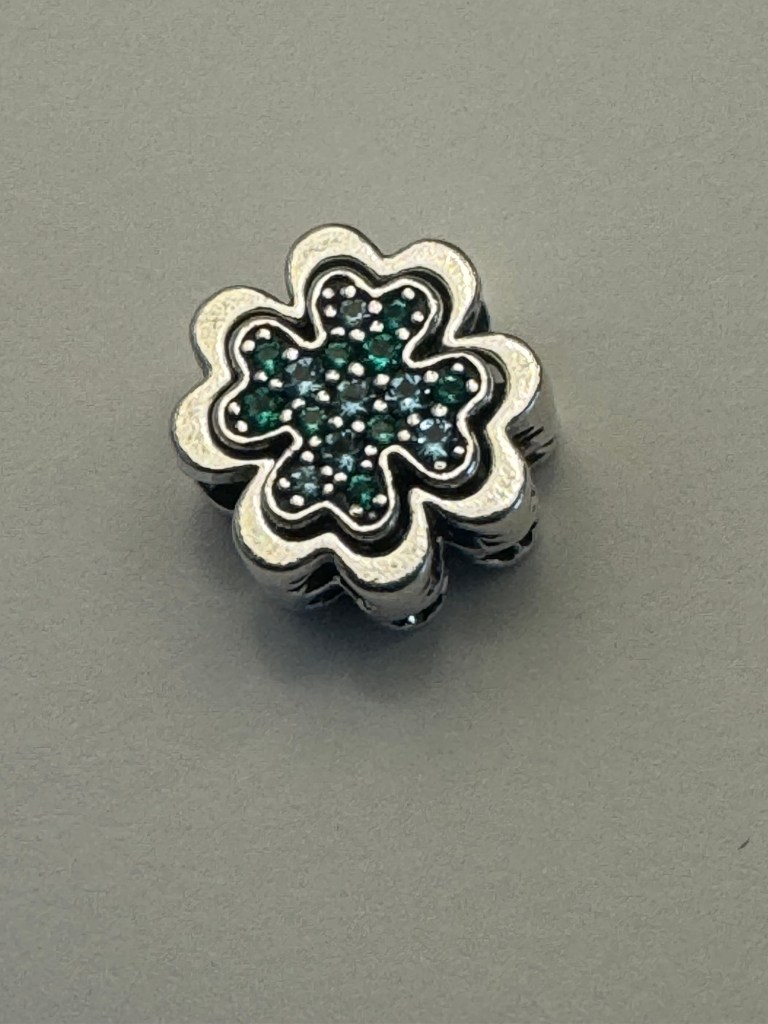
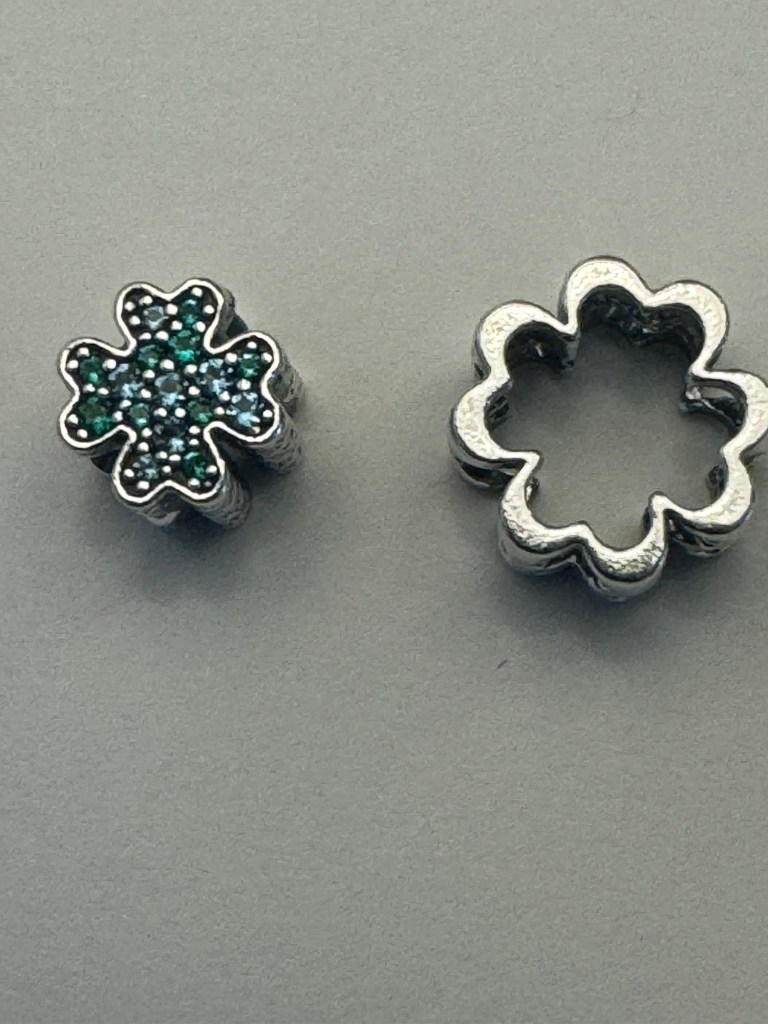
An addition to my Pandora bracelet, the charm can be together or apart.

We were quite tired after this full day of walking and exploring the parts of Dublin that we hadn’t seen before. And we got through the day without a downpour. Tomorrow we head to Holyhead in Wales.

Posted in April, Europe, Food, Spring 2024 | Leave a comment

Belfast, Ireland

April 28, 2014

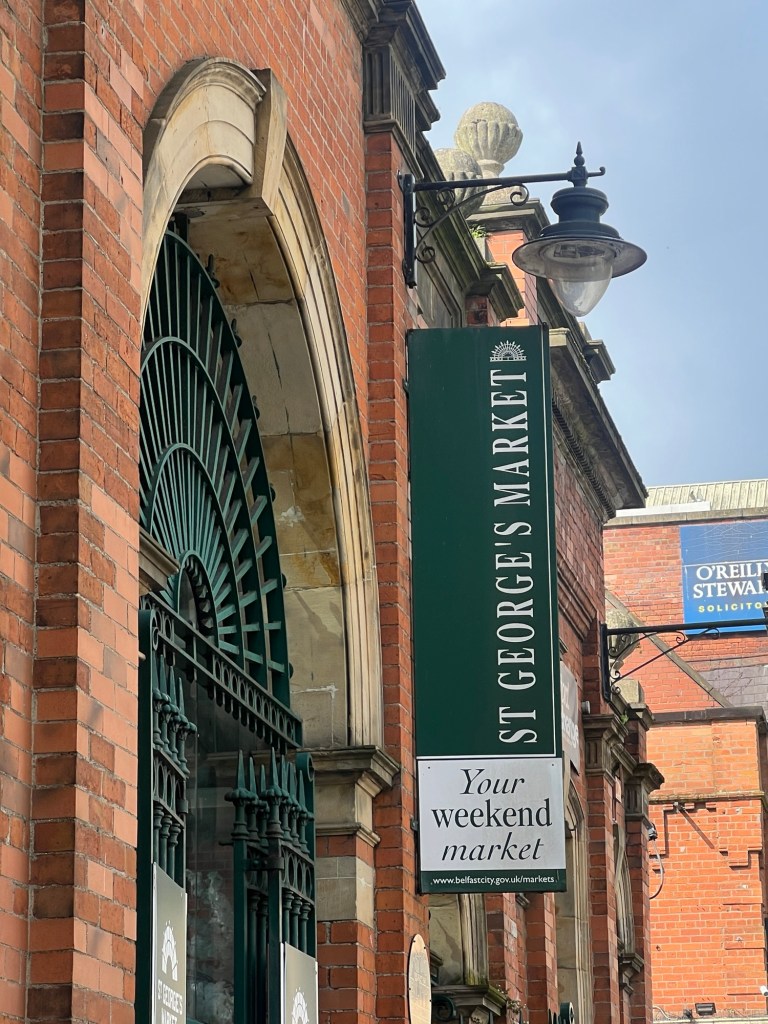
This is our third visit to Belfast. One of the benefits of writing a blog is that I can look up what we did last time! This time we booked a tour outside of the city to Ards Peninsula and Grey Abbey. The tour was scheduled for 1:20 PM so in the morning we took the shuttle bus to town. Since it is Sunday, the shops would mostly be closed or open later in the day but our destination of the St. George’s Market will open at 10 AM. We really wanted to meet an artist that we purchased an item from for Mark and Ramsay’s wedding in 2019. And we just love that market in general.

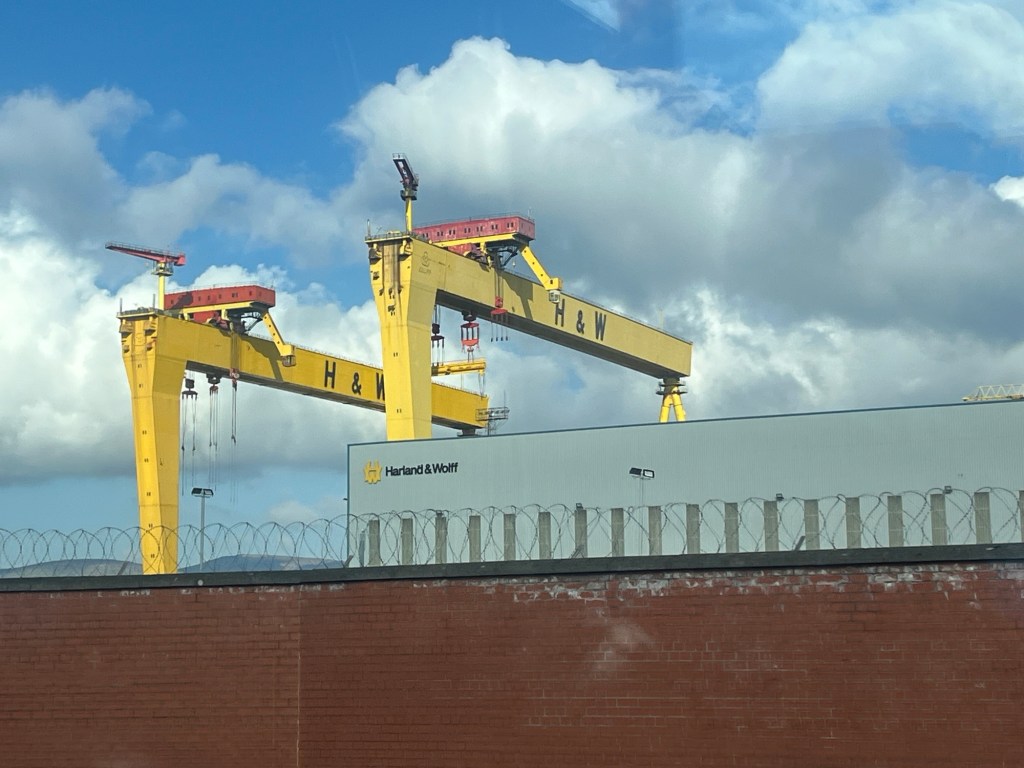
We got the shuttle at 9. We passed the giant blades for the wind turbines that are ready to be shipped out to be installed in the North Sea.

This is the company that built the Titanic, Harland and Wolff. It was built here in Belfast and there are lots of references to it and a great Titanic Museum that we visited on a previous visit.

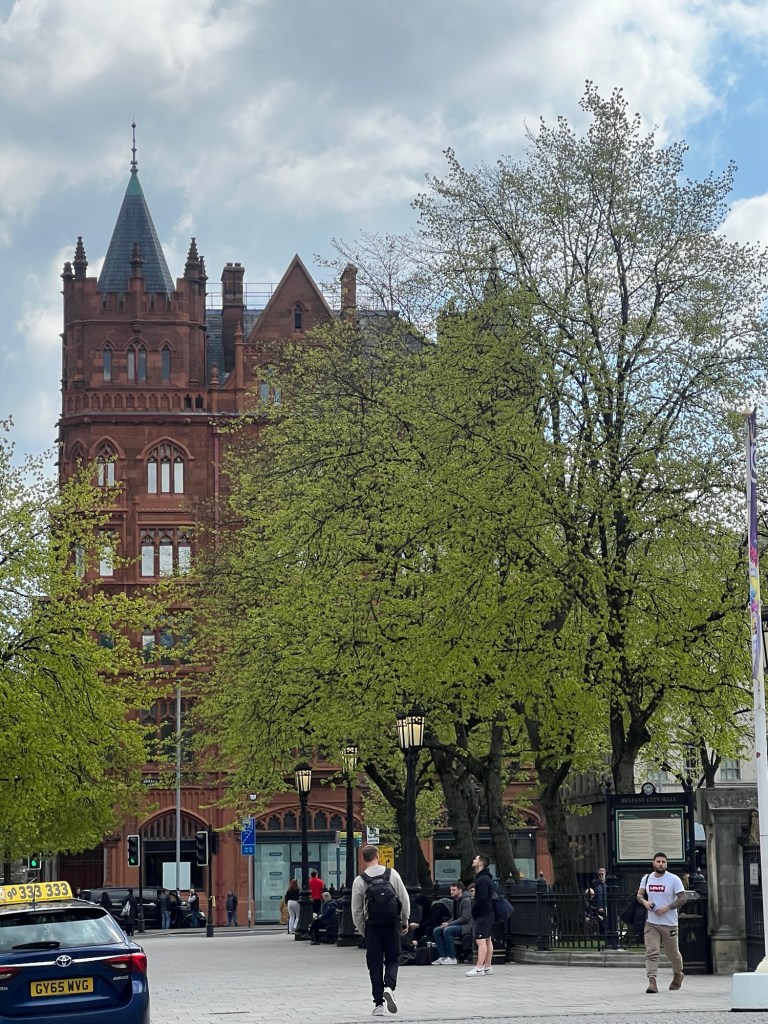
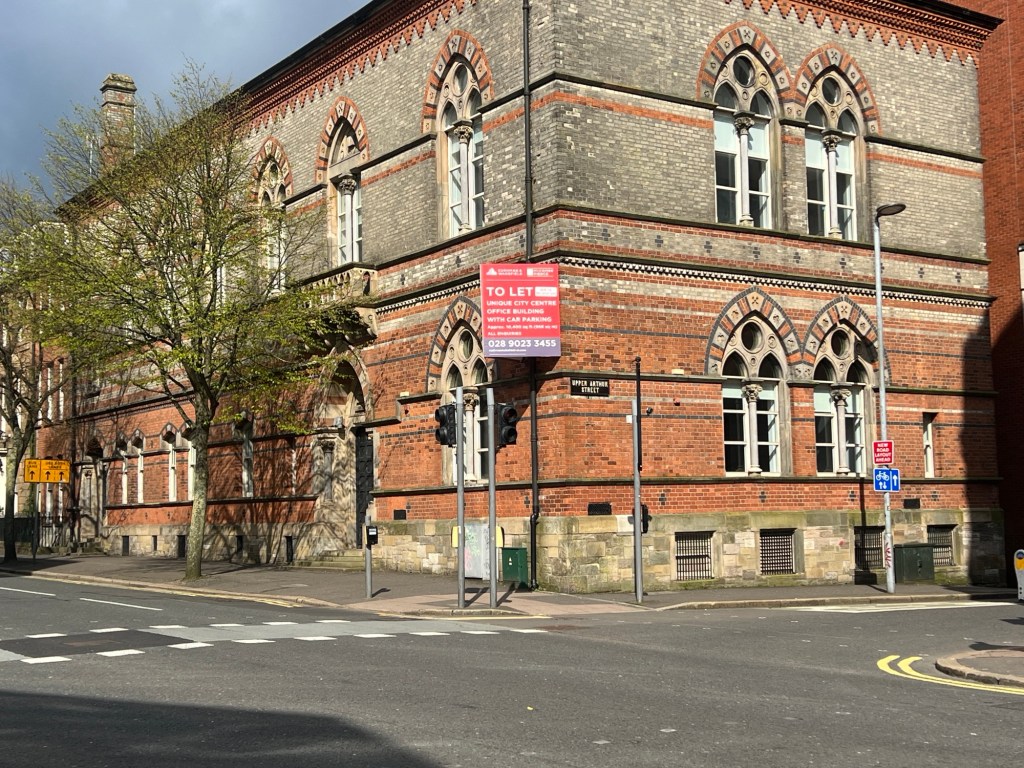
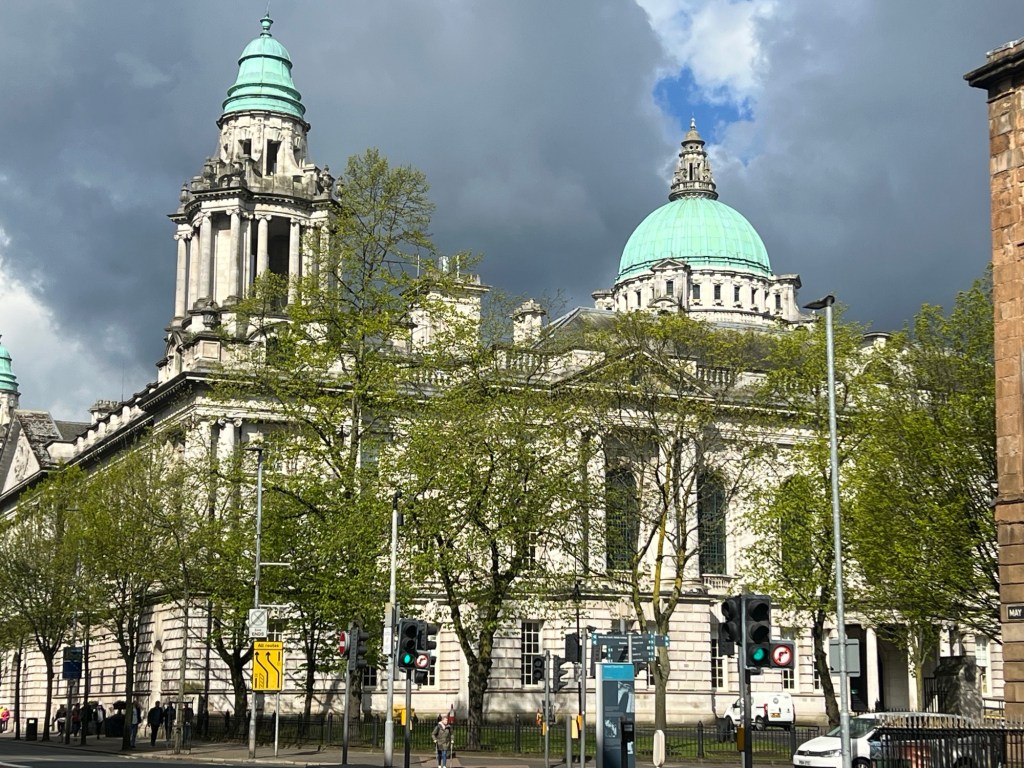
We walked around the city before heading to the market.

Queen Victoria outside City Hall

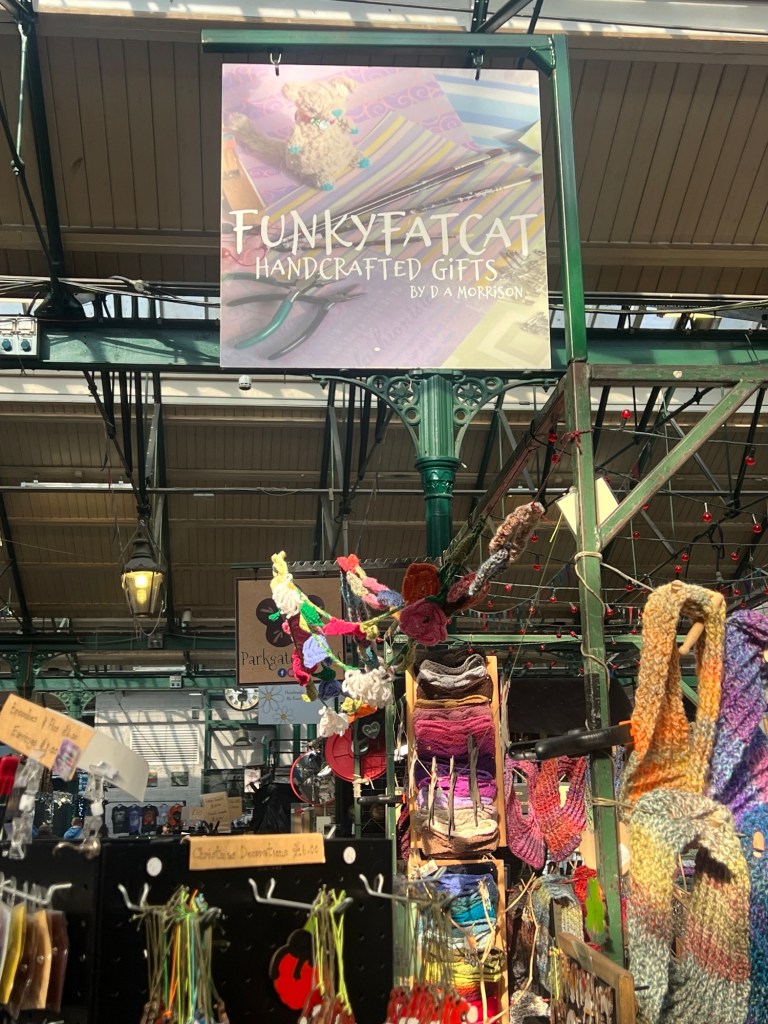
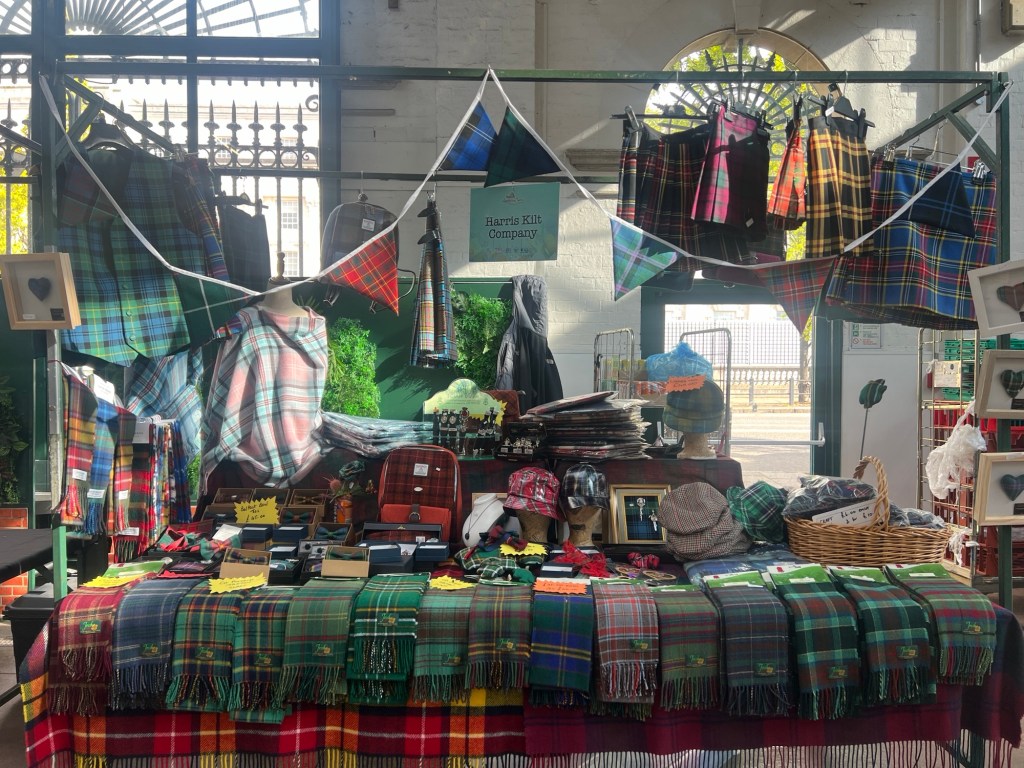
We got to the market before the opening at 10 but the food and coffee places were already open. We walked through and didn’t see the vendor we were looking for. We stopped for great coffee and then went through when everything was open.

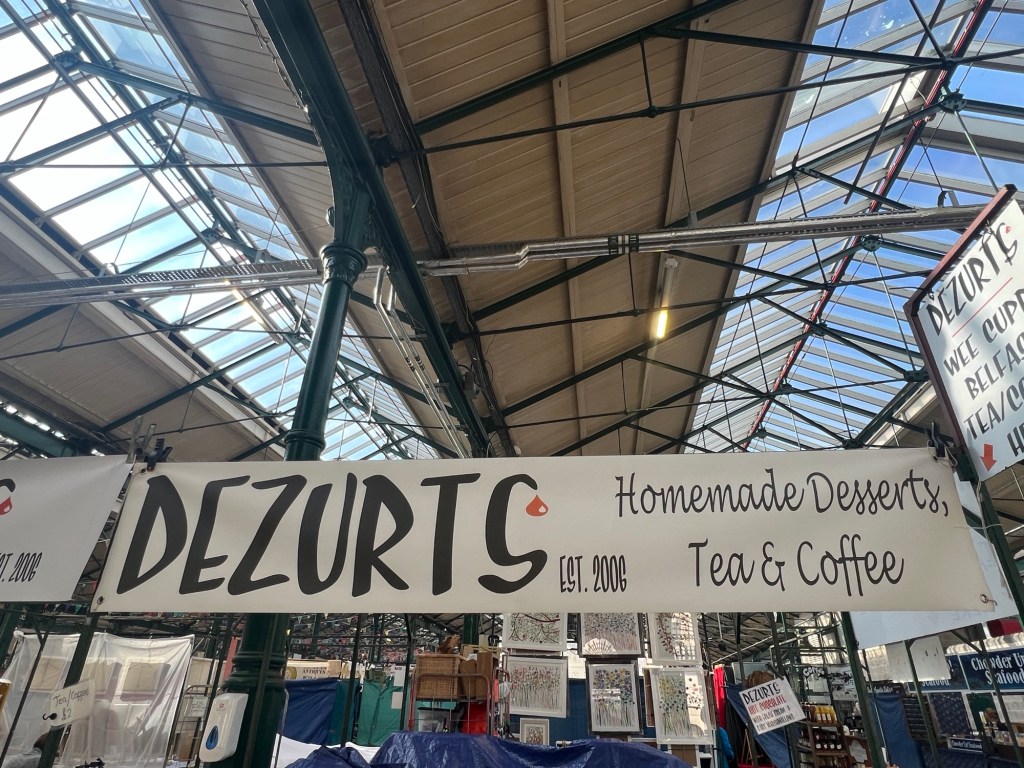
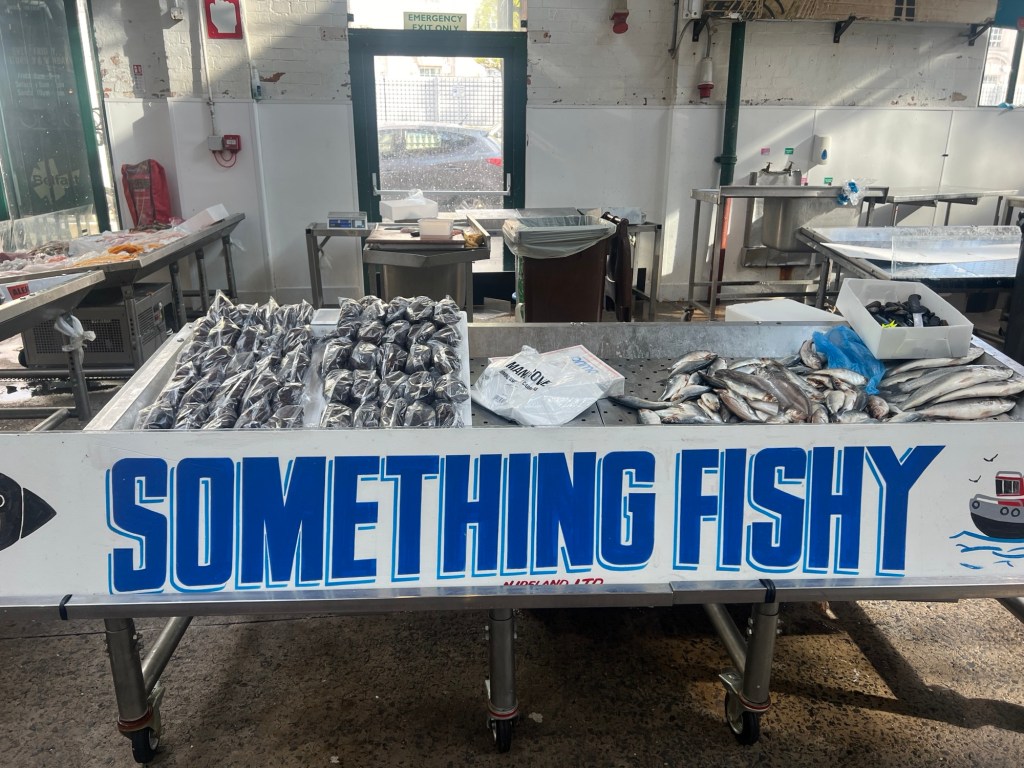
Some of the vendor names are very clever.

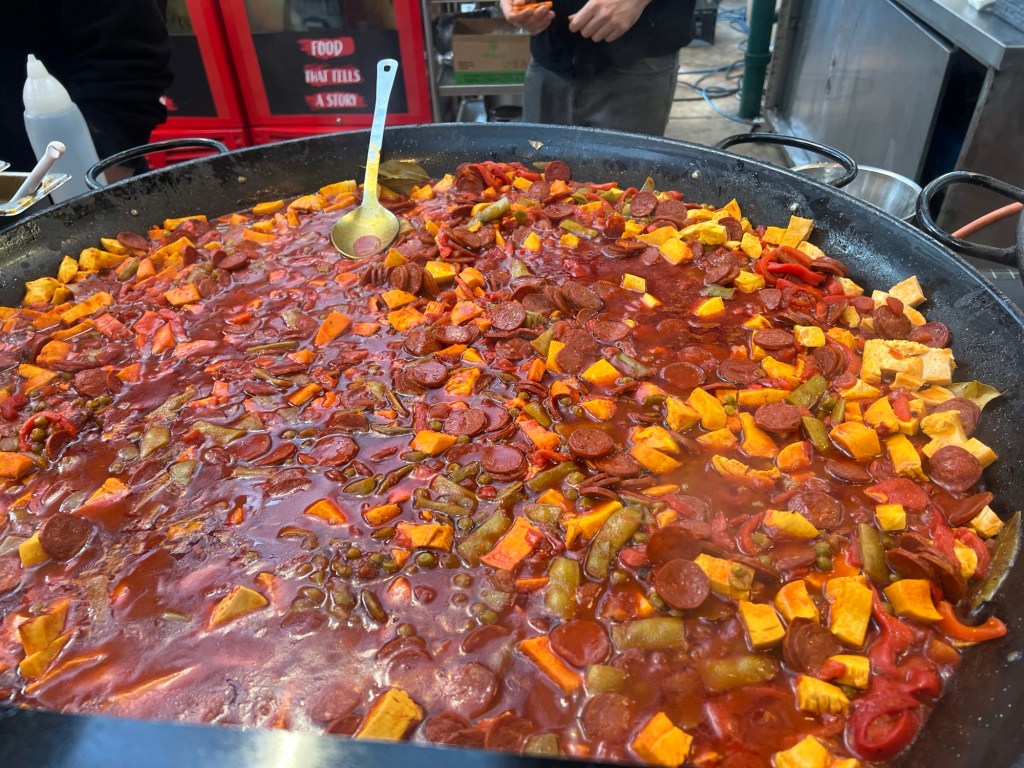
And the food looks delicious!
Amazing paella
Interesting clock

There is a wide variety of food, antiques and other merchandise here. You can spend a lot of time.

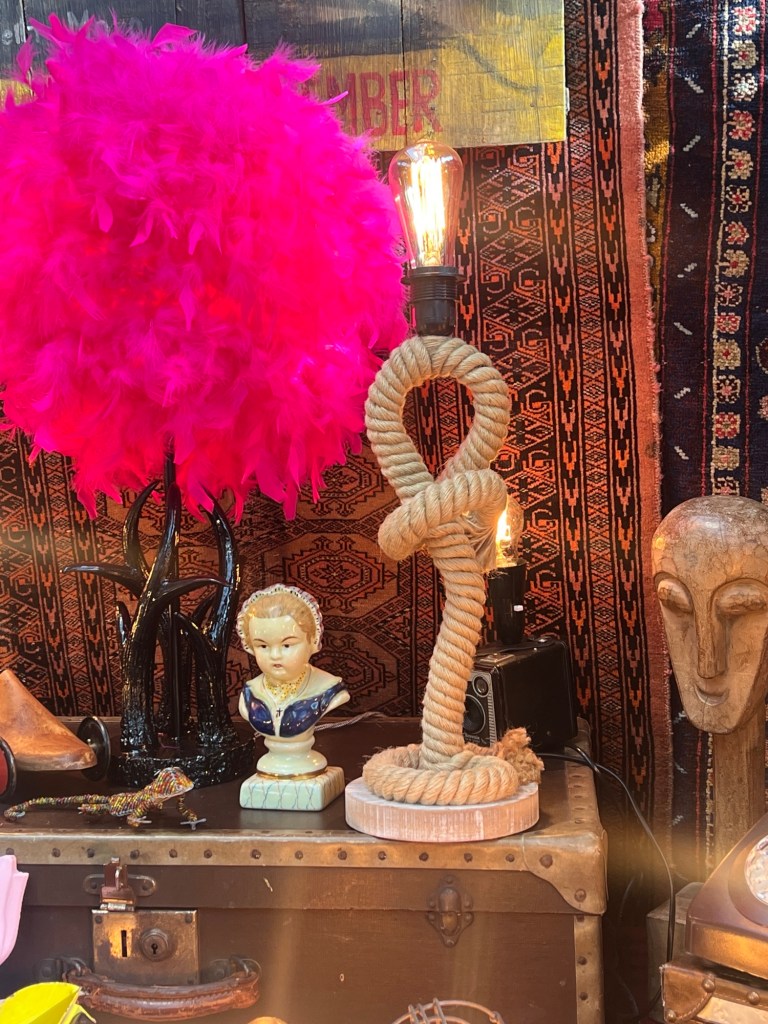
Look at these unusual lamps!

I bought a ring and earrings from one of the vendors and asked about the one I particularly wanted to see again. She knows her well, and promised to give her our regards. She only comes every two weeks since she now has two children. And sadly this was her off week.

My ring and earrings

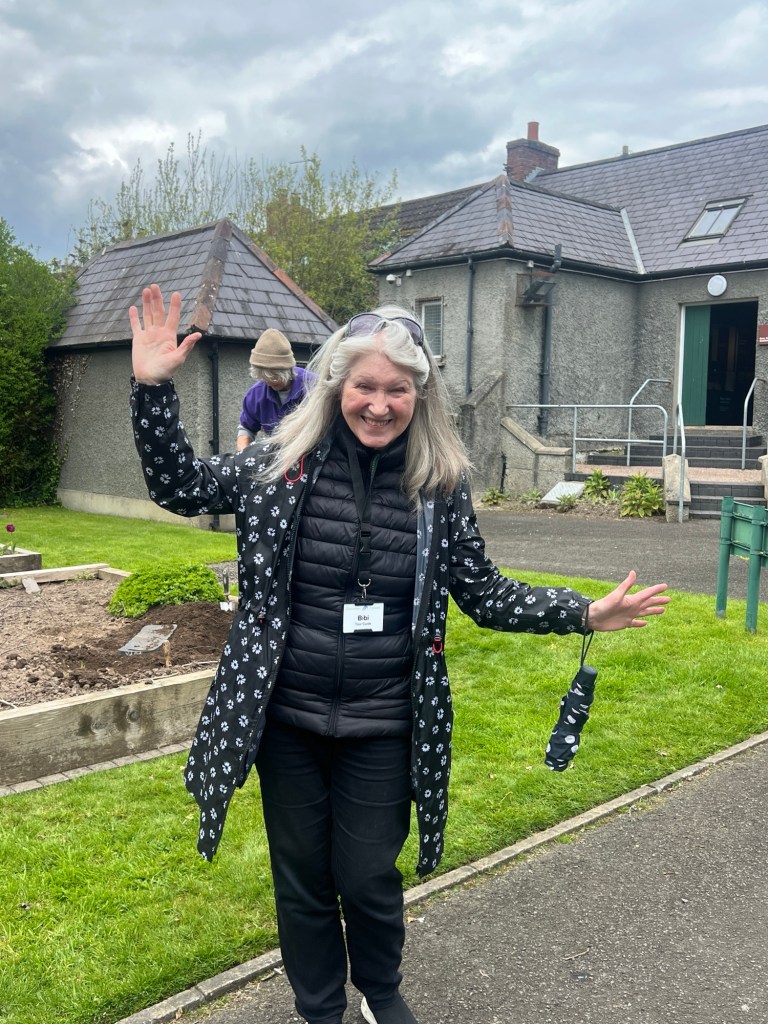
We headed back to the ship to get ready for our afternoon tour. We met our guide, Bibi, who entertained us non stop with commentary about almost everything you can imagine.

We heard about Belfast WOW which means Windows on Wildlife which they are very serious about preserving here.

We passed through a town called Holywood, which should be pronounced Holy Wood, but they call it Hollywood because many famous people come from here, including Rory McElroy, the golfer, Liam Neeson from close by and Jamie Dornan who will apparently be the next James Bond. CS Lewis also comes from the area. Bibi has a fond expression “love him to bits”! She doesn’t have much use for politicians and said that even though St. Patrick drove the snakes from Ireland, they are still there in the form of the politicians.

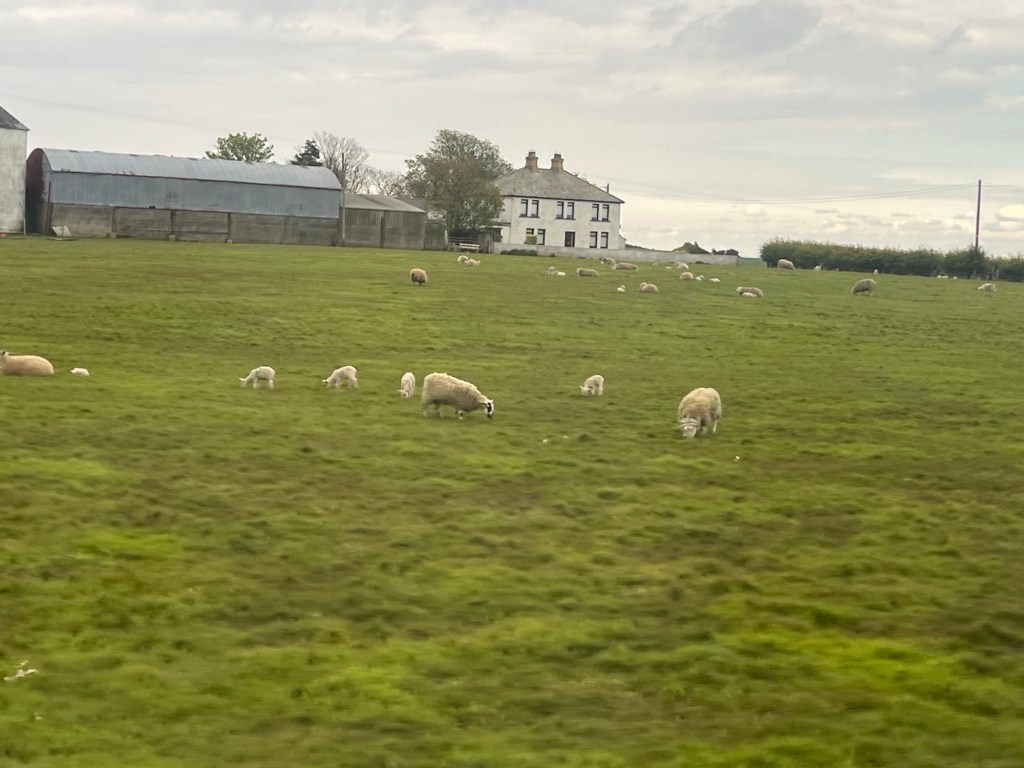
Ireland is known as the Emerald Isle and the area we traveled in is a great example of the greenery and the rich soil. It is temperate all year. Love those baby lambs!

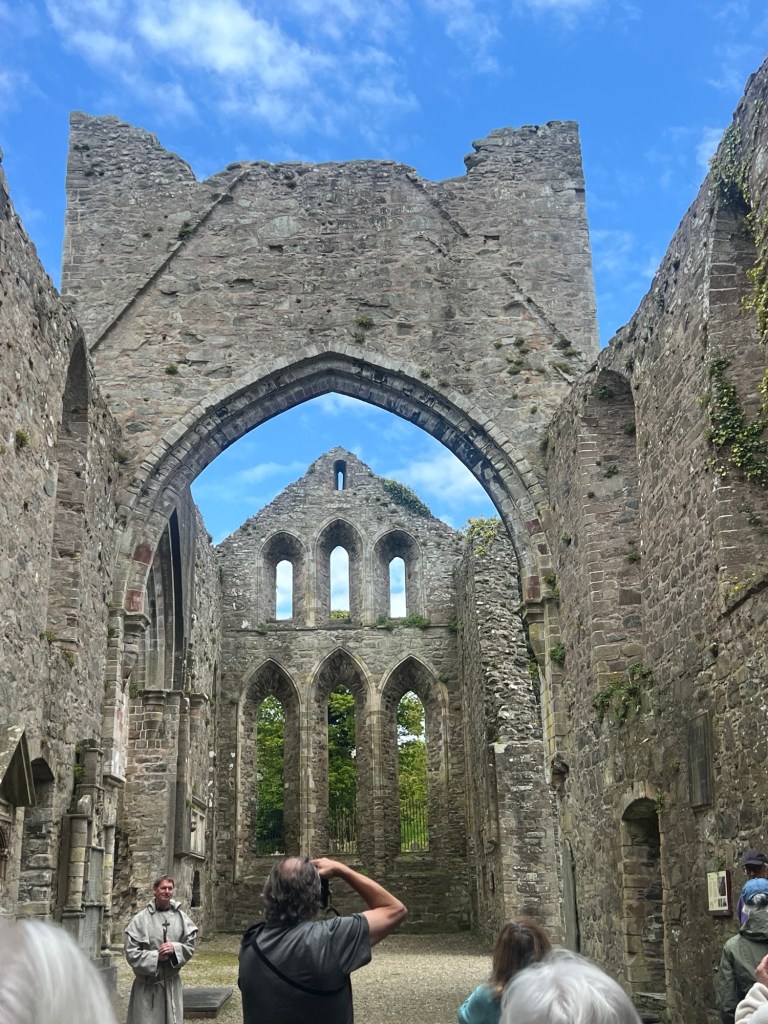
We drove through the Ards Peninsula and reached Grey Abbey.

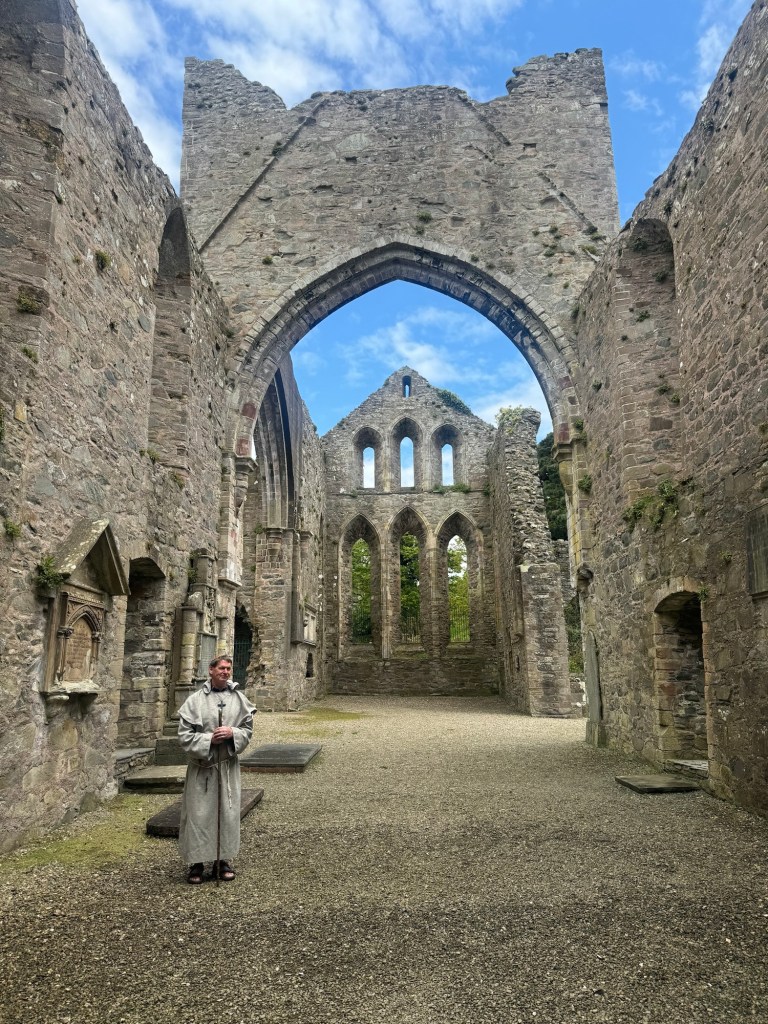
It is a Cistercian monastery which was founded in 1193 by Affreca, the wife of the Anglo-Norman invader John de Courcy. It is the only monastery in Ireland known to have been founded by a woman in thanksgiving for her safe landing after a storm at sea.

It is built in the Gothic style, one of the first churches in Ireland to be built in that style.

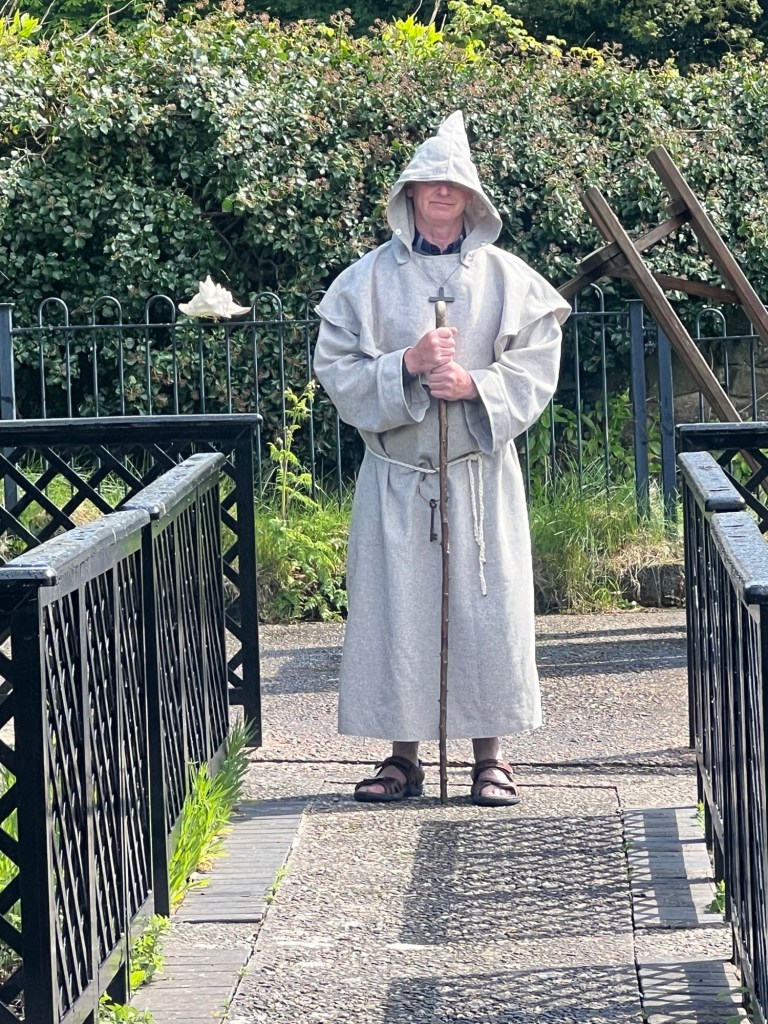
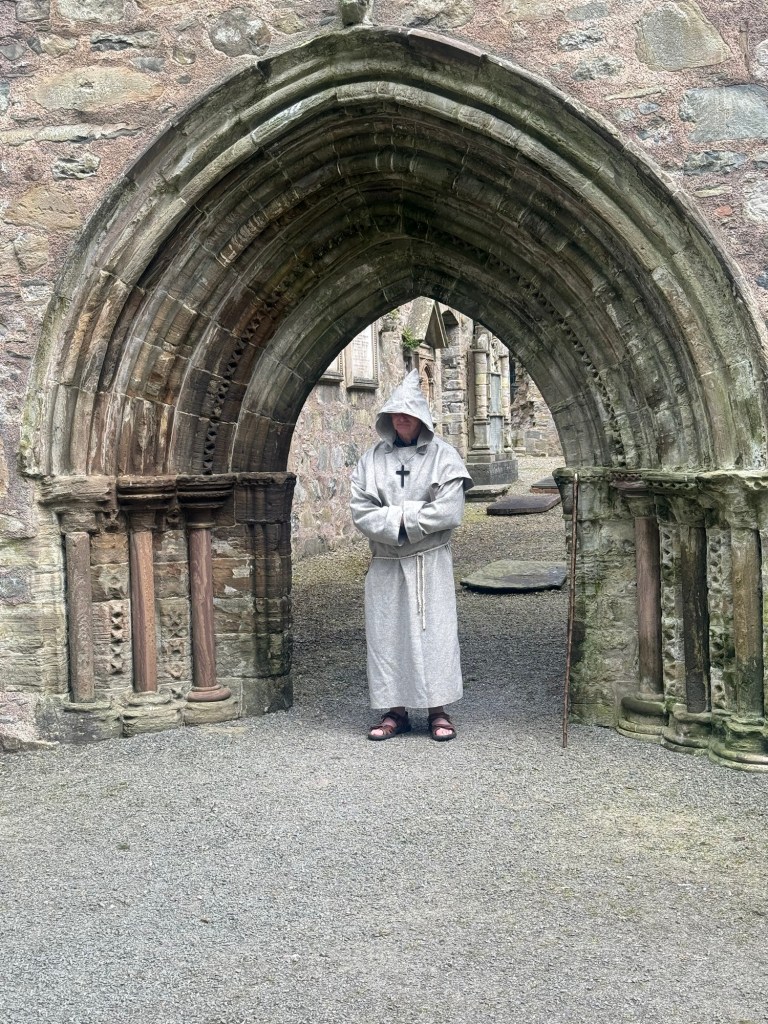
We had a guide to take us through the buildings and of course, there was a “monk” to add to the stories.

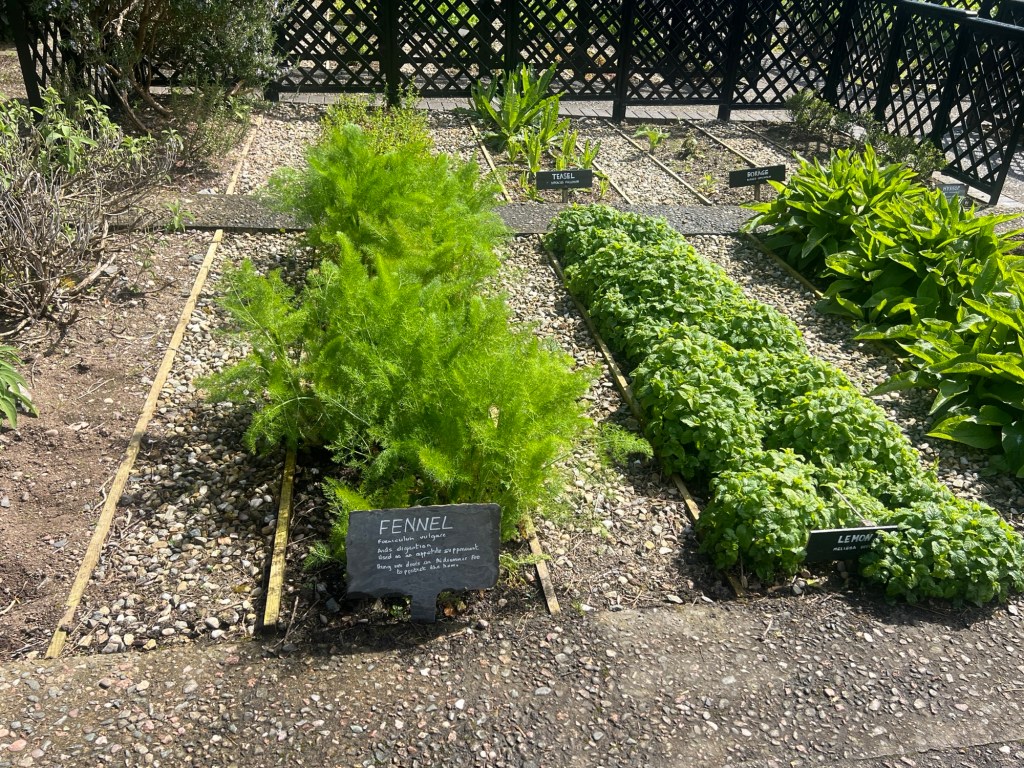
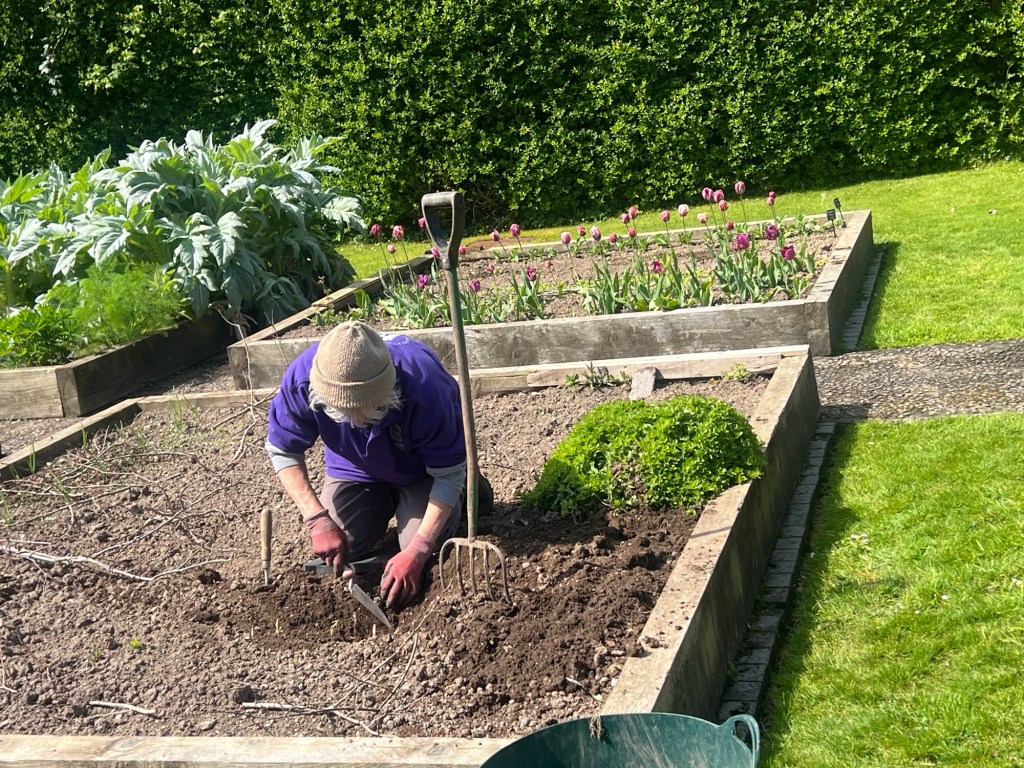
The herb gardens were present back in the early years and used as medicines. Volunteers maintain them.

Here are some pictures from our walk through the ruins.

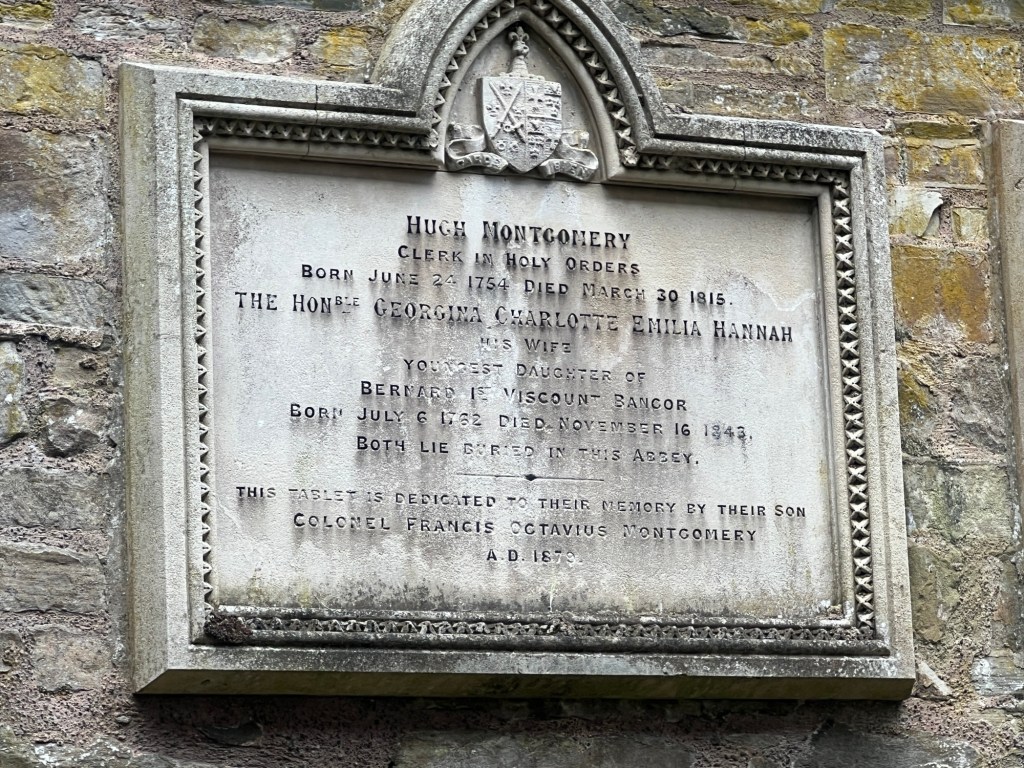
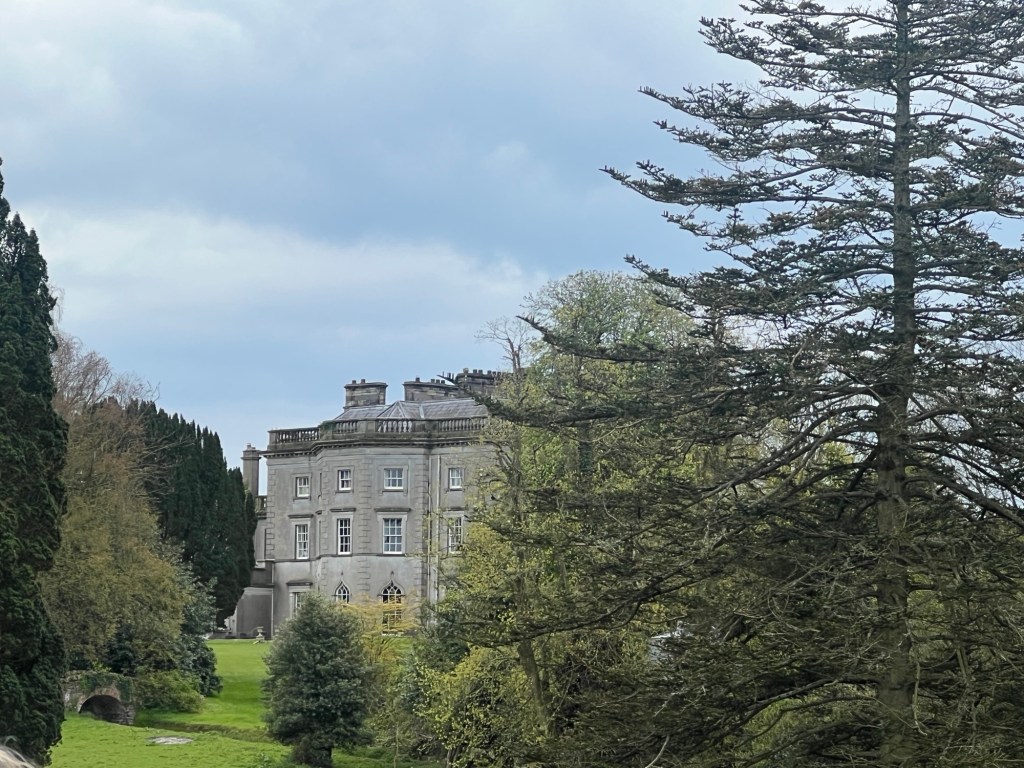
The Montgomery family has lived in the nearby house since 1607. Many descendants became important in America
Montgomery house

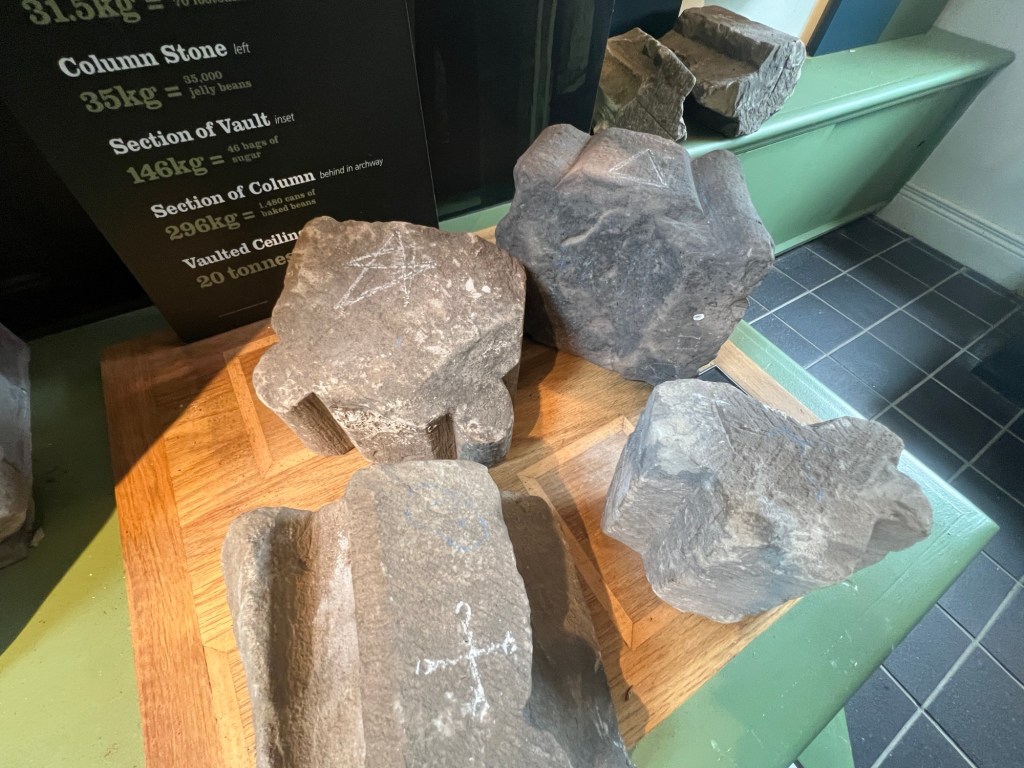
There was a small museum with explanations of the history.

The stonemasons left their marks on the carvings they did

We enjoyed the tour and we chatted with the dedicated volunteers who maintain the gardens and the grounds. Fifteen monks lived at the Abbey and it was a silent order. The Abbey was self sufficient – they grew their own food, used their herbs for medicine, kept animals for milk and meat and did all their own maintenance.

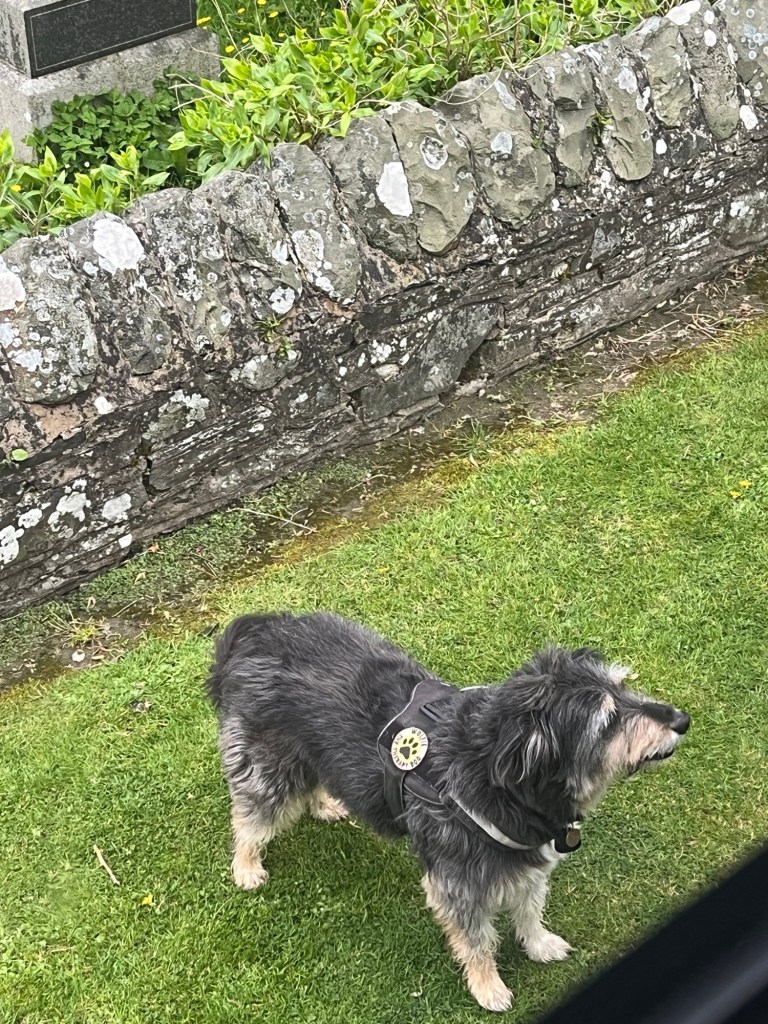
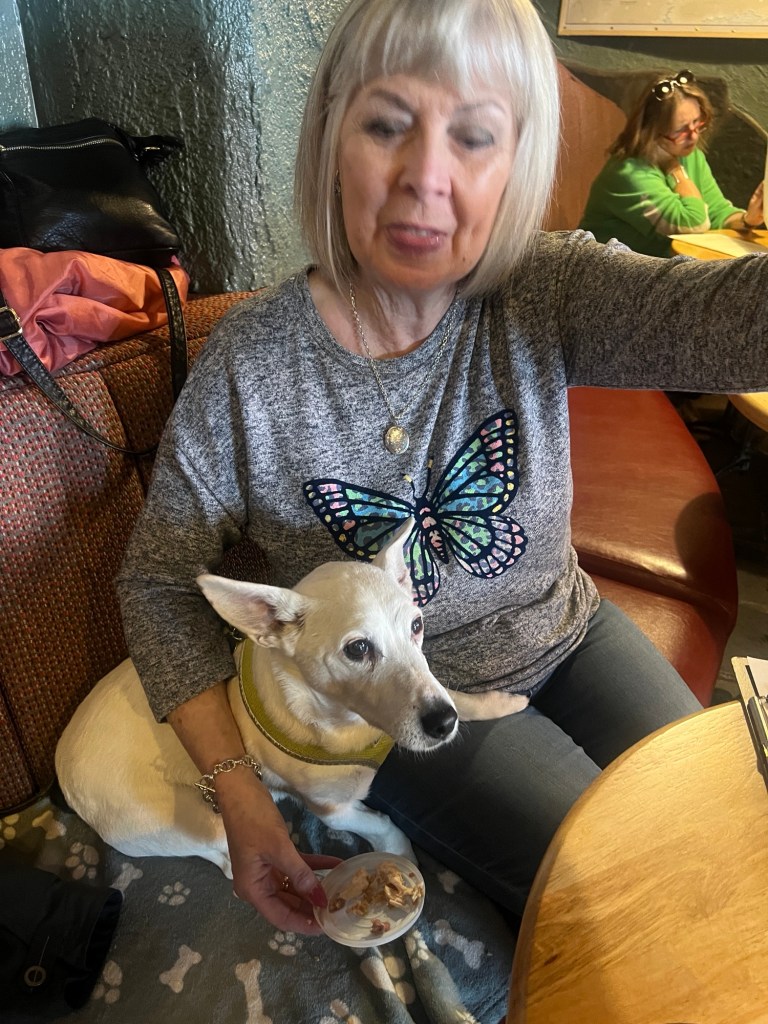
Before we left we met Wolfie, a dog that is apparently very well known here in County Down. He has appeared in many movies and TV series, the most well known is Hope Street. He wanted to get on the bus with us but that’s not allowed!

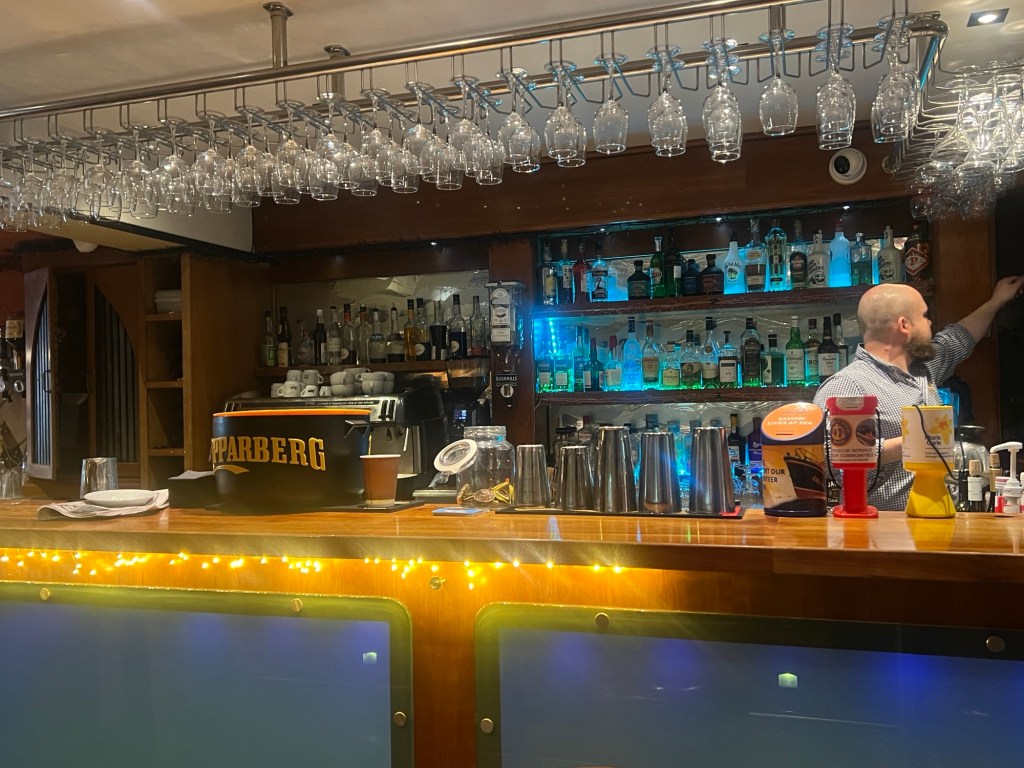
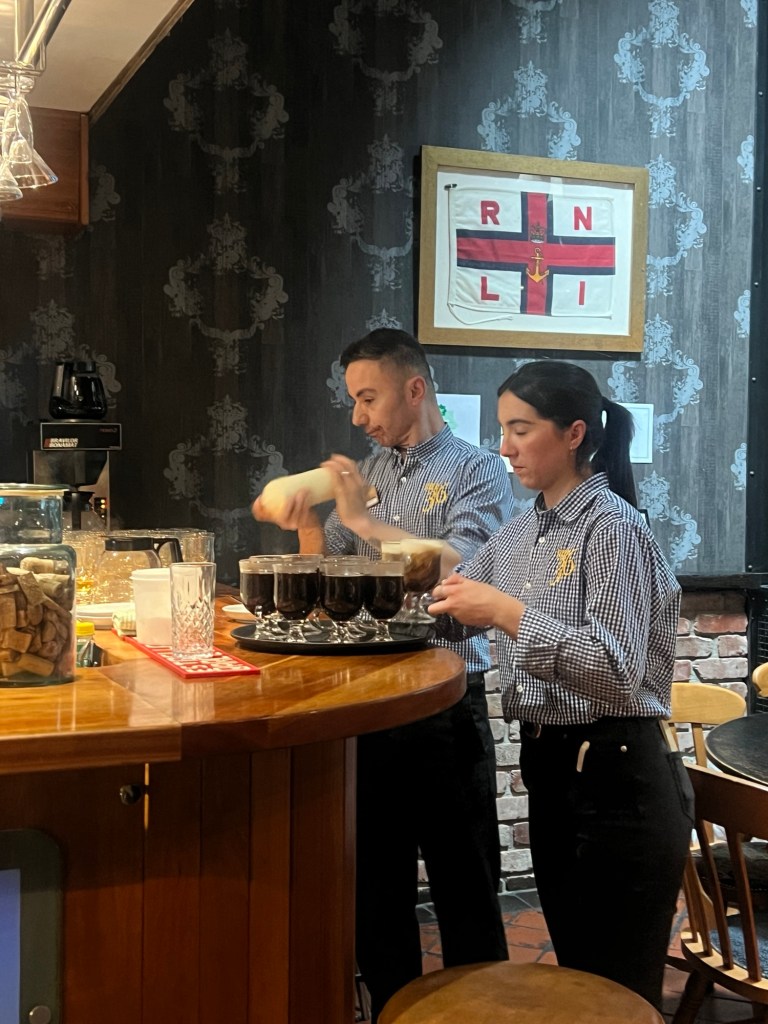
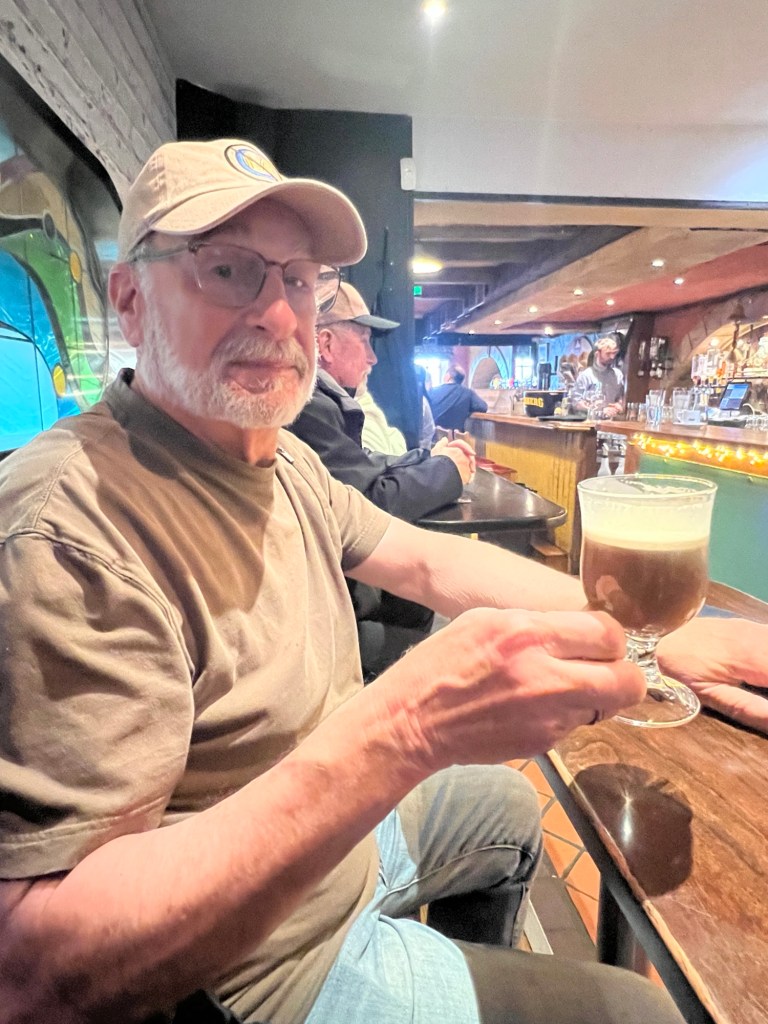
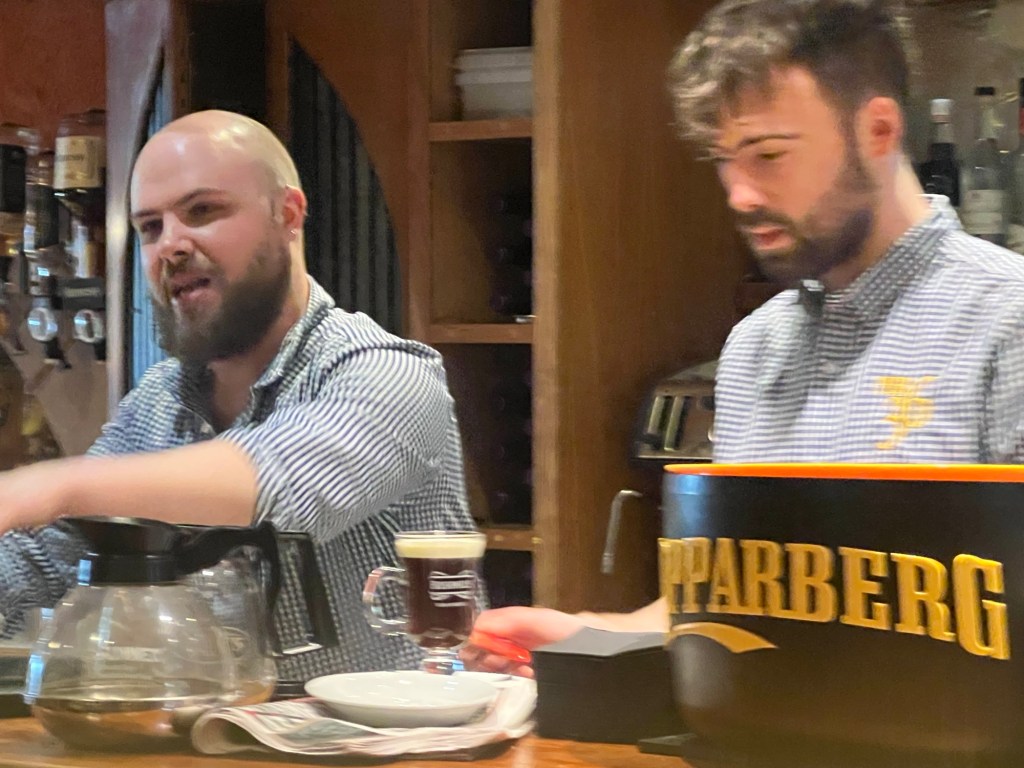
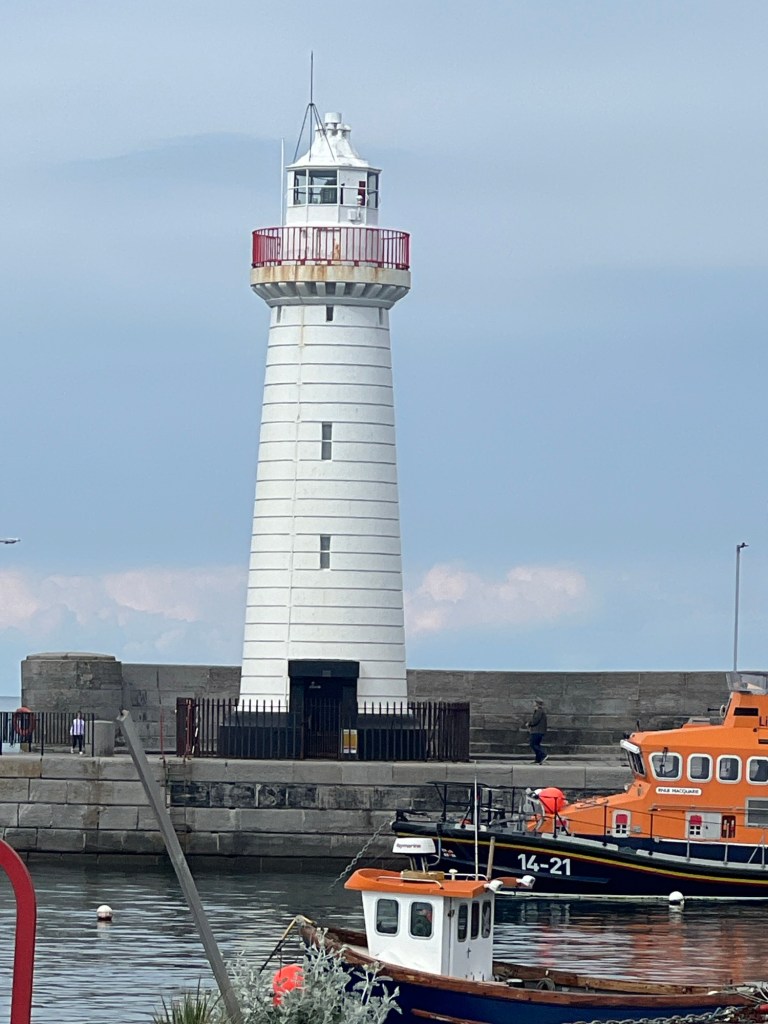
We drove across Ards Peninsula to Donaghadee to visit the small town and have an Irish Coffee at Pier 36 (Commodore) pub where some episodes of Hope Street were filmed.

After our delicious coffees, we went out for a walk around town. On the way out of the pub we met Eddie, a 16 year old dog, with his owner. They come every Sunday and Eddie gets his own treats.

There are signs of spring everywhere and again, we were lucky to not have rain.

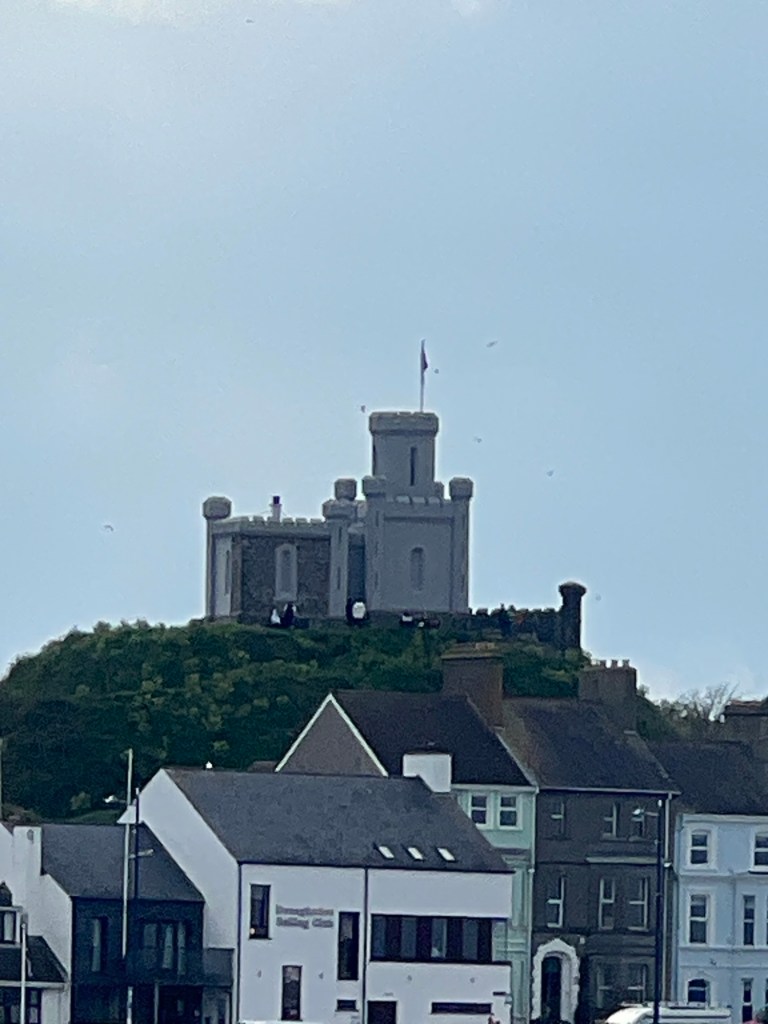
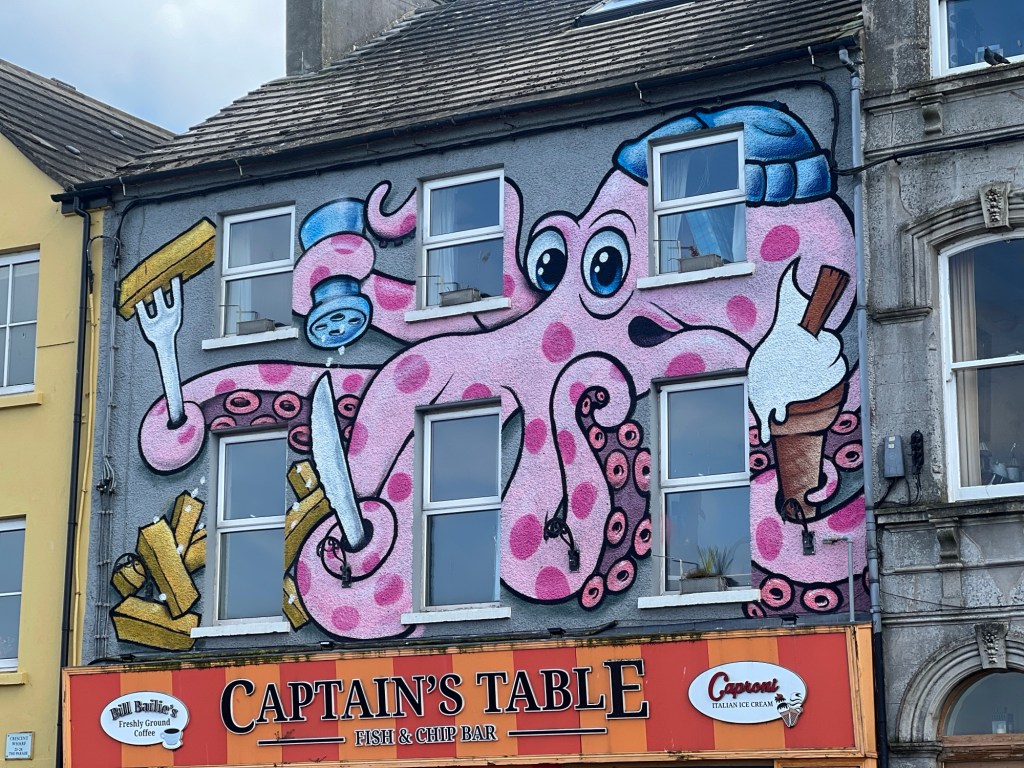
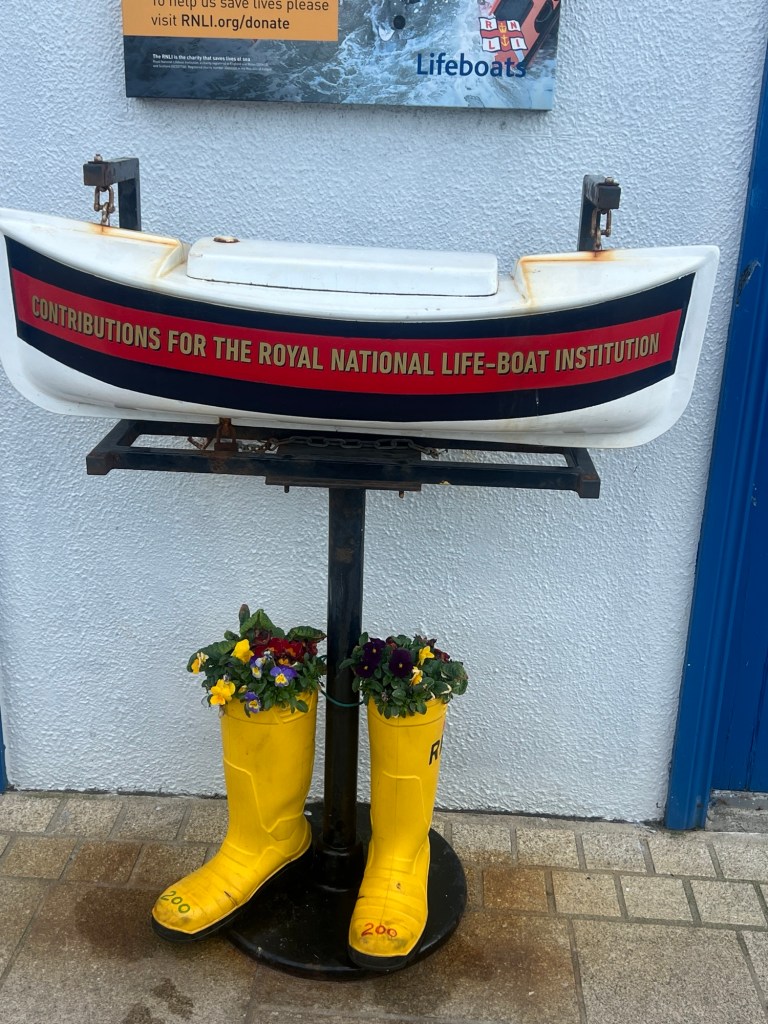
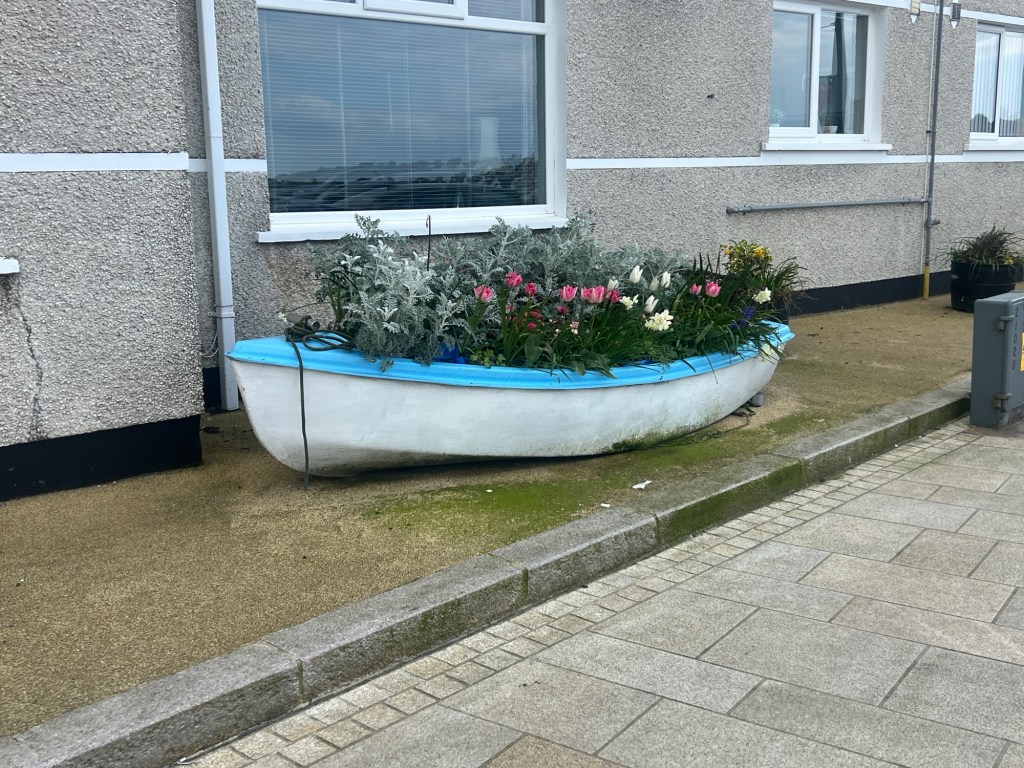
Here are some pictures from around town.

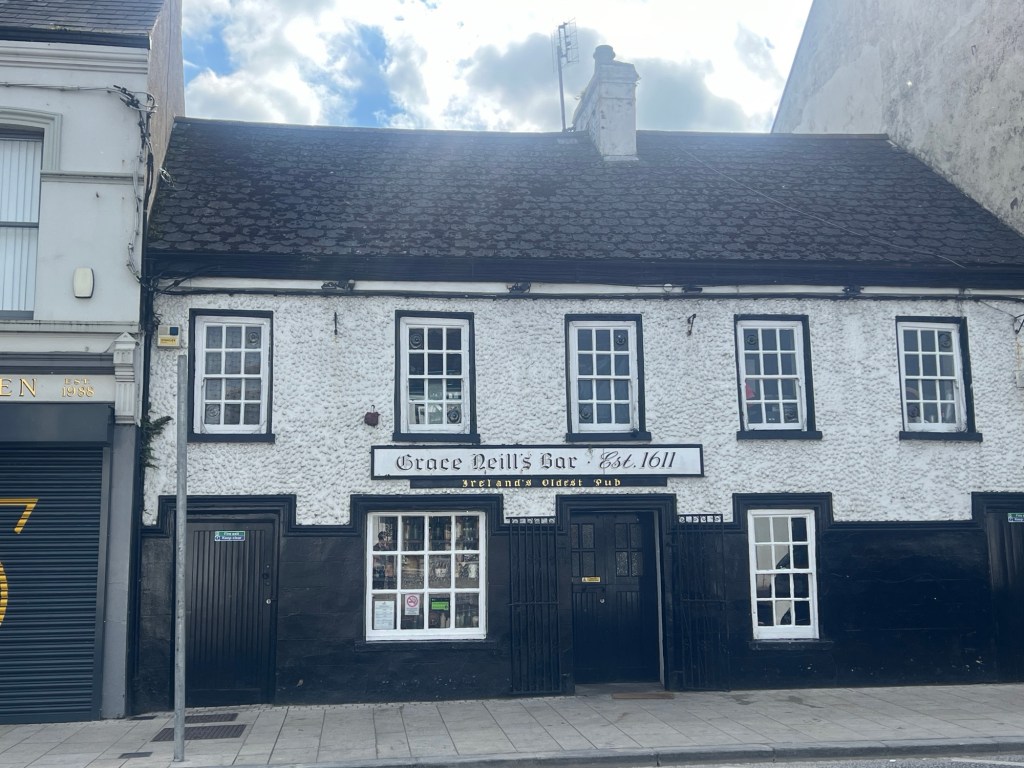
Supposedly the oldest pub in Ireland – 1611
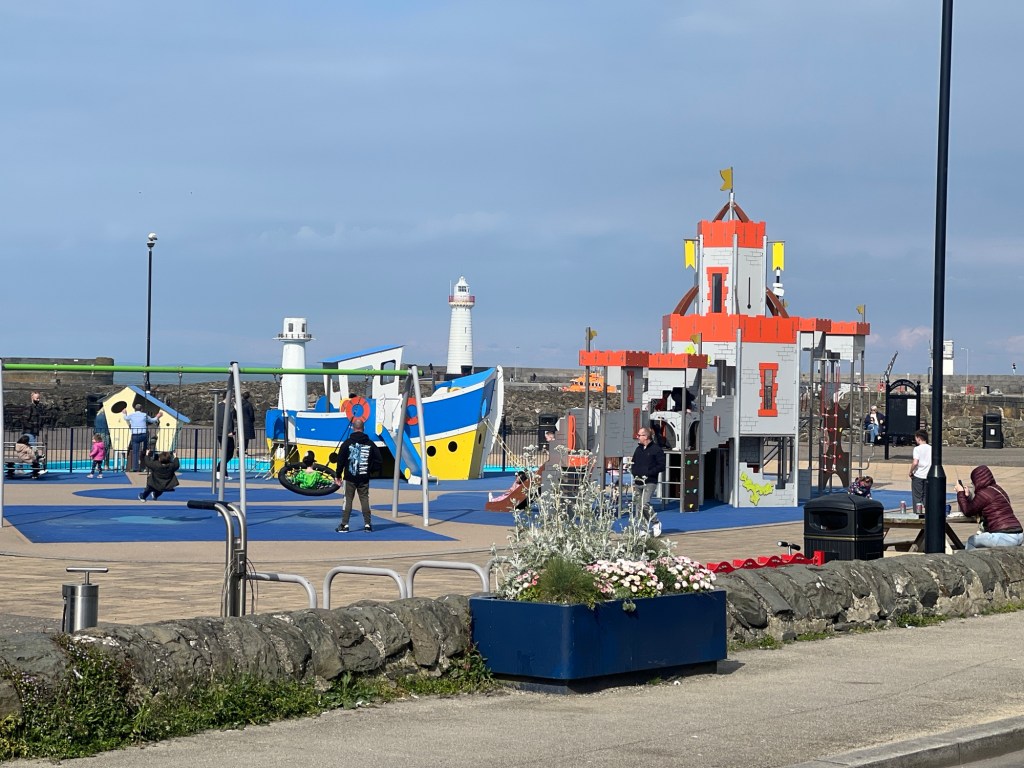
Very cool kids playground

On the way back from the ship, Bibi gave us recipes for champ, which is a kind of mashed potato dish that everyone has as a side dish, and she talked about the Ulster Fry breakfast.

She mentioned several times that the Irish people believe in all kinds of fairies, goblins, etc. In Ireland, the concept of a fairy tree is deeply rooted in folklore and mythology. These trees are often ancient and are believed to be inhabited by fairies or other mythical creatures. They are typically respected and left undisturbed, as disturbing a fairy tree is thought to bring bad luck. While there isn’t a specific tree designated as the fairy tree in Ireland, there are many scattered throughout the country, each with its own local stories and legends. If you see a tree all alone in a field NO ONE would dare ever cut it down, even if it is dead. We spotted one and she told us all about the legends.

We had a really great day, full and tiring. Our dinner was in Red Ginger, our last one there for this trip.

Tomorrow we arrive in Dublin. We have been there many times so will again take the shuttle and wander in the city and probably have lunch in a pub.

Posted in April, Europe, Excursions, Food, Spring 2024 | Leave a comment

Glasgow (Greenock), UK

April 27, 2024

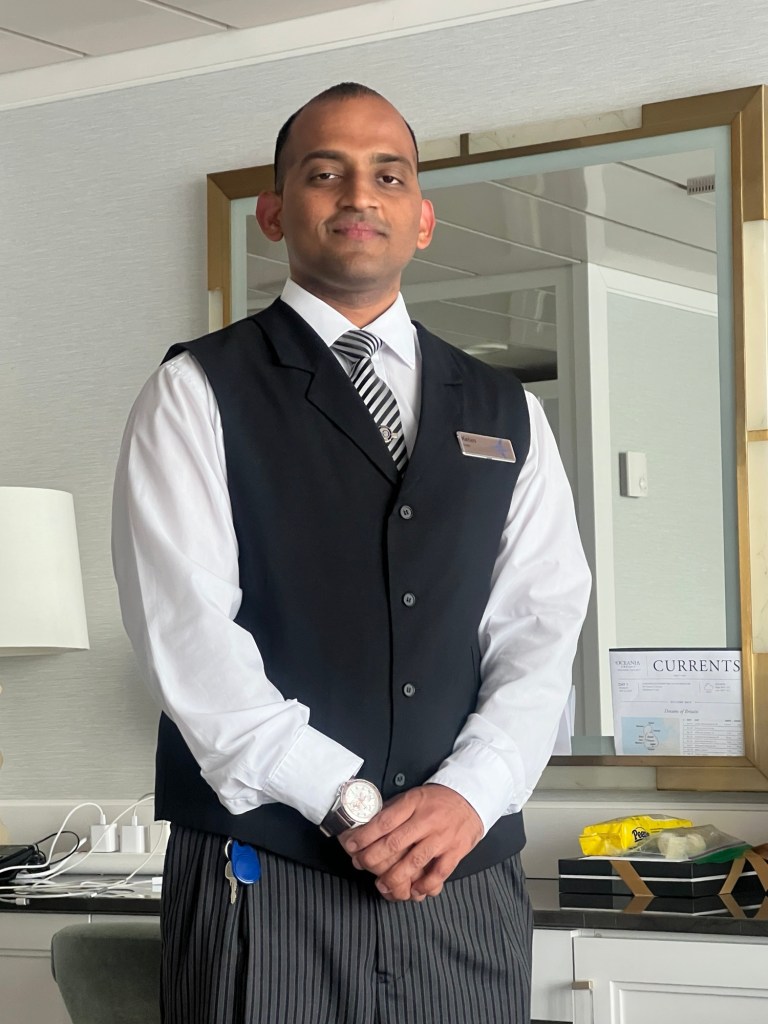
Well, there will be no pictures of our fun cocktail party with the trivia team. We had many goodies to eat and lots of wine and champagne but I was having such a good time, I completely forgot to take pictures! Our butler, Keton, did a great job setting it up.

Today is our last day in Scotland and we have enjoyed every minute of it. It would be a place to come back to and spend some more time.

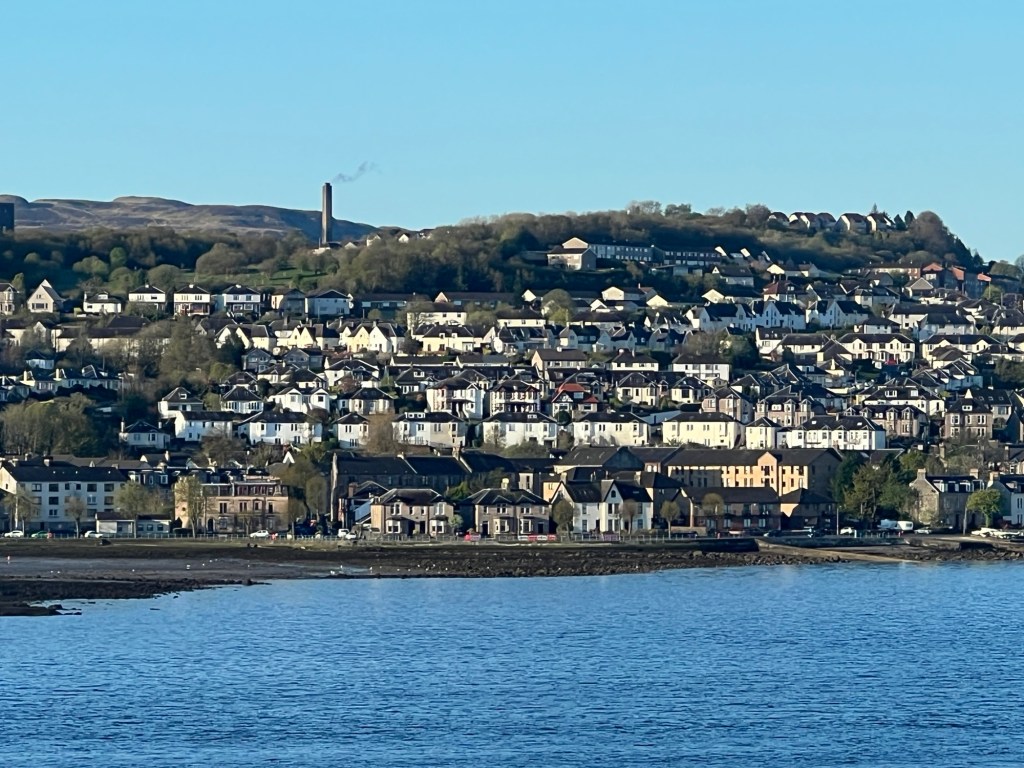
We. Had breakfast overlooking the docking procedure. We are at the Greenock port which is a short distance from Glasgow.

Our tour today was Loch Lomand and the Glengoyne Distillery. We had booked the first departure and were notified by destinations that we would depart at 12:15 instead of in the morning and there was no second departure. There were 2 buses though, so I guess we all went together. Our guide was Gilbert and he was certainly very knowledgeable about historical figures but was hard to understand much of the time.The first thing he told us after introducing himself was that we must be blessed because the weather is so good – they have had only 3 dry days in the last 6 months and it is sunny today and even a bit warmer – it got up to 50 degrees during the day.

We headed out to the distillery first and I assume the other bus went to Lock Lomand first. Along the way, Gilbert talked about James Watt – this is his statue.

James Watt was a prominent figure in Scotland’s history. He was a renowned engineer and inventor. Born in Greenock, Scotland, in 1736, he is best known for his improvements to the steam engine, which played a pivotal role in the Industrial Revolution. His innovations significantly increased the efficiency and practicality of steam power, revolutionizing industries such as mining, transportation, and manufacturing. His partnership with Matthew Boulton in Birmingham further propelled his inventions into widespread use. Watt’s legacy is celebrated in Scotland and beyond for his contributions to engineering and industry.

St. Patrick was also born here.

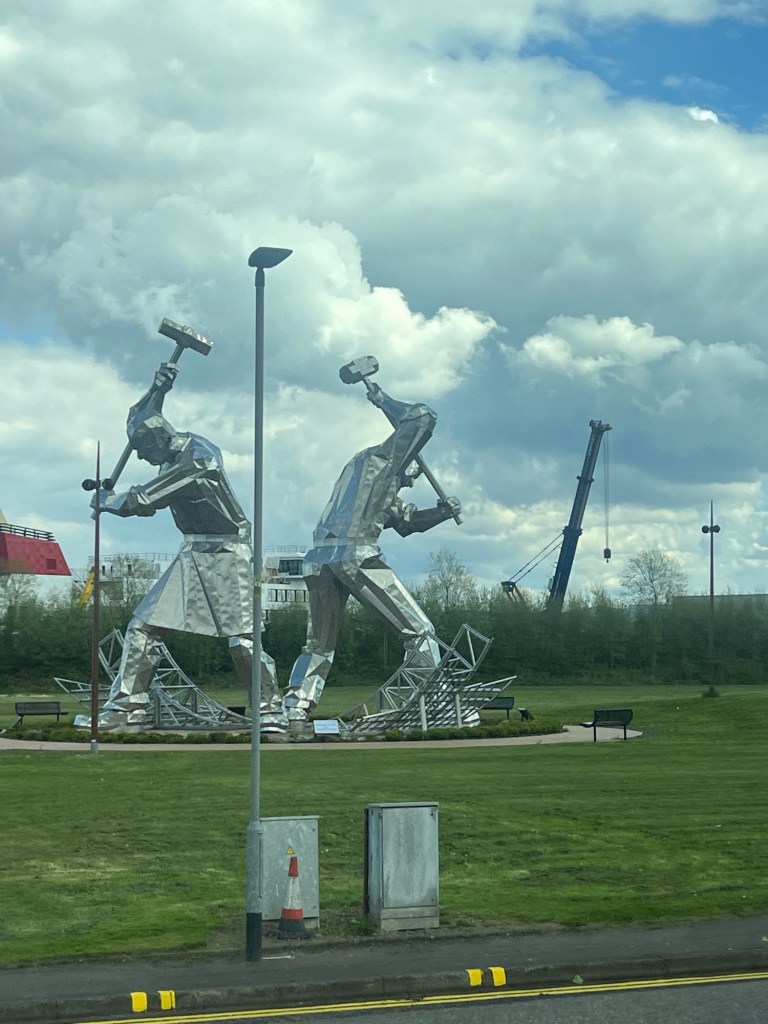
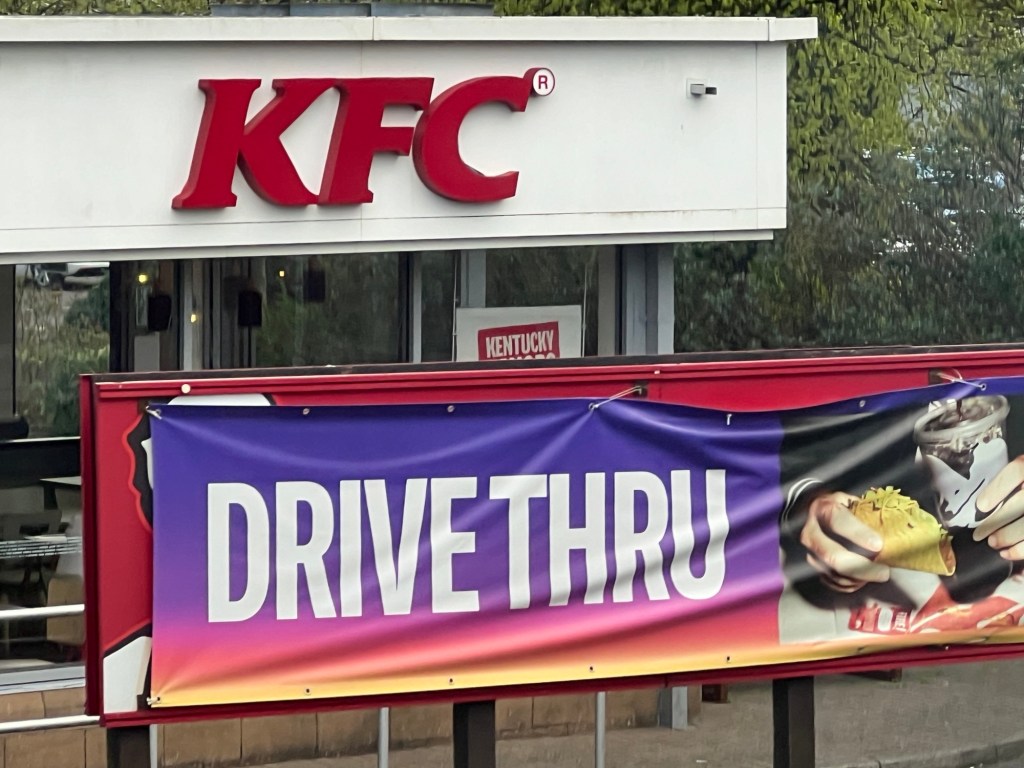
This area was known for ship building but that largely disappeared in 1960. The city went into a decline but now it is experiencing a renaissance. Compared with Edinburgh, this is a much more industrial city. We didn’t spend time there but saw some sights as we drove through. All of the US fast food restaurants are here!

We drove through many small and charming villages and past lots of sheep with young lambs frolicking in the meadows. They are sooooo cute!

Dumbarton Rock is a volcanic plug standing over the River Clyde.
It has a long history of fortifications dating back to ancient times.

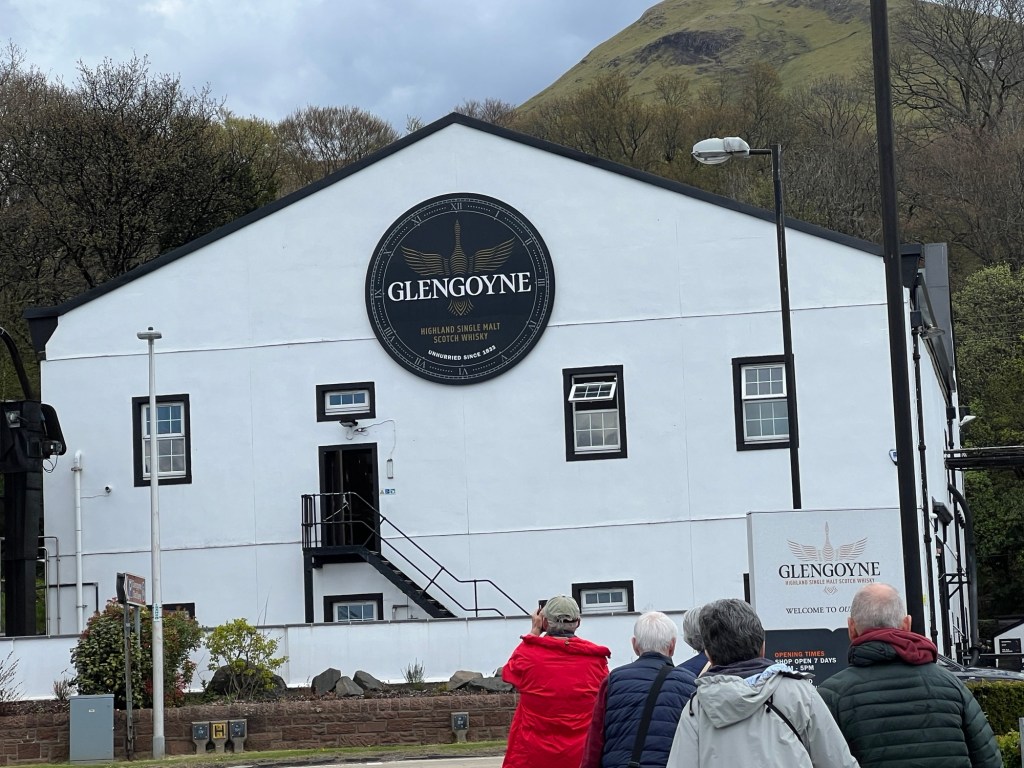
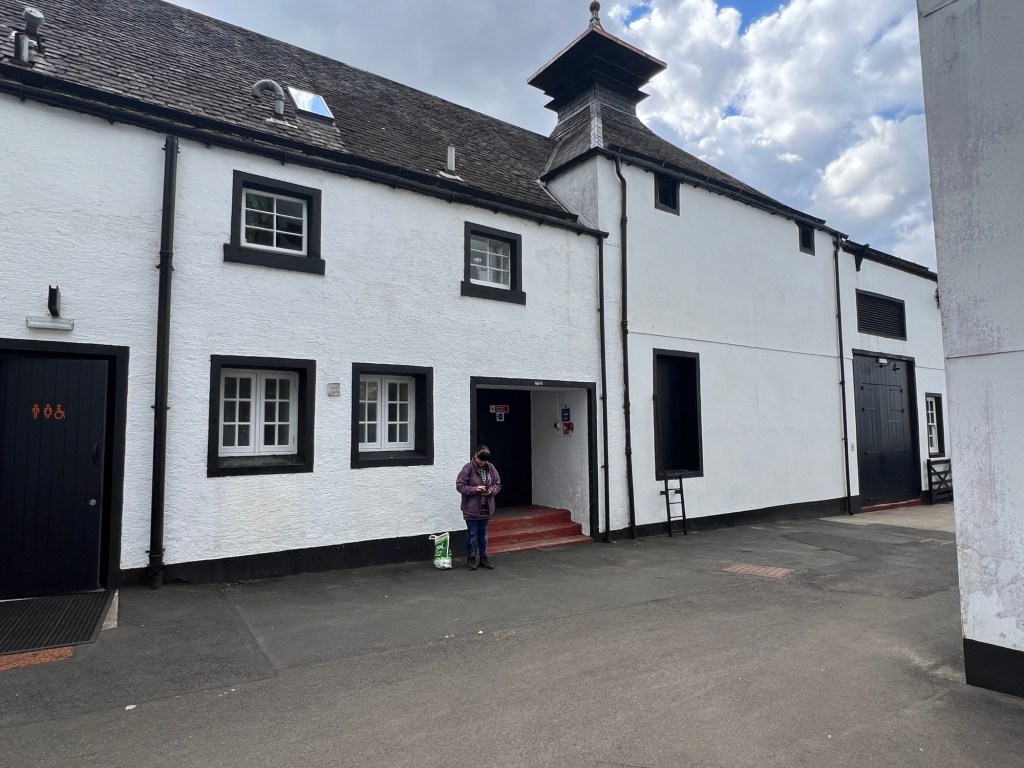
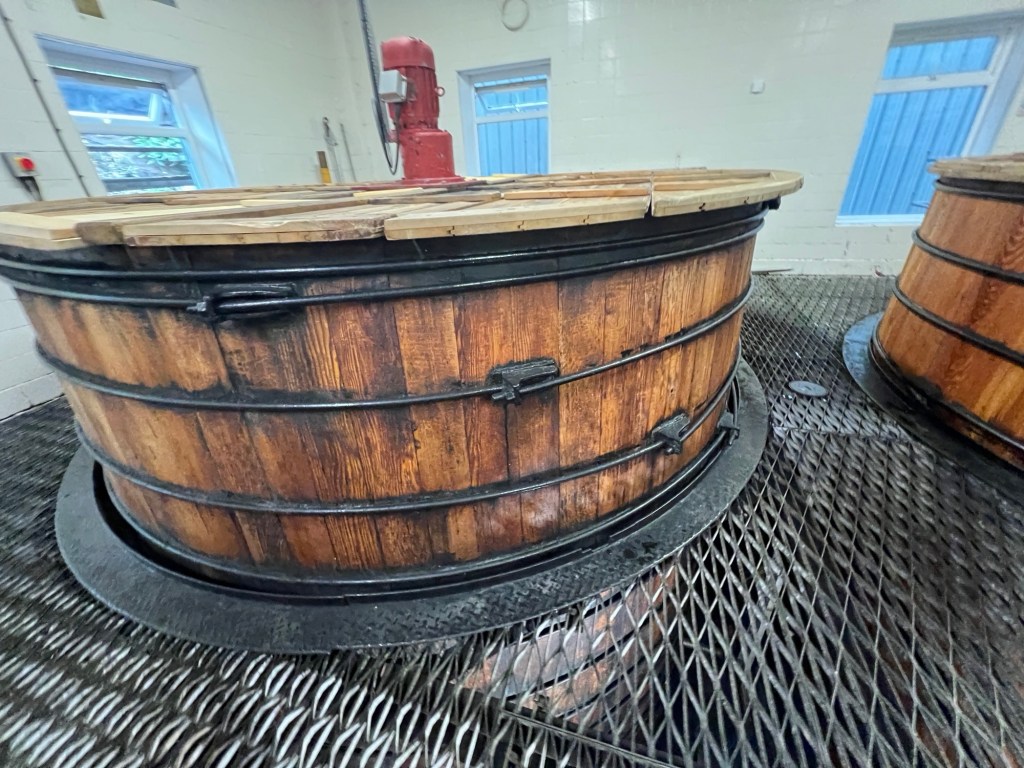
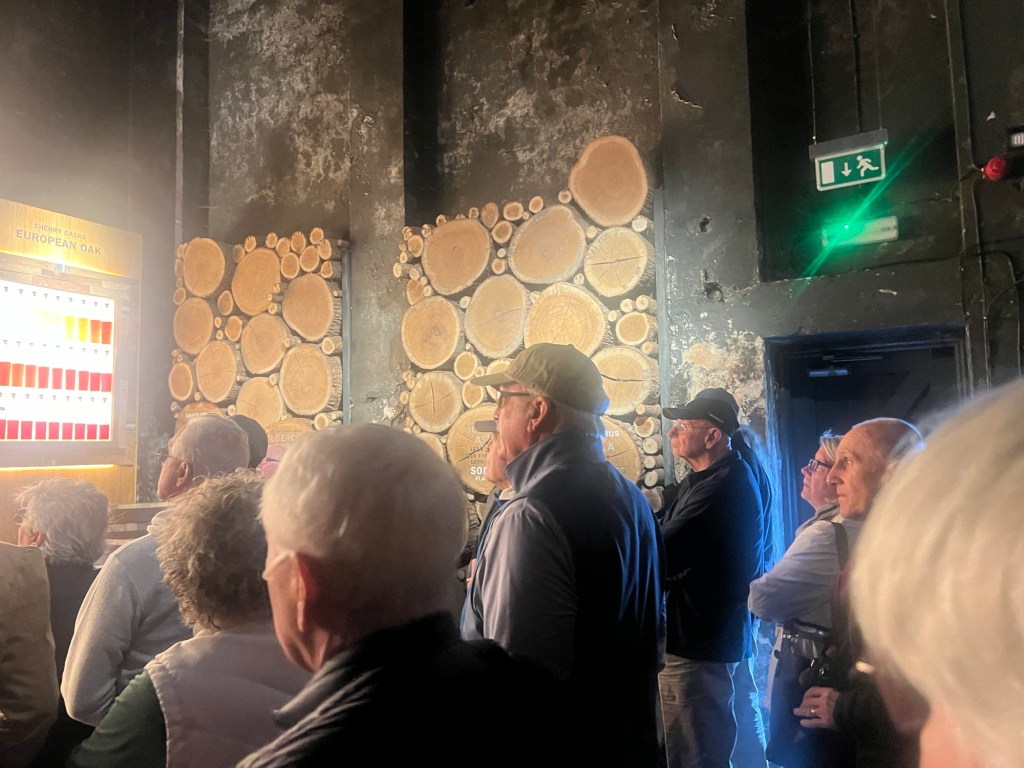
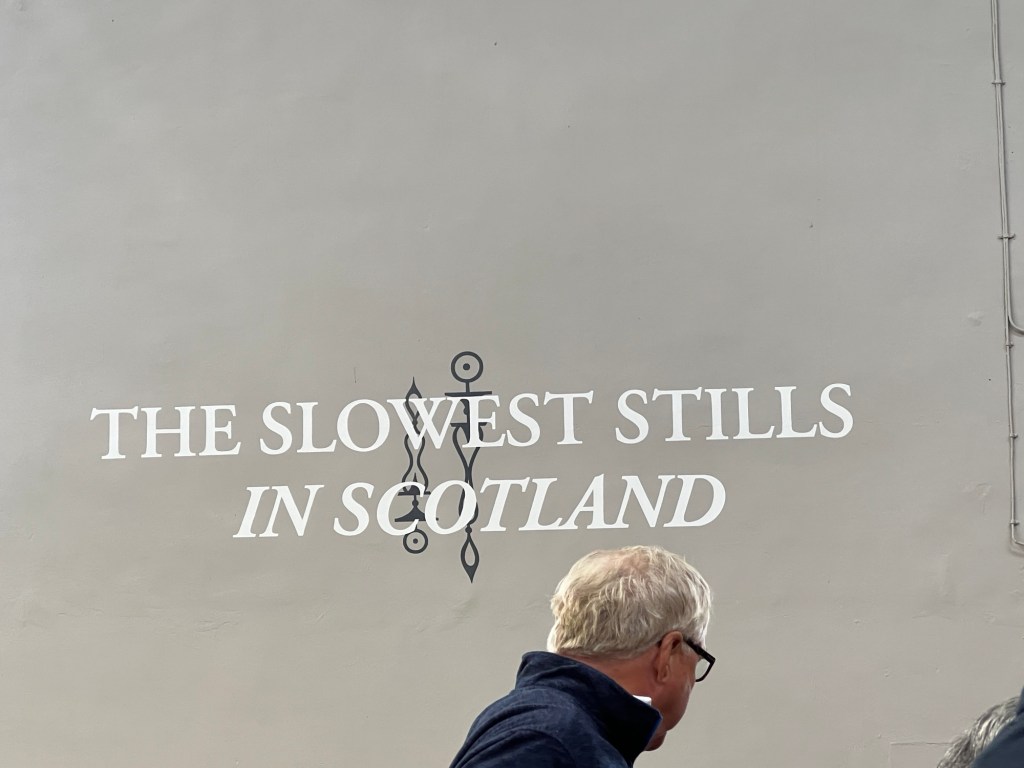
We arrived at the Glengoyne distillery and the tour guides split us up into 3 smaller groups for the tour. It was a fascinating explanation of the process of making the whiskey they are known for – from the barley to the barrels.

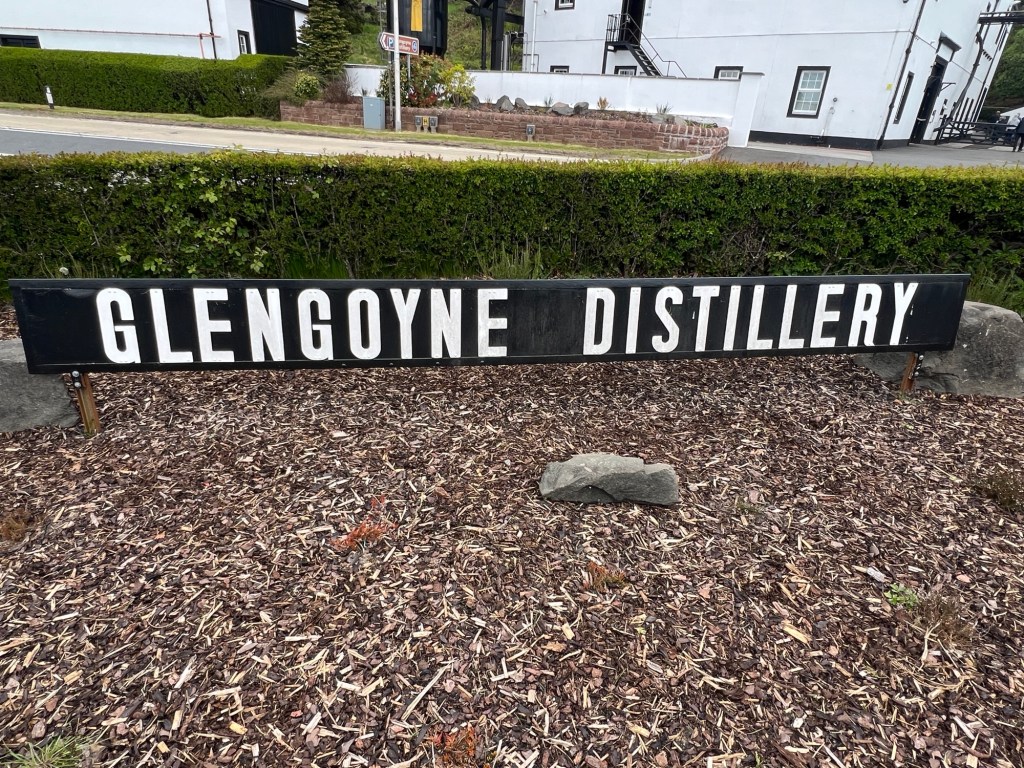
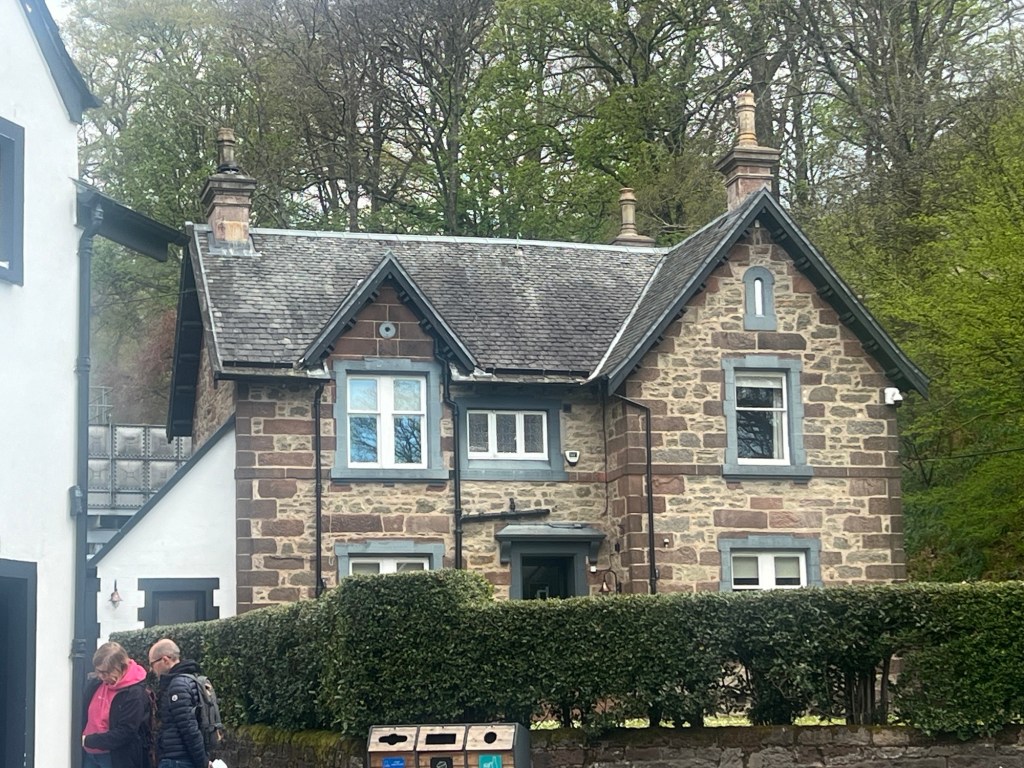
Glengoyne Distillery is situated near the village of Killearn in Stirlingshire, Scotland, is renowned for producing Highland single malt Scotch whisky. Here are a few key points about Glengoyne Distillery.

It is located at the foot of Dumgoyne Hill with the surrounding area providing the pure water essential for the whiskey production. It dates back to 1833 when it was founded as the Burnfoot Distillery. It became Glengoyne in 1905. It is known for its traditional methods of whiskey production including slow distillation, the exclusive use of golden barley and sherry cask distillation.

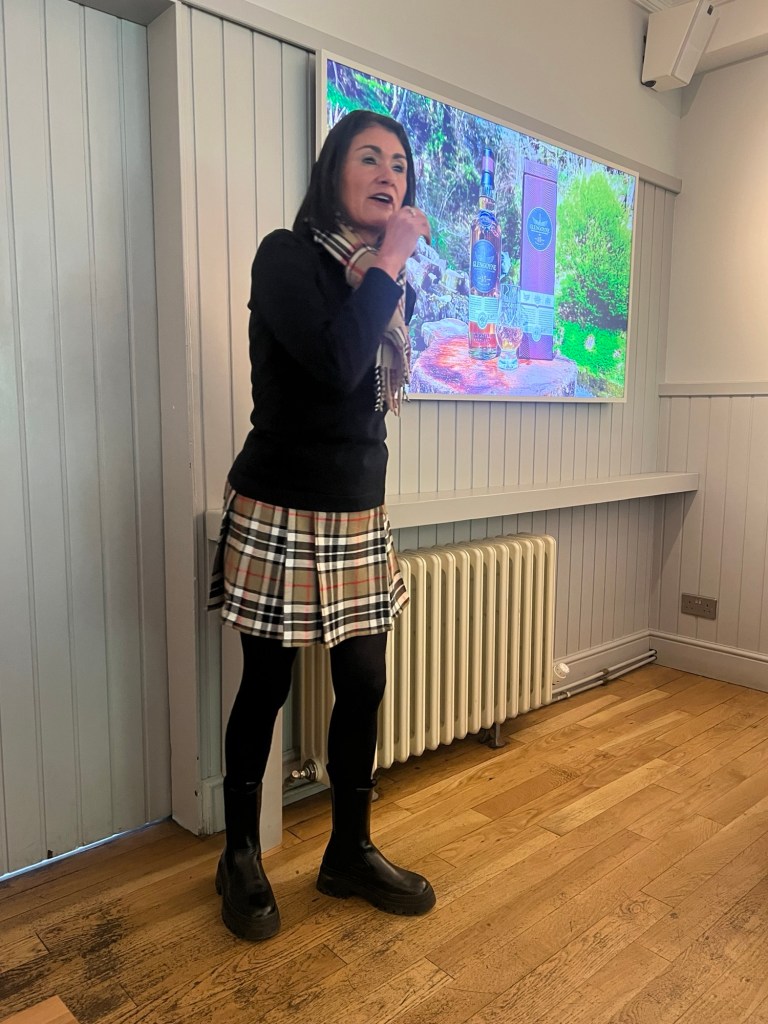
Our guide, Tori.

Of course, we had a tasting of the 10 year old and the 15 year old Single malt Scotches that they make here. I am not really a whiskey fan, but did taste it.

Norm bought one yesterday – Raasay – which we saw written up as a good one and he bought the 12 year old one here.

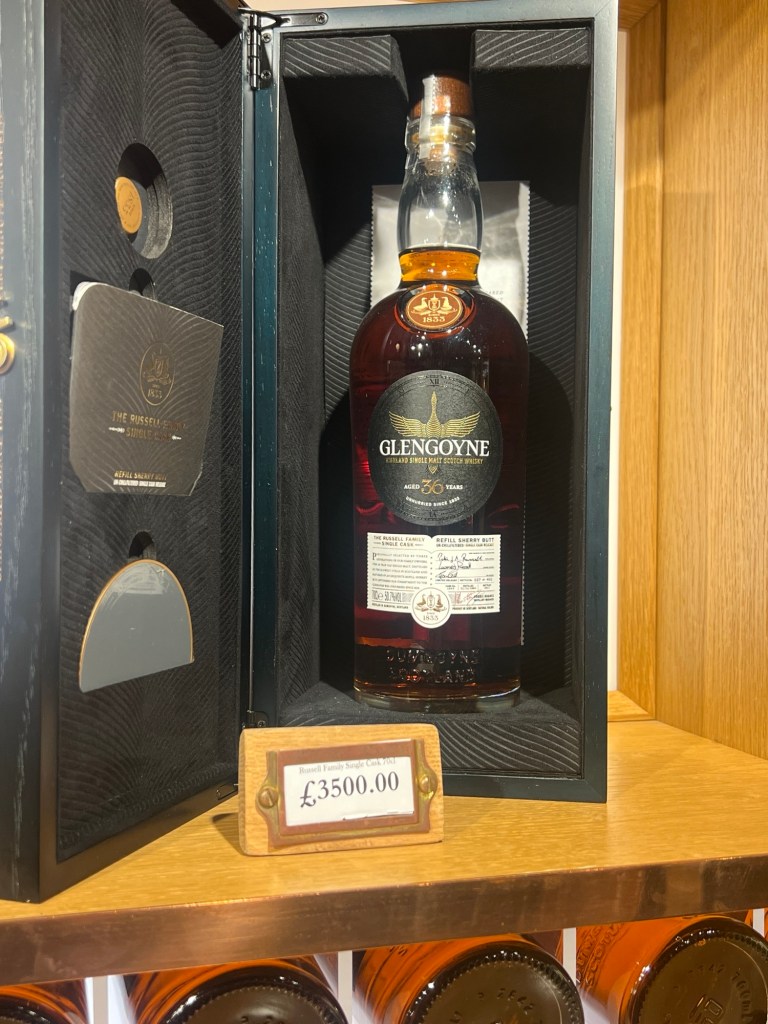
This one was a standout in the gift shop!

Notice the price!
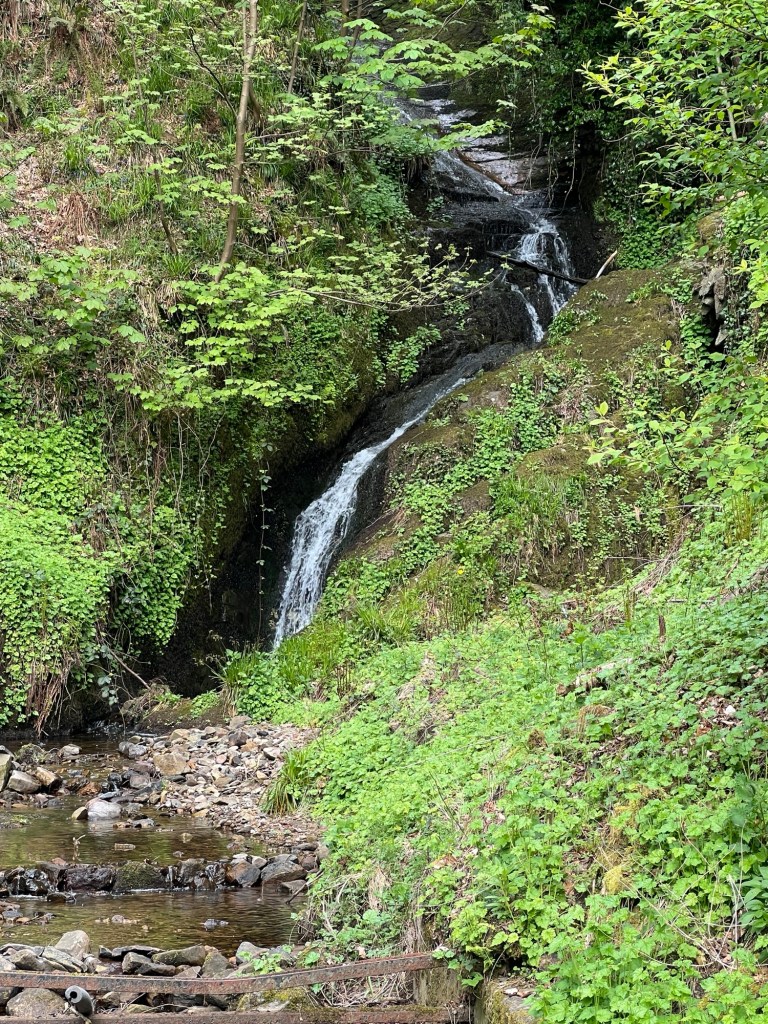
The waterfall behind the distillery. This is the pure water they use in production. No peat is used in this distillery

After our visit and purchases we headed for Loch Lomond.

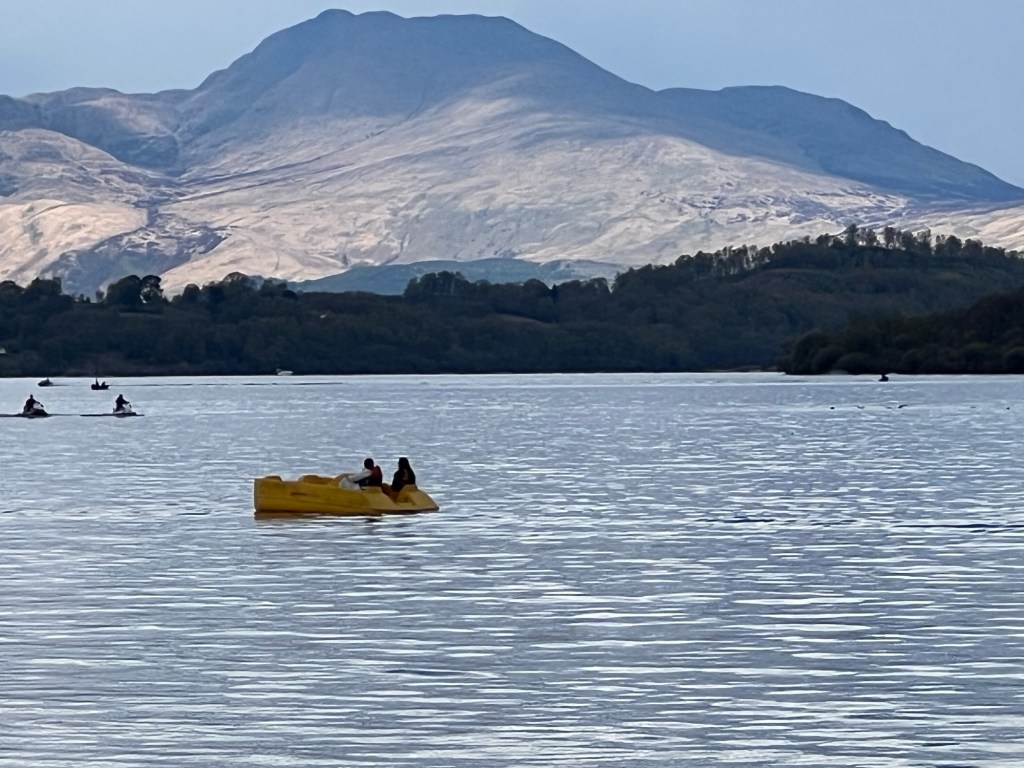
Loch Lomond is a freshwater loch located in the Scottish Highlands. It’s the largest inland stretch of water by surface area in Great Britain, covering about 71 square kilometers (27 square miles). The loch is known for its stunning natural beauty, surrounded by picturesque landscapes, hills, and mountains. It’s a popular destination for outdoor activities like hiking, boating, and wildlife watching. Additionally, the area has cultural significance, with several songs and poems inspired by its beauty, including the famous song “The Bonnie Banks o’ Loch Lomond.”

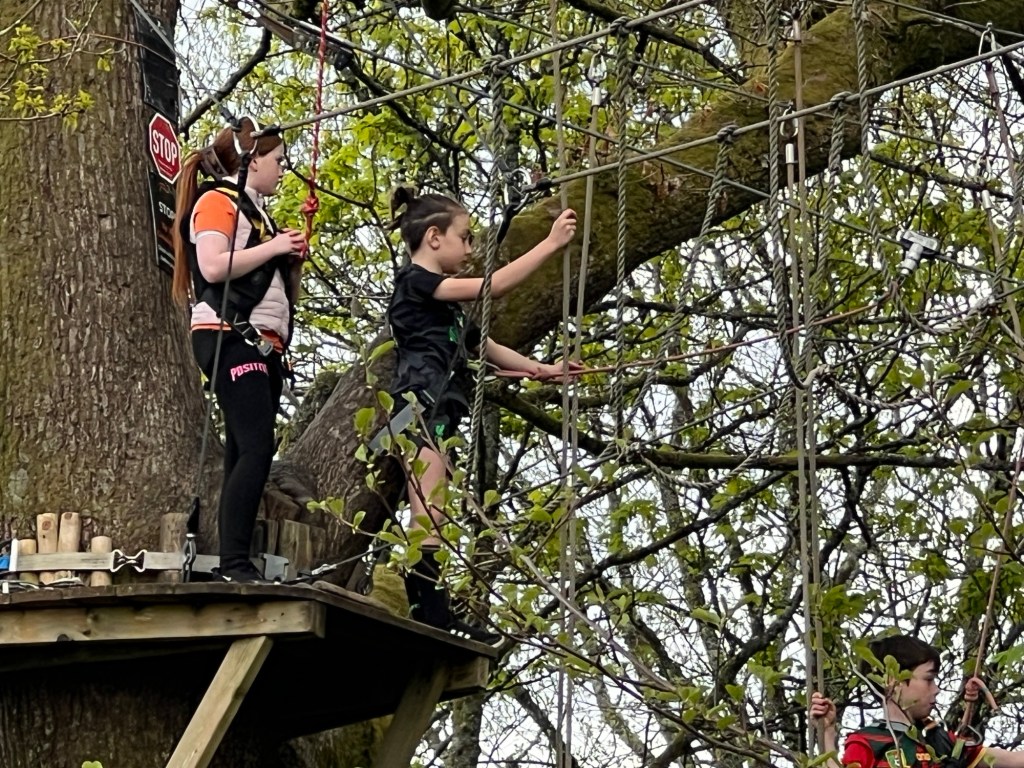
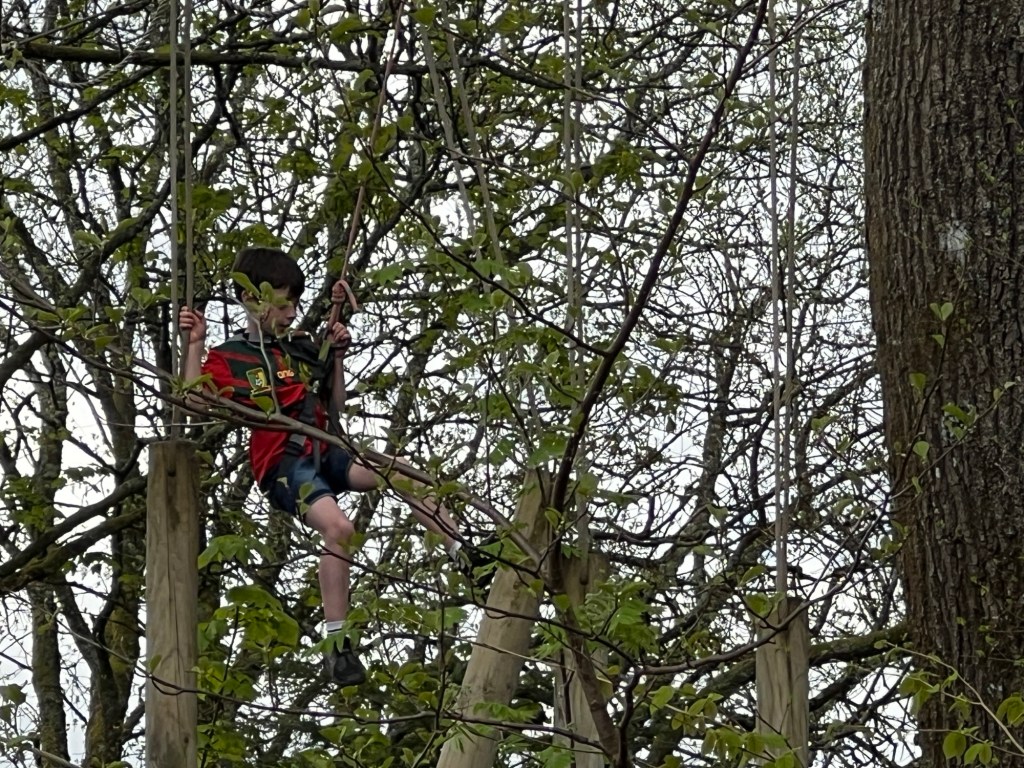
There are shops, refreshment stands and a very extensive aerial playground where kids were being challenged!

And we saw a golden retriever chasing a stick in the water.

We did have a few raindrops before we boarded the bus to return to the ship. And we saw this sailboat from our room. Brr, too cold for me! We depart for Belfast tonight at 10 PM.

Posted in April, Europe, Excursions, Spring 2024 | Leave a comment

Stornoway (Hebrides), UK

April 26, 2024

Sad to realize that we are one week away from the end of our wonderful cruise. We have one more port in Scotland (Glasgow) after today before we head to our remaining ports of Belfast, Dublin, Holyhead, Cork and Plymouth. It has all been great, including the fact that we have had no rain so far. It is cold and windy – today started at 42 degrees which is a bit warmer than yesterday but we did dress for it.We arrived into port at 7 AM. Norm got this shot as we approached the port.

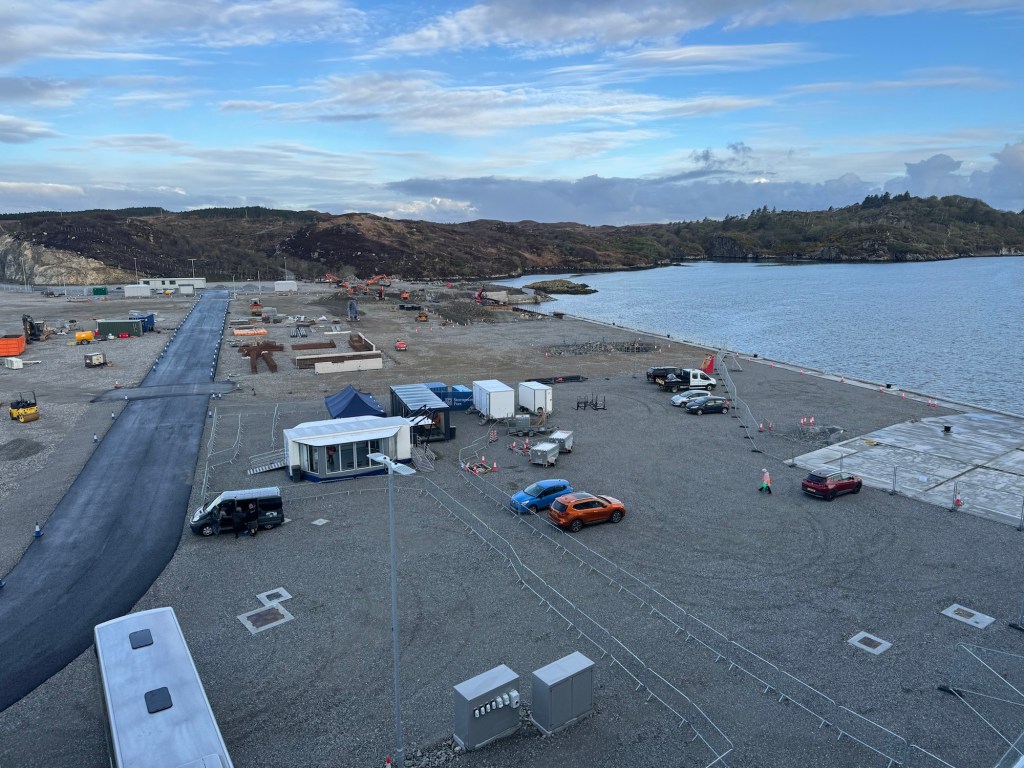
They are just constructing the deep water port here and there is a lot of work still going on. Nice that we didn’t have to tender in.

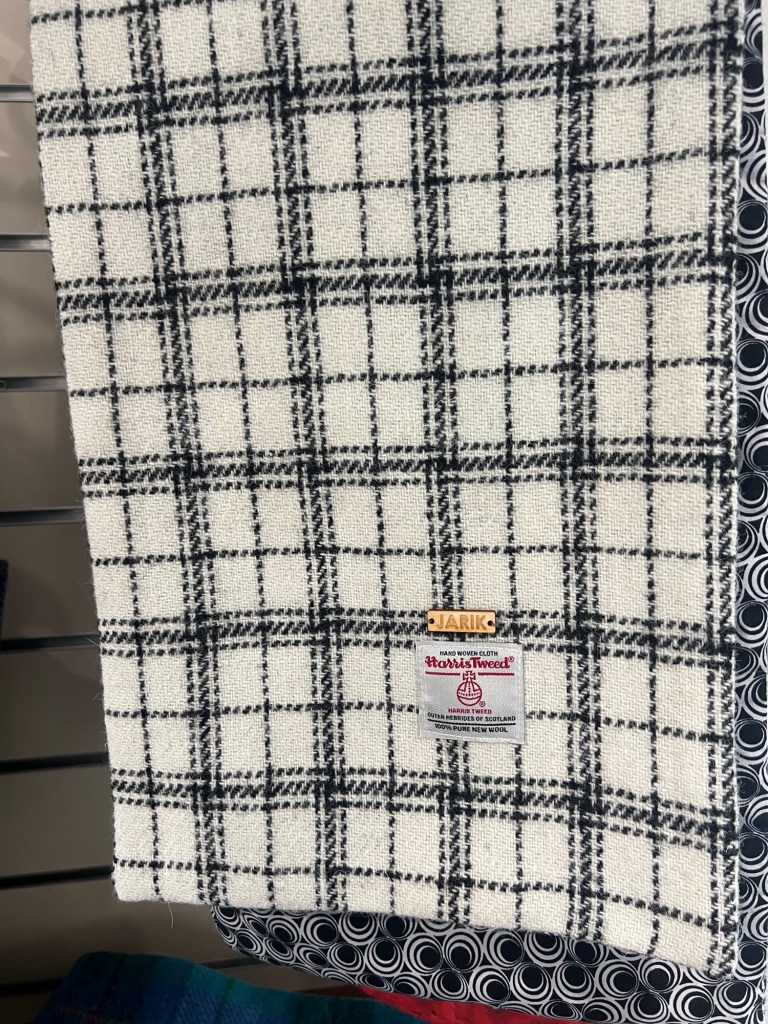
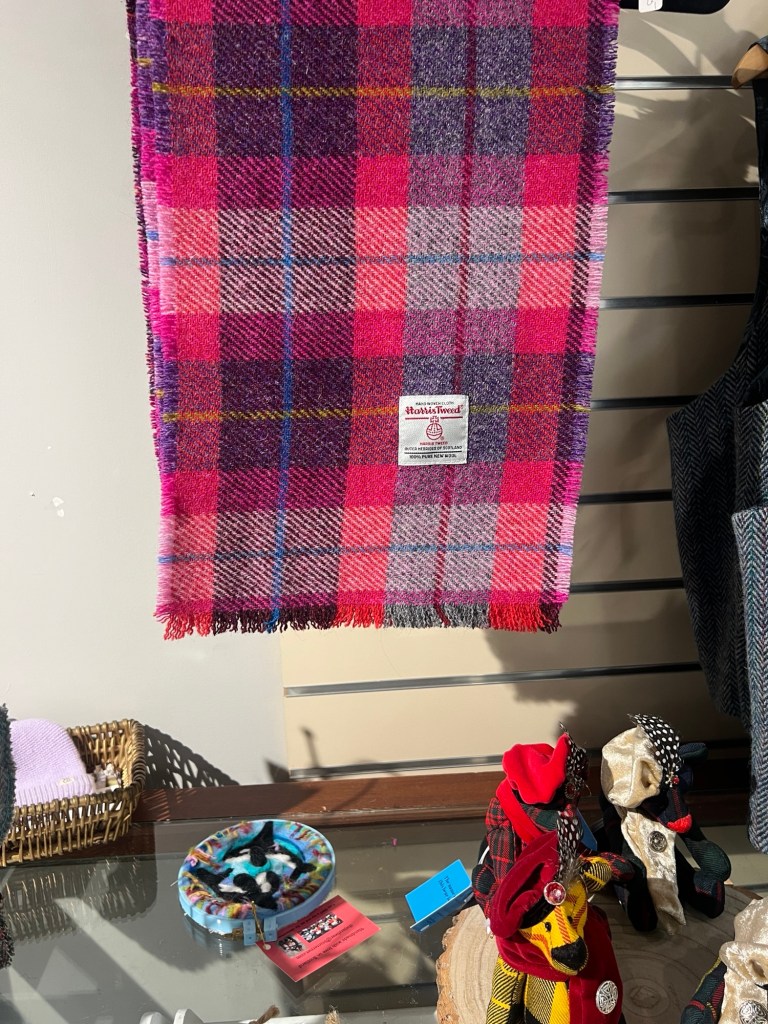
Stornoway is the largest town and port in the Outer Hebrides islands of Scotland. The local population is 8000 people. The town is a center for the manufacture of Harris Tweed and you see items in all of the shops. Harris Tweed must be made from virgin Scottish wool that is woven by hand in the homes of local weavers. These weavers have defended and protected this historic process even in the face of developing technologies.

We took the shuttle into town and decided to walk to the castle first.

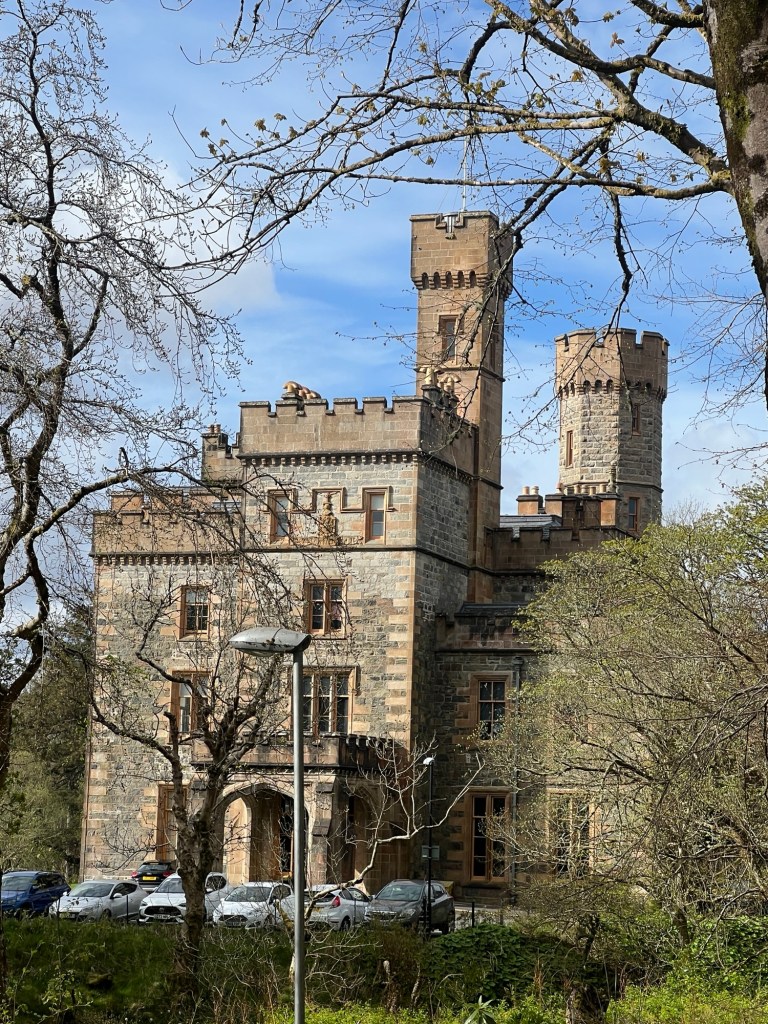
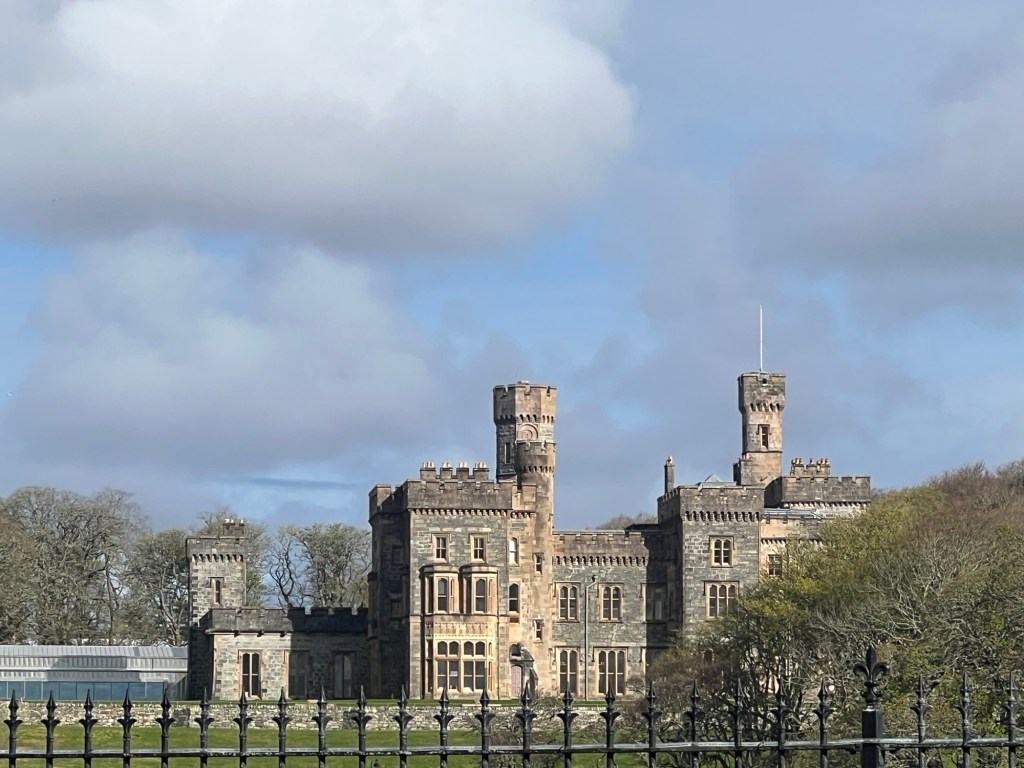
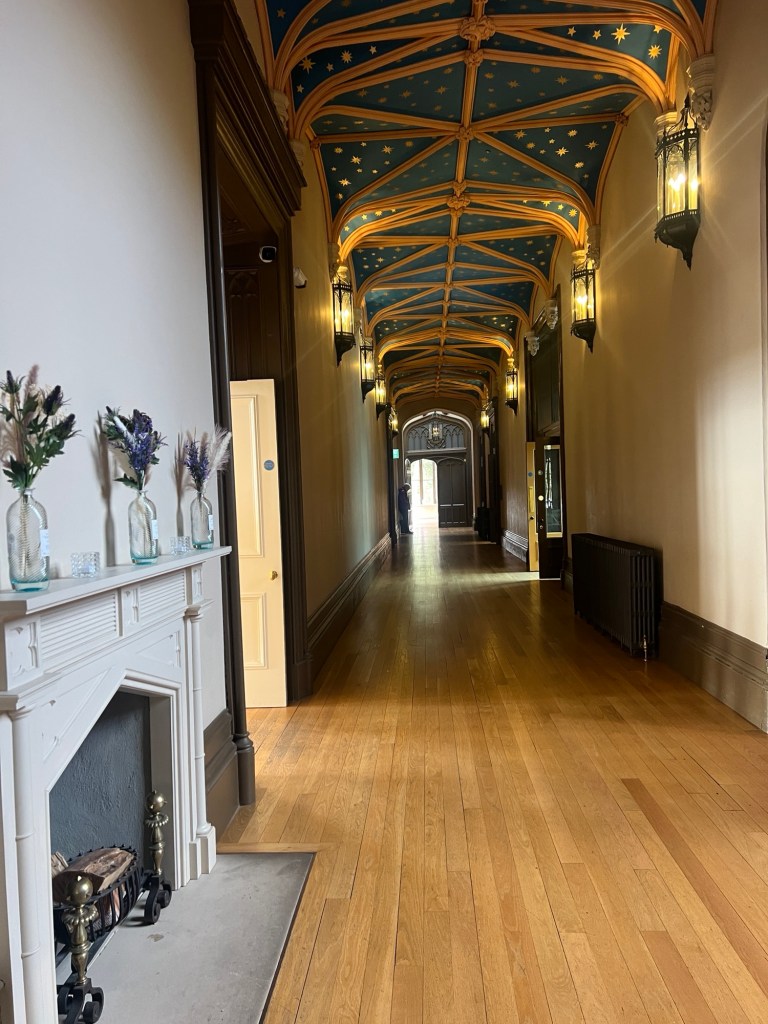
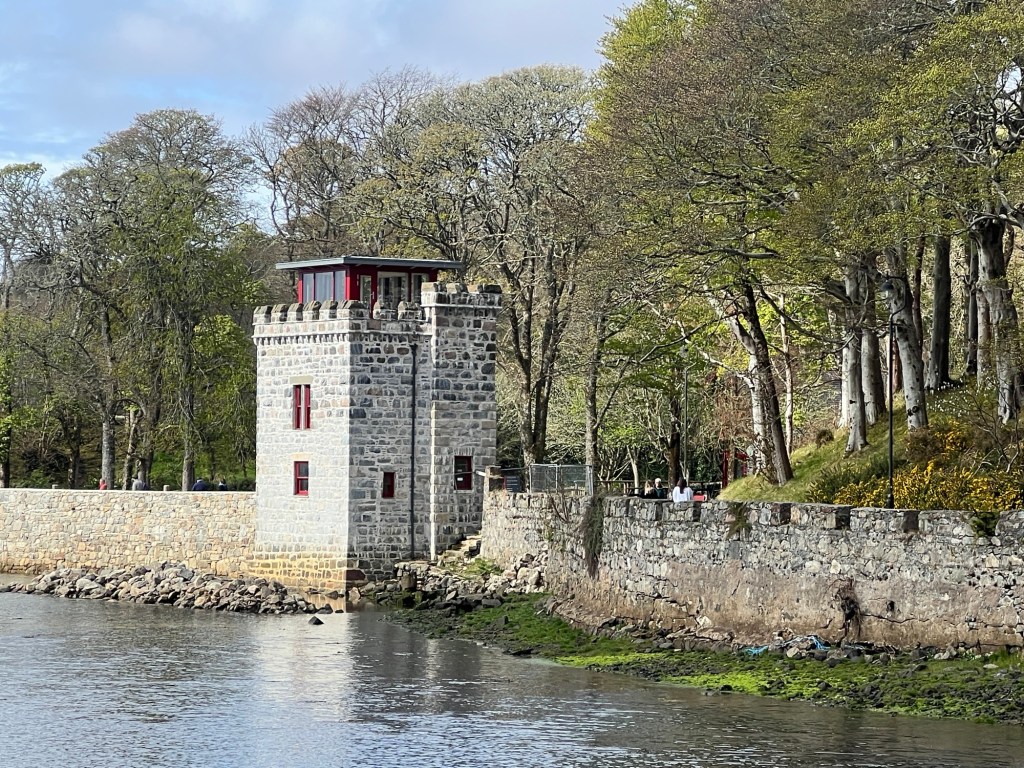
Stornoway is located on the Isle of Lewis in Scotland and is home to Lews Castle. This historic castle overlooks Stornoway and is situated within beautiful grounds. Built in the mid-19th century, it’s known for its stunning architecture and picturesque setting. Today, it serves as a museum, event venue, and luxury accommodation, offering visitors a glimpse into its rich history and breathtaking surroundings.

Lews Castle was constructed between 1844 and 1851. It was designed by the famous architect Charles Wilson in the Scottish Baronial style for Sir James Matheson, a wealthy merchant and owner of the Isle of Lewis. Sir James Matheson used the castle as a residence for himself and his family. The Matheson family had acquired the Isle of Lewis in the early 19th century, primarily due to its lucrative trade in the production of wool and Harris Tweed.

After Sir James Matheson’s death, the castle changed hands several times. It served various purposes over the years, including as a hotel and as accommodation for RAF personnel during World War II.

In the latter half of the 20th century, the castle was used by Lews Castle College as a campus. It housed classrooms, offices, and student accommodation.

In the early 21st century, Lews Castle underwent a significant restoration project. The aim was to preserve its historic features while also transforming it into a luxury hotel, museum, and event venue.

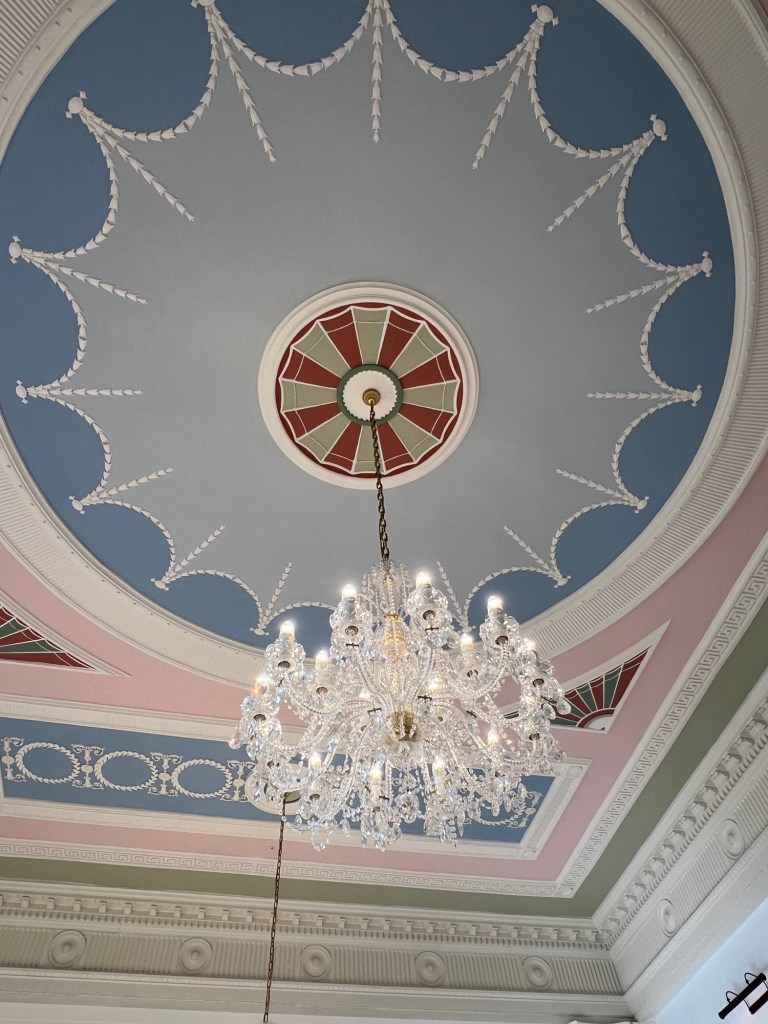
The main level of the castle is almost empty and the main feature includes the many decorative fireplaces.

The library was closed for a special event. The upstairs is for guest rooms which of course we couldn’t see. The architecture is interesting.

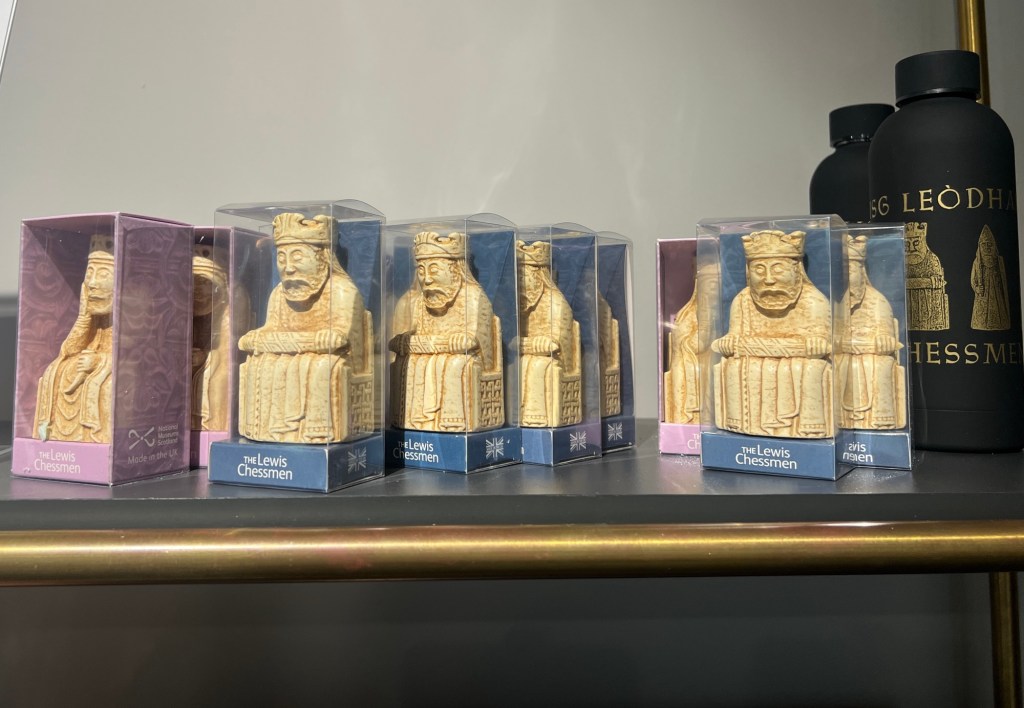
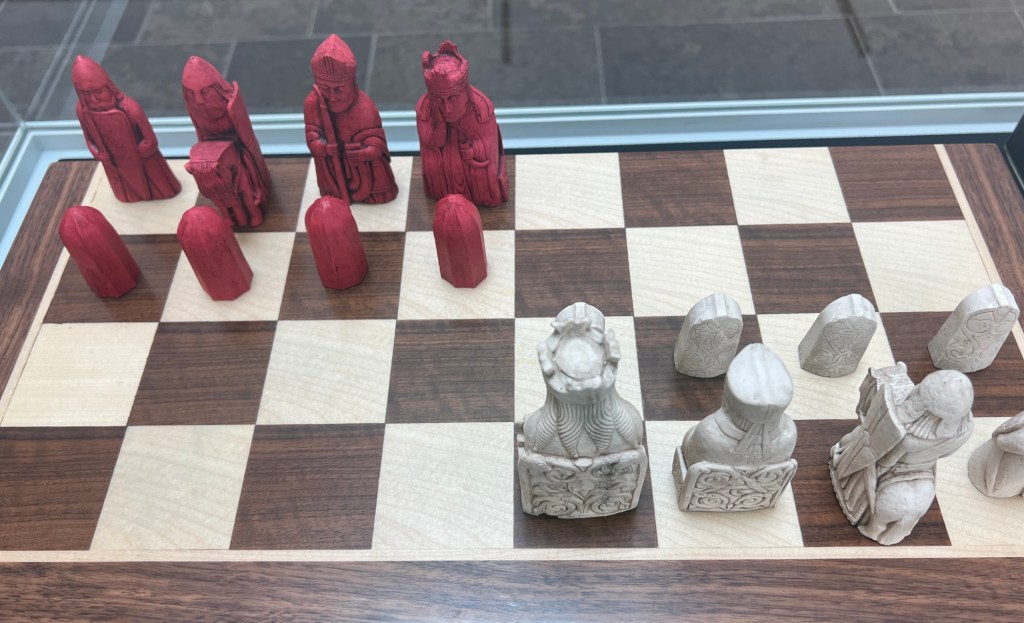
We visited the gift shop and the museum. We saw these chess pieces in Kirkwall but this museum had an extensive explanation of them.

The Lewis Chessmen, not “chess pieces,” are a famous set of medieval chess pieces discovered on the Isle of Lewis in Scotland, near Stornoway. Here’s an overview of their history:The Lewis Chessmen were discovered in 1831 on the Isle of Lewis, in the Outer Hebrides of Scotland, not far from Stornoway. They were found buried in a sand dune, possibly hidden by a merchant or trader for safekeeping.

The chessmen are believed to have been made in Norway, likely in the late 12th or early 13th century, during the Viking Age. They are carved from walrus ivory and whale teeth, with intricate details and craftsmanship.

The Lewis Chessmen consist of 93 pieces in total, including kings, queens, bishops, knights, rooks, and pawns. They are known for their expressive faces and elaborate costumes, reflecting the style of medieval Norse art.

The chessmen were initially owned by the landowner who discovered them, and later they were acquired by the British Museum and the National Museum of Scotland. Today, they are divided between these two institutions, with the majority held by the British Museum in London.

The Lewis Chessmen are regarded as one of the most significant artifacts from the medieval period. They provide valuable insights into the history of chess, as well as medieval art and culture in Scandinavia and the British Isles.

Replicas of the Lewis Chessmen are available for purchase in the gift shop.

Other interesting parts of the museum exhibits were the explanations of the Gaelic language

Gaelic, also known as Scottish Gaelic or Gàidhlig, is a Celtic language spoken primarily in Scotland, particularly in the Highlands and the Western Isles, including places like here in Stornoway on the Isle of Lewis. It only uses 18 letters and uses a lot of specific punctuation marks which makes it hard for us to read or understand! It was once the dominant language in this part of Scotland.

This is a painted whale’s eardrum!
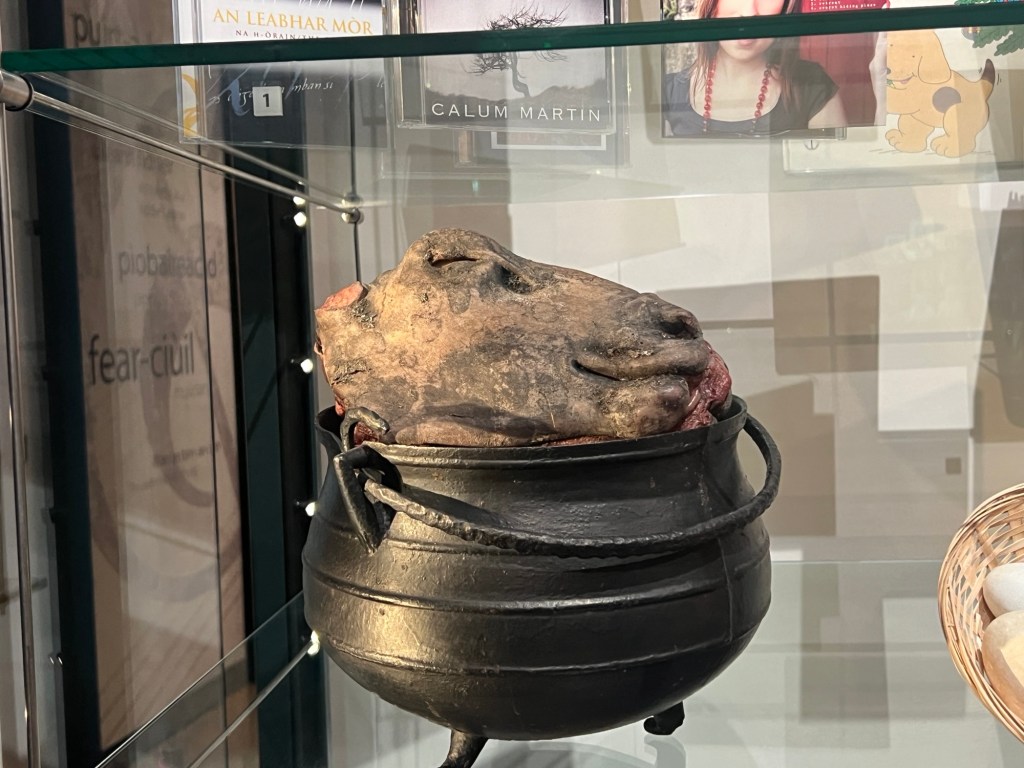
Sheep’s head in a cooking pot
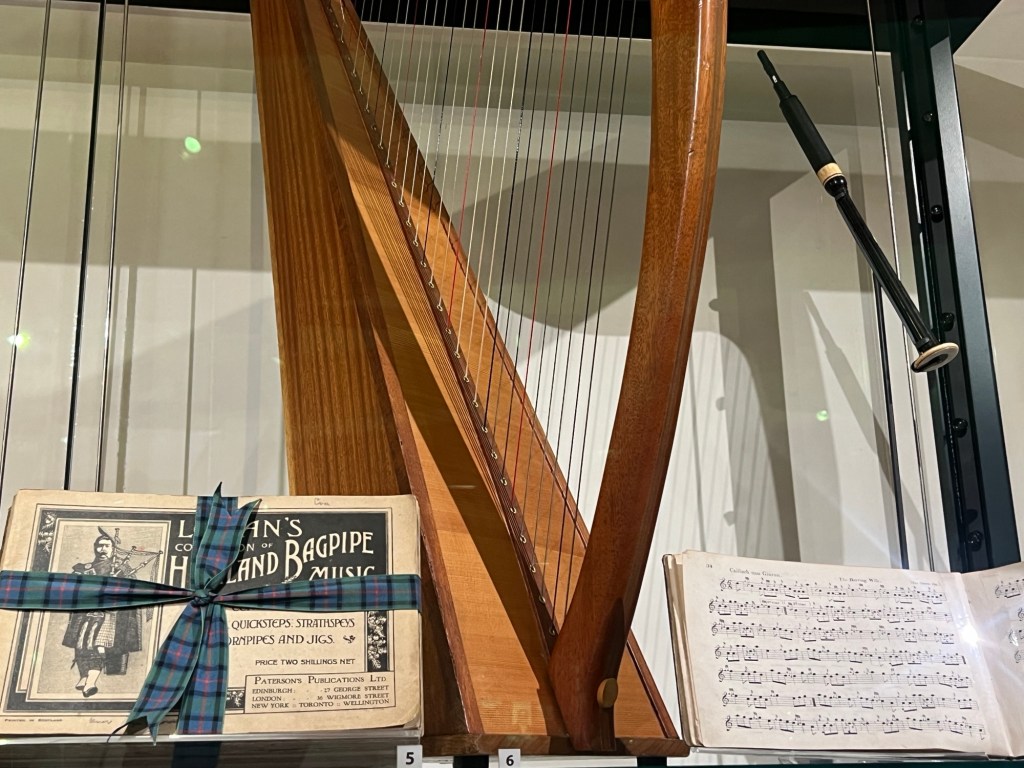
Common instruments

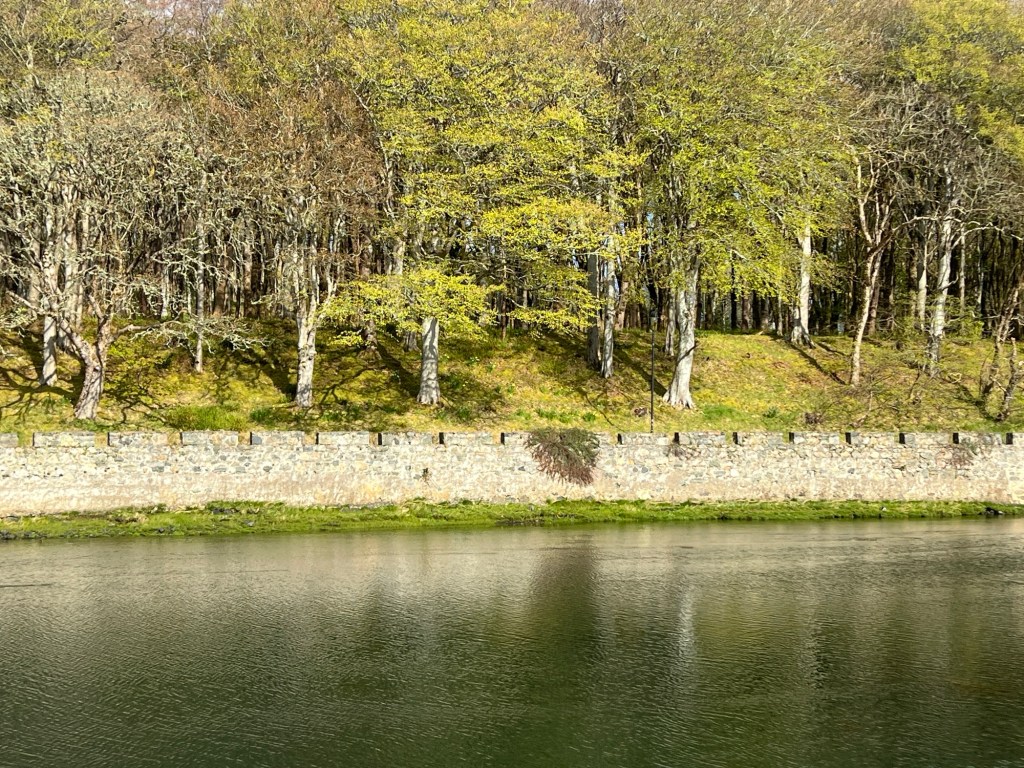
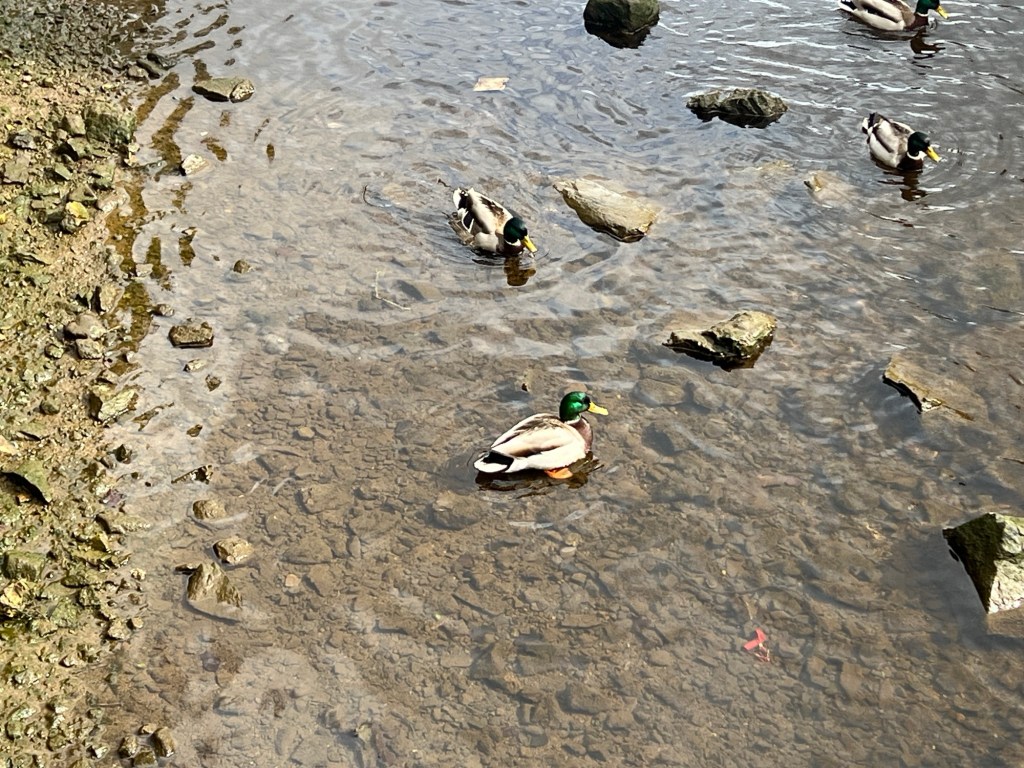
We walked through the extensive grounds.

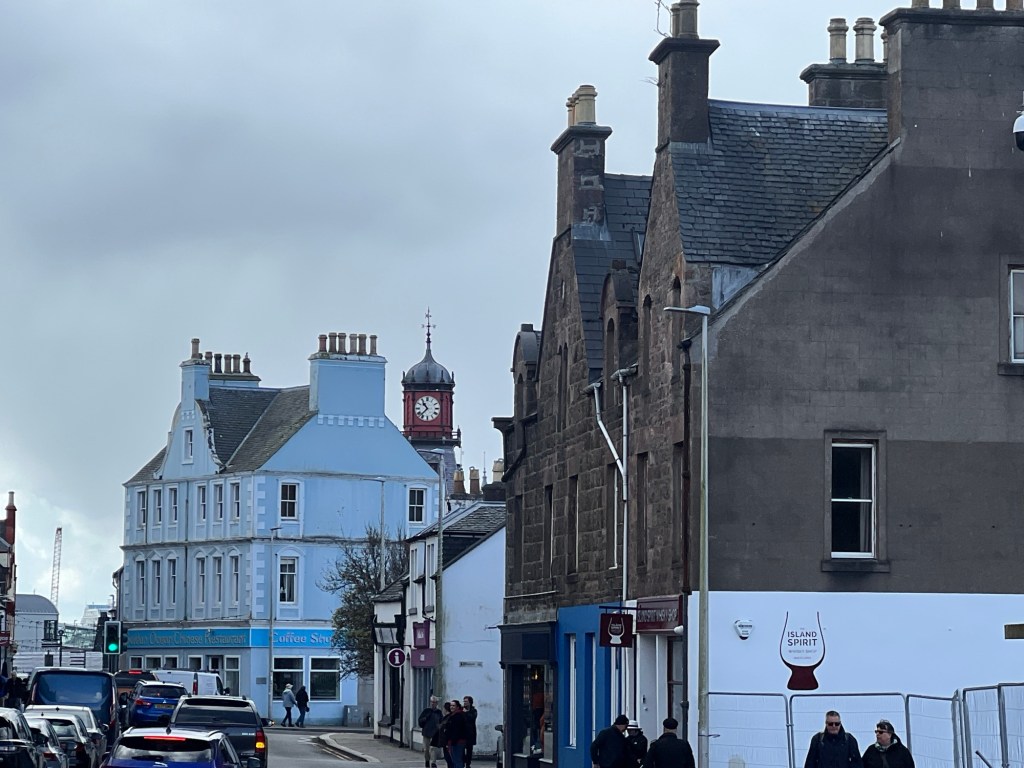
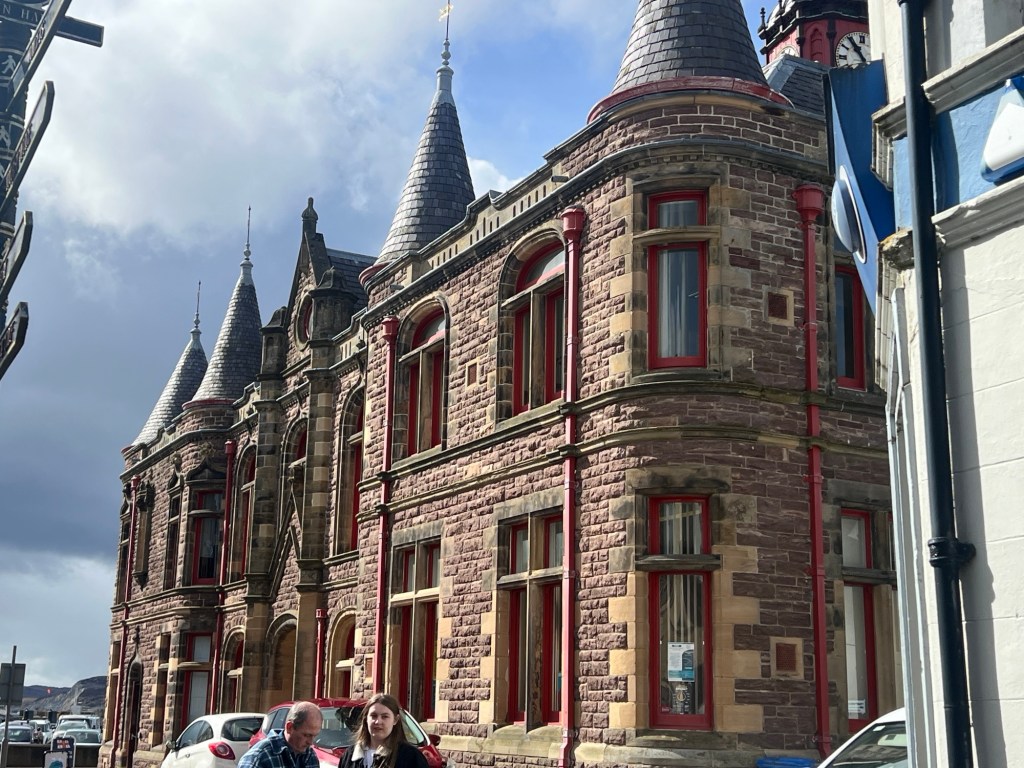
We wandered through town and went into a few shops. The town is quite small but charming.

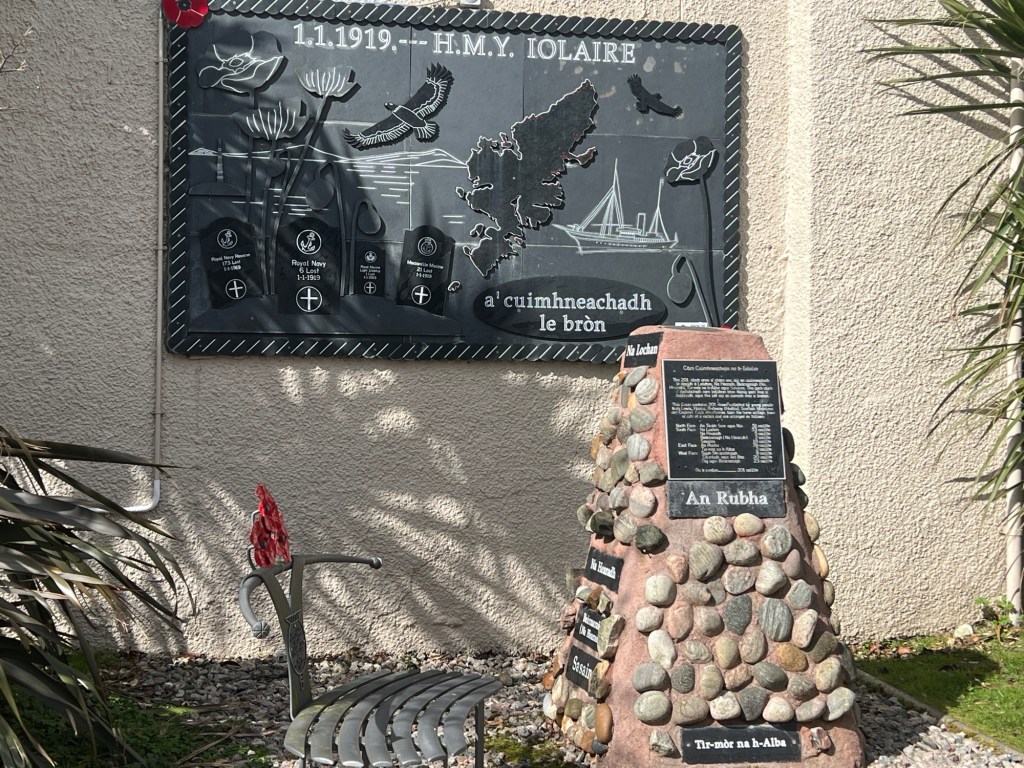
This is a monument in memory of the Iolaire disaster that occurred on January 1, 1919, near here.

The Iolaire was a yacht requisitioned by the Royal Navy during World War I. On New Year’s Eve 1918, it set sail from Kyle of Lochalsh on the west coast of Scotland, bound for Stornoway, carrying returning servicemen. The Iolaire approached Stornoway Harbor in the early hours of January 1, 1919, it struck the notorious rocks known as the Beasts of Holm, just a short distance from shore. Despite being so close to safety, the vessel foundered, and the majority of those on board died. Only 80 of the 280 on board survived.

This is the outline of the boat, better seen in low tide

After a nice day, we returned to the ship for a 2 PM departure. We will host a cocktail party for our trivia team tonight. Pictures will be added tomorrow.

Posted in April, Europe, Spring 2024 | 2 Comments

Kirkwall (Orkney Islands), UK

April 25, 2024

Kirkwall is the main settlement of the Northern Isles and capital of Orkney, an archipelago in the north of Scotland. When we woke up this morning, it was 39 degrees so it promised to be a chilly day. We dressed for it!

We saw this castle on the way into the port and fortunately we were at a dock. A Seabourn ship had to tender their passengers ashore.

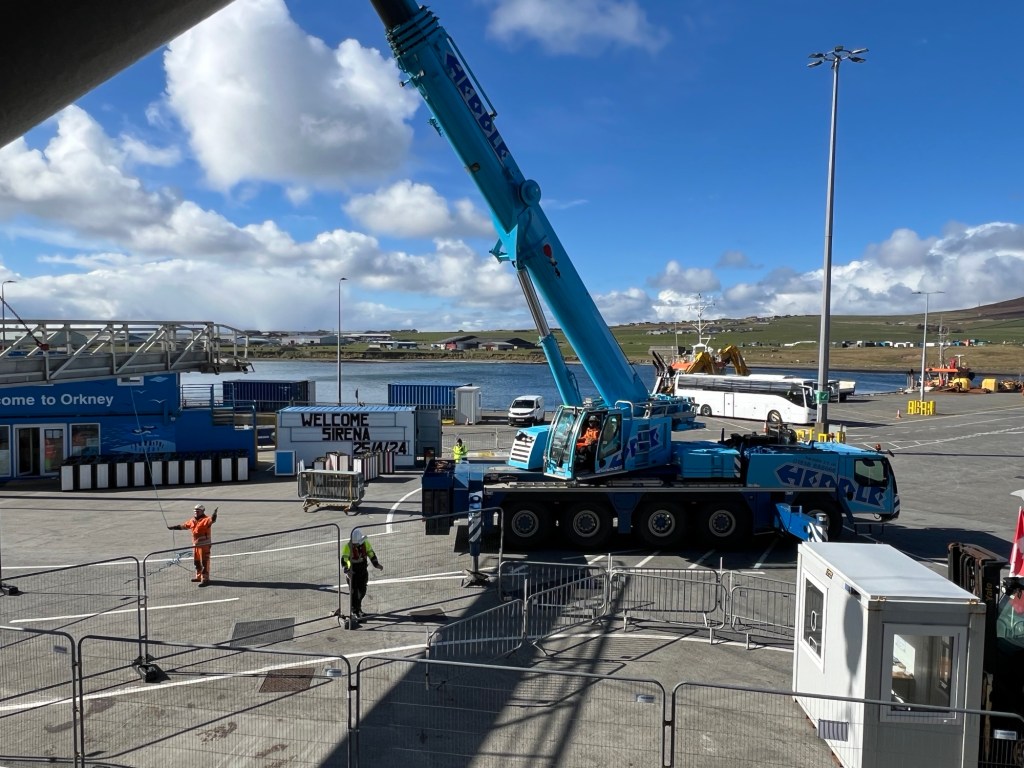
We watched as the local port workers attached the gangway. Quite an operation!
We took the first shuttle into town and stopped at a small local craft market first. The people were delightful to talk with and we learned that a ship couldn’t make it in yesterday because of wind so we felt lucky. There are many sheep on the hillsides but no trees at all due to the harsh winds.

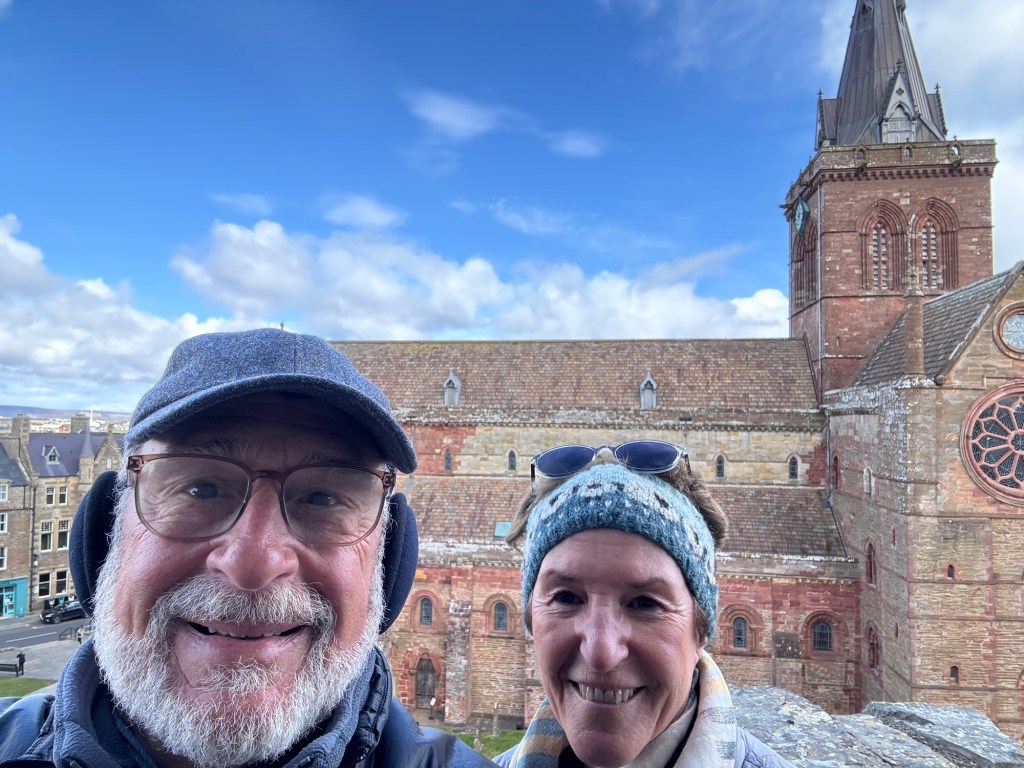
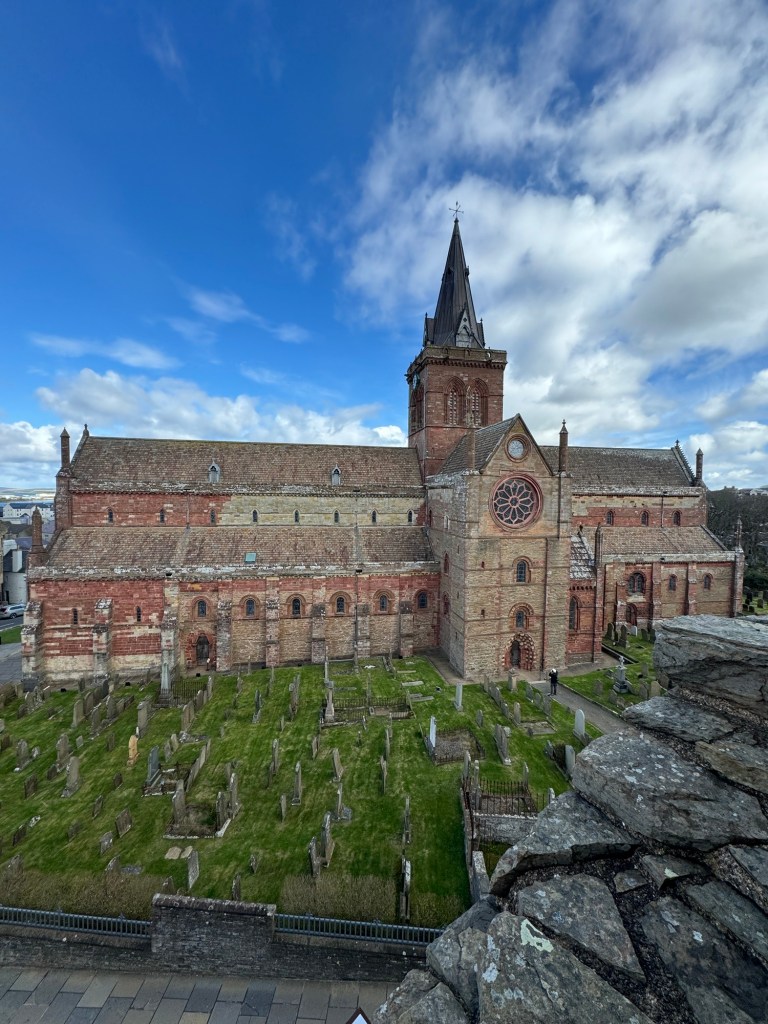
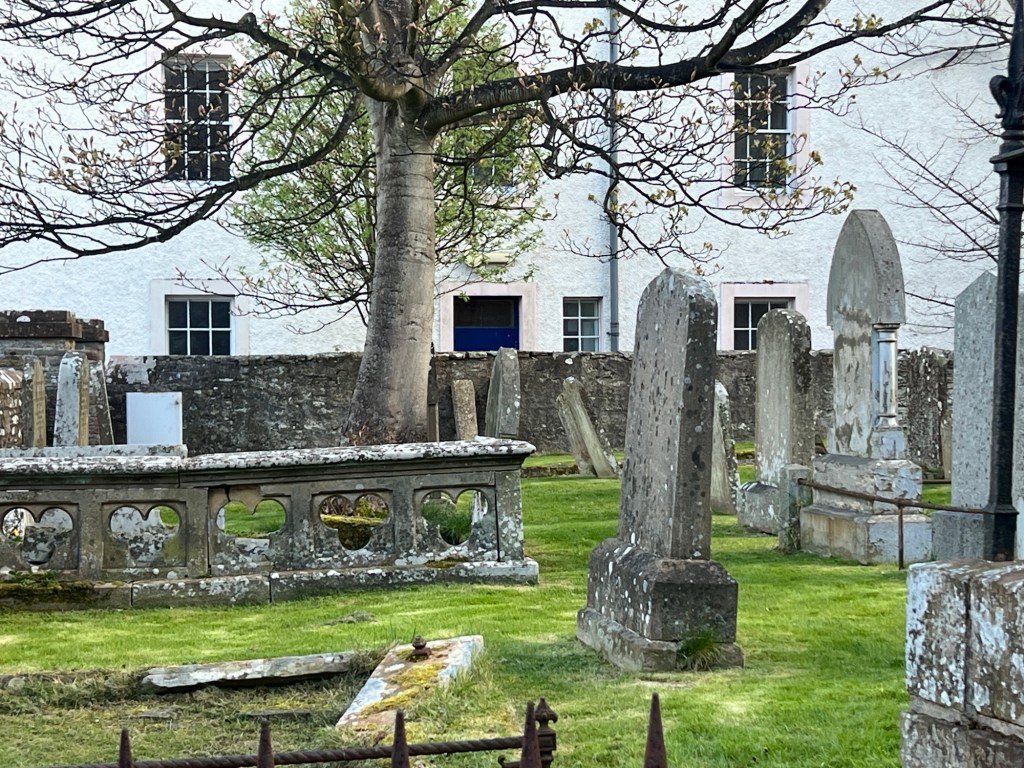
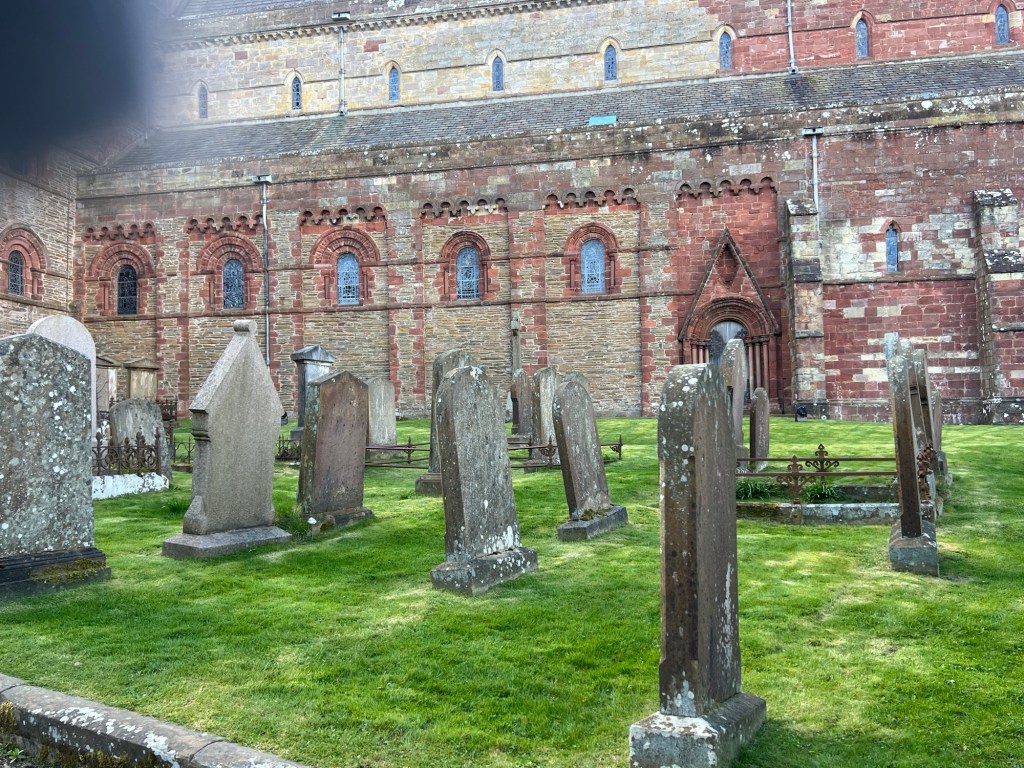
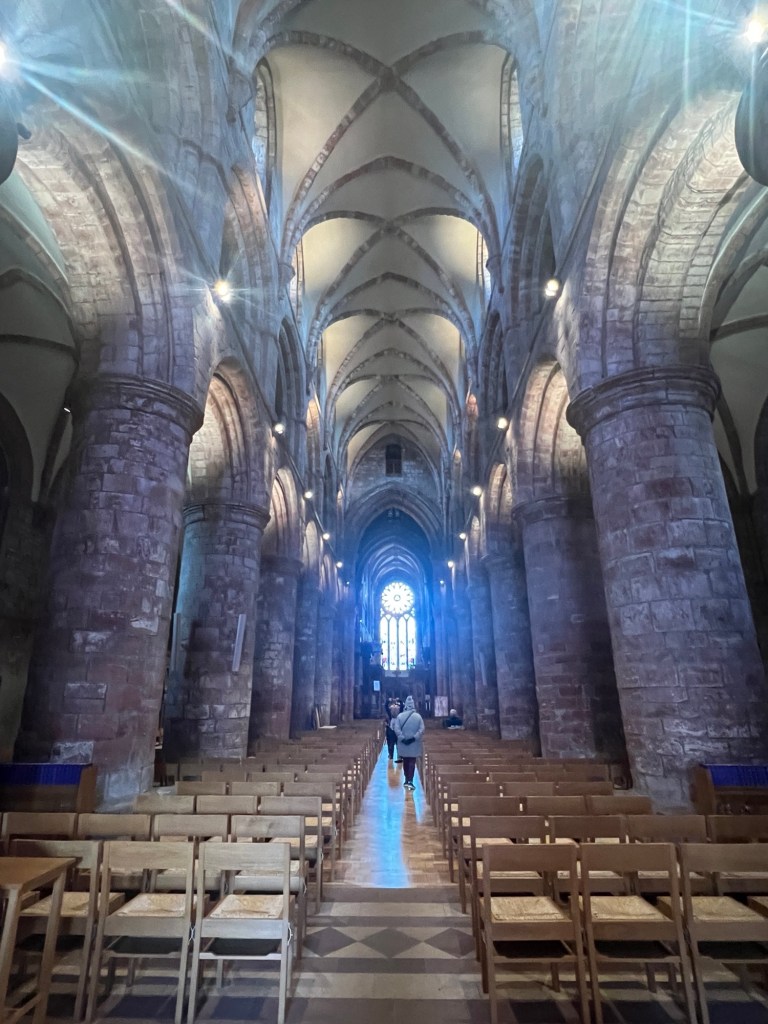
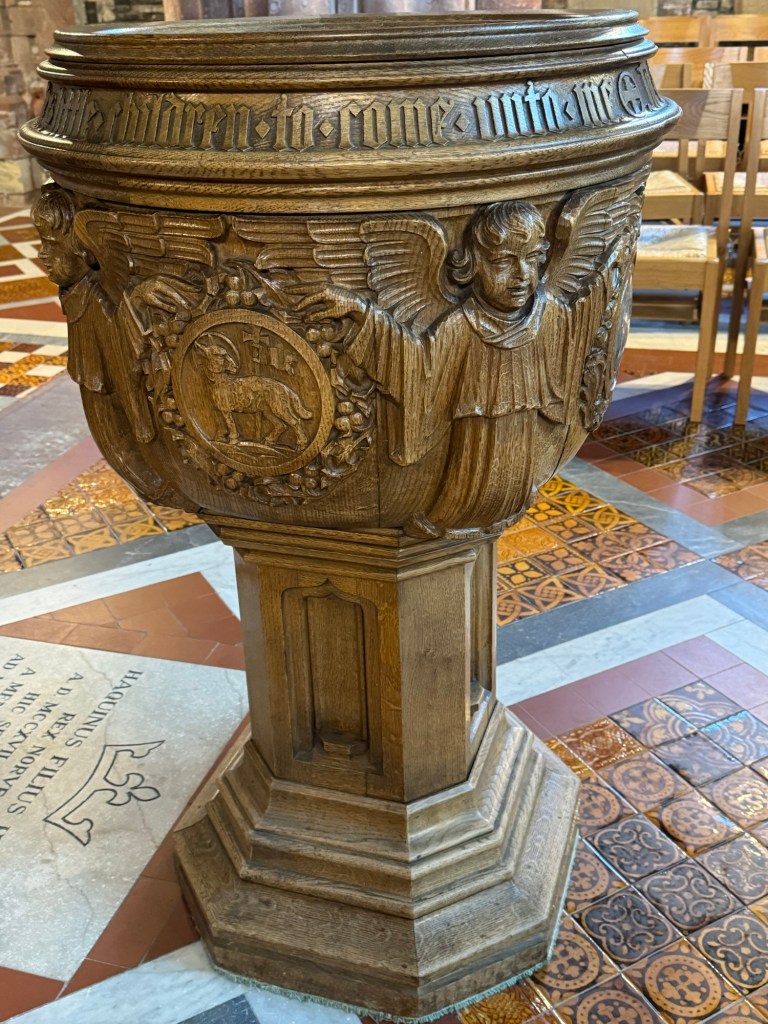
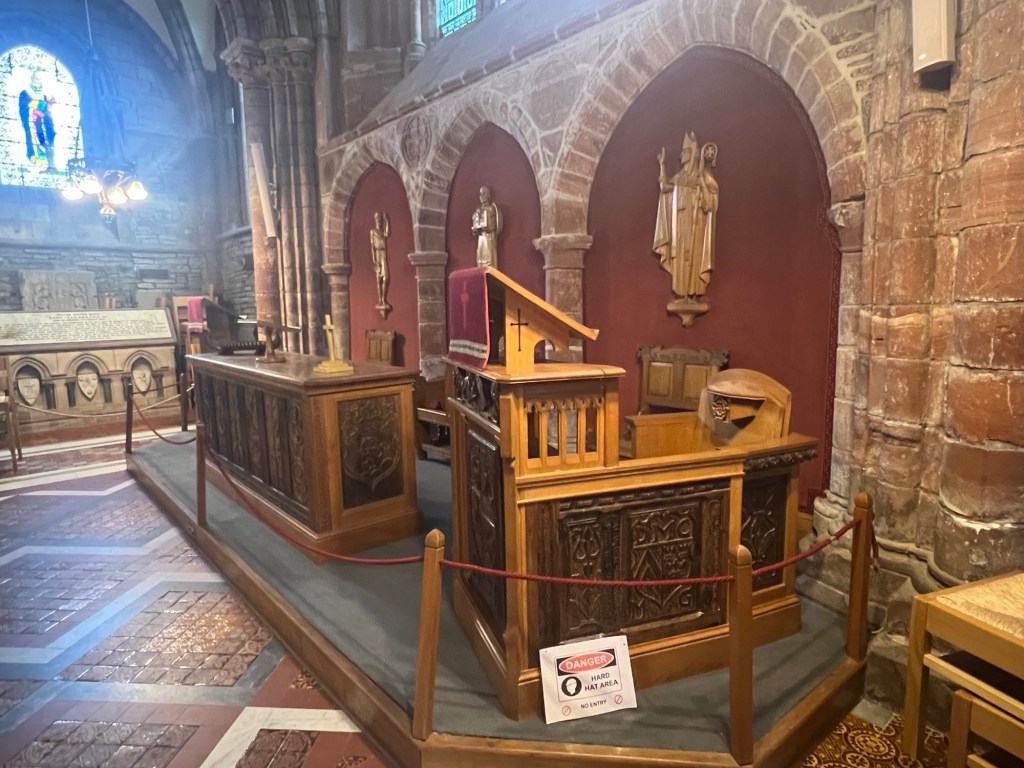
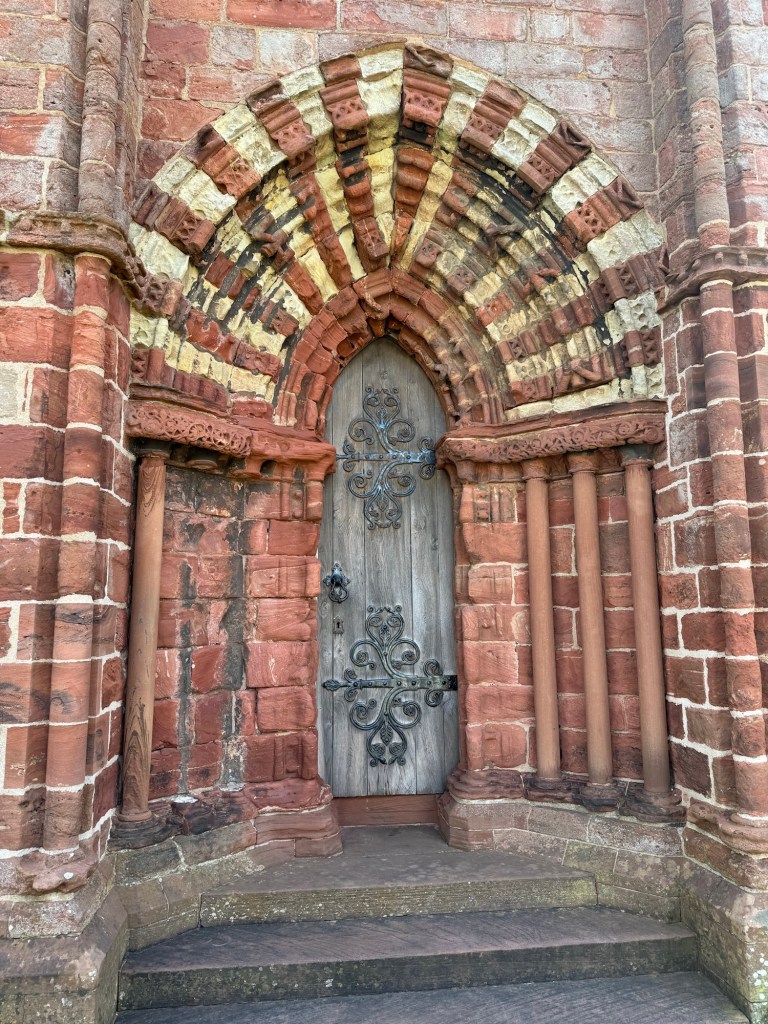
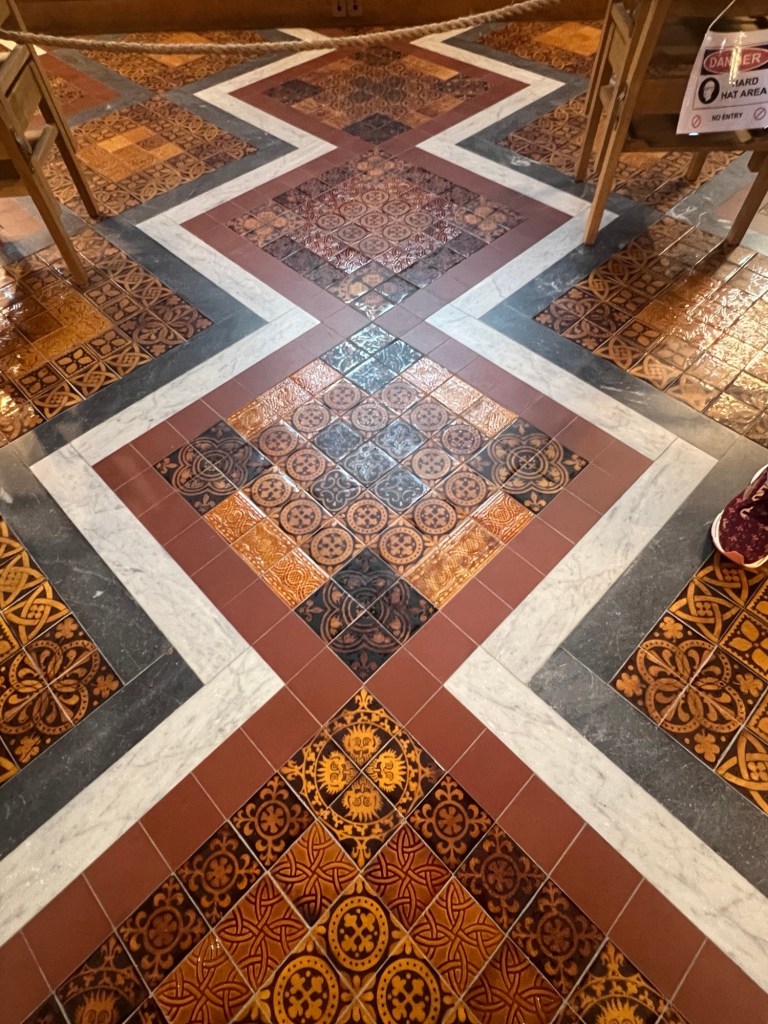
Our first stop was the magnificent St. Magnus Cathedral which was founded in 1137. It has a Church of Scotland congregation and by arrangement can be used by any Christian denomination.

Magnus was the Earl of Orkney in the early 1100s. He shared the Earldom with his cousin Hakon but they disagreed so they held a meeting on the island of Egilsay. Hakon broke the agreement they made to bring 2 ships and brought 8. Rather than kill Magnus himself, Hakon ordered his cook to do the deed. Magnus dies praying, killed by an axe blow to his head. Stories grew of miracles at his grave and people began to believe he was a holy man. His nephew came from Norway to claim his uncle’s earldom and promised to build a place of pilgrimage in honor of Magnus. Both are saints and their remains lie within the walls of the choir.

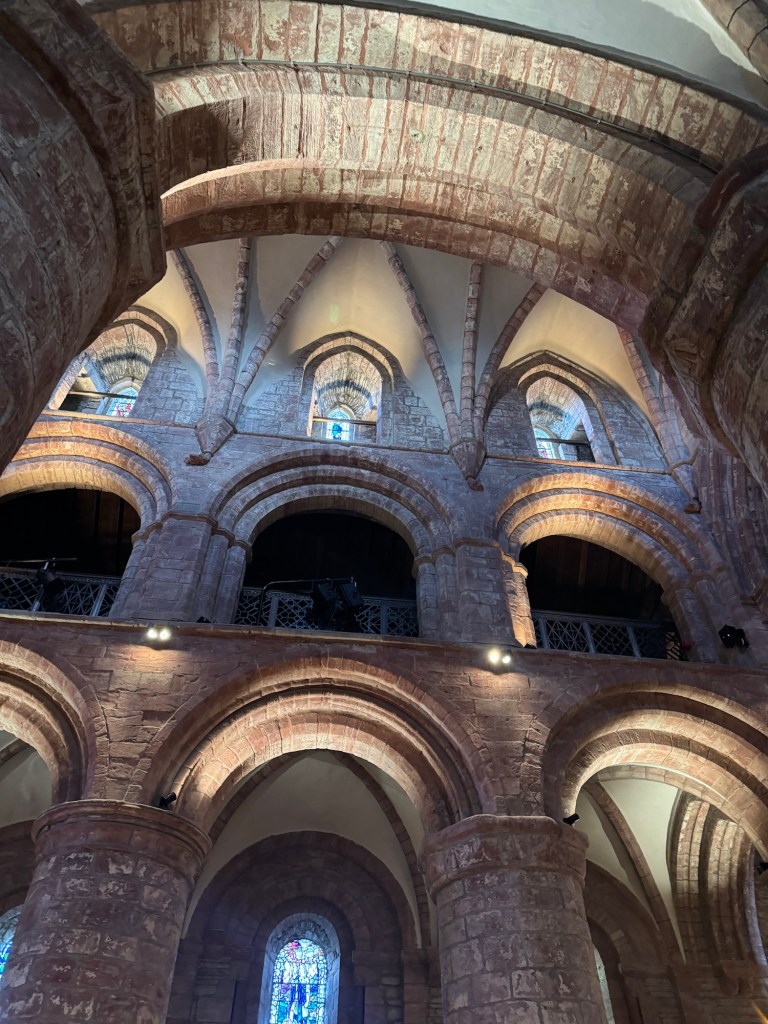
This cathedral is unlike any we have seen. Known as “the Light of the North”, it is one of the finest examples of medieval architecture to be found in Britain. It is made of red sandstone. The building has moved slightly westwards over the years creating some obviously leaning pillars which is almost hard to believe because they are huge.

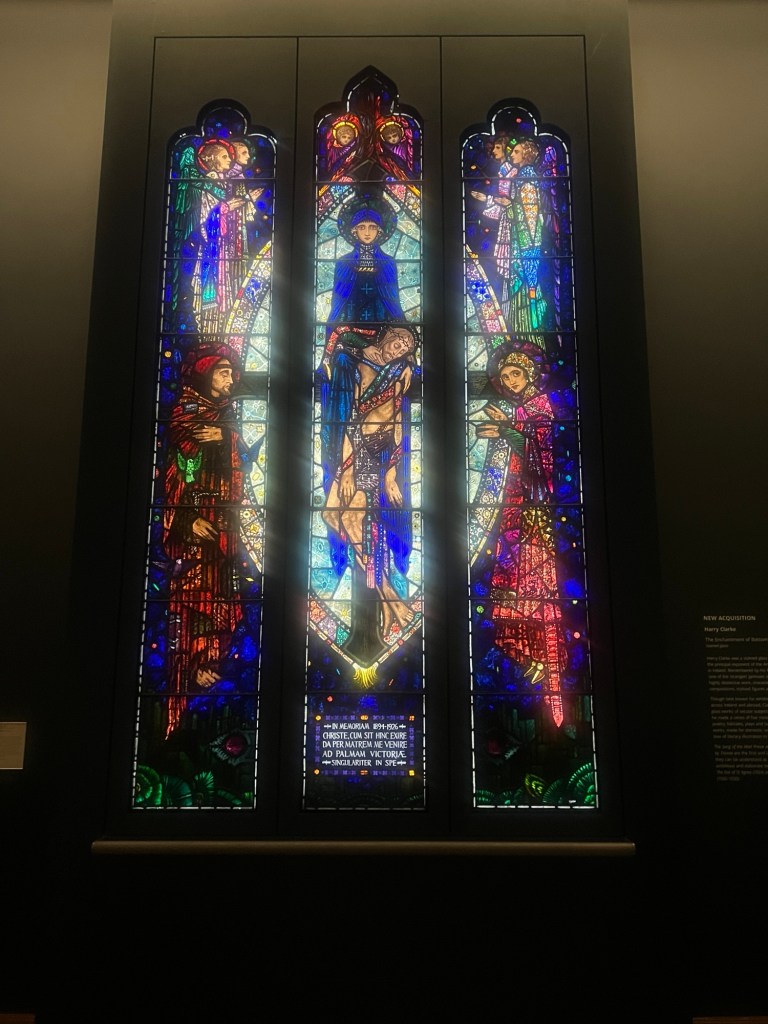
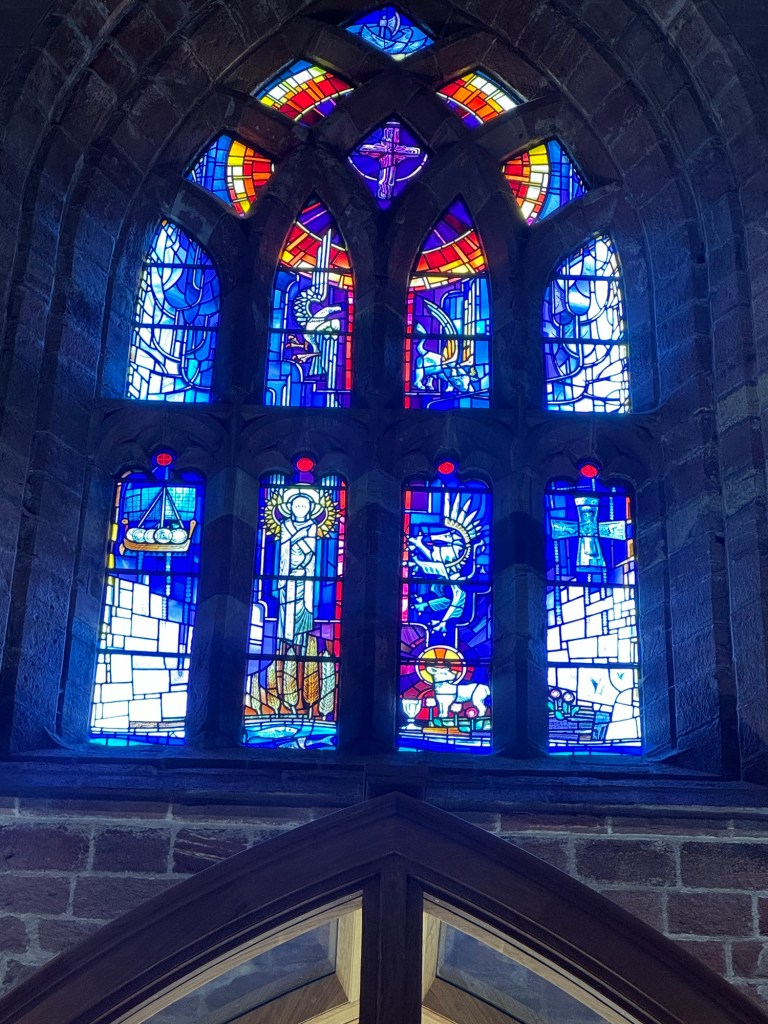
The stained glass was designed in the 1920s and they depict a variety of saints and biblical figures as well as characters from Orkney’s Norse past.
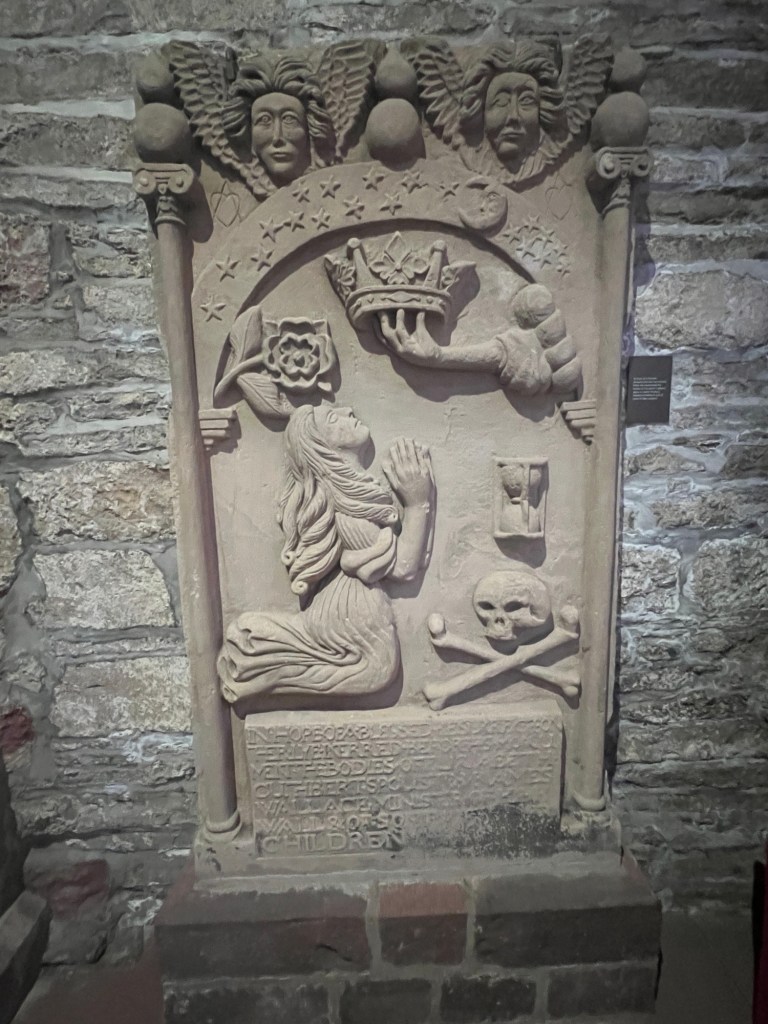
Many examples of headstones line the walls. These decorated stones once covered burials in the nave but the remains have been exhumed and reburied in the graveyard. The stones contain many reminders of death such as skulls and crossbones.
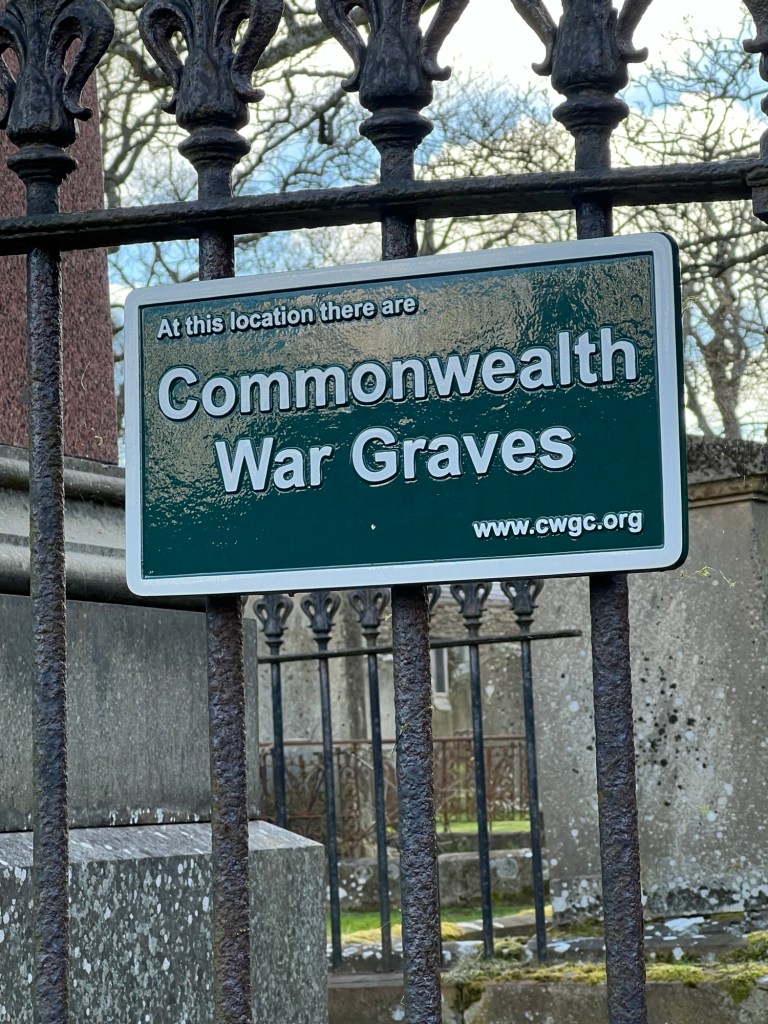
This is the memorial to Dr. John Rae, an employee of the Hudson’s Bay Company, explorer of the Canadian Arctic and discoverer of the Northwest Passage. He is buried in the cathedral graveyard

There is so much to look at in this cathedral – we spent quite a long time and didn’t even see everything.

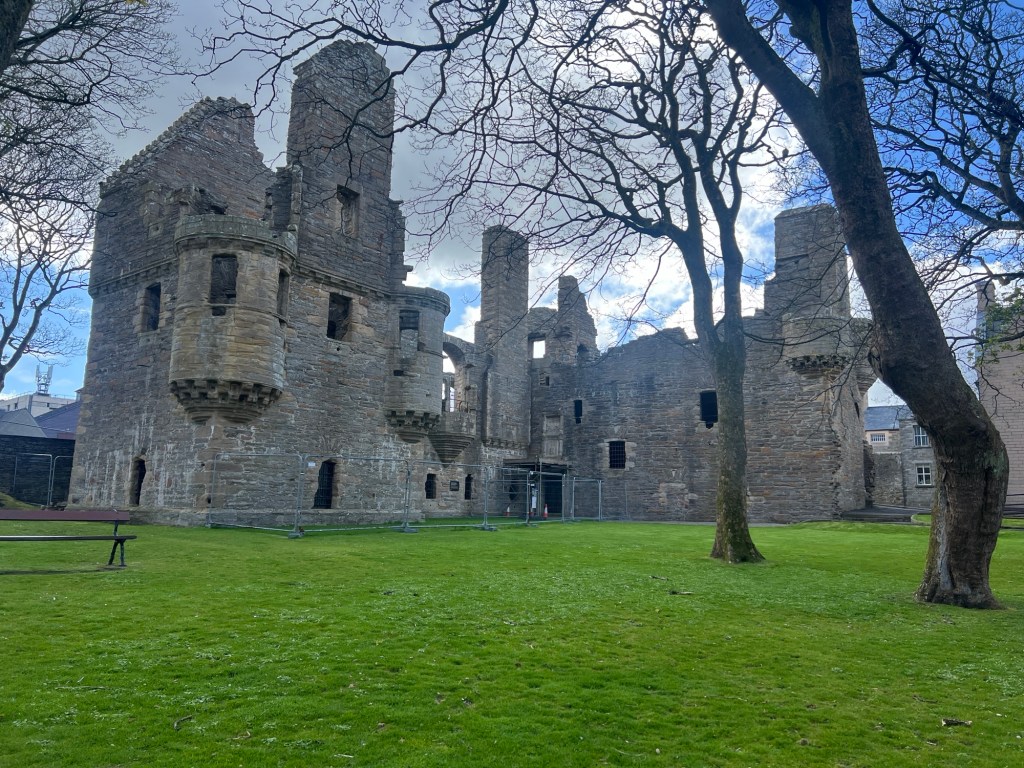
After touring the cathedral, we headed to the Earls’s and Bishop’s palaces. The Earl’s palace is under construction so we could not enter it. Here is a picture of it.

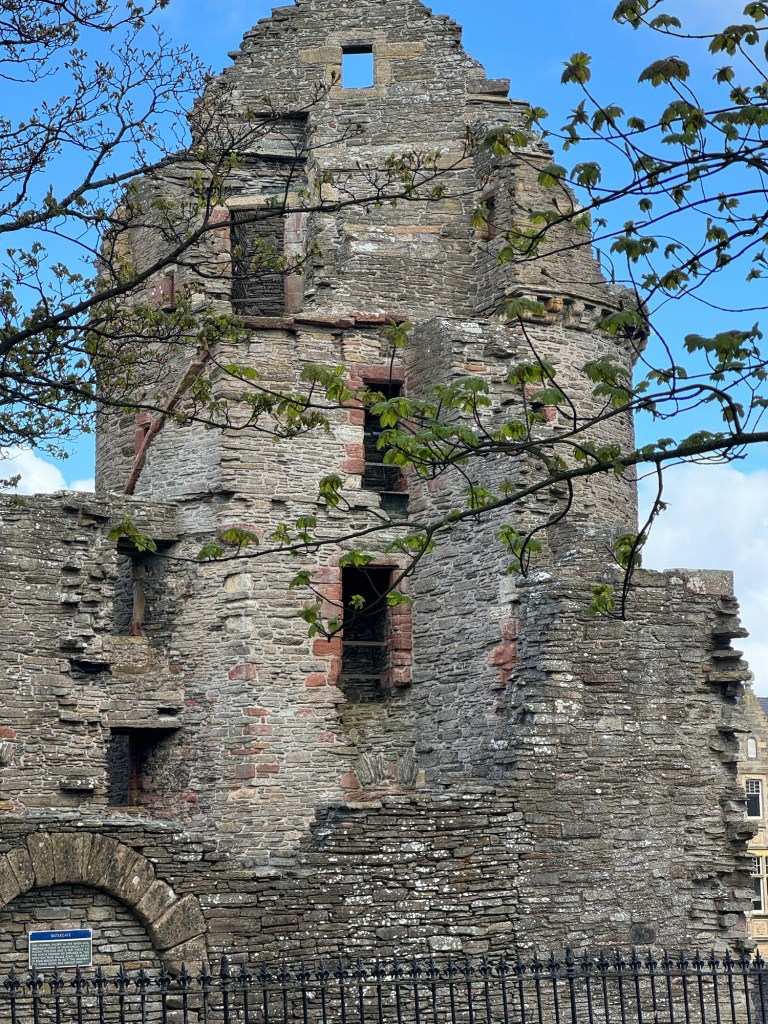
We did go to the Bishop’s palace.

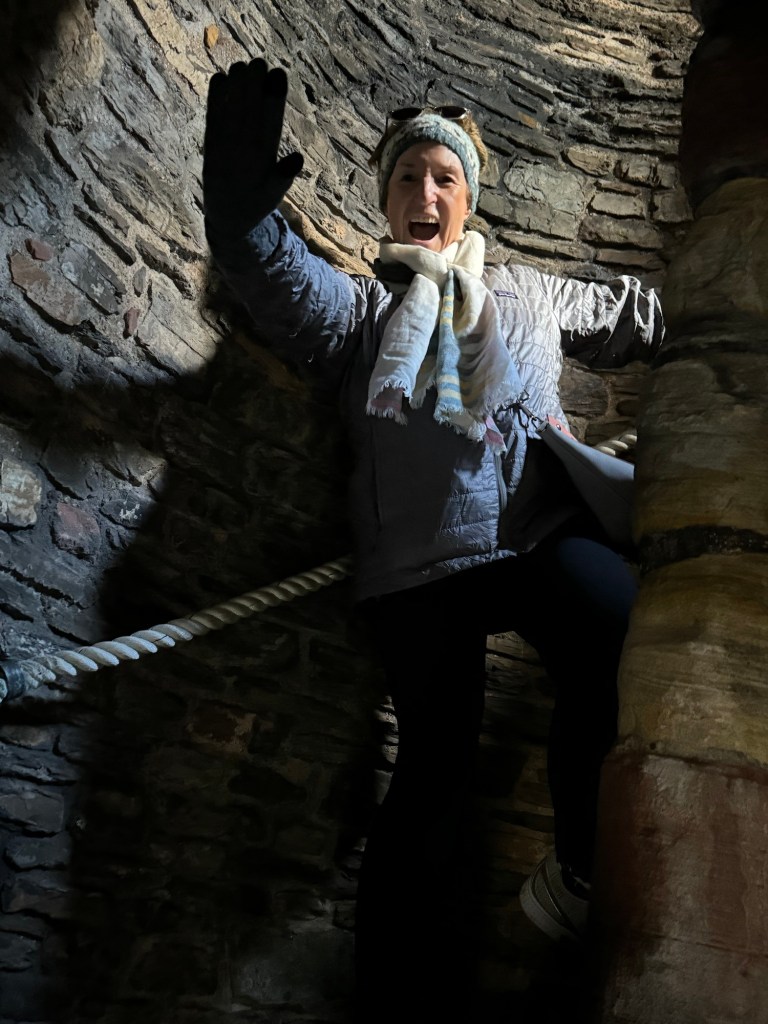
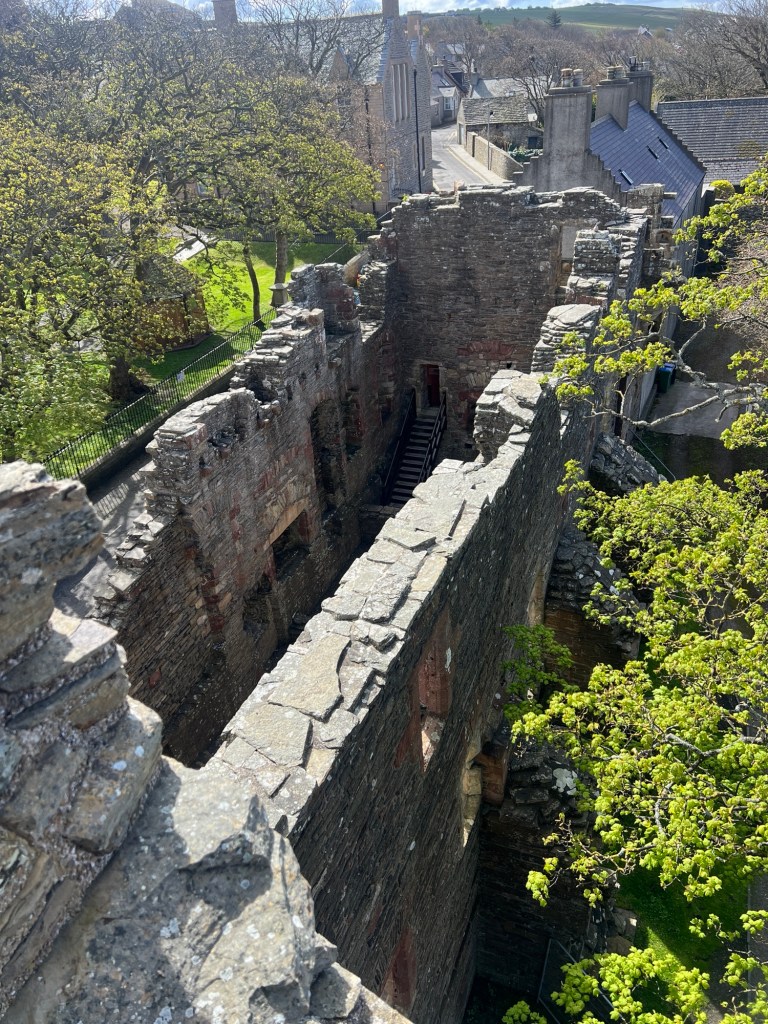
We climbed up into the tower. It was a very windy and steep stairway – here’s the view.

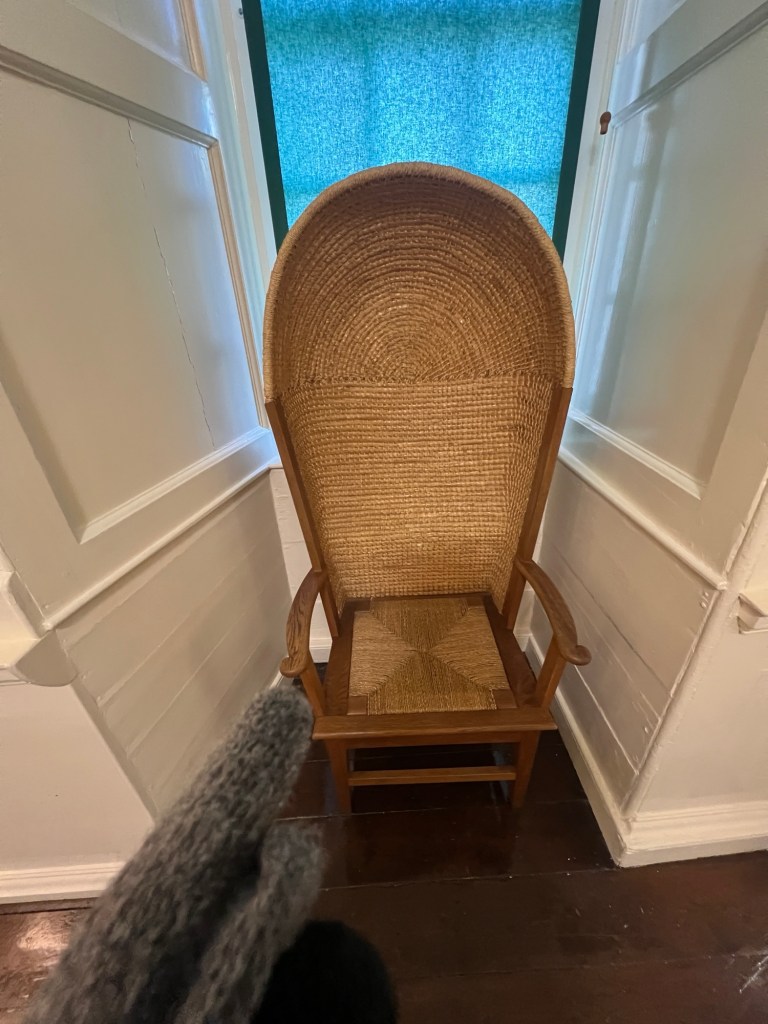
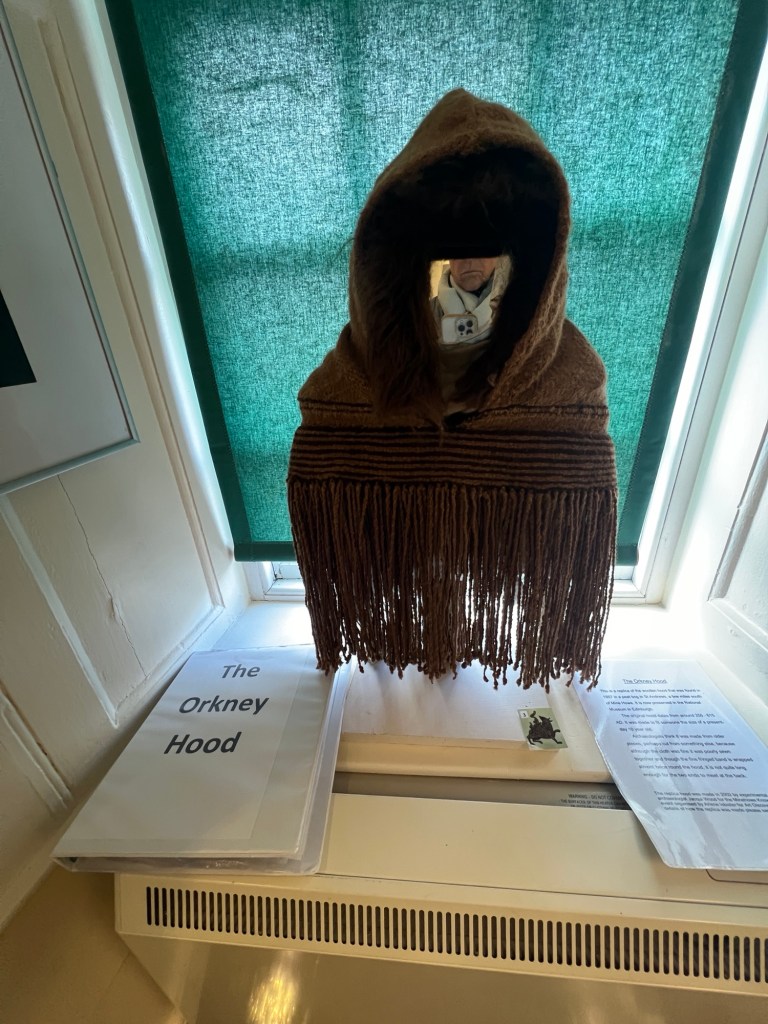
Our next stop was the Orkney Museum in Tankerness House. We were surprised by the number of artifacts from the history of the Orkney Islands that were housed in this small museum. Very interesting visit.

Christening gown and caps
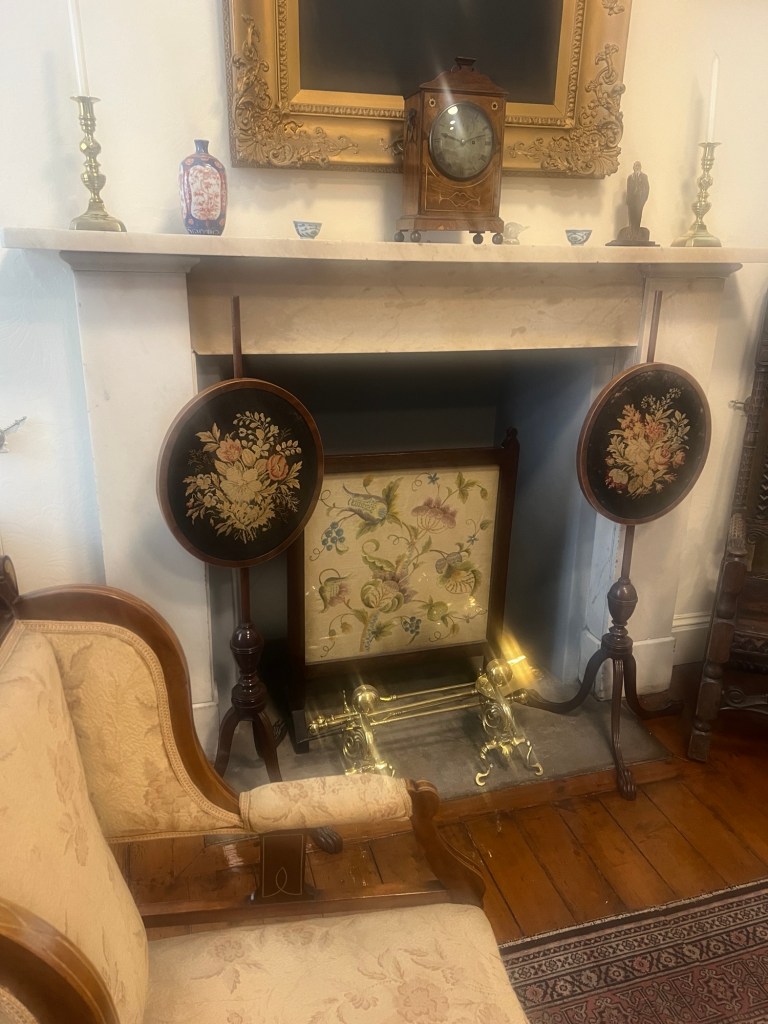
More fireplace screens

We went outside to the delightful walled garden.

We visited the library and warmed up – there was fast WiFi too! There was a big book sale going on and if we had room in our luggage, I would have bought some. There was a 1984 cookbook with a young Martha Stewart on the cover for the wee price of 1 pound!
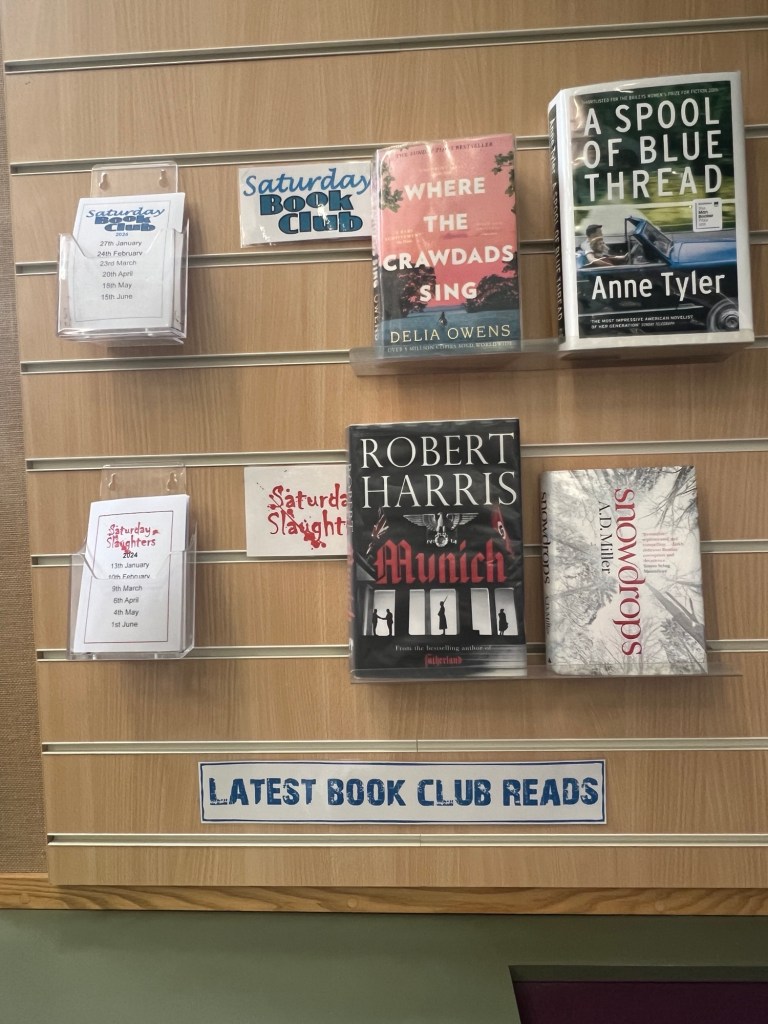
They have two book clubs and show the featured books.

We decided to try to find a local cafe for lunch before returning to the ship. We walked around the streets and enjoyed the small streets.

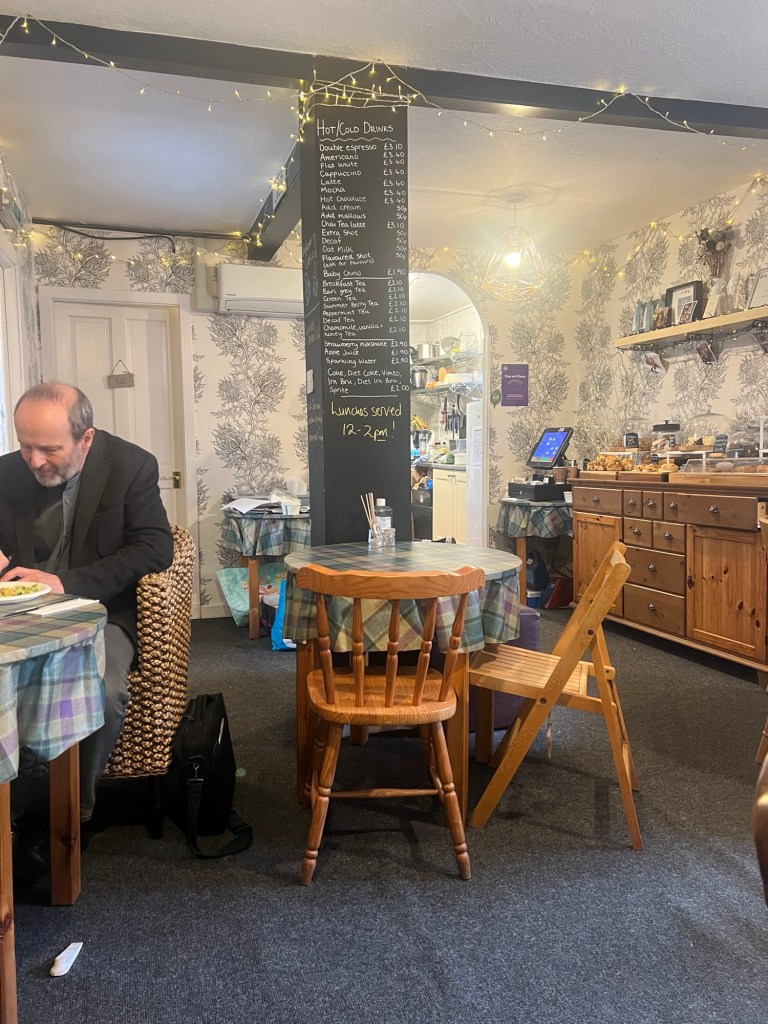
We found the tiny and charming Cafe Lolz.

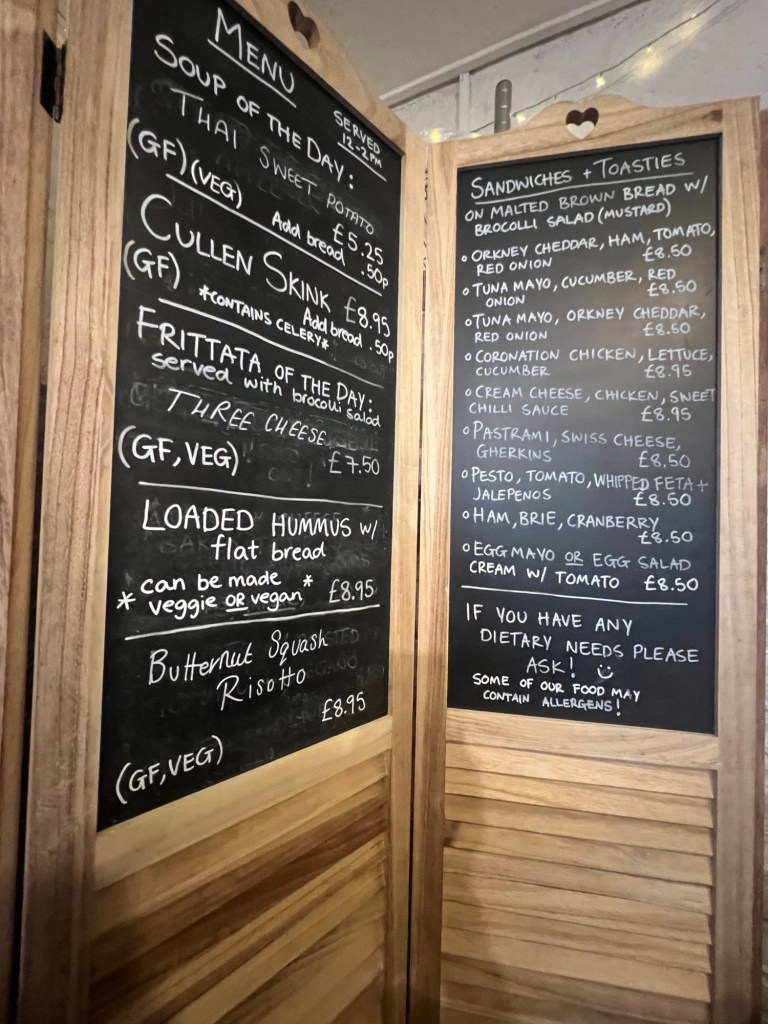
The menu
Norm had a tuna sandwich with onion and broccoli salad. The brown package contains an delicious looking scone I got to go
I had a Thai sweet potato soup that was amazing. With freshly baked bread.

We had a lovely leisurely lunch. On the way out of the cafe, I spotted this sign.

Tomorrow we Will be in Stornoway, UK, another one of the northern Scottish islands. We didn’t book a tour and will again take the shuttle and explore on our own. We are loving Scotland!

Posted in April, Europe, Food, Spring 2024 | 1 Comment